
Have you ever wondered if your quick instincts in a tight spot are enough to keep you safe during a mission? Military cognitive aptitude tests (tests that check how well you think) measure the skills that matter when every moment is crucial.
Imagine a recruit quickly choosing the best escape route during a drill. That kind of fast thinking is exactly what these tests look for.
These tests have been around for over a hundred years and play a key role in shaping military careers. In this post, we break down how they work, why they are important, and what they reveal about your abilities.
Military Cognitive Aptitude Tests: Design, Purpose, and Components

Military cognitive aptitude tests help check the natural skills you need out there in the field. They measure how well you solve problems, understand space (like figuring out where things are), and work with both numbers and words. Imagine you’re out on patrol and need to quickly pick the best route to dodge an obstacle, that’s the type of quick, smart thinking these tests look for. Fun fact: even before computers were a big thing, these tests challenged recruits to think fast and solve puzzles without any special tricks.
These tests play a big role when joining the military. They reveal important skills that show how well you might handle life-saving decisions and tricky technical challenges. For example, the U.S. Armed Forces use the ASVAB exam (a standardized test where everyone gets the same set of questions) that includes ten short subtests, all finished in about three hours. It covers subjects like general science, arithmetic reasoning, word knowledge, and technical skills, all to see how naturally quick your thinking is, no special pre-learned shortcuts required.
When you look at these tests as a whole, you can see they’re about more than just schoolwork. They help decide which military job fits you best and can open up different career paths. For more details, you can check out the ASVAB overview on the official websites.
Historical Development of Military Cognitive Aptitude Tests

Back in 1917-1918, the Army first tried out the Alpha and Beta tests to check a recruit’s ability with words, numbers, directions, and pictures. These tests were like the first step in figuring out how to see if someone was ready for the challenges ahead. Imagine a new recruit quietly working through questions that pushed him to think fast without any modern gadgets.
Then, during World War II, the Army rolled out the General Classification Test to 12 million soldiers, and the Navy had its own test taken by 3 million sailors. These huge tests helped leaders spot who could handle the tough demands of war. Think of a determined sailor using natural problem-solving skills to deal with sudden issues on deck.
In 1950, the Armed Forces Qualification Test (AFQT) came along to measure a recruit’s potential all in one go, making things simpler for everyone. A big change happened in 1968 with the introduction of the ASVAB, which has since grown into more modern versions like the computer-adaptive CAT-ASVAB and even unproctored tests such as the PiCAT and the APT. Old records from the U.S. DoD show how these changes steadily improved the way we assess mental skills to meet real military needs.
Assessing Cognitive Skills: What Military Cognitive Aptitude Tests Measure
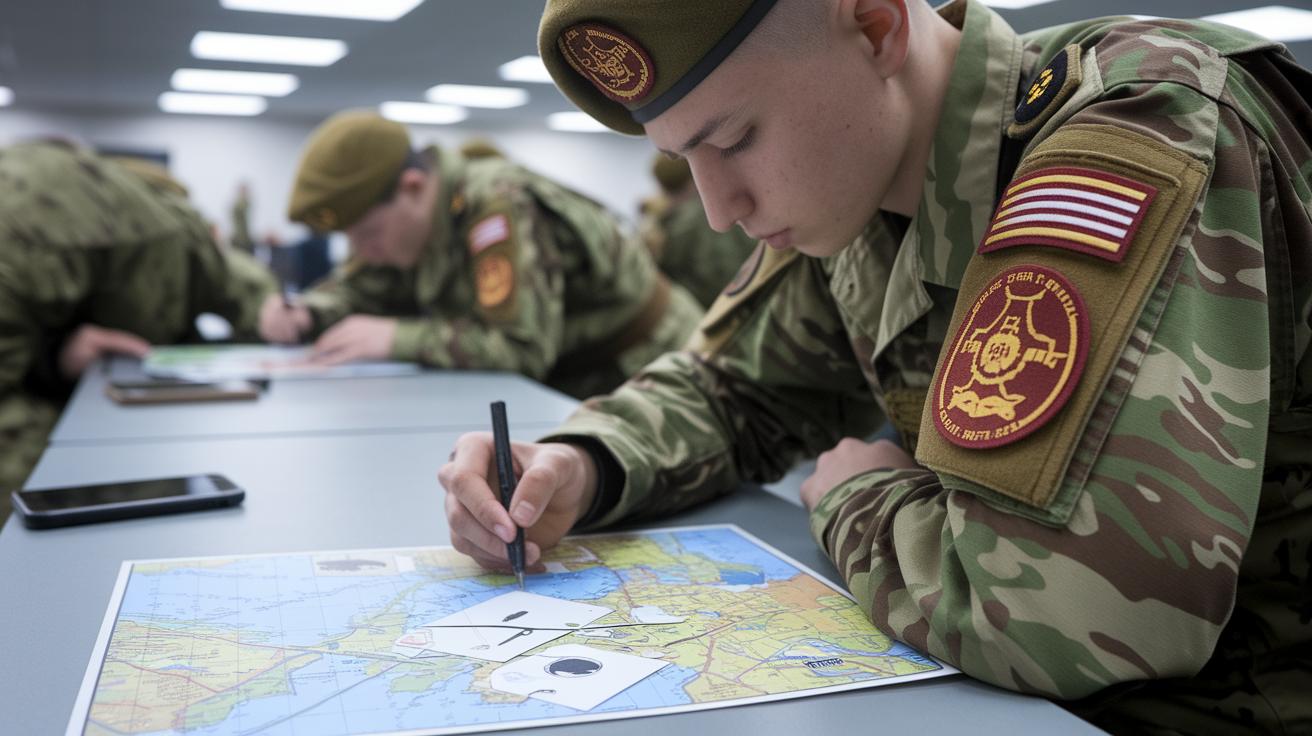
Think of these tests as quick missions that check how you use your mental skills in real life. Although we mentioned many of these skills before, this section explains each one in a bit more detail with tasks that feel like actual service situations.
Imagine facing small tactical challenges. For example, problem solving might have you plan a safe route during a simulated patrol, sort of like choosing the best path in a real mission.
- Problem-Solving: You need to think on your feet. Picture quickly deciding the safest way around an unexpected obstacle during a drill.
- Spatial Reasoning: This tests how you match shapes or figure out how objects fit together. Think of it as piecing together a broken part under a ticking clock.
- Verbal Reasoning: Here, you work with instructions that feel a lot like actual field orders. It’s like picking the right steps when communications go haywire.
- Numerical Reasoning: You tackle simple math problems that mirror planning supplies. Imagine adding and subtracting numbers to sort out a supply drop.
- Technical Aptitude: This measures how well you handle mechanical or tech details. It’s like explaining a basic circuit diagram when you’re quickly checking equipment.
- Processing Speed: This shows how fast you can take in and act on information. Think of it as handling a fast series of commands during a drill.
- Situational Judgment: You face realistic scenarios that test how you decide what to do first. Imagine choosing the best tactical option when things change in an instant.
Below is a simple table that ties these skills to parts of the ASVAB test:
| Cognitive Domain | Example Task |
|---|---|
| Problem-Solving | Quick route planning under pressure |
| Spatial Reasoning | Matching shapes in a timed exercise |
| Verbal Reasoning | Ordering field instructions |
| Numerical Reasoning | Quick math for logistics |
| Technical Aptitude | Explaining circuitry or mechanical diagrams |
| Processing Speed | Timed response exercises |
| Situational Judgment | Prioritizing actions in simulated operations |
These tests show where your tactical thinking really shines and give you a clear idea of how your mental skills match up with real-world challenges.
Formats and Methodologies for Military Cognitive Aptitude Tests

Military cognitive tests come in different styles to help figure out your natural skills. The most popular is the computer-adaptive CAT-ASVAB. This test changes the question difficulty based on your answers, kind of like a drill sergeant who adjusts his commands just for you. It takes about three hours and includes ten mini-tests. Think of it as a way to see how your brain performs under real service conditions.
Then you have the paper-and-pencil ASVAB. This one sticks to the same set of questions for everyone, so the challenge stays the same throughout. There's also the PiCAT, which you can take on your own without needing to visit a test center, and the AFQT Predictor Test (APT) that gives you a quick look at how you might do on the real test.
| Format | Description | Advantages | Limitations |
|---|---|---|---|
| CAT-ASVAB | A computer test that adjusts its difficulty based on your answers | Questions match your skill level; delivers results faster | Needs computer skills; questions vary for each person |
| Paper-and-Pencil ASVAB | A test on paper with a fixed set of questions | Uniform format; familiar to many candidates | No adaptive questions; same challenge for everyone |
| PiCAT | An exam you take without supervision outside testing centers | Flexible schedule; practice at your own pace | Needs extra verification; may have security issues |
| APT | A preview test that hints at your AFQT performance | Helps estimate eligibility; useful for practice | Not the official test; might not show test-day pressure |
Score Interpretation and Evaluation in Military Cognitive Aptitude Tests
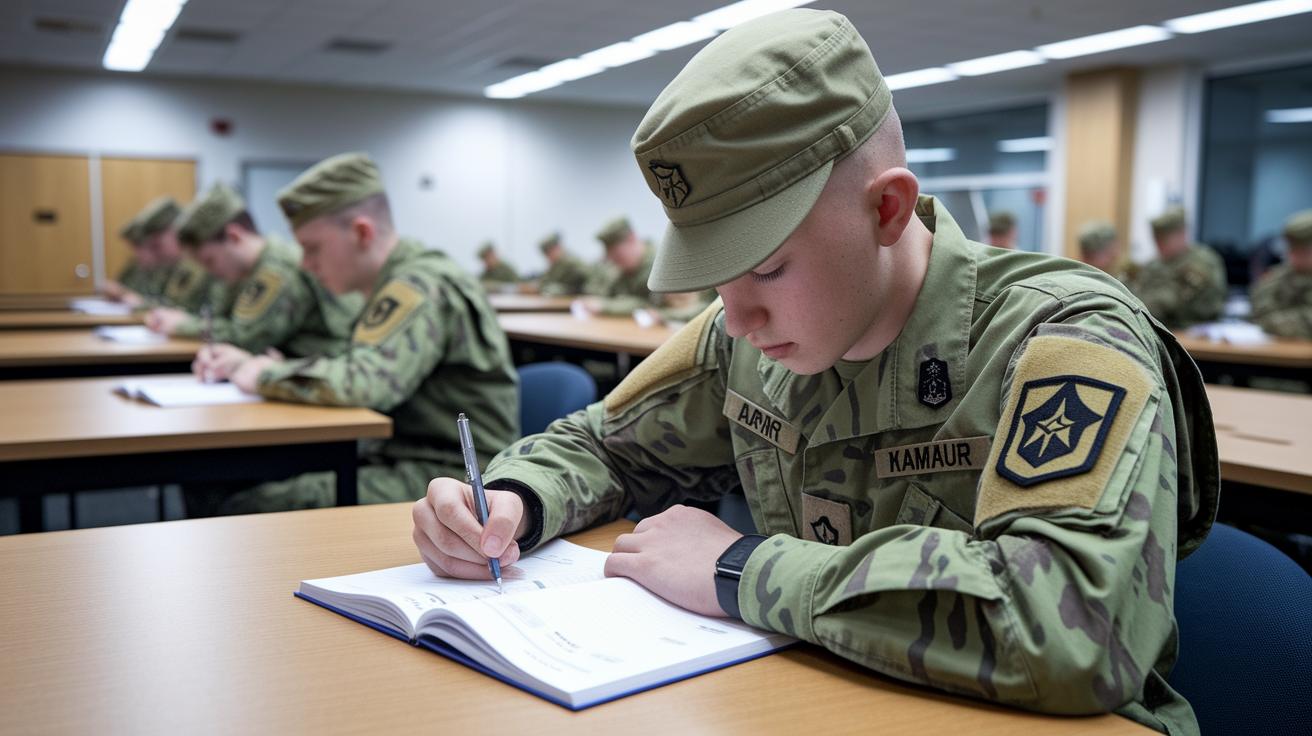
The AFQT score is a big deal for military examiners when they decide your job fit. It comes from four main tests: Arithmetic Reasoning, Mathematics Knowledge, Paragraph Comprehension, and Word Knowledge. Think of it like a quick snapshot showing how well you handle numbers and words when real-life tasks require fast decisions. For instance, picture figuring out supply loads in high-pressure situations, this score tells examiners you can manage those challenges.
The results are measured against a group of other recruits using percentile rankings. This means your score shows the percentage of people you did better than. Imagine this: if you hit the 75th percentile, you outperformed 75% of your peers. This norming process helps keep scores fair and steady across different test sessions.
Different military jobs have their own score requirements. Higher scores can open up more job opportunities and even point you toward other career paths. Here’s a quick look at what evaluators focus on:
| What They Check | Purpose |
|---|---|
| Percentile ranking | Shows how you compare with others |
| Role-specific score requirements | Matches you with the right duties |
| Norm-based interpretation | Keeps results consistent |
These checks help ensure each recruit is given tasks that suit their natural abilities, offering a true measure of how you perform under real test conditions.
Preparation Strategies for Understanding Military Cognitive Aptitude Tests

Getting to know the test setup and timing is a smart first step. When you know what's coming, it helps ease those nerves and makes you feel more confident. Picture yourself going over a study guide, with each section clearly laid out like a mission briefing before you step into the exam room.
Timed practice with sample ASVAB questions is crucial. Try setting a clock and work through verbal, math, and technical questions. For example, you might challenge yourself to solve 10 math problems in 10 minutes. This kind of practice gets you used to the pressure of working against the clock.
Using online practice tools can really help boost both your speed and accuracy. Many of these tools mimic the real test environment, giving you a hands-on feel for adaptive test formats. Imagine using a practice app that adjusts the difficulty based on your answers, sort of like having a digital drill sergeant on your side.
Consistency in your study habits is essential, just like training every day builds up your strength. Try to set aside a quiet time each day where you can focus solely on your practice. Here are a few key tips to help keep you on track:
- Review sample questions and time how long it takes you to answer them
- Rotate between verbal, math, and technical sections to keep a balanced approach
- Use digital practice tools to simulate real test conditions
- Practice relaxation techniques, like deep breathing, to keep stress in check
Stick with these strategies, and each study session will help build the skills and confidence you need to excel on your military cognitive aptitude test.
Emerging Trends in Military Cognitive Aptitude Testing
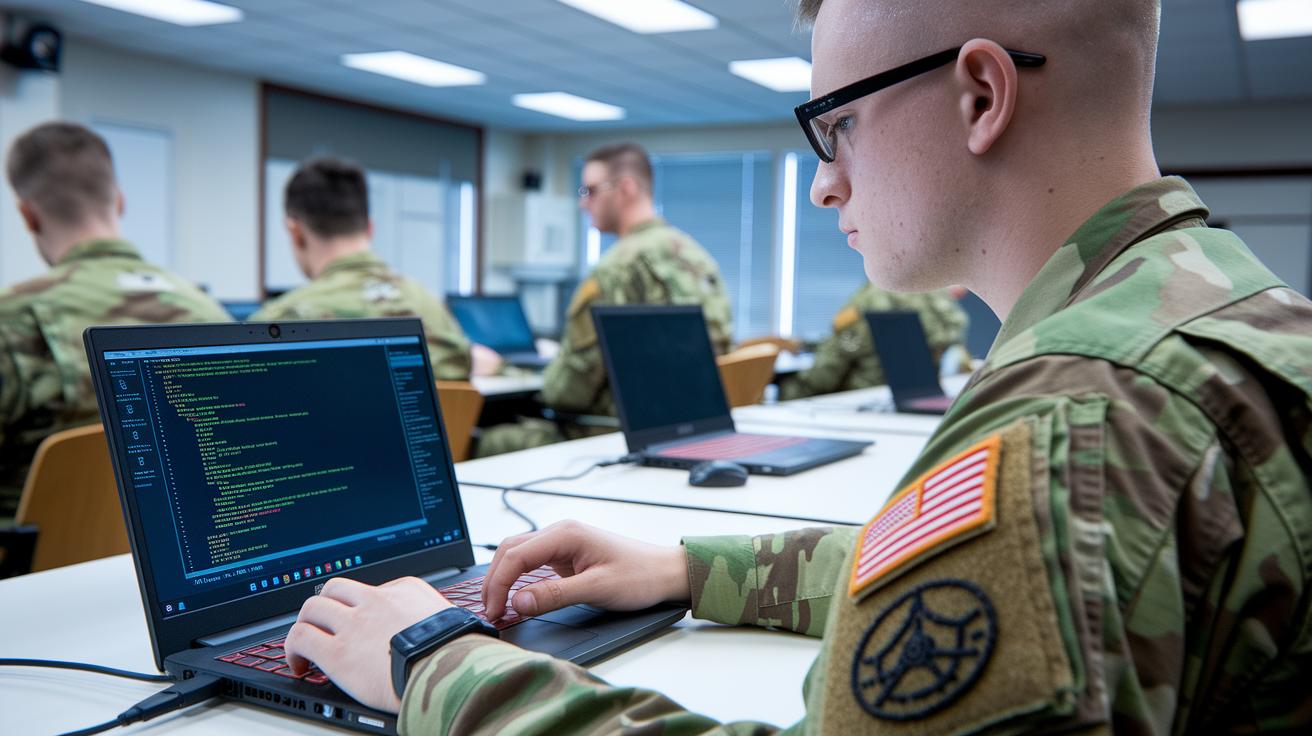
Today’s military smart tests are trying new things. They now check harder technical and cyber skills that go beyond simple math and word problems. Picture it this way: you might solve a math question and then tackle an easy coding puzzle, almost like finding a weak spot in a secure comm line.
Next up, cultural skills are coming into play. Service members could soon answer questions about different languages and cultures. It’s like training for a mission in a diverse world where clear talk can be lifesaving.
Digital simulations are also on the rise. Imagine a virtual drill that feels real, where every split-second decision counts. These drills use smart AI tools to change the challenge on the fly, making you feel like you’re truly in the field.
Finally, tests that check how you handle stress are gaining focus. These keep track of your quick thinking during a surprise drill, just like making rapid decisions in real life. All these changes show that military cognitive tests are evolving to fit the challenges of modern service.
Final Words
In the action, we covered how military cognitive aptitude tests check skills like problem-solving, spatial reasoning, and verbal abilities. We looked at the evolution, different formats, scoring details, and key preparation tips that boost both mental and physical performance.
Every section offered clear steps to get ready for the exams and build your confidence. Keep focusing on understanding military cognitive aptitude tests, and step forward with purpose and optimism as you get set for success.