
Ever thought a simple chart could change how you tackle the combat fitness test? This score chart shows every event, from the deadlift to the two-mile run, and spells out what you need to get at least 60 points in each.
It acts like a clear roadmap, helping you boost your performance and reach your fitness goals.
Curious how a few extra points can really lift your test results? Let’s break it down and get you moving toward your best performance yet.
Combat Fitness Test Score Chart: Boost Your Performance
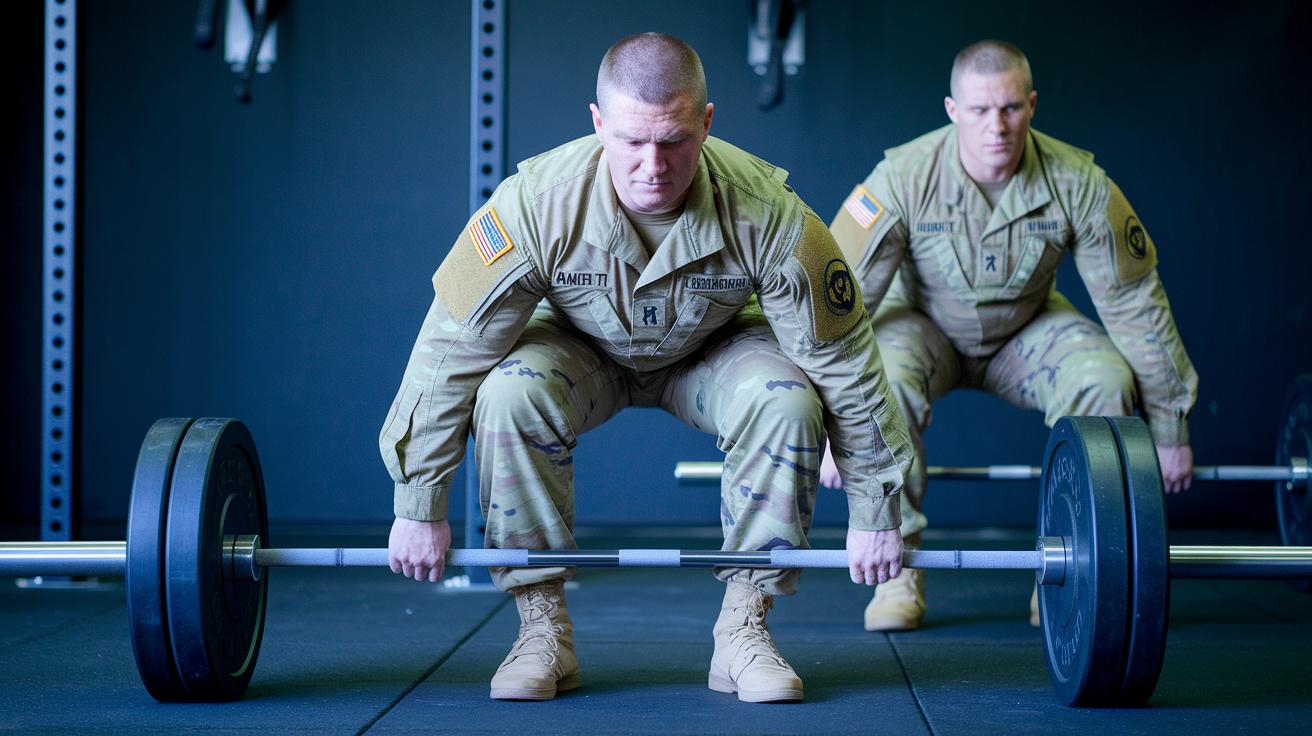
This handy chart breaks down how the Army Combat Fitness Test scores each event. You’ll see that every event, from the three-rep maximum deadlift, hand-release push-up, sprint-drag-carry, plank, to the two-mile run, requires a minimum score of 60 points to pass. The combat specialty standard uses an age-based system (it doesn't worry about gender) and sets a total score of 350 points as the pass mark. On the other hand, the general (combat-enabling) standard adjusts for both sex and age, needing at least 300 points overall. Both systems are built to make sure you’re in top shape for tough tasks.
Let’s take the deadlift for instance. You need to do three reps back-to-back at one weight. If you barely meet the weight, you get 60 points, but lifting more weight with good form boosts your score, kind of like moving up a level in your fitness challenge. Then there’s the hand-release push-up. Here, your chest must hit the ground, and your hands must lift completely from the floor between reps. Every event is all about nailing your technique and pushing for excellence.
Below is a simple table that lists each test event alongside its score range. Use it to check where you stand and pinpoint which event you might need to work on for that extra edge.
| Test Event | Score Range (Points) |
|---|---|
| Three-Repetition Maximum Deadlift | 60 – Maximum based on weight lifted |
| Hand-Release Push-Up | 60 – Maximum based on proper form & rep count |
| Sprint-Drag-Carry | 60 – Maximum based on speed & technique |
| Plank | 60 – Maximum based on hold duration |
| Two-Mile Run | 60 – Maximum based on completion time |
Both scoring systems count on you excelling in each drill to hit the total your role demands. Give it your all, and keep working on each part of your fitness mission!
Combat Fitness Test Component Scoring Details
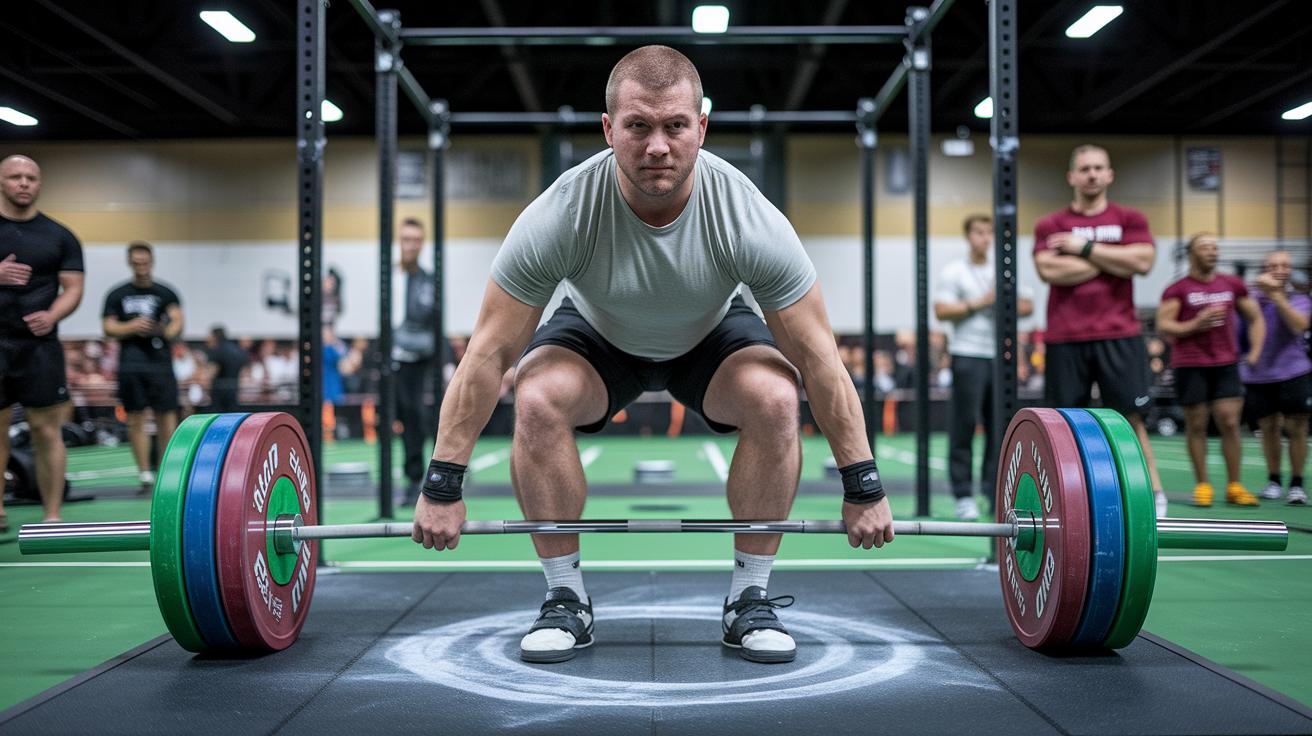
For the deadlift, focus on a steady upward pull and a controlled lowering during your three reps. Every extra pound you lift with good form can boost your score. Imagine stepping to the platform after a few timing drills, each movement builds your performance.
When it comes to hand-release push-ups, lower your chest until it almost touches the ground, then lift your hands off completely. Think of this as following a clear command during a field exercise. Each deliberate pause confirms you’re meeting the strict performance standard.
The sprint-drag-carry event has four stages, a quick 25 m sprint, a sled drag, a lateral shuffle, and a sandbag carry. Keep your transitions quick and smooth to sharpen your overall time. Picture shifting tactics mid-drill, moving seamlessly from one phase to the next as if changing gears during a mission.
During the plank event, maintain straight hip alignment as you hold the position. Every extra second you stay in perfect form adds to your endurance score, much like holding a solid formation while waiting for the next command.
For the two-mile run, your finish time is turned into points based on age and gender standards. Each second shaved off is like adding an extra training lap. Think of every faster second as proof of your hard work during practice.
Age- and Gender-Normed Combat Fitness Score Ranges
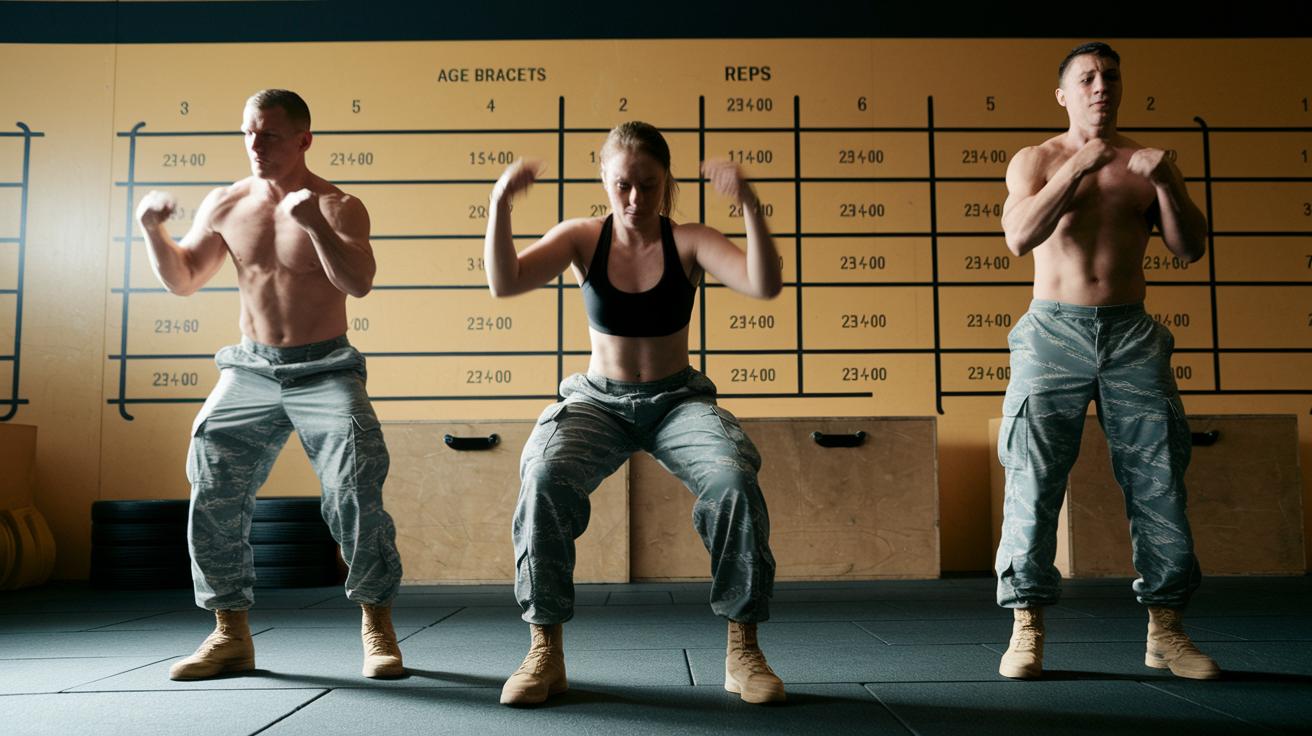
The ACFT scoring system changes how points are given based on a Soldier’s age and gender. For combat roles, the scores are adjusted only by age, using seven five-year brackets: 17-21, 22-26, 27-31, 32-36, 37-41, 42-46, and 47+. This means your results are compared only with others in your same age group. Think of it as matching your drill performance with your peers to keep things fair. Each drill must earn at least 60 points, so every rep you do really counts.
For combat-enabling roles, the scoring gets even more tailored as both age and gender are taken into account. This method creates a grid that shows how strength and endurance naturally differ among Soldiers. For example, if you’re in the 32-36 group, your performance is measured against your age mates, while gender differences are looked at in non-combat tasks. In both types, each event must score a minimum of 60 points. Overall, Soldiers need at least 350 points for combat roles and 300 for combat-enabling duties. Think of this as your personal fitness roadmap, it shows where you stand and what you can work on with focused training. Every drill gives you clear feedback to help sharpen your skills and boost your readiness in the field.
Combat vs Combat-Enabling Fitness Standards Comparison
Both combat and combat-support roles have clear standards. For combat roles, soldiers need to score 350 points using age-based marks that ignore gender differences. For combat-support positions, the minimum is 300 points, but the scoring adjusts for both age and gender. In every event, a minimum of 60 points is required.
| Role | Overall Points | Norming Method | Timeline |
|---|---|---|---|
| Combat | 350 | Age-normed (sex-neutral) | Active: Jan 1, 2026 / Reserve: Jun 1, 2026 |
| Combat-Enabling | 300 | Age- and sex-normed | Jun 1, 2025 |
Imagine a soldier sharing, "Before a drill, I focused on strengthening each event one by one, and it hit me, every single point really counts."
Tracking and Improving Combat Fitness Test Scores

When you use the ACFT Calculator, it’s like having a friendly drill sergeant right there with you. Just enter your event scores and you’ll instantly see your total score. This tool makes it easy to spot where you’re doing well and where you might need a little extra work. For instance, you might finish the plank event and realize that a few more seconds could really boost your score.
Keeping an eye on your progress using the five-event chart lets you see how far you’ve come. Imagine noticing your deadlift score isn’t as high as the others. That’s your cue to focus your workouts on building core power and explosive strength. It’s just like breaking a mission into clear, manageable steps: first, work on your form; then, adjust your technique; and finally, time each movement carefully.
| Test Event | Training Focus |
|---|---|
| Deadlift | Explosive power and proper form |
| Hand-Release Push-Up | Upper body strength and full extension |
| Sprint-Drag-Carry | Speed drills and transition techniques |
| Plank | Core strength and stability (soldier core workout) |
| Two-Mile Run | Endurance and pace control |
Follow these focused tips to boost your event scores and keep refining your overall performance.
Final Words
In the action, this guide broke down the ACFT standards with clear steps. We reviewed how each event works, the points needed per phase, and how age and gender shape our performance. The walkthrough showed how to track progress and improve fitness using tools like the combat fitness test score chart. Every detail is meant to help refine your training and boost your readiness. Stay focused on each drill and keep building that confidence for a more prepared military future.
FAQ
What do the updated Army Combat Fitness Test score charts (pdf, 2021, 2022, ACFT, AFT) show?
The updated score charts display event benchmarks for deadlift, push-ups, sprint-drag-carry, plank, and two-mile run. They list performance ranges and minimum overall thresholds for both combat and combat-enabling roles.
What is a good score on the Army Combat Fitness Test?
A good score means meeting or exceeding the minimum of 60 points per event and overall totals of 350 for combat roles or 300 for combat-enabling roles, reflecting solid performance in each required task.
What is a perfect score on the Combat Fitness Test?
A perfect score represents near-maximum event points across all five tasks, indicating exceptional strength, endurance, and speed that far exceed the basic passing benchmarks required.
What is a failing Combat Fitness Test score?
A failing score occurs when a Soldier earns less than 60 points in one or more events or falls below the overall minimum requirement, signaling the need for targeted improvement in those areas.
What is considered a passing Physical Fitness Test (PFT) score?
A passing PFT score means achieving the required minimum points in all events, much like the ACFT standards, where each test task is met and the overall score meets the mandated threshold for the Soldier’s role.
super kamagra
super kamagra
antibiotics for uti
antibiotics for uti
cytotec pills
cytotec pills
doxycycline hyclate 100mg for dogs
doxycycline hyclate 100mg for dogs
tadalafil 2.5mg reddit
tadalafil 2.5mg reddit
cenforce 100 amazon
cenforce 100 amazon
cyclosporine syrup veterinary
cyclosporine syrup veterinary
orlistat anti obesity
orlistat anti obesity
tadalafil hersteller unterschiede
tadalafil hersteller unterschiede
loperamide vs lomotil
loperamide vs lomotil
semaglutida 7 mg sirve para bajar de peso
semaglutida 7 mg sirve para bajar de peso
finnes semaglutid i mat
finnes semaglutid i mat
propecia 1mg review
propecia 1mg review
acyclovir ointment uses
acyclovir ointment uses
ketoconazole for skin health
ketoconazole for skin health
acular ketorolac clinical info
acular ketorolac clinical info
minoxidil men’s absorption overview
minoxidil men’s absorption overview
sildenafil with meals
sildenafil with meals
avanafil contraindication medical notes
avanafil contraindication medical notes
avanafil mechanism description
avanafil mechanism description
who should not take vardenafil
who should not take vardenafil
orlistat exclusion criteria
orlistat exclusion criteria
amoxicillin clinical guide
amoxicillin clinical guide
Brand vs Generic Quality Assurance
Brand vs Generic Quality Assurance