
Ever wonder if you're really set for the field? The Air Force Combat Fitness Test goes beyond your usual workout routine. It proves the real strength needed for active duty. Years of smart training upgrades have built this test to keep airmen sharp and ready for any mission. Each part of the test is designed to boost skills you will use in real combat situations. This isn't just another drill. It is a mission that challenges your limits and shows you're prepared for what comes next.
Air Force Combat Fitness Test: Boost Your Performance
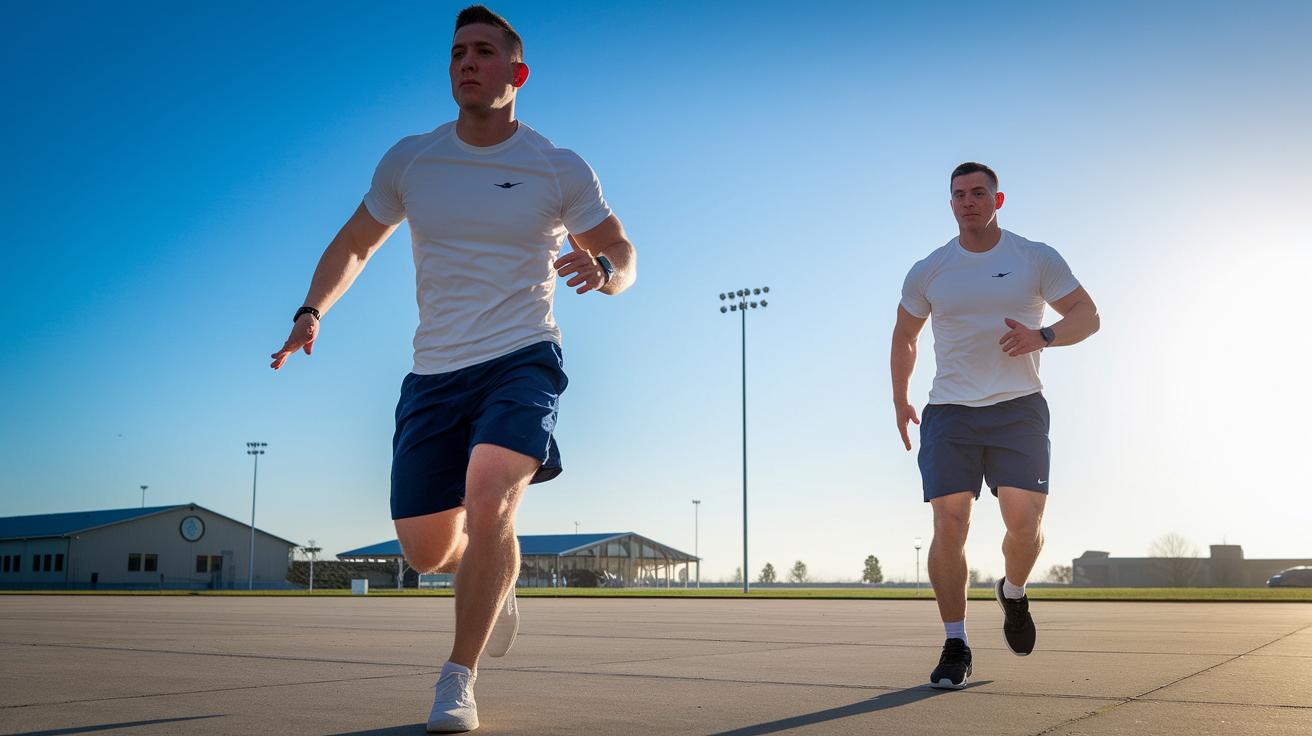
The Air Force Combat Fitness Test checks the physical skills you need in real combat. It was built using guidance from Defense Secretary Pete Hegseth and a multi-level fitness system that improves readiness for all airmen. You might have seen a memo online about a new test, but that turned out to be false. The current system comes from years of hard work and updates that match both selection needs and the realities of active duty.
Recent changes from September 24 have mixed up the pace and options for some events. For example, airmen can now choose a different exercise during the cardiorespiratory part of the test. But one thing stays the same: every airman is required to complete a 2-mile run at least once a year. Think of it like a regular checkpoint in your training, steady and reliable.
There’s also the Tactical Fitness Test meant for battlefield airmen. Instead of just counting reps or times, it measures real strength and endurance through practical tasks. Picture this: “Gear up, stand ready, and push your limits like you’re on a mission.” It’s a way to remind everyone to stay sharp and ready for whatever comes next.
Air Force Combat Fitness Test Event Breakdown
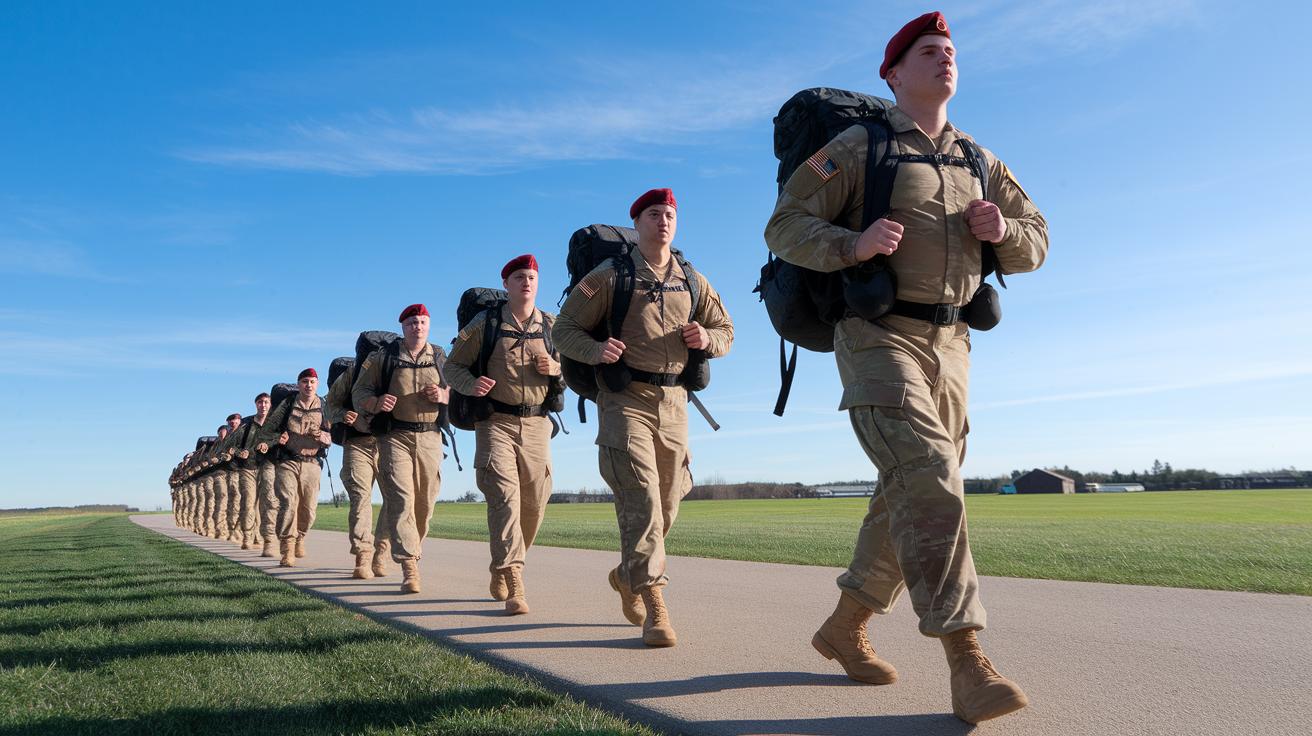
The Tier 2 Operational Fitness Test is split into eight specific events. Each one checks a different part of your physical ability. Picture it as a series of small missions, each one like a mini combat drill that tests your limits.
Below is a simple table that shows each event, what you need to do, and the standard you must meet:
| Event | Description | Standard |
|---|---|---|
| 3-Mile Ruck March | March carrying a loaded ruck pack on a flat path. | Finish within the set time limit. |
| Standing Long Jump | Jump forward, keeping your toes just behind the line. | Cover a required distance to show your power. |
| Pro Agility Run | Sprint side-to-side in two directions to test your speed and mobility. | Complete both runs quickly and accurately. |
| Trap Bar Deadlift | Lift a hex-bar with a mid-shin grip for three lifts. | Lift the heaviest weight possible with good form over three reps. |
| Pull-Ups | Do pull-ups starting from a complete hang until your chin clears the bar. | A good count of proper repetitions. |
| Farmer’s Carry | Carry heavy weights over 100 yards (or 50 yards with a turnaround point). | Cover the distance steadily and under control. |
| 300-Yard Shuttle Run | Run back and forth for 300 yards with a 5-minute rest between two runs. | The average time of both runs shows your performance. |
| 1500-Meter Fin Swim | Swim using allowed strokes like the side stroke, with permitted push-offs. | Finish the swim within the set time. |
Every event on this checklist is built to test a key part of combat readiness. Imagine going through each stage as if you were on a real mission drill. Your performance here shows how well you can handle military fitness tests. Use this guide to plan your training, get ready for the challenge, and push yourself to the limit.
Scoring and Requirements for the Air Force Combat Fitness Test

Passing the Tier 2 test means you need a total of 77 points. Every part of the test earns you points based on how well you do. Your raw effort is turned into points using a formula that adjusts for your age and gender (this means the score is fair for everyone).
Each event, like the 3-mile ruck march or the 1500-meter fin swim, adds to your total score. The score chart tells you the performance you need for each event. For example, how many pull-ups you complete or how fast you finish the shuttle run directly gives you a point value based on age and gender standards.
If you pick an approved alternative exercise for the cardiorespiratory part, the same formulas and point scales still apply. This ensures that no matter which approved activity you do, the system stays fair and consistent.
After every event, your points are added together. This running total shows if you pass with 77 points or more. It takes careful planning and steady effort, much like following clear orders on the field. Remember, these scoring rules are designed to fairly recognize every airman’s strengths and guide your training efforts.
Training Strategies for the Air Force Combat Fitness Test

Build up your strength and stamina to meet the test challenges. Start by working on your weighted-march endurance. Think of it as slowly adding weight to your pack. Begin with light loads and keep pushing the distance a bit more every week until you comfortably carry the full weight.
Explosive power is important for jumps and quick moves. Spend time on explosive drills like plyometric jumps and fast lateral steps. This type of training readies your muscles for the speed needed on test day.
Strength matters too. Focus on heavy lifts like trap bar deadlifts and the farmer’s carry. Use structured resistance training (a plan with set cycles of heavier lifting and rest) to gradually boost your lifting power and improve your form. Mix days of heavy, low-repetition training with sessions that use lighter weights and more reps to build muscle endurance.
Muscular endurance is key for pull-ups and shuttle runs. Try circuits that involve sets of pull-ups with short rests to mimic the feel of the actual test. And for the shuttle run, practice interval training with breaks that match the test’s rest period. This helps you get used to the bursts of speed followed by short rests.
Don’t skip aquatic training. Regular swim sessions will not only boost your cardiovascular fitness but also help refine your stroke for the 1500-meter fin swim. If you want to work on core strength, consider specific soldier core workouts, and for overall conditioning, check out high-intensity routines like the soldier HIIT workout plan.
Finally, blend functional movement exercises with aerobic conditioning to round out your training. Here’s a thought: even a small tweak in your routine can make a big difference, much like upgrading your gear boosts your mission readiness. This balanced approach ensures you’re ready for every event on test day.
Official Updates and Alternative Cardio Options for the Air Force Combat Fitness Test
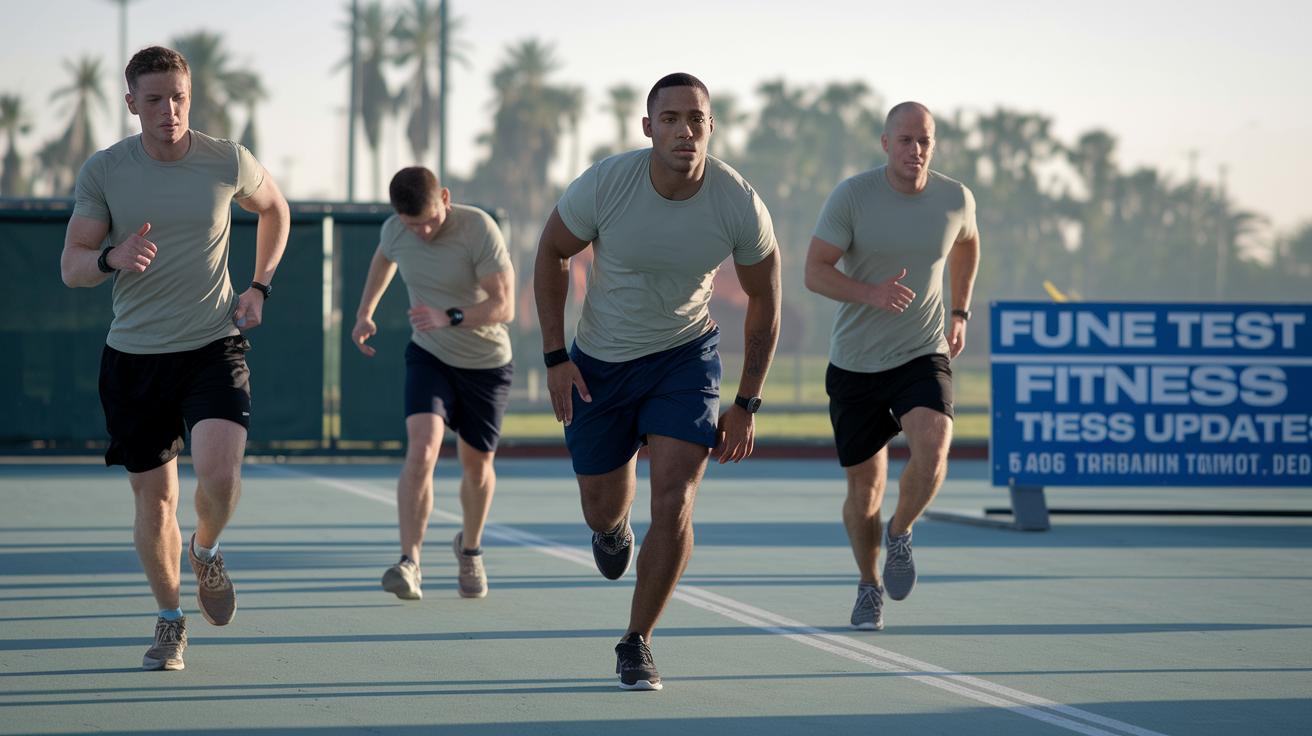
On September 24, the Air Force rolled out new changes to its physical training tests. Now, airmen can choose an alternative exercise for the cardio part while still completing the annual two-mile run. These updates include easy-to-follow steps that track heart rate and effort during drills, so you can see exactly how well you're performing.
Officials want to be clear: these changes are official, not just rumors floating around online. They serve as a solid guide for modifying test events while keeping our high standards intact. This new plan makes the fitness assessments smoother and ensures that everyone meets the tough military benchmarks.
Moving forward, airmen will receive detailed protocols with clear performance goals and innovative evaluation methods. These updates are designed to boost combat readiness and help you track your progress with greater confidence.
Final Words
In the action of preparing for the air force combat fitness test, we broke down the events, scoring systems, and official updates. We explained training tips to build your strength and endurance. Our guide helped you understand each part of the test while showing clear tactics to get ready. Every detail is here to boost your readiness and solidify your confidence. Keep working hard and stay motivated during every practice session. Success is closer with each drill.
FAQ
What does the new Air Force PT test scoring chart show?
The new Air Force PT test scoring chart shows how raw performance converts into points, with adjustments for age and gender, ensuring each service member’s fitness is fairly evaluated.
What is the Air Force combat readiness test?
The Air Force combat readiness test measures a service member’s overall fitness through clear performance standards. It evaluates various physical tasks that maintain readiness for demanding operational duties.
What is the Air Force Operator Fitness Test?
The Air Force Operator Fitness Test reviews physical performance through targeted events meant for roles that require operational precision. It makes sure each candidate meets the tough standards needed on duty.
What does the Air Force Initial Fitness Test in Special Warfare involve?
The Air Force Initial Fitness Test for Special Warfare covers rigorous physical challenges to check strength, agility, and endurance. This helps ensure candidates are prepared for the demands of special operations.
Where can I find the new Air Force PT test scoring chart PDF?
The new Air Force PT test scoring chart PDF is available through official Air Force sources. It provides detailed points conversions and benchmarks to help you track your performance confidently.
What are the Air Force Special Warfare physical requirements?
The Air Force Special Warfare physical requirements include demanding strength, endurance, and agility standards that help ensure only the most fit candidates meet the criteria for specialized roles.
What is involved in the Air Force Tier 2 PT test for EOD?
The Air Force Tier 2 PT test for EOD includes multiple challenging events designed to assess strength, endurance, and overall operational fitness, preparing personnel for the physical demands of explosive ordnance disposal.
What’s new in the Air Force PT test scoring chart for 2026?
The Air Force PT test scoring chart for 2026 brings updated benchmarks and revised scoring adjustments that reflect current operational standards and fair evaluation methods for all service members.
Is the Air Force still requiring a 2-mile run?
The Air Force still requires a 2-mile run once a year, even though an alternative cardiorespiratory exercise option is available. This ensures a consistent measure of running endurance across the board.
Does the Air Force conduct a fitness test?
The Air Force conducts a comprehensive fitness test that evaluates physical readiness through various events, ensuring all service members meet the performance standards necessary for active duty.
What is the required pace for a 1.5-mile run in the Air Force?
The Air Force fitness assessment does not include a 1.5-mile run; instead, it typically uses a 2-mile run where performance is measured by time and consistency against established standards.
What ASVAB score is needed for Air Force CCT?
The ASVAB score for Air Force CCT depends on multiple factors and is set by official recruiting guidelines. It’s best to review the latest criteria from your local recruiter for the most accurate score requirements.
mirtazapine 15 mg price
mirtazapine 15 mg price
macrobid generic for uti
macrobid generic for uti
diflucan pill
diflucan pill
viagra india pharmacy
viagra india pharmacy
orlistat
orlistat
tadalafil benefits reddit
tadalafil benefits reddit
cenforce 150mg side effects
cenforce 150mg side effects
vidalista 60mg tadalafil tabletten
vidalista 60mg tadalafil tabletten
dapoxetine online india
dapoxetine online india
sémaglutide oral acheter en ligne
sémaglutide oral acheter en ligne
minoxidil reddit hairline
minoxidil reddit hairline
40mg cialis reddit
40mg cialis reddit
minoxidil pregnancy husband
minoxidil pregnancy husband
bupropion hcl 150mg reddit
bupropion hcl 150mg reddit
terbinafine essential information
terbinafine essential information
toradol pharmacology
toradol pharmacology
ivermectin scientific summary
ivermectin scientific summary
ivermectin research FAQ
ivermectin research FAQ
amoxicillin interaction insights
amoxicillin interaction insights
read more about sildenafil
read more about sildenafil