
Have you ever felt the pressure as time ticks away? It might seem odd, but slowing down your pace can actually help your test score. When you don’t rush, you can think more clearly and cut down on mistakes. Many recruits have found that breaking a test into smaller sections saves both time and energy. Here, we share two practical pacing strategies that can turn a steady approach into an edge on your military tests.
Actionable Efficient Pacing Strategies for Military Test Sections
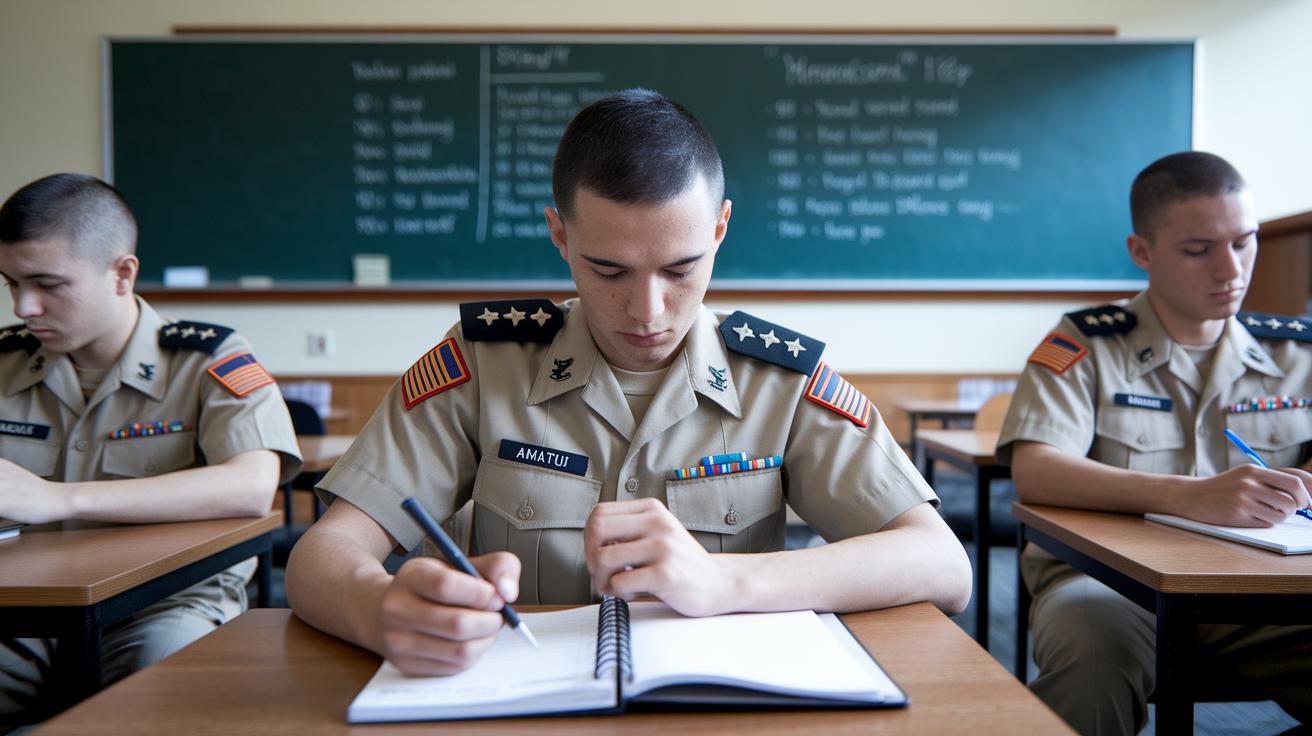
Did you know that many recruits struggled with pacing at first, only to discover that a steady pace beats quick bursts every time? It’s true, slow and steady can lead to big improvements.
Take the ASVAB, for example. You’ve got 200 questions to answer in 180 minutes. Instead of trying to race through everything, break the test into chunks. Aim for roughly 0.9 minutes per question. Use a timer, and if you find one question is taking too long, mark it quickly and move on so you can come back later. This method helps you keep a balanced pace across the whole exam.
Now, for physical tests, here’s a friendly tip for each section:
- Run tests: Start at a pace slower than a 5-minute mile. Settle into a steady lap pace of about 7 minutes so you don’t lose steam at the end.
- Swim tests: Divide your effort into 50-yard intervals. Try to complete each in about 50 to 54 seconds. That’s like keeping an 8:20 to 9:00 pace per zone.
- Sit-ups: In a 2-minute sit-up test, use the first 30 seconds as a warm-up. This way, you save energy for consistent work throughout.
With these steps, you stay focused under pressure and boost your performance. Regular practice with a timer builds consistency, making it easier to hit your military standards every time.
Pre-Test Planning and Time Allocation for Military Test Sections

When you’re gearing up for your test, start by splitting the ASVAB’s 180 minutes into parts that match each section’s need. For example, Arithmetic Reasoning has about 39 questions in 36 minutes so you get almost a minute per question. But with Word Knowledge, you have 35 questions in just 11 minutes, which means you’re really working in fast, quick bursts.
Plan your approach like you’d plan a mission. Map out the order of sections and build in a few short pauses. Tackle the tougher parts, like Arithmetic Reasoning, when you’re at your sharpest. It’s like aligning your peak performance with the hardest tasks. And don’t forget a built-in 5-minute review break. Just as soldiers check maps before an operation, this pause gives you time to fix any loose ends before you move on.
Try to hit the sections with tight time limits first and then ease into a review phase to catch your breath. Keep a log of your practice sessions to notice if your pace drifts anywhere. Use a test plan from military aptitude tests (a guide that helps structure your strategy) as your blueprint. Here’s a quick checklist:
| Task | Action |
|---|---|
| List Out Sections | Estimate the time for each one |
| Spot Review Areas | Plan recovery breaks |
Stick with this plan. With practice, you’ll boost both your speed and accuracy when you’re under pressure.
Efficient Pacing Strategies for Cognitive Test Sections

Keep a steady pace by aiming to spend about 0.9 minutes on each question. The CAT-ASVAB (a computerized test that adjusts the number of questions based on how you’re doing) tailors the test to your performance, so getting your timing right from the start is crucial. Before test day, try the 20-question Armed Forces Pretest as a practice drill, kind of like a quick field exercise, to set your pace.
Read each question fast, then scan for the key details. For example, with a multiple-choice question, spend around 15 seconds to knock off two choices that clearly don’t fit. (I remember a sample question where I quickly ruled out two options because they clashed with the details provided.)
If a question isn’t clear, flag it with a quick mark or note. This lets you focus on the questions you can answer right away and save the tougher ones for later. I used to mark tricky questions so I’d come back to them after clearing the obvious ones. This flagging tactic not only saves time but also boosts your confidence.
Stick with these adaptive timing methods during the exam so you finish every section on time. For more details on elimination techniques and flagging strategies, check out effective military test strategies.
Physical Test Section Pacing Strategies for Military Test Sections

Keep your pace steady in every physical event. When you’re running, use the first 30 seconds to warm up instead of jumping into a fast pace. Stick with steady 7-minute laps instead of pushing for a 5-minute mile right off the bat. For example, I started with a slow build, warming up for 30 seconds before settling into my set 7-minute pace, much like easing into a long march.
When you hit the swim tests, every 25 yards take a moment for a short recovery stroke. This helps you catch your breath and keep your rhythm steady in the water. I’d say it’s like hitting a reset button that keeps you focused for the next stretch.
For 2-minute sit-up tests, use the first 30 seconds as your warm-up. This brief pause lets you settle into a comfortable rhythm while saving your energy for the full test.
With pull-ups and push-ups, keep things controlled. Don’t rush through your reps; instead, work at a measured pace with short breaks between each one. I remember keeping my pace steady, almost like following a well-rehearsed drill, to make sure each movement was controlled and effective.
Practice these strategies during training by timing your laps and sets. This way, you build a feel for a consistent pace and find the rhythm that works best for you.
Simulation Drills for Efficient Pacing Strategies in Military Test Sections

Simulation drills mix your mental and physical workouts by creating a test-like atmosphere. Run full-length, timed ASVAB practice tests that replicate actual exam timing. This builds a kind of muscle memory for making quick decisions under pressure. For instance, think about Jack. Before his exam, he practiced the entire test with a strict timer, feeling every second pass just like the real event.
Next, use the Seasonal Tactical Fitness Periodization System for your physical training. Alternate heavy bodyweight exercises with interval runs in 4×4-week cycles. This routine creates a steady rhythm of hard work and recovery, so your body is as sharp as your mind. Picture a day when you switch from strength drills to sprinting, much like carrying out a series of tasks in a field operation.
| Simulation Drill Type | Key Benefit |
|---|---|
| Full-Length Timed Tests | Creates test-day conditions to boost confidence |
| 4×4-Week Microcycles | Mixes different workouts to build endurance |
- Run complete, timed practice sessions
- Mix interval training with calisthenics and sprints
- Follow 4×4-week cycles for steady improvement
These drills help you get used to real test pressure and adjust your speed as needed.
Adaptive Pacing Protocols and Post-Test Review for Military Test Sections

After each practice session, write down how long you take on every section. This habit shows you which parts slow you down and which ones you breeze through. For instance, if you spend extra time on a few questions, note the details so you can try trimming five minutes off those areas next time, freeing up more time for the tougher parts.
Make it a routine to record your time right after every run-through. This simple step helps you spot slow segments and lets you adjust your practice accordingly. Looking at your data, set new timing goals and if one segment consistently runs over time, plan a little backup time for it during the test.
Every couple of weeks, take a moment to review your logs. See what the numbers reveal and tweak your pacing strategy based on that feedback. This regular check-in makes it easier to estimate how long each question or physical task should take.
Using these interval adjustments and review methods helps you continuously sharpen your test plan, shifting your focus where it's needed most while keeping a reliable reserve time for any surprises.
Final Words
In the action, we broke down time control, test blueprints, and steady physical rhythms. We mapped out pre-test planning, drilled realistic simulations, and pinpointed moments for quick reviews.
Every step offers clear tactics to boost your test readiness. Use these practical techniques to build confidence and create a smooth exam experience.
Keep pushing forward and stay ready for challenges with efficient pacing strategies for military test sections.
FAQ
Efficient pacing strategies for military test sections reddit
The efficient pacing strategies for military test sections, as seen on Reddit, involve breaking down your exam time, practicing under test conditions, and keeping a steady rhythm in both written and physical events to optimize your overall performance.
How does practicing proper form affect your test performance?
The practicing proper form affects your test performance by improving efficiency and reducing wasted energy. Correct technique in both cognitive questions and physical drills helps you maintain accuracy and endurance during exams.
What are the military running test pace requirements and how can you pass the test?
The military running test pace requirements demand a consistent, controlled effort—often about a 7-minute per mile pace for a 1.5-mile run. Training to maintain steady splits and conserve energy is key to passing the test.
What is an ASVAB practice test?
The ASVAB practice test simulates the real exam environment, letting you experience the pacing and question types. It helps you build confidence, manage test time, and improve overall performance by identifying areas needing extra review.
What are some ASVAB tips for success?
The ASVAB tips for success include budgeting your time per question, flagging uncertain answers for review, and practicing multiple sections to develop a steady pace. These strategies help you approach the test more confidently.
Can you use notes on the ASVAB?
The ASVAB does not permit notes, so you must rely on your study skills and memory during the exam. Practicing without reference materials helps prepare you for the actual test conditions.
How do you train for the military physical test?
Training for the military physical test involves a mix of interval running, swim drills, and strength work with proper form. Incorporate pacing techniques into your exercises to build endurance and prepare you to perform at your best on test day.