
Ever wonder what makes military mental tests different from physical ones? Mental tests check your planning, problem-solving, and technical skills (basically how you handle tough problems), while physical tests look at your strength, endurance, and agility, like seeing if you can keep up during a fast-paced drill.
These exams work hand in hand to build a well-rounded soldier. Every recruit needs to show they’re ready in both mind and body, like sturdy gears in a well-oiled machine.
In this chat, we break down how each test shapes a soldier’s future. Think of it as preparing for a mission: you need both strategy and physical readiness. Let’s take a closer look at what makes each test unique.
Military Comparison of Aptitude Tests vs Physical Fitness Exams
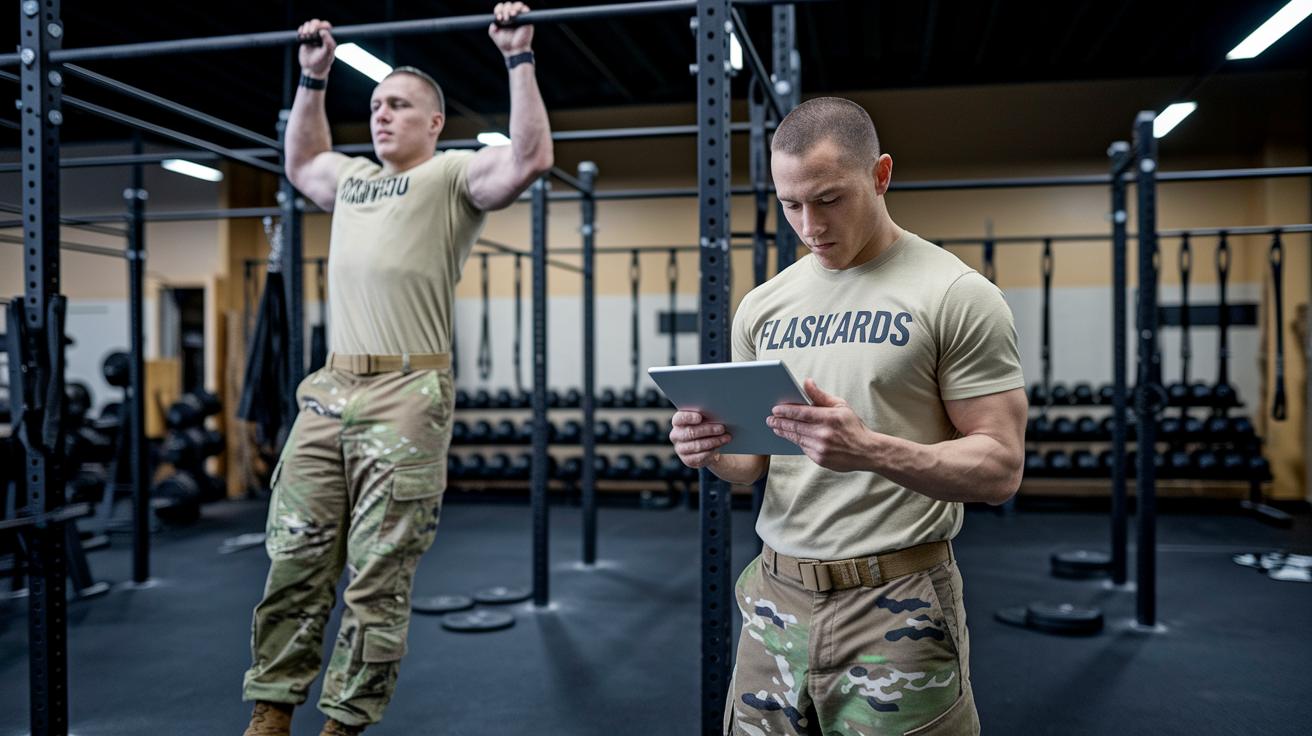
Aptitude tests check your mind's abilities, like strategic thinking, resilience, and tech skills (basically, how well you plan and solve problems). The ASVAB, for example, is a series of ten short tests taken over three hours that look at different skill sets. Interested in the details? You can learn more about what the ASVAB involves by checking out our page.
On the other side, physical tests measure how your body performs. The FAT test pushes your limits with a 1-rep max deadlift (your heaviest single lift), as many pull-ups as you can manage, and a challenging 5-mile run. Picture a recruit giving it their all, sweat and determination mixing together, a true test of strength and endurance, much like scoring an unexpected win when the odds are against you.
Here’s a quick look at the main differences:
| What They Test | How They Work |
|---|---|
| Mental abilities | Aptitude tests use multiple mini-tests over hours |
| Physical performance | Physical tests use direct measures like weights, pull-ups, and run times |
| Role placement | Mental tests help assign technical roles, while physical ones check combat readiness |
In short, mental exams focus on cognitive potential, while physical tests show what your body can really do under pressure. For more on these demanding physical challenges, visit our military fitness test page.
Purpose and Structure of Military Aptitude Tests

Military aptitude tests help us see if a recruit can tackle technical tasks, think on their feet, and make quick decisions when the pressure is on. One common example is the ASVAB, developed by the Department of Defense, which you might take at locations like MEPS or MET. It’s a computer-based test that lets you work at your own pace and comes in three different versions to suit different needs. Think about it like this: you might have to solve arithmetic problems quickly, similar to making split-second decisions in the field.
This test isn’t just about reading questions and ticking boxes, it’s designed to show how well you’ll handle challenging, technical roles even if you haven’t done them before. Newer versions now cover language skills, cyber abilities, and even cultural understanding (which means how well you get along in different team environments). Your scores help match your strengths with the right roles in the military, guiding you to positions where your abilities will shine.
There’s also a one-month waiting period before you can retake the test, giving you time to brush up and come back stronger. Plus, with sample questions and tools for exploring different careers, the test acts like a friendly briefing, building your confidence and helping you get ready for your future role.
Anatomy of Military Physical Fitness Examinations
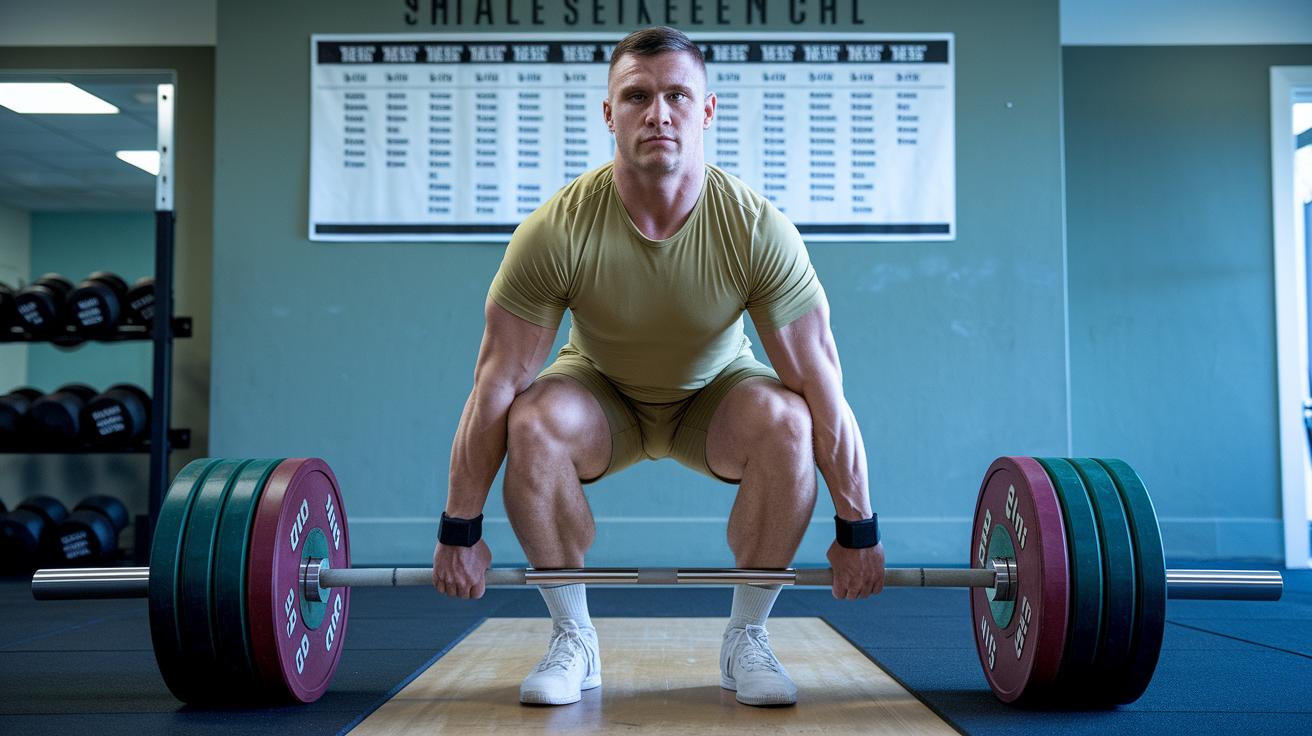
The military physical fitness exam, or FAT, checks if your body can handle tough tasks. One event is the 1RM deadlift, which tests your maximum strength by finding the heaviest weight you can lift one time. Think of that great moment when your training all comes together in one powerful lift, just like the satisfaction after a long drill.
The AMRAP pull-ups event counts the pull-ups you do without stopping. It shows how strong and steady your muscles are when handling your own weight. Then there's the 5-mile run, which measures your aerobic capacity (how well your heart and lungs work) by seeing if you can keep a steady pace over a long stretch.
| Event | What It Measures | Why It Matters |
|---|---|---|
| 1RM Deadlift | Maximum Strength | Shows your peak power with one heavy lift |
| AMRAP Pull-ups | Strength-Endurance | Reveals how well your muscles handle your bodyweight |
| 5-mile Run | Aerobic Capacity | Checks how steady you keep your pace over a long distance |
Historical Evolution of Military Testing Protocols
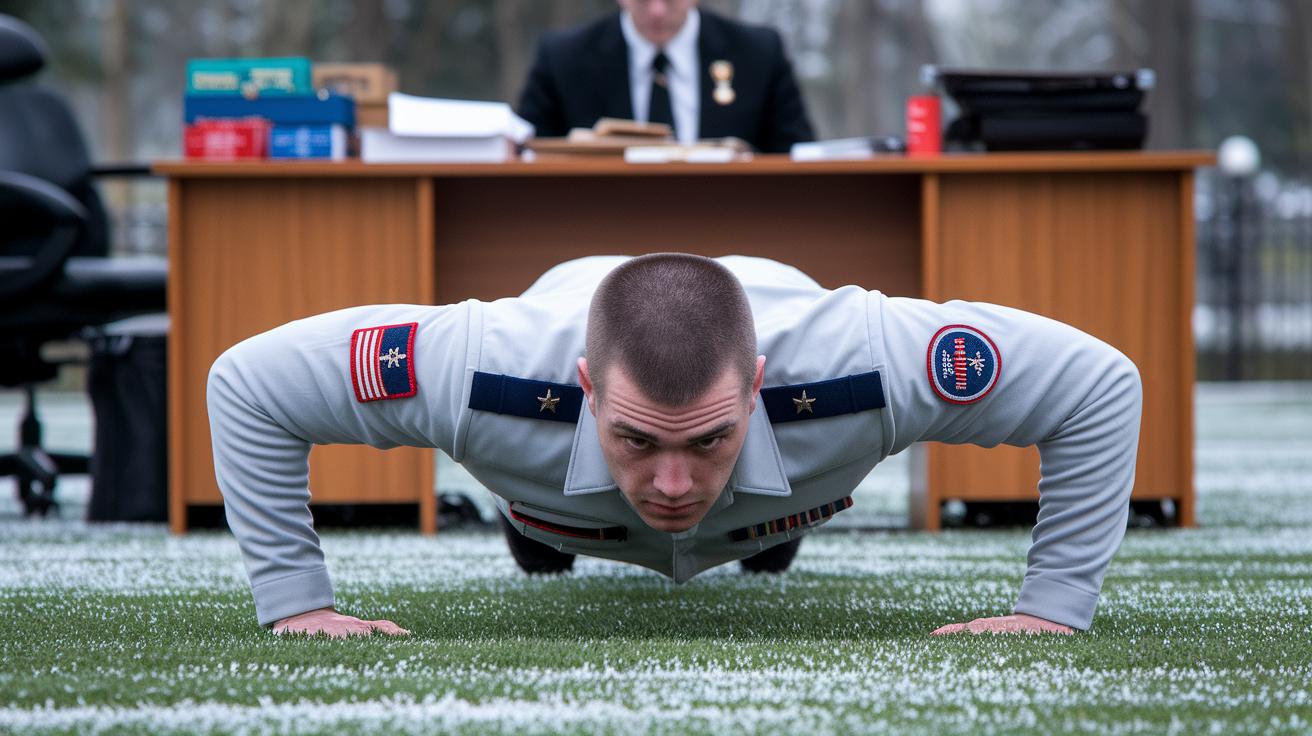
Back in the early days, the military used simple strength drills for entry tests. Tests were all about physical ability, using activities like timed runs, push-ups, and sit-ups. Imagine recruits on a chilly morning, working hard on their push-ups to prove their endurance like a rehearsed drill.
Later on, the Department of Defense introduced the ASVAB to make aptitude screening more consistent. This change shifted the focus from only physical challenges to also checking how quickly you think, your technical skills, and your problem-solving abilities (basically, how well you work through challenges). Picture yourself sitting at a desk, solving puzzles under a ticking clock. This new method helped match recruits to roles that needed quick minds, setting the foundation for tests that mix technical and psychological aspects.
Over time, physical tests evolved too. What started as basic pull-ups and runs grew into more advanced models like the FAT. Now, the FAT measures strength with a one-rep max deadlift, tests endurance by counting pull-ups, and checks aerobic fitness with a five-mile run. This combined approach makes sure that both immediate performance and long-term fitness are evaluated for today’s demanding missions.
Both testing systems continue to adjust as military needs change. While early evaluations focused solely on physical strength, today’s tests cover cyber skills, understanding global operations, and cultural knowledge. Each update reflects the growing complexity of military missions and advances in technology.
Preparation Strategies for Military Aptitude and Physical Exams
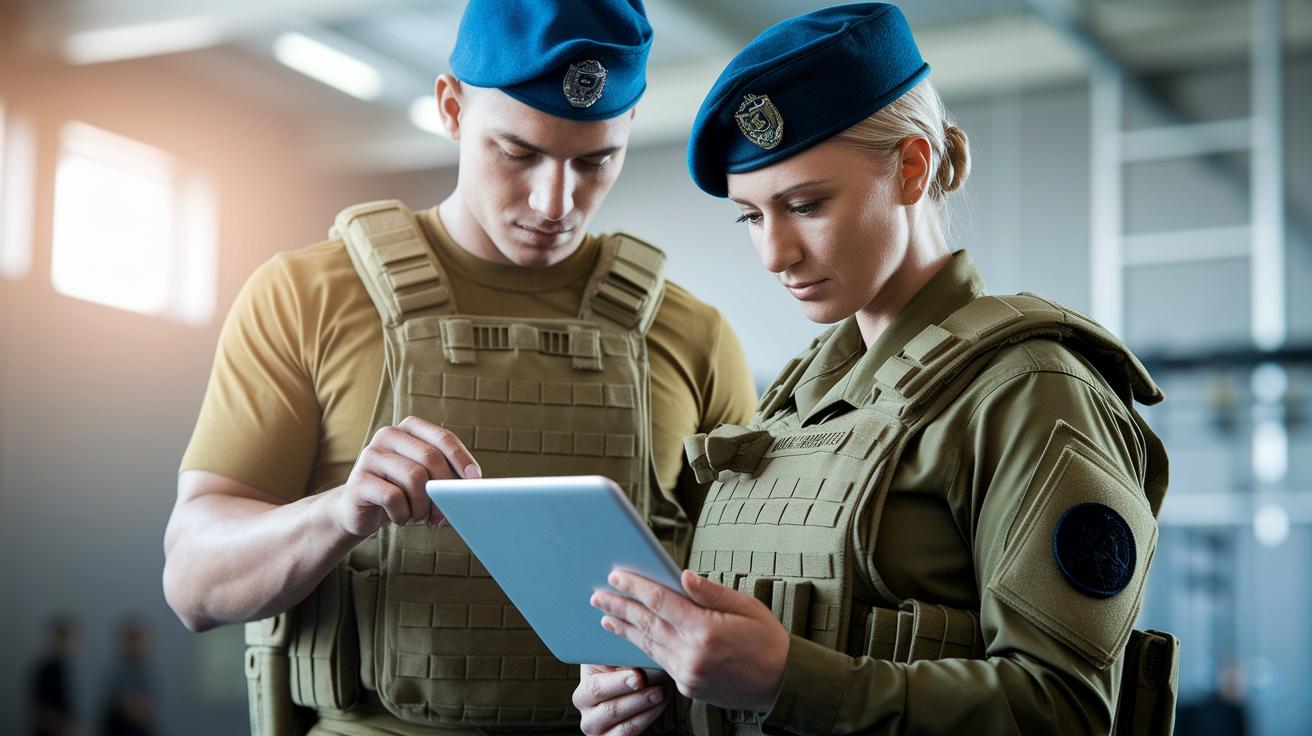
When getting ready for your cognitive exam, set up regular study sessions during the week. Treat it like a mission: reserve time for reviewing official ASVAB sample questions (a common military test) and practice timed sections at home. Even a few focused hours each day after duty can build your skills. Try tackling basic math and verbal topics on Monday, Wednesday, and Friday while simulating exam conditions on Tuesday and Thursday. It’s like running a drill, practice, assess, and adjust until you’re confident. Using a planner to mark your study sessions helps keep you consistent, much like following a clear training routine.
Now, let’s shift to physical training. Create a balanced plan by mixing strength workouts with endurance exercises every week. Start by concentrating on your one-rep max deadlift (1RM, which is the heaviest weight you can lift once) and gradually build up over several days, making sure you get enough rest. On other days, focus on increasing your pull-up repetitions, and on weekends, aim for a steady 5-mile run. Think of it as preparing for a reconnaissance mission: you need solid strength, stamina, and recovery. Don’t forget to add recovery days with good nutrition and stretching to prevent injuries. Setting a clear schedule, like deadlift work on Mondays and Thursdays, pull-up exercises on Tuesdays and Fridays, and a long run on Saturday, keeps you on track and steadily boosts your overall readiness.
Interpreting Military Aptitude and Fitness Test Results for Career Selection
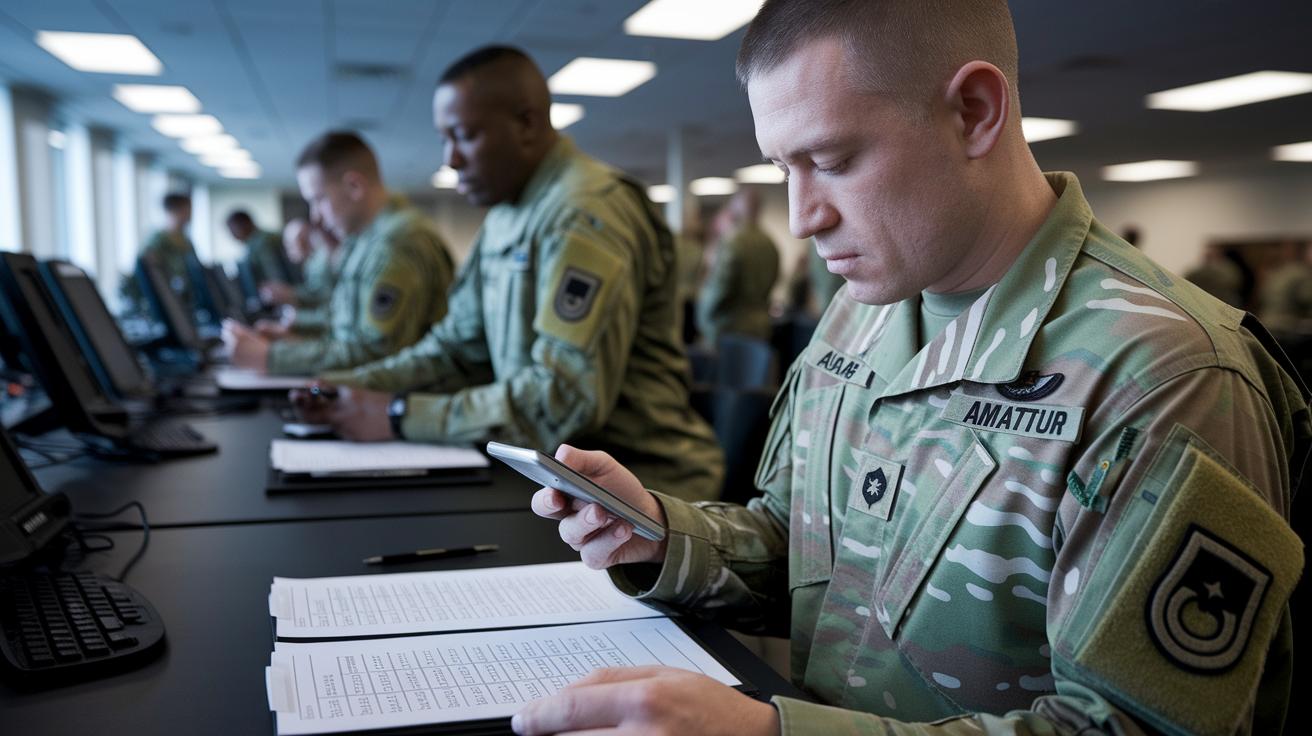
Recruiters look at both your brain test scores and your fitness results when picking candidates. Scores from tests like the ASVAB (a test of mental skills) help set the bar for many military jobs and guide career programs by showing your potential in technical roles.
On the physical side, test results mark the entry requirements for special duties. If you do well in strength, endurance, and running tests, you’re more likely to land roles that need top fitness.
• Mental scores show how well you might handle technical problems.
• Fitness results prove that you’ve got the strength and stamina for combat-ready roles.
When these scores come together, recruiters match your smarts with your physical ability to find the right fit for each job. This balanced check makes sure every service member is placed where they can truly succeed.
Altogether, these results give recruiters a clear picture that sharpens job matching and boosts military career success every day.
Assessing Benefits and Limitations of Military Aptitude vs Physical Tests
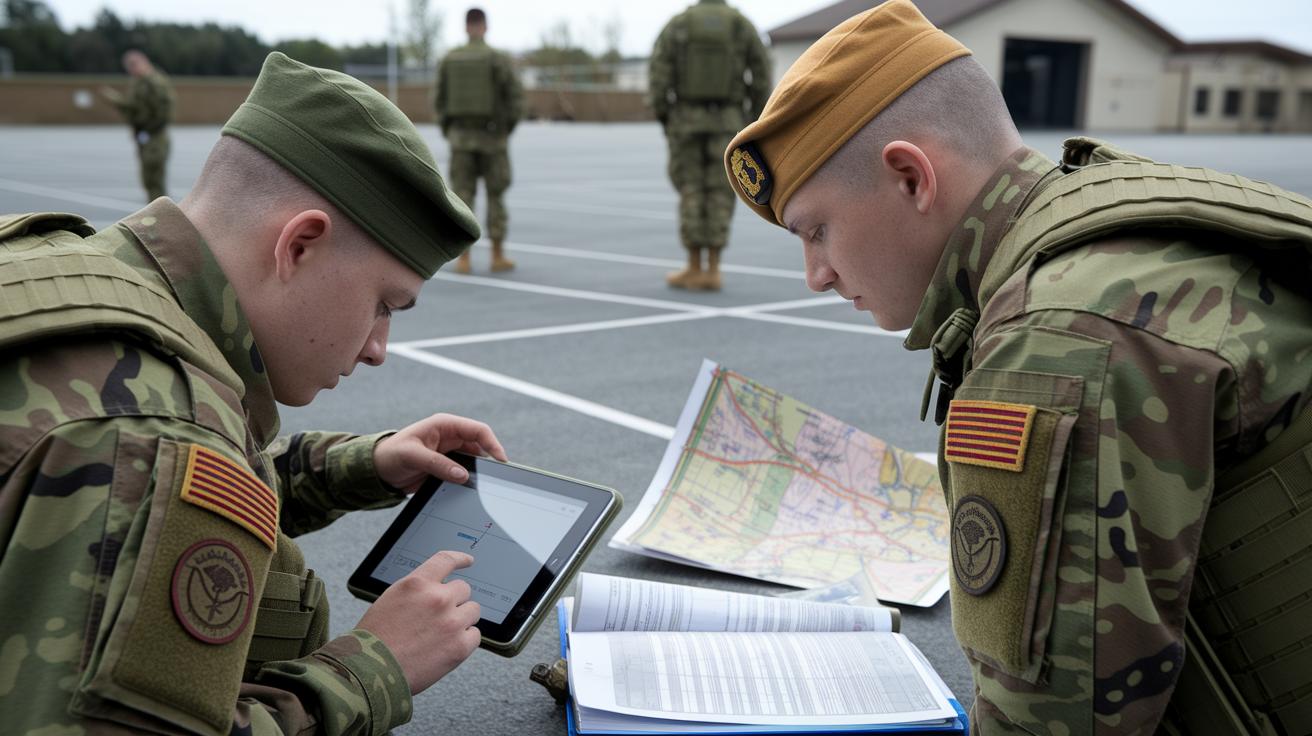
Aptitude tests give us a clear look at a recruit’s mental strength without letting past experiences muddy the waters. They show how well someone might handle technical roles and adapt to the challenges of modern warfare. These tests are perfect for filling key positions in cyber operations and tactical planning. But, they can sometimes lean on cultural or educational backgrounds, and they don’t always reveal how a recruit will cope with real combat stress. For instance, a recruit might ace a problem-solving challenge under pressure yet struggle when the battlefield’s emotions hit hard.
On the other hand, physical tests deliver straightforward numbers that speak for themselves. They check how the body handles tough tasks with clear, measurable results that match real mission demands. For example, meeting strict pull-up and running standards can show that a recruit is ready for the rigors of the field. Still, these tests might not work for everyone, especially recruits with different body types, and the scoring methods (like those used in FAT protocols, which are standard tests for fitness) are still in the process of being perfected.
| Benefits of Aptitude Tests | Benefits of Physical Tests |
|---|---|
| Unbiased measurement of mental potential | Clear, objective performance metrics |
| Scalable for technical and cyber roles | Direct reflection of mission physical demands |
| Adaptable to modern warfare tactics | Focus on readiness and physical strength |
Both types of tests have their ups and downs. Military evaluators keep tweaking these methods to get the best of both worlds for our service members.
Final Words
In the action, we reviewed how aptitude tests measure mental skills while physical exams focus on strength and endurance. We broke down the key differences and offered strategies for both.
Our brief comparison highlighted the difference between aptitude tests and physical tests in the military. It’s clear each plays a unique role in shaping your military career. Keep training smart and stay confident as you prepare for success.
FAQ
Q: What is the difference between military aptitude tests and physical tests?
A: Military aptitude tests measure thinking skills and technical potential, while physical tests assess strength, endurance, and aerobic fitness through events like deadlifts, pull-ups, and runs.
Q: What is a military aptitude test?
A: A military aptitude test, such as the ASVAB, evaluates cognitive abilities, decision-making, and technical skills to help match soldiers with roles that suit their potential.
Q: What does the military physical test consist of and what is it like?
A: The military physical test includes events like a one-rep max deadlift, maximum pull-ups, and a timed run, all designed to gauge strength, endurance, and overall physical readiness.
Q: What are Army physical fitness test standards and physical requirements?
A: Army fitness tests feature set performance charts and calculators that detail requirements for events like strength lifts, pull-ups, and runs, establishing clear benchmarks for soldier readiness.
Q: What is an ASVAB practice test?
A: An ASVAB practice test is a sample exam that simulates the real test, featuring timed questions to help candidates build familiarity and confidence before the official exam.
Q: What is the Army Fitness Test 2025?
A: The Army Fitness Test 2025 offers updated protocols with revised events and scoring benchmarks that better measure a soldier’s physical capabilities for modern military demands.
Q: What is an Army Fitness Test Calculator?
A: An Army Fitness Test Calculator is a tool that estimates your scores based on performance in various events, allowing you to track progress and set training goals effectively.
Q: What is the difference between an aptitude test and a competency test?
A: An aptitude test measures natural potential and cognitive skills with no prior knowledge needed, while a competency test evaluates current, job-specific ability based on learned skills.