
Ever wonder if our fitness tests are really set up for today? Over 18 months, leaders looked at nearly one million tests and decided a change was needed. They replaced the old Army Combat Fitness Test with a new version that features deadlifts, hand release push-ups, sprint-drag-carry, planks, and a two-mile run.
This switch cuts out risky moves and focuses on what really counts: strength, balance, and endurance for everyone in combat roles. It’s all about making the tests safer and fairer.
Take a moment to picture this: the steady clank of weights, your hands on the floor during push-ups, and the fast-paced challenge of a two-mile run. These new changes aren't just about testing, you’re training to be mission-ready and confident every step of the way.
Overview of Military Selective Test Update Changes in Components
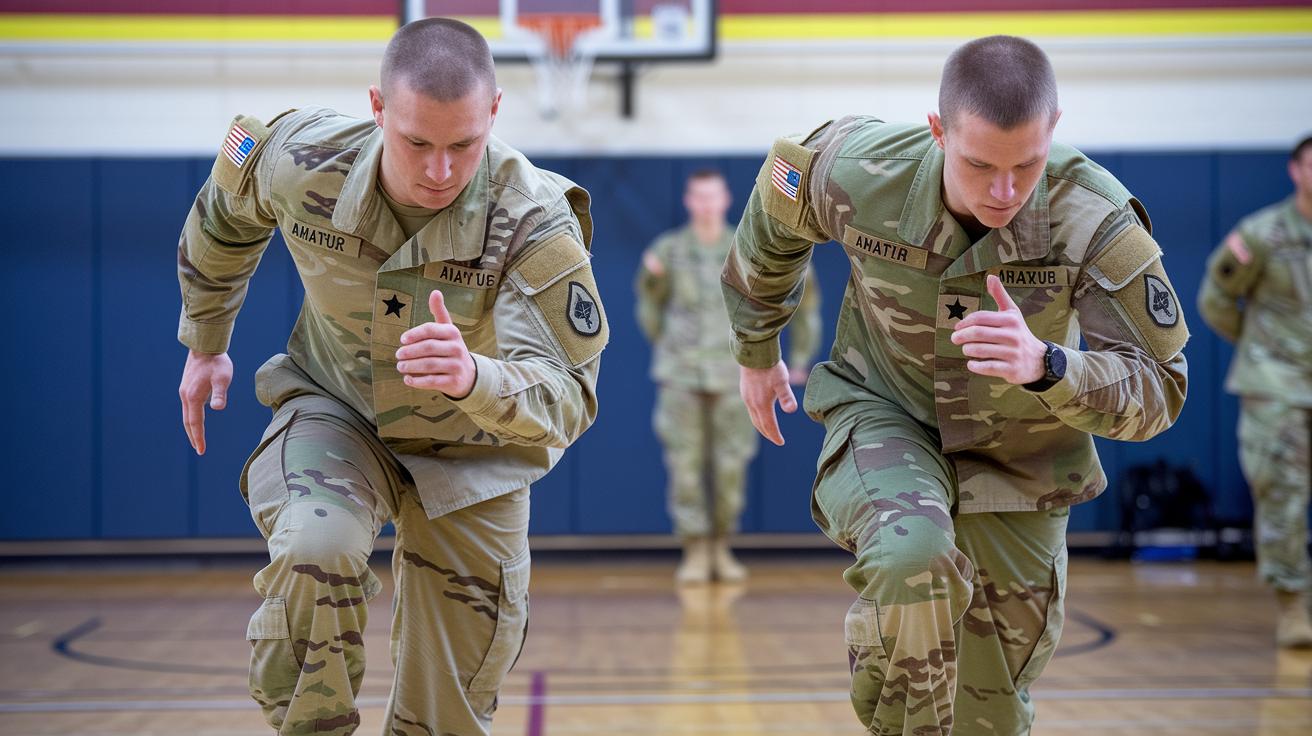
The Army Combat Fitness Test has been swapped out for the new Army Fitness Test after a thorough review that lasted 18 months with nearly one million tests run. This change comes from both Congress and top defense leaders who wanted our physical evaluations to better fit today’s combat needs. For a full list of changes, check out the recent changes in military selection tests (link provided).
They dropped the standing power throw because it carried injury risks and didn’t offer much in terms of fitness benefits. Instead, the update adds events like a 3 Repetition Maximum Deadlift, Hand Release Push-Ups, Sprint-Drag-Carry, Plank, and a Two-Mile Run. Each event focuses on a different physical strength, much like testing the toughness of your legs, upper body, power bursts, balance, and endurance.
This update isn’t just about fitness, it’s also about reducing injuries and keeping things fair. Now, the same standards are used for 21 combat Military Occupational Specialties, making sure everyone is measured equally. These changes aim to better reflect the diverse physical challenges of modern military operations.
Components Removed and Added in Military Selective Test Update
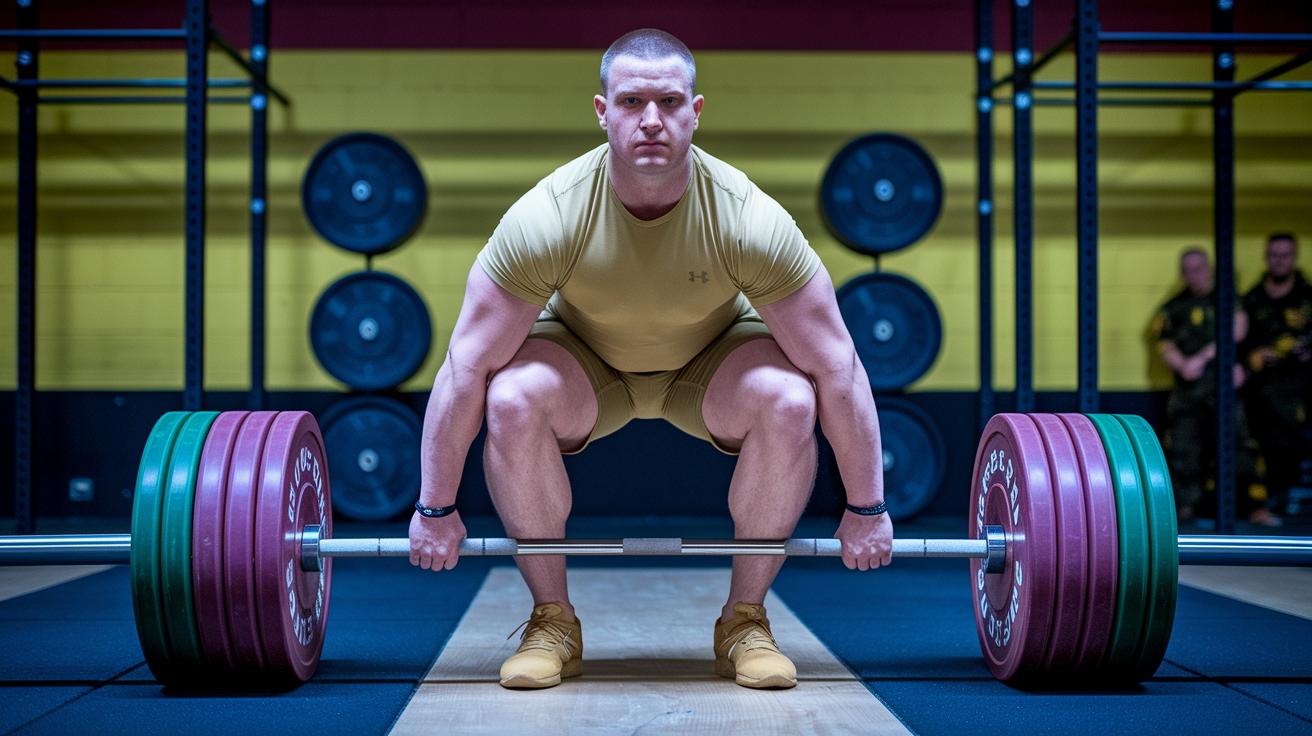
After the 2022 ACFT launch, research and input from lawmakers showed that the standing power throw wasn’t doing much for your fitness and could even cause injuries. This change paved the way for tests that really focus on the skills we need today, like strong legs, hard-working arms, fast short bursts of power (anaerobic power), and a solid core.
3 Repetition Maximum Deadlift (MDL)
The MDL measures the strength in your legs and back while also testing your grip and core stability, think of it like lifting heaps of heavy gear when you're on the move. When you’re doing the MDL, picture yourself carrying heavy supplies through rough terrain.
Hand Release Push-Ups (HRP)
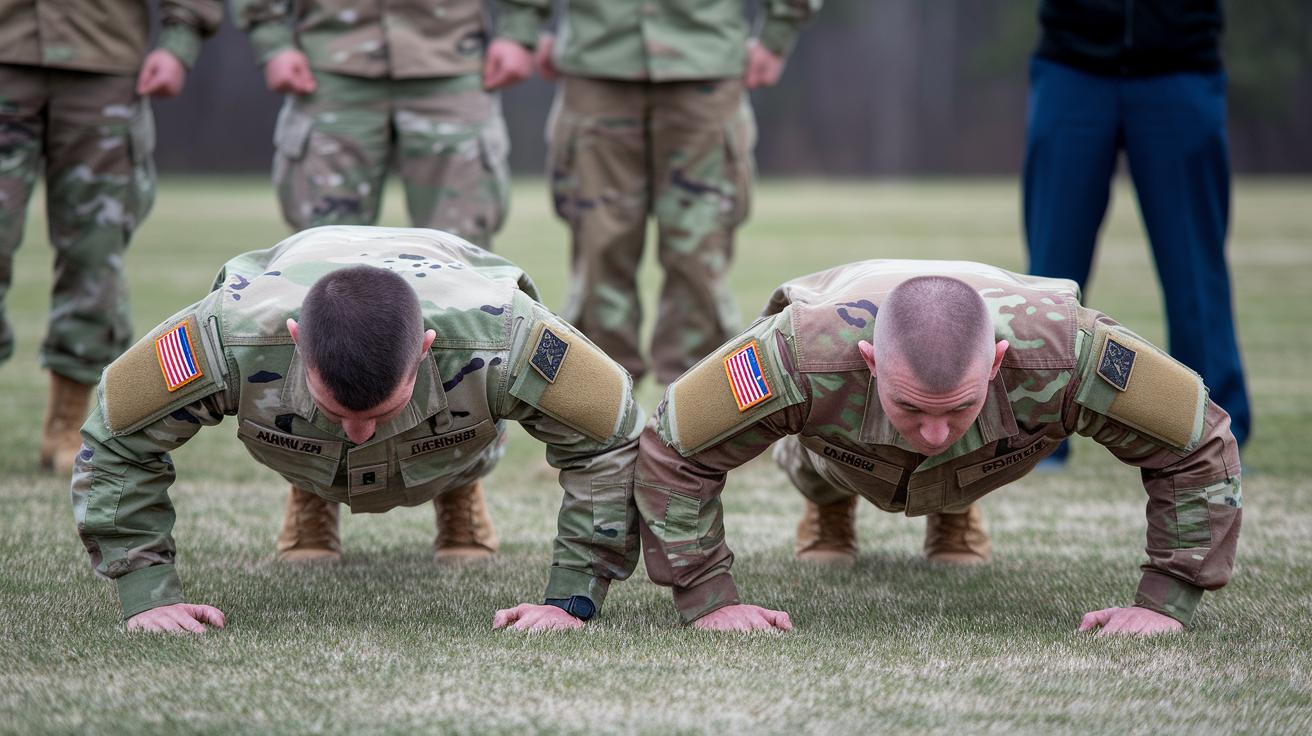
HRPs aren’t your standard push-ups. You push off, completely releasing your hands from the floor each time. This move checks your upper-body endurance and muscle control. Imagine it as if you’re pushing to clear an obstacle during a drill.
Sprint-Drag-Carry (SDC)
The SDC tests your power and endurance in quick, intense bursts. In this event, you sprint, drag a weighted sled, and carry items. Picture this as moving supplies quickly to a forward outpost under pressure.
Plank (PLK)
The PLK is all about core stability and balance. It helps show how steady and strong your midsection is, even when you’re under stress. Think of holding your ground during a surprise shift in a mission plan.
Two-Mile Run (2MR)
The two-mile run checks your overall stamina and aerobic endurance when carrying extra weight. It’s like testing your ability to keep on going over challenging terrain during a long mission.
This revamped set of events streamlines the evaluation process, ensuring each test ties directly into the real, physical demands of modern military service.
Military Selective Test Update Scoring Component Adjustments
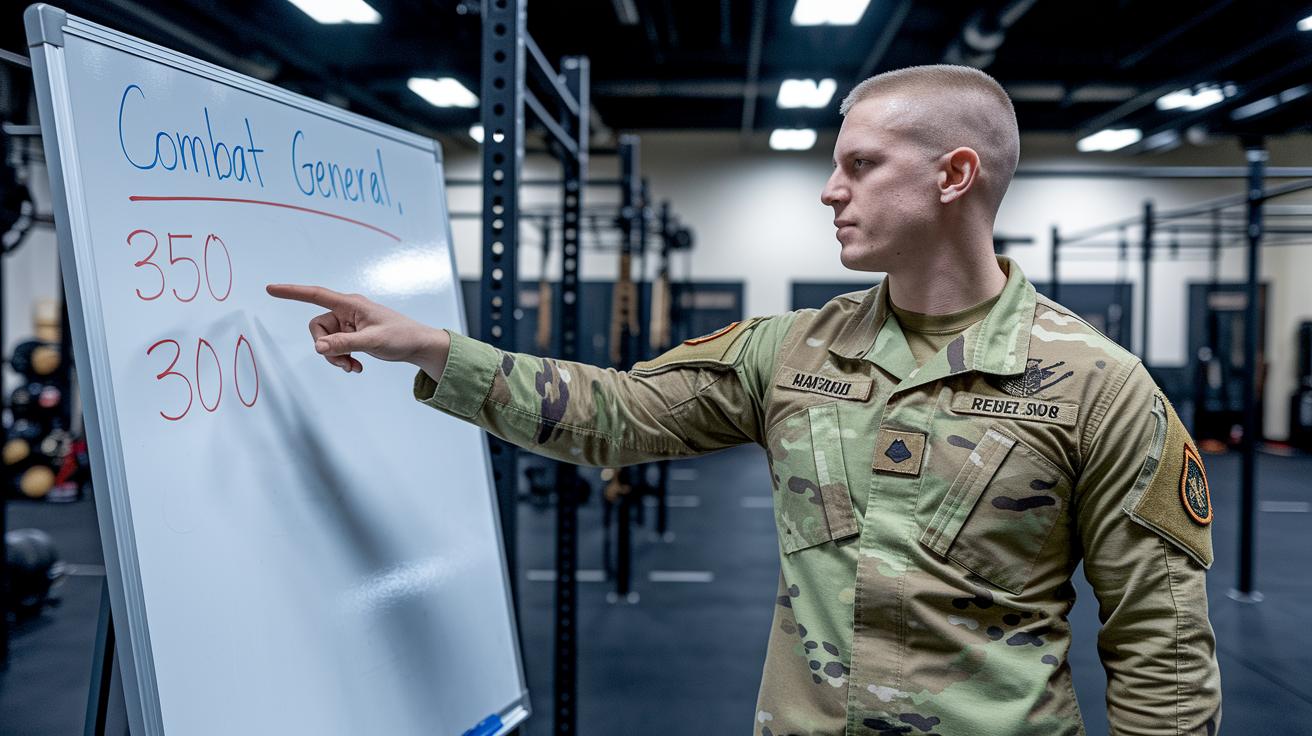
We've got some important changes to the scoring plan. It’s now split into two tracks so that each role gets measured fairly. If you’re in a combat role, you need to score at least 350 points. For general positions, the minimum is 300 points. This setup makes sure the test fits the different demands of each job. ACFT scores (which can go up to 600 points) will count for promotion boards until September 30, 2025. After that, the Army Fitness Test will help decide who gets height and weight breaks and will also play a part in promotions.
| Event | Combat Standard Min. | General Standard Min. |
|---|---|---|
| MDL | 70 | 60 |
| HRP | 60 | 50 |
| SDC | 65 | 55 |
| PLK | 55 | 45 |
| 2MR | 50 | 45 |
This new scoring plan does more than just sort you into a military job. It also helps shape your career path. If you meet or exceed these scores, you’re in a better spot for getting promoted. High scores can lead to more favorable evaluations. Simply put, this update makes the test a fairer way to show off your readiness and the physical skills needed for your role.
Military Selective Test Update Implementation Phases and Timelines
We’re launching a new test schedule that mixes modern readiness with timelines that work in real life. This plan is set up to help both active-duty and reserve soldiers get comfortable with the Army Fitness Test. The Branch Qualification Testing Improvement Section explains updates that meet today’s physical needs, while the National Recruitment Qualification Reformation makes sure every soldier stays mission-ready.
Phase 1 starts on June 1, 2025, making the Army Fitness Test the official test for all soldiers.
Between September and December 2025, Combat MOS soldiers who score between 300 and 349 can opt for reclassification if they want.
Then on January 1, 2026, active-component soldiers scoring below 350 will need to reclassify.
Finally, on June 1, 2026, Reserve and National Guard troops will include the Army Fitness Test in their routine assessments.
Promotion boards will keep accepting ACFT scores until September 30, 2025, and height/weight exemptions based on AFT results are in place to ease the transition.
Preparing for Military Selective Test Component Changes

Getting ready for the new test events means you need to train for each part separately, it’s not just about overall fitness. Each event works different muscles and builds unique energy types, so a tailored training plan is the key to showing your true potential on test day. Focusing on each event builds your confidence and helps you avoid surprises.
- For MDL (Maximum Deadlift Load), use weight-lifting routines that perfect your deadlift form and gradually increase the weight.
- For HRP (High Rep Push-ups), try upper-body circuit workouts that boost your push-up count while keeping your shoulder blades steady.
- For SDC (Sled Drag Challenge), add agility and sled-drag drills to sharpen your speed and increase explosive power.
- For PLK (Plank Hold), work on core stability through exercises that lengthen your hold times and improve balance.
- For the 2MR (2-Mile Run), practice interval and tempo runs to build a strong aerobic base and learn smart pacing. (See effective military test strategies: https://militaryaptitudetests.com?p=84)
When test day arrives, make sure you set aside enough time to warm up and get your head in the right space. A calm mindset and a clear game plan will help you handle each event as it comes. Visualize the drill, take a deep breath, and remember that every bit of focused training you’ve done will keep you steady under pressure.
Final Words
In the action, we broke down how updates are reshaping our approach to military fitness testing. We covered why the test needed changes, pinpointed which events are out and which new ones have stepped in, and shared how revised scoring and phased rollouts keep our standards sharp. These military selective test update changes in components help build strength, clarity, and readiness. The revised methods pave the way for safer, stronger performance, setting the stage for a confident, resilient future on and off the field.
FAQ
What are the new changes to the ACFT?
The new changes to the ACFT mean it is now replaced by the Army Fitness Test, shifting from the old format by removing the standing power throw and adding events like MDL, HRP, SDC, PLK, and a two-mile run.
Did the Army change their PT test?
The Army changed its physical training test by officially replacing the ACFT with the new AFT. This update adjusts events, scoring, and standards to match the physical demands of modern combat roles.
Why did Pete Hegseth leave the military?
The decision regarding Pete Hegseth’s departure is linked to his personal choice to pursue a different career path and share his views in a public forum after serving, reflecting his evolving professional interests.
Is Air Force getting rid of the Alternate PT test?
The information indicates that the Air Force is keeping the Alternate PT test while introducing more scheduling flexibility, such as allowing body composition measurements up to five days before the test.