
Ever notice how some soldiers ace their cognitive evaluations while others struggle? It might be because they train under real test settings. These focused drills build important skills like memory, quick thinking, and mental stamina. Just a few practice sessions each week can really boost your performance. In this guide, we share clear, simple steps to sharpen your mind and build your confidence so you can succeed every time.
Core Targeted Practice Strategies for Military Cognitive Evaluations

Focused drills are key in building the daily habits that lead to success on military thinking tests (cognitive evaluations). They work on important skills like memory and quick decision-making by mimicking the kinds of conditions you’ll face during real tests. These practice sessions not only boost your abilities but also build confidence through regular, steady work.
Regular drills also help keep your mind sharp by establishing familiar patterns in an otherwise unpredictable testing setting. They let you figure out what you do well and where you might need a little extra work, using exercises that test both memory and problem-solving skills. When you get comfortable with these tasks, you're setting yourself up for peak performance on test day.
- Spaced repetition memory loops
- Timed situational problem-solving drills
- Scenario-based decision-making sessions
- Tactical memory and comprehension speed tests
- Structured cognitive test simulations
- Precision practice frameworks with calibrated difficulty
Mixing all these strategies into one solid practice plan can really improve your test scores. Research tells us that combining spaced repetition, scenario drills, and timed decision-making exercises can boost performance in just 4 to 6 weeks. For more details, check out our guide on balancing speed and accuracy in military tests. By keeping your drills varied yet consistent, you'll build endurance, confidence, and the ability to adjust on the fly with real-time feedback. When you pair detailed practice with simulation sessions, you're on a clear path to better mental agility and stronger overall test results.
Designing Structured Practice Models for Cognitive Skill Drills
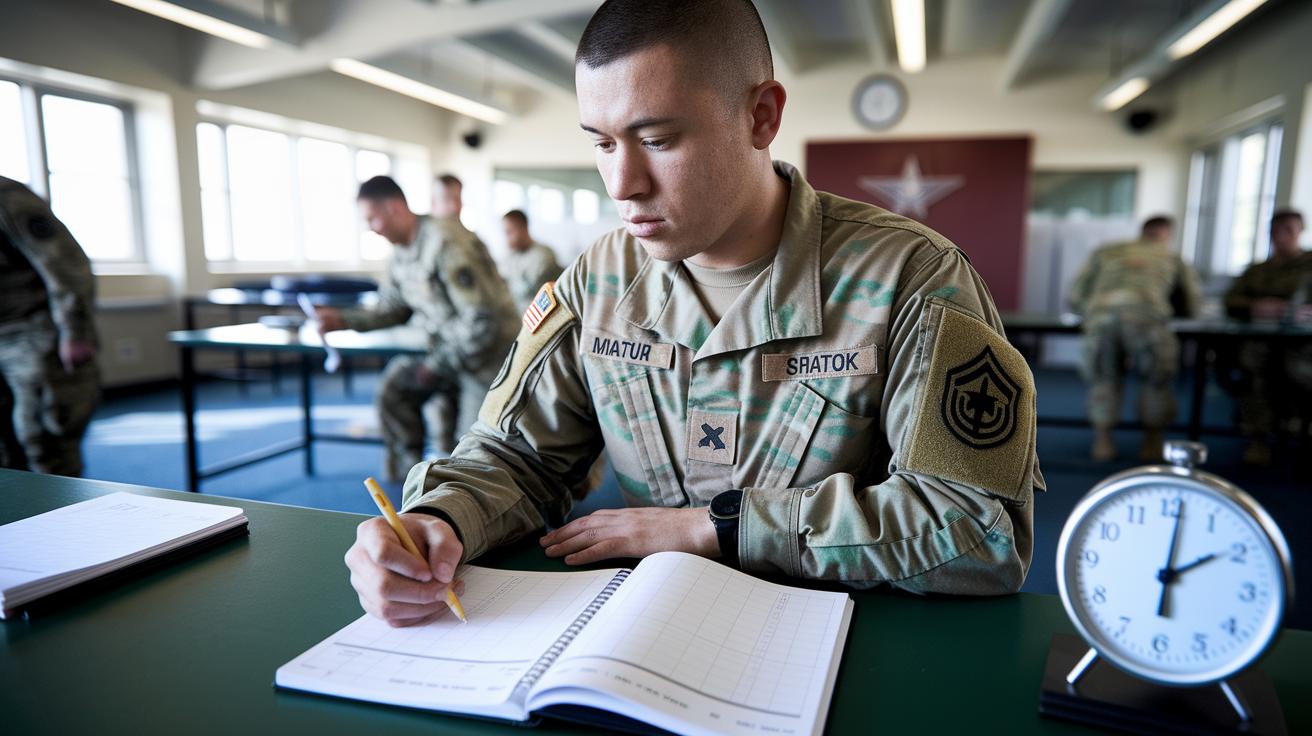
A strong routine and clear goals form the heart of military cognitive drills. When you set a regular schedule, tracking your progress becomes easier and you quickly spot areas that need improvement. Think of it like your daily briefing: each session has a clear purpose, and keeping to a set plan builds both your confidence and skills.
Plan to practice 3 to 4 days a week, with each drill lasting about 30 to 45 minutes. In every session, start with simple tasks and gradually add in tougher challenges. For instance, begin with basic memory exercises and then move on to decision-making tasks. Keeping a log of your scores or times can help you notice steady gains and decide when it’s time to step up the challenge.
Work at roughly 70% of your current capacity, push your limits, but avoid overdoing it. It’s similar to training with a moderate weight that still makes you work hard. Regular feedback, whether through self-checks or from a partner, lets you tweak the difficulty each week. This steady climb in challenge sharpens your skills and builds the resilience needed for real military evaluations.
Integrating Simulation-Based Evaluations and Decision-Making Drills
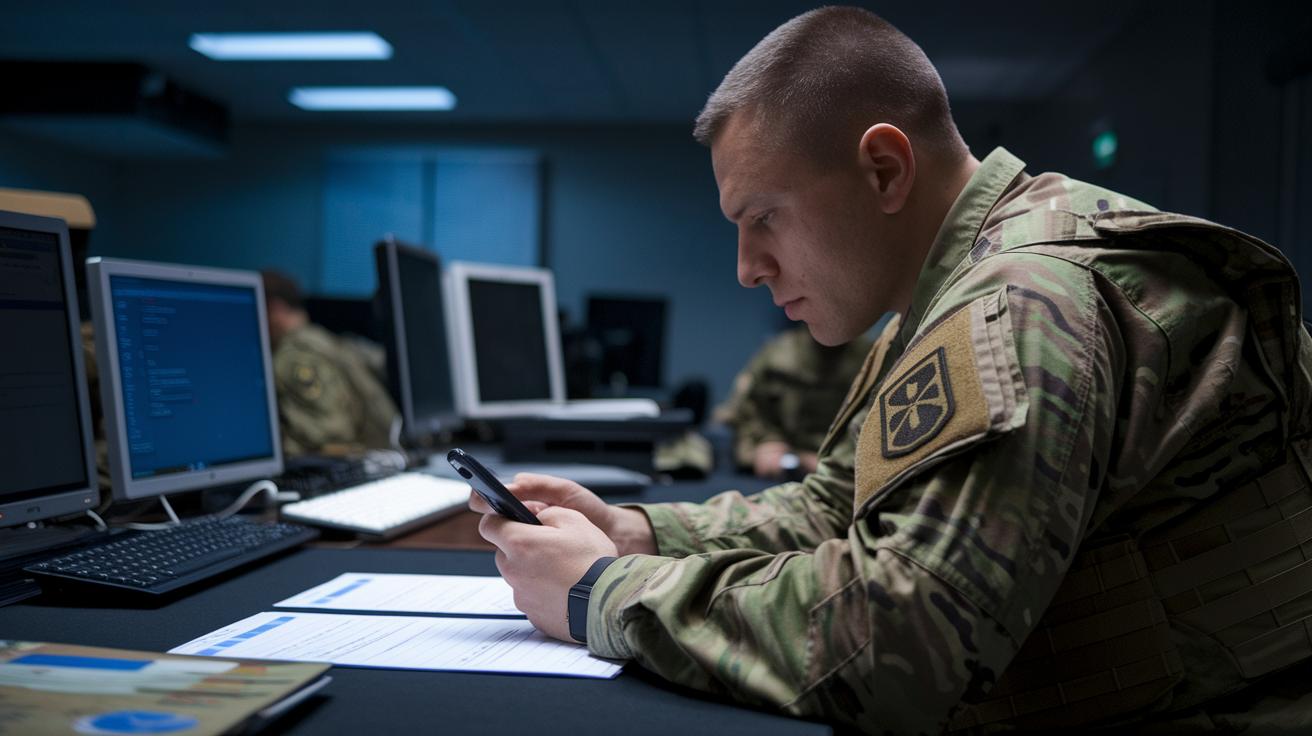
We use real-life simulation drills that mirror the tests you'll actually take. These sessions prepare you by recreating the pressure and challenges of military cognitive evaluations (tests that check how well you think) in a controlled setting. This hands-on practice helps you feel more at ease when you're making quick decisions under stress.
Scenario Creation
Plan out drills that have several steps, just like the tasks in real military exams. Imagine a mission where you first gather intel and then make a call. This type of storytelling allows you to get used to different orders and details during a test. It also shows you unexpected challenges so you're ready if things suddenly change.
Timed Decision Drills
Run drills that force you to decide quickly because of strict time limits. These exercises help you think fast and balance speed with getting the right answer. It’s like a quick sprint, you push your mental limits so that when the real exam starts, you can work efficiently.
Debrief Sessions
After each simulation, gather for a brief review. Talk over what worked well and what didn’t, and think about other ways to handle similar situations later. These debriefs build your confidence and sharpen your decision-making skills, so you’re better prepared for the real test.
Implementing Advanced Cognition Exercises and Mental Agility Training Techniques
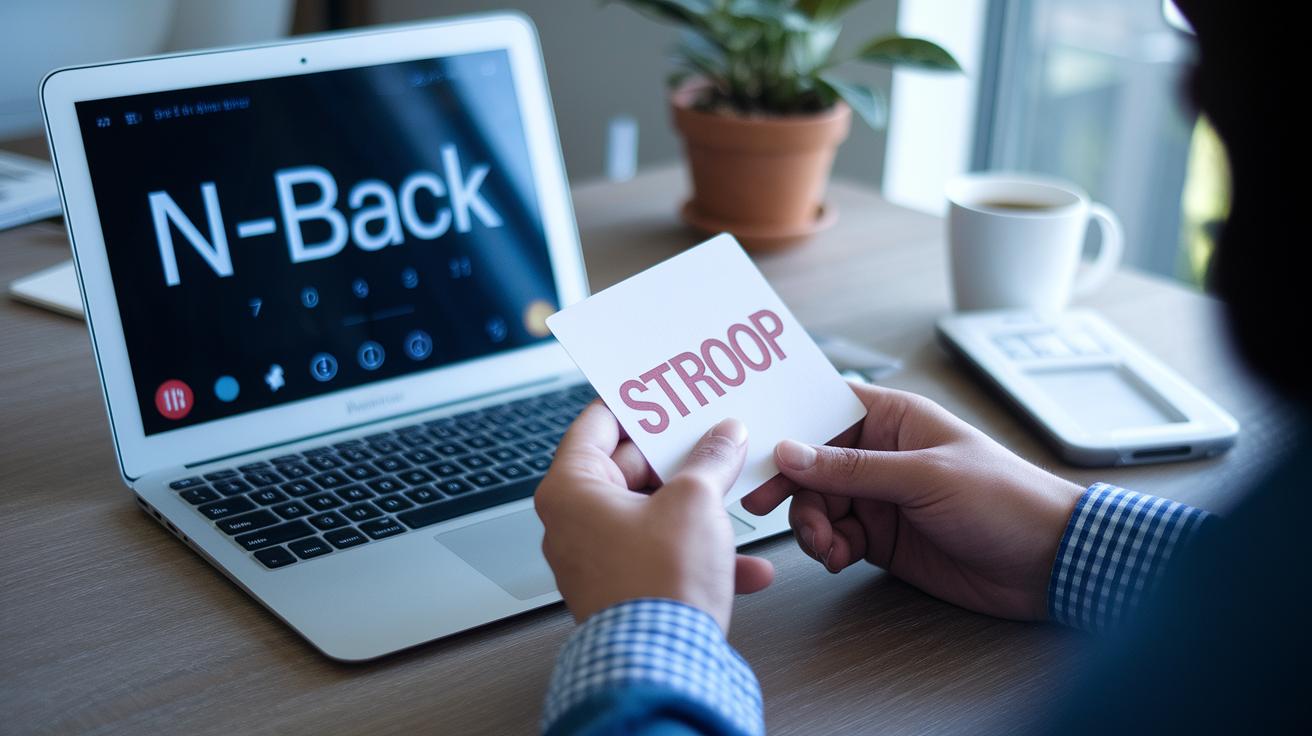
Dual-task activities and interference-control exercises help boost your brain's quick-thinking skills. These drills push you to handle more than one task at a time, similar to managing different duties on a mission.
You can use computerized n-back software (a memory test that challenges you to recall an item from a series) and timed reading comprehension tasks to sharpen your focus. These tools set up a clear space where you can practice tracking details and reading fast, which builds faster processing and stronger retention.
Adding a short Stroop-style test to your routine can mix things up even more. In these tests, words appear in different colors and you must name the color of the ink, not the word. It’s a simple way to train your brain to ignore distractions and lock in on the right answer.
Plan your training with a basic weekly schedule that features these drills. Aim for three to four sessions each week, with each lasting around 30 to 45 minutes. In every session, spend some time on dual-task exercises, work with the n-back or reading tools, and do a brief Stroop test. Change the length and difficulty as you improve, and note what you observe so you can make adjustments each week. This approach keeps your routine fresh and steadily pushes your mental boundaries forward.
Performance Benchmarking Drills and Iterative Improvement Processes

Begin by setting a baseline with practice tests that feel like the real deal. Measure things like your hit rate (how many answers are correct) and the average time you take per question. Every couple of weeks, take another test to see how you've improved. This method helps you understand where you stand and builds a solid foundation for your training. For example, a buddy might say, "I set a baseline test and noticed I was taking about 45 seconds per question," which shows there’s plenty of room to speed things up. Regular tests like these act as your compass, guiding you on what to adjust in your training.
Next, build feedback loops by reviewing your test data and tweaking the drill difficulty based on how you’re doing. Make it a habit to jot down your scores and any observations after every session. Then, use that info to fine-tune your drills and gradually push your mental limits. This review process creates a clear picture of your progress, highlighting steady improvements and pointing out areas needing more work. By customizing your practice this way, you turn raw data into clear steps for improvement, giving your test scores a boost every time.
Building Resilience and Cognitive Endurance for Evaluation Readiness

Stress inoculation is like sharpening your mental toolkit so you can stay calm when things get tough. When you work on handling hard situations, you build the kind of mind strength that helps during high-pressure evaluations. Think of it as toughening your gear before heading out on a challenging mission.
During practice, try using background noise to keep you alert. For example, you might run drills with a low hum of chatter or traffic in the background, kind of like preparing for real life. You can also mix in multitasking challenges, such as solving a quick math problem while checking a map. This kind of training, over time, builds your brain stamina.
Short, extended drill sessions push you out of your comfort zone and help you develop mental toughness. With regular practice, you'll find it easier to keep clear thinking and steady performance, even when the pressure is on.
Final Words
In the action, this guide outlined focused drills, realistic simulations, and advanced cognitive exercises to boost mental sharpness for tests. We broke down how regular practice boosts memory, decision-making, skill calibration, performance tracking, and stress management.
Using targeted practice strategies for military cognitive evaluations helps build physical readiness and mental clarity. Keep practicing hard and maintain your pace. With each session, you step closer to improved scores and stronger confidence.
FAQ
What targeted practice strategies for military cognitive evaluations are available, including free PDF resources and updates from 2021?
This targeted practice approach includes methods like spaced repetition, timed decision-making drills, and scenario-based sessions to build cognitive skills. Free PDF resources and updated strategies from 2021 can be found online.