
Have you ever wondered if doing bicep curls might boost your study skills? Mixing a workout with smart study tips can help you get ready for military tests by strengthening both your body and your mind. Picture powering through a drill while locking in key facts, almost like running an obstacle course that challenges your speed and sharp thinking. This method shows that regular training with a strong review routine can gear you up for any challenge. Ready to see how combining these steps can make you tougher and more determined?
Integrating Physical Training with Study Strategies: Core Principles for Military Test Success
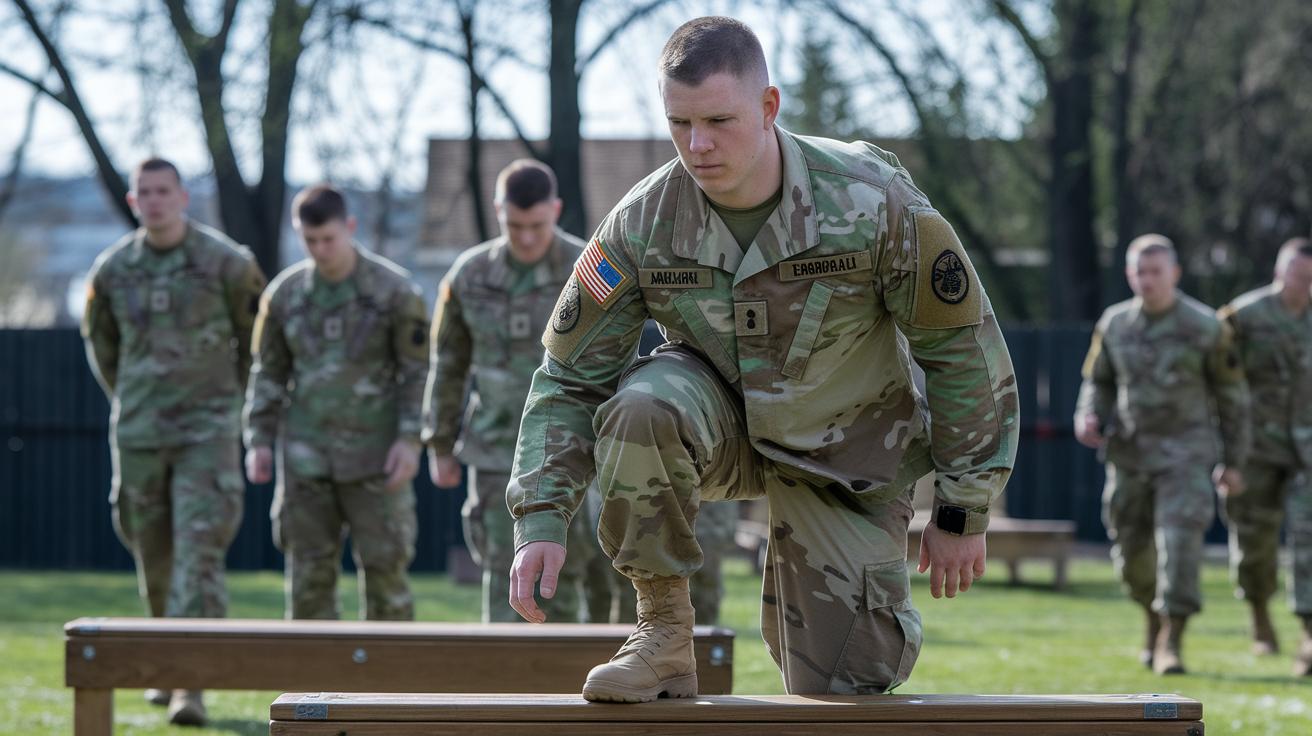
Military training works best when you balance building strength with sharpening your mind. In tough, high-pressure situations, you’ve got to be ready both physically and mentally. Imagine running an obstacle course that not only pushes your limits but also makes you think quickly and clearly.
Mixing workouts with study sessions helps you boost both muscle power and memory. Recruits can use simple, step-by-step study plans (check out the military test study plan development guide) that show how to fit in tough physical routines along with focused review times. Similarly, the key workout moves (see physical fitness for military) are planned to build strength and keep you enduring under exam pressure.
Taking time to check your own progress is crucial. It helps you see what needs work so every drill and study session has a clear purpose. Keeping well-hydrated, eating a smart mix of 40% protein, 40% carbs, and 20% fats, and managing stress with techniques like visualization and goal-setting keeps your body and mind in top shape.
- Alternate 25-minute strength circuits with focused study sessions
- Use flashcards during steady cardio to boost recall
- Plan high-intensity study bursts after a short active break for clear focus
- Team up during group PT sessions to quiz each other on key ideas
- Blend mobility drills with spaced-review question rounds
This approach shows that combining physical drills with targeted study methods strengthens your overall abilities. It prepares you to handle military selection exams confidently and builds a tough, ready-for-anything team.
Designing Comprehensive Fitness Regimens for Defense Evaluations and Cognitive Enhancement
Cardiovascular Training
Start by boosting your endurance with long runs or quick high-intensity sessions. While you run, try reciting key mission details or crucial dates. This way, you're training both your body and your mind at the same time.
Strength and Endurance Conditioning
Mix bodyweight exercises like push-ups and squats with weight training, and add a mental twist. For example, repeat your checklist or test strategies with every set. This routine builds muscle memory and keeps your focus sharp even when you're tired.
Flexibility and Mobility Work
Begin with dynamic warm-ups using resistance bands, then move into targeted stretches. Think of this as a moment to clear your head, like shifting gears after a challenging drill. These exercises help keep your body agile and your mind clear.
| Training Type | Physical Benefit | Cognitive Benefit |
|---|---|---|
| Cardiovascular Training | Enhanced stamina and a healthy heart | Improved memory recall and focus |
| Strength and Endurance Conditioning | Increased muscle strength and endurance | Sharper decision-making and concentration |
| Flexibility and Mobility Work | Greater range of motion and injury prevention | Clearer thinking and reduced stress |
Tactical Study Methods Employing Physical Drills for Memory and Focus
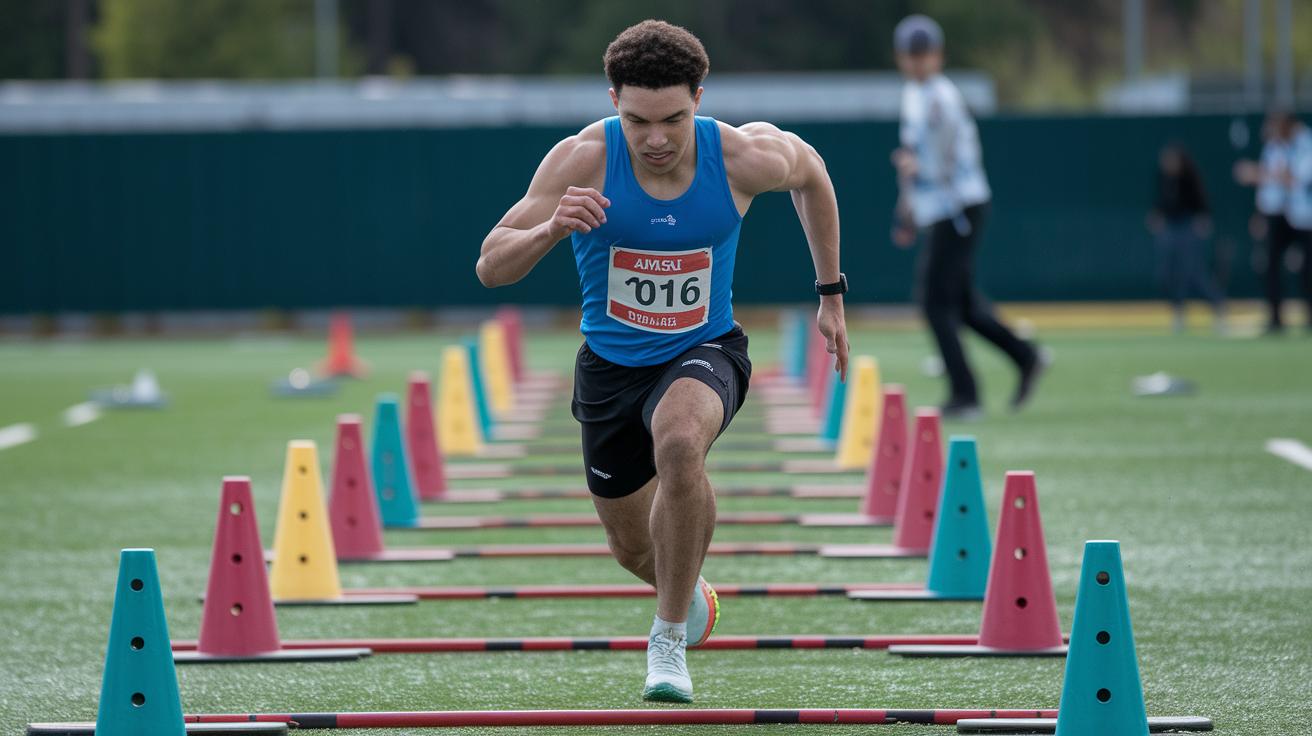
Mix brain challenges into your toughest drills to connect your mind and body. This isn’t just your regular cardio or strength training, it links physical effort with memory work. Science shows that moving while thinking boosts your memory and helps you stay sharp in tests.
Try pairing your shuttle runs with quick verbal cues. For instance, as you sprint between markers, confidently say, "Advance, secure, complete." This simple trick wakes up your memory exactly when you need it most.
Set up spots on an obstacle course where you stop to recite key details. When you reach a barrier, pause and clearly say, "Check gear, call out status." This drill makes you agile on both feet and mind, helping you recall important info right after intense activity.
Mix in some plyometric moves with brief quizzes. After a set of jump squats, take a quick breath and ask, "What's the top priority in a field operation?" Doing this builds your fast-thinking skills, giving you an edge when every second counts.
Scheduling Integrated Exercise and Study Sessions for Peak Mind-Body Equilibrium

Start your day with a simple check-in. Look at how you're feeling and use that insight to plan your routine. In the morning, set aside 60 minutes for cardio to boost your energy and clear your mind. Then, spend some time reviewing important notes, as if you’re mentally gearing up for a mission.
Next, around midday, shift to strength training. Dedicate another 60 minutes to a mix of bodyweight or weight exercises paired with short breaks for studying key tactical terms or procedures (basic instructions or step-by-step processes). This blend of movement and review helps build muscle while sharpening your recall.
After that, in the afternoon, focus on improving your mobility. Use a full hour for dynamic stretching, foam rolling, or even a bit of cold-water therapy. Along the way, pause to flip through flashcards or recap important points. This keeps your body active and your mind on target with a steady rhythm of review.
Finally, in the evening, wrap up with a 60-minute session of low-intensity mobility exercises combined with review intervals. Don’t forget to get 7–9 hours of sleep, which supports both muscle recovery and the memory process. Adjust your schedule as needed to match when you feel at your best, ensuring that every workout boosts both your physical strength and your mental readiness.
Nutrition and Recovery Strategies to Support Dual Physical and Cognitive Preparation

Fueling your body and mind starts with a balanced meal plan. Think of your plate like a mission plan: about 40% protein, 40% carbohydrates, and 20% fats. Lean meats, legumes, whole grains, and fresh fruits give you the steady energy you need to survive a hard workout and ace your study sessions.
Staying hydrated is just as important as your meal prep. Drinking water before, during, and after your workouts helps you stay alert and recovers your body faster. It keeps mental fog at bay and supports the intense physical training that lies ahead.
Active recovery isn’t something to skip either. Simple steps like foam rolling, stretching, and even a quick cold bath can help your muscles bounce back after a tough drill. These techniques keep your body ready for the demands of both heavy physical work and sharp mental tasks.
Getting enough sleep is a must. Stick to a regular sleep schedule and aim for 7–9 hours a night. Good sleep locks in what you learn and helps your muscles repair, which is key when you're preparing for challenging tests and hard physical routines.
Combine a balanced diet, proper hydration, active recovery, and solid sleep habits, and you’ve got a reliable plan that boosts both your mind and body. With this routine, you’re set to handle even the toughest training sessions and high-pressure exams with confidence.
Case Studies of Dual-Discipline Prep Models in Military Candidate Assessments
In military tests, you quickly learn that both body and mind must work together for top results. Real-life examples prove that mixing solid workouts with focused study sessions leads to real improvements during tough exams.
Candidate A is a recruit who followed a CrossFit-style workout paired with set morning review drills. He stuck to a routine that mixed strong physical training with short, sharp study breaks. By adding memory drills during his warm-up and cool-down, he steadily boosted his readiness. In time, he saw a 15% jump in performance when switching from one fitness test standard to the next. His example shows that pairing hard work with mental exercises can build both strength and smart thinking.
Candidate B, an officer candidate, used a split schedule that balanced different workout types with smart study sessions. He started his day with cardio to build stamina, moved into strength exercises to build muscle, and ended with dedicated review time. His routine was supported by a nutrition plan that kept both his energy high and his mind clear. As a result, his mental retention improved by 20% and he passed his promotion exams on his first try. His story proves that a planned schedule and good fuel can really boost exam performance.
| Candidate | Program Outline | Outcomes |
|---|---|---|
| A | CrossFit-style workouts with morning review drills | 15% improvement during the fitness test upgrade |
| B | Split schedule with balanced workouts and study sessions, plus a nutrition plan | 20% better mental retention and a first-time pass on promotion exams |
Both examples show that combining exercise and study builds up both physical strength and clear thinking. With personalized plans and smart eating habits, these candidates not only upped their game but also developed the tough mindset needed for challenging military tasks.
Final Words
In the action, we explored how blending workouts and study tasks builds both strength and sharp thinking. The article broke down routines like alternating strength intervals with study sessions and balanced cardio with review periods.
We reviewed key nutrition, rest, and recovery tips and saw real examples to guide your training. Integrating physical training with study strategies for military tests boosts readiness and confidence.
Keep pushing forward, stay focused, and trust your progress.
FAQ
How does integrating physical training with study strategies benefit military test preparation?
Integrating physical training with study strategies boosts test readiness by developing both mind and body. Combining strength circuits with focused review sessions sharpens mental recall while building physical endurance.
What is Total Force Fitness and how does it guide both Army and USMC training?
Total Force Fitness emphasizes eight core areas to balance physical, mental, social, and spiritual strength. Both Army and USMC programs use this approach to cultivate overall readiness and adapt to varied mission challenges.
How can training strategies optimize cardiovascular durability for extended performance?
Training strategies that mix long-distance runs with interval sessions and recovery drills enhance cardiovascular durability. This balanced approach improves stamina and helps sustain physical performance during demanding duties.
How do eating behaviors influence physical fitness and body composition in US Army soldiers?
Eating behaviors affect physical fitness by shaping muscle development and energy levels. A balanced diet supports body composition, ensuring soldiers possess the strength and endurance needed for mission readiness.
What is SHAPE America physical literacy and how does it improve basic movement skills?
SHAPE America physical literacy teaches fundamental movement skills that improve safety and confidence during exercise. This program helps build a strong foundation for lifelong participation in physical activity.