
I deployed to Iraq several months after the initial invasion, right when improvised explosive devices (IEDs) began to reshape the battlefield. The 82nd Airborne Division had just returned from Iraq and Afghanistan; I had come home after commanding a battalion in Afghanistan and then took the 82nd's Division G-4 slot. We were rushed back into a new, brutal campaign. The area of operations—Fallujah, Habbaniyah, Ramadi and al-Asad—was not secure, and our soft-skinned HMMWVs offered almost no protection. Men were being killed, and as the logistics officer I suddenly owned a life-and-death problem.
A War Story: Catch-22 on Armor in Iraq

I deployed to Iraq several months after the initial invasion, right when IEDs began to change the fight. The 82nd Airborne had just redeployed from Iraq and Afghanistan, and I had returned from a battalion command in Afghanistan to serve as Division G-4. We were rushed back into a new war across Fallujah, Habbaniyah, Ramadi and al-Asad. The AO was not secure and the IED threat was deadly. Our paratroopers were riding in soft-skinned HMMWVs with virtually no protection. Casualties mounted and the burden of finding a solution fell squarely on logistics.
Hillbilly Armor and Spalling

Desperate soldiers scavenged any steel they could find , ammo-bunker doors, scrap plates , and hung them on HMMWVs as improvised armor. It helped a little in some cases, but the scrap had a deadly flaw: spalling. When brittle steel is struck it can shatter, sending high-velocity shards into the vehicle interior and turning the 'armor' into a killer. So-called hillbilly armor was a marginal improvement at best; a direct hit on that scrap could still spray lethal fragments through the cabin. The improvisation showed grit , and how badly we needed proper protection.
Big Army's Catch-22: "Do Nothing for Months"

I got on a satphone and called Army Materiel Command begging for an interim fix. Their response was infuriating: we were "authorized to do nothing" because improvised armor would spall, and forbidden to field anything because up-armored HMMWVs and MRAPs were "coming in a few months." In short, policy told us to wait while troops were being hit. "In a few months" translated into more casualties. It felt like a Catch-22 , bureaucratic rules preventing immediate life-saving action , and it burned me up watching process trump protection.
Finding Armox: A Swedish Fix

Refusing to accept the waiting game, I researched alternatives and found Armox, a rolled homogeneous steel from Sweden engineered to resist blast and spalling. It was light and pliable enough that unit welders could cut and shape hang-on plates for HMMWVs. With the division commander's approval we used internal funds to buy a shipment and set up an assembly line in DISCOM. Mechanics and welders fabricated panels and bolted them on. It wasn't official procurement theater, but it delivered a credible, immediate survivability improvement when the formal systems failed to act quickly enough.
When the Commander Took the First Plate

The first Armox-equipped HMMWV off our line should have been a morale and protection win. Instead it went to the DISCOM commander's personal M-998 , a vehicle that never left the FOB and was essentially a parade piece. The colonel insisted his truck be first; his driver polished it like a show vehicle. The author reports this diverted protection away from soldiers on patrol who faced real IED risk. That decision , armor on a safe vehicle while frontline troops remained exposed , is a memory that still haunts me and feels like a personal betrayal of the troops.
Haunted, and Why I Left
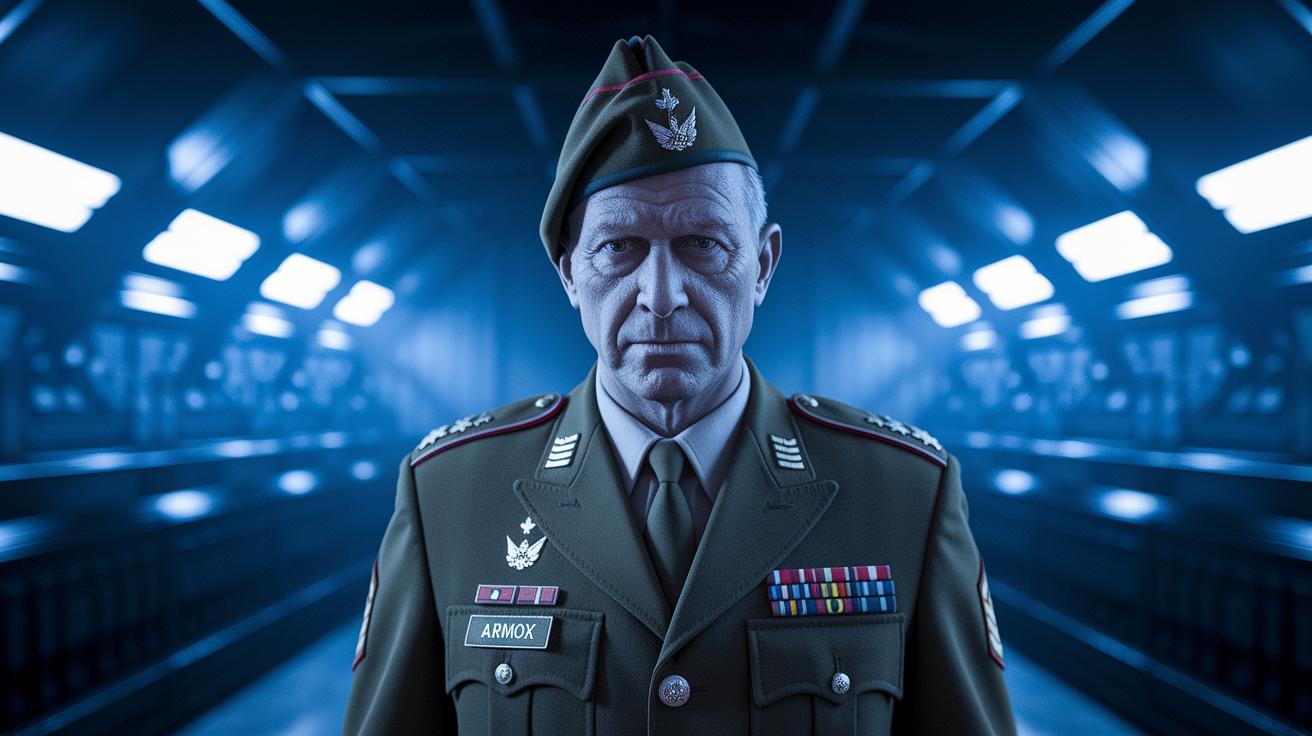
I admit: this kind of thing haunts me even now. Watching vital protective measures delayed or misallocated while people were hurt and killed has a moral weight that doesn't go away. I pressed for solutions, bought Armox with division funds, ran the assembly line, and tried to force change from within. But repeated institutional friction and self-serving choices by some leaders eroded my ability to keep serving. Ultimately I left the Army as a young colonel. I left because "the troops come first" had become a slogan rather than a binding principle I could defend.
Eventually They Did , And the Lessons

As one reply pointed out, the Army eventually fielded up-armored HMMWVs and MRAPs, and those vehicles saved lives. But that change came only after months of delay and, in many cases, avoidable losses. The Armox improvisation and field pressure helped accelerate attention, but the story remains a cautionary tale about procurement lag, bureaucratic Catch-22s, and leadership choices. The lesson is stark: empower commanders in theater to protect troops quickly, prioritize survivability over process, and remember that delay in war is often deadly.