
Ever thought that forgetting a few things could cost you your place? Think of test day as a mission where every piece of gear counts. From your photo ID to your snack stash, each item plays its part in keeping you on track. When you have the right documents and supplies, you feel calm and ready to focus on doing your best. This guide gives you a clear, simple checklist to help you tackle exam day with confidence and pride.
Complete Checklist for Military Entrance Exam Day
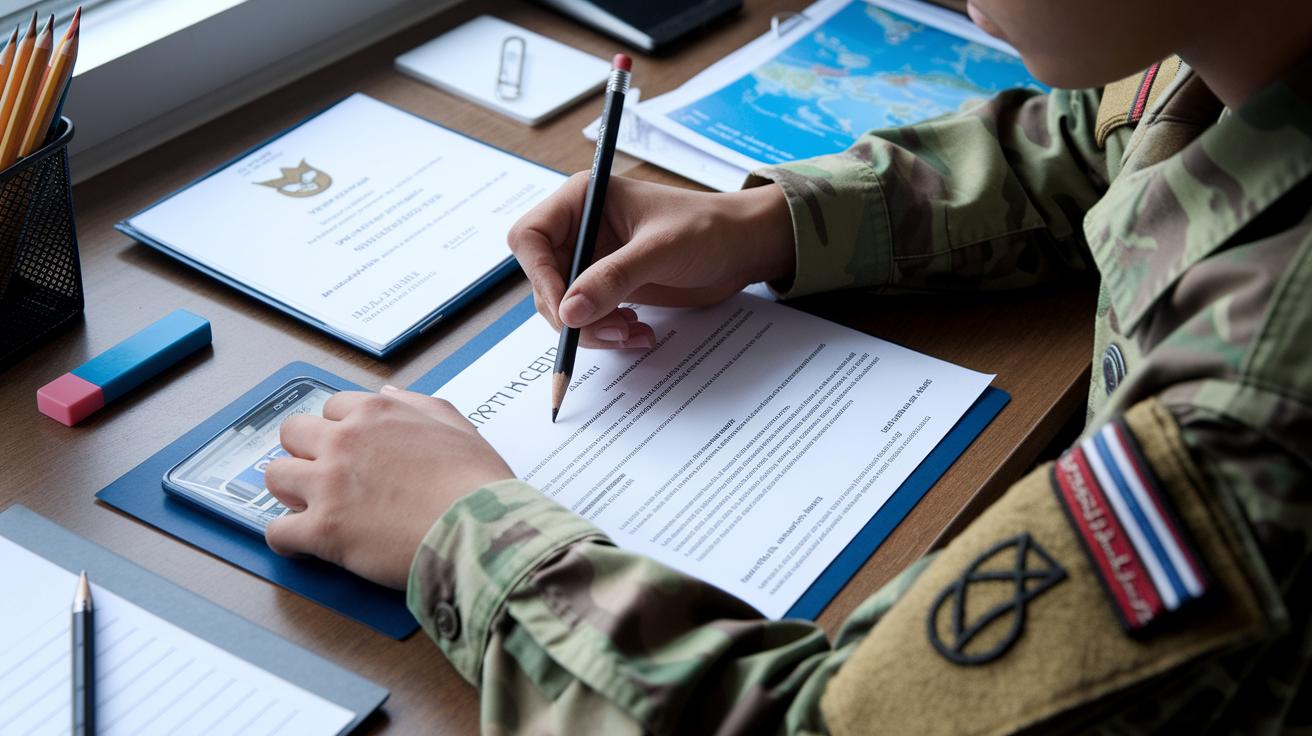
The ASVAB is a computer test you take at MEPS or MET sites, so being ready is crucial. Think of packing your stuff like getting your gear ready for a mission, each item plays a role in keeping you on track.
Staying organized on test day gives you a boost of confidence. When your documents and supplies are all set, there’s no need to scramble at the last minute. This careful prep lets you focus on doing your best.
- Government-issued photo ID
- Proof of citizenship (birth certificate or passport)
- High school diploma or transcript
- Appointment notice or scheduling confirmation letter
- #2 pencils and eraser
- Approved analog wristwatch
- Refillable water bottle
- Low-sugar snacks (granola bar, trail mix)
- Comfortable layered clothing
- Printed directions to the testing site
On exam day, arrive early and follow the MEPS steps. Get there at least 30 minutes before your scheduled time to check in and listen to a brief orientation. Make sure you have your items handy and pay attention to any special rules at the center. For more ideas on handling your time and actions on test day, check out best practices for military exam day.
Essential Documents and Credentials to Gather

Getting your paperwork sorted is just as crucial as packing your gear. Below is a handy chart to guide you through what each document is for, what kind of copy you need (like original or certified), and a few extra tips to help you on exam day. For instance, make sure your health certificate is dated within the past six months, much like checking your equipment before a drill, a current certificate keeps you mission-ready.
| Document | Requirement | Notes |
|---|---|---|
| Government-issued photo ID | Photo ID check | Original only, such as a driver’s license or state ID |
| Birth certificate or passport | Citizenship proof | Certified copy; acceptable proofs include a U.S. passport |
| High school diploma/transcript | Academic eligibility | Sealed envelope containing an official record |
| Appointment notice/scheduling letter | Test admission | Printed color copy showing your test date |
| Health/medical certificate | Fitness clearance | Issued within 6 months; may include scores from a licensed medical provider |
| Passport-style photo | Identification tag | 2×2 headshot with a white background |
Before you head out, take a moment to double-check your paperwork and even make copies where allowed. A few extra minutes now can help you stay as focused and ready as you would before any important mission.
Approved Stationery and Electronics for Exam Room
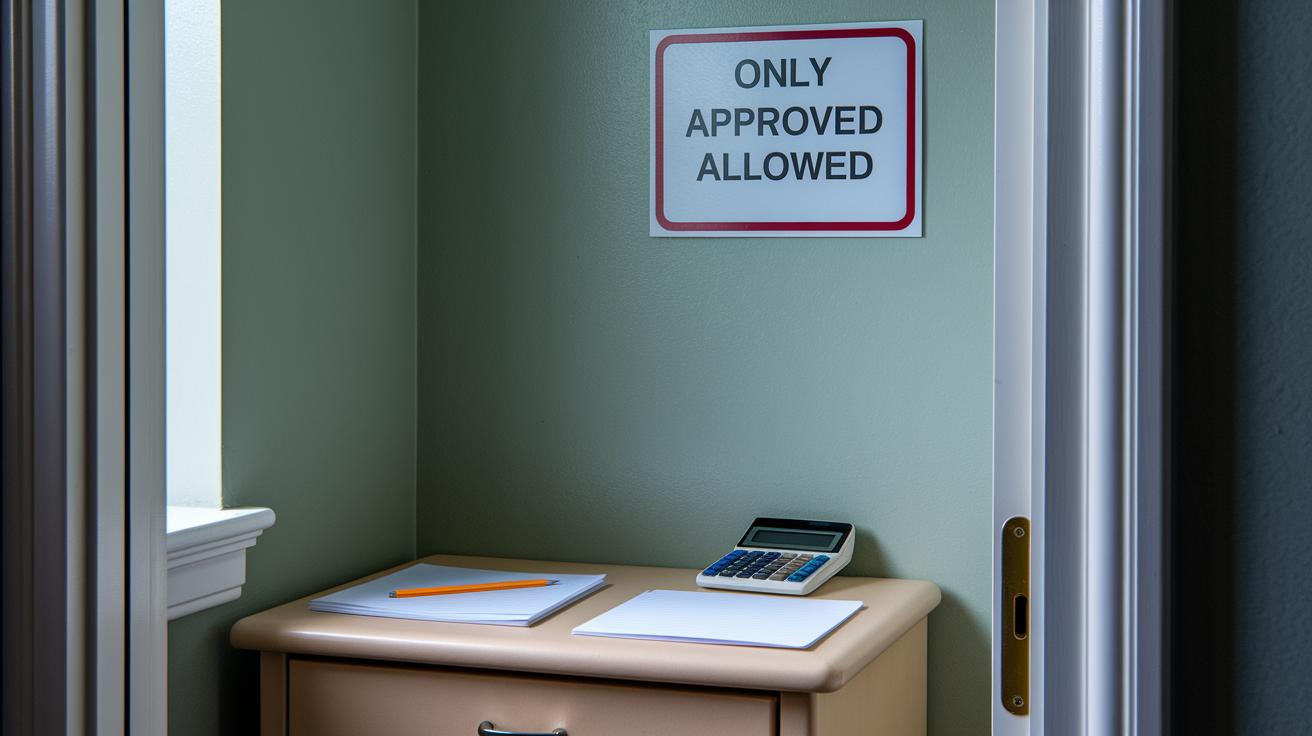
When you walk into the exam room, remember that only approved writing tools are allowed. Use a #2 pencil with a soft eraser for marking your answers. If you prefer a simple calculator (one that does basic math only), check ahead of time to see if it’s allowed because most centers don’t supply one. You might also get extra paper to scribble quick notes when needed. Think of it like having the right gear before a training drill, every tool helps keep you on target.
Electronic devices are not allowed inside. Leave your smartphone, smartwatch, and any other wireless gadget outside, since these items can disrupt the exam process. Instead, wear a basic analog wristwatch that simply tells time without storing data. This timepiece is like the trusty watch you count on during a mission. Follow these rules closely, so you can focus on doing your best without any distractions.
Travel and Venue Navigation for Exam Locations

Plan your trip to the exam center like you're setting up for an important mission. MEPS centers usually have limited parking and strict check-in times, so ask if your recruiting office offers a shuttle or if public transit might be a better choice. Make a travel plan and mark key landmarks along the way. While smartphone navigation apps are great for real-time help, don’t forget to download offline maps and print out directions just in case the signal drops. It’s a bit like prepping for a supply drop, you double-check every road and stop to ensure you reach your target without delay.
Try to get there at least 30 minutes early so you have time to settle in. If traffic is heavy or transit runs late, have an alternate route ready. Also, check parking details ahead of time and review local transit schedules and parking rules to avoid any surprises. Think of it like planning a field exercise, every step and detour is mapped out carefully. This approach keeps you focused and confident as you walk into the exam center on time.
Personal Comfort and Nutrition Strategies

On exam day, keeping your body fueled and hydrated is just as important as having your study guide in hand. Pack snacks like whole-grain bars or a handful of nuts. These low-sugar options give you steady energy without a big crash later. Just keep a water bottle with you and take small sips every 15 minutes. Skip the sugary drinks, they may leave you feeling drained when you need to stay sharp.
What you wear can really help you feel at ease too. Choose breathable layers, like a light T-shirt under a zip-up fleece, so you can adjust if the room feels too cold or warm. A good pair of comfy shoes and relaxed clothing can make a big difference as you wait before starting the exam. You might also want to pack a small pouch with tissues or a lightweight cap if you plan to be outside. When you’re comfortable, it’s easier for your mind to focus and handle any test-day jitters.
Pre-Exam Materials and Mental Readiness Techniques

Getting ready for exam day starts with a solid review of your study materials. Running through weekly timed practice tests with sample questions lets you get used to the test style and see how quickly you work. For instance, last Saturday morning I took a mock test and noticed my pace got better each time. Keeping a steady schedule for review helps you sharpen your knowledge and keep key ideas fresh. You might even want to add simple techniques like saying positive affirmations when doubts pop up. These act like a quick morale boost, much like a brief pep talk right before an important drill.
Before you step into the exam center, take about five minutes to do some deep breathing to calm any anxiety. A basic method is to close your eyes for a minute between different parts of the test to regain your focus. A short break can ease tension and clear your mind. Remember, moving around briefly, doing a few stretches, or even flipping through a few flash cards can help reset your concentration. This mix of study practice and relaxation tricks lets you enter the room feeling confident and ready to give your best.
Day-of Procedures and Timing Recommendations
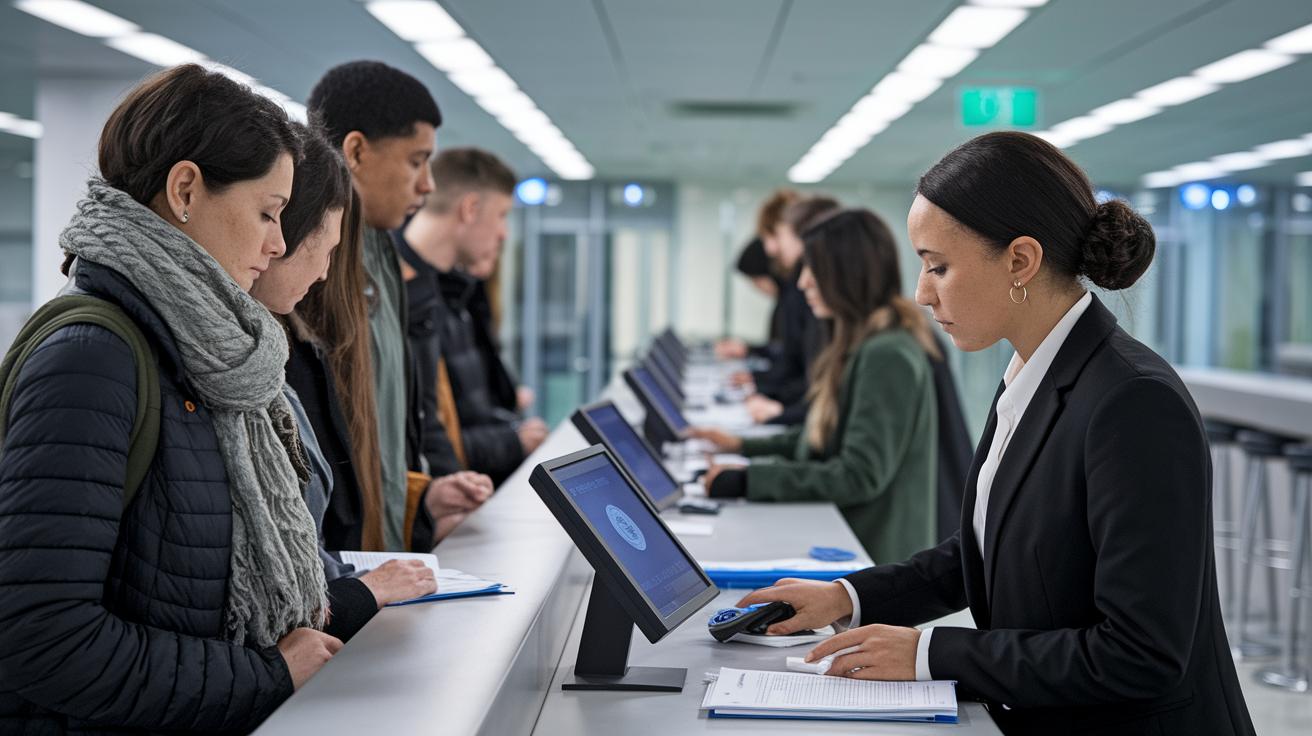
When you arrive at the testing site, make sure you have your appointment notice and government-issued photo ID ready. Many centers now use digital kiosks that quickly verify your name and exam type (this means they check what kind of test you’re taking) so you spend less time waiting. It’s like a short briefing before a mission, getting your details right sets you up for a good, focused session.
After check-in, you’ll get a 10–20 minute orientation briefing. During this time, you’ll learn the exam rules and important instructions. It’s also a good chance to review your appointment notice and think over what each subtest will involve. Take a quick moment to get your mind in the right space before moving on.
If you find yourself with a little downtime after the briefing, use it wisely by flipping over your flash cards or formula sheets. These quick reviews keep the key points fresh in your mind until the test starts. For extra tips on handling waiting time, check out time management for military exams.
Final Words
In the action of preparing for exam day, this guide has provided a clear, step-by-step checklist that covers everything from required IDs and documents to approved stationery and travel logistics. It reviews what to bring for military entrance exams and emphasizes comfort, nourishment, and mental readiness. The advice is practical and aimed at boosting confidence while ensuring you meet all the MEPS requirements. Stay focused, pack smart, and head into your exam with the confidence that you're well-prepared.
nexium over the counter australia
nexium over the counter australia
tadalafil aumenta libido
tadalafil aumenta libido
best online viagra
best online viagra
5mg generic cialis
5mg generic cialis
super vidalista 20 mg
super vidalista 20 mg
sildenafil monitoring parameters
sildenafil monitoring parameters
wegovy semaglutida ou tirzepatida
wegovy semaglutida ou tirzepatida
tab topiramate moa
tab topiramate moa
proscar label
proscar label
flagyl et fatigue
flagyl et fatigue
cialis classification
cialis classification
terbinafine dosage complete guide
terbinafine dosage complete guide
ketoconazole indication medical info
ketoconazole indication medical info
ivermectin demodex expert insights
ivermectin demodex expert insights
ivermectin rosacea treatment overview
ivermectin rosacea treatment overview
minoxidil explained
minoxidil explained
minoxidil 2% vs 5% potency analysis
minoxidil 2% vs 5% potency analysis
sildenafil erectile mechanism
sildenafil erectile mechanism
sildenafil dosage cost impact
sildenafil dosage cost impact
vardenafil caution risks
vardenafil caution risks
food interaction
food interaction
medical review integrity
medical review integrity
Onset Optimization Concepts
Onset Optimization Concepts
Effect Window Concepts
Effect Window Concepts