
Have you ever thought that the planning you use on the field could work in your study sessions too? Our test pattern strategy is a step-by-step battle plan that helps you spot trends and catch hidden mistakes. We break things down so you can see your strong points and know where to improve. It’s like reading the field before a mission, every detail counts, giving you the edge you need.
Core Military Test Pattern Analysis Strategies
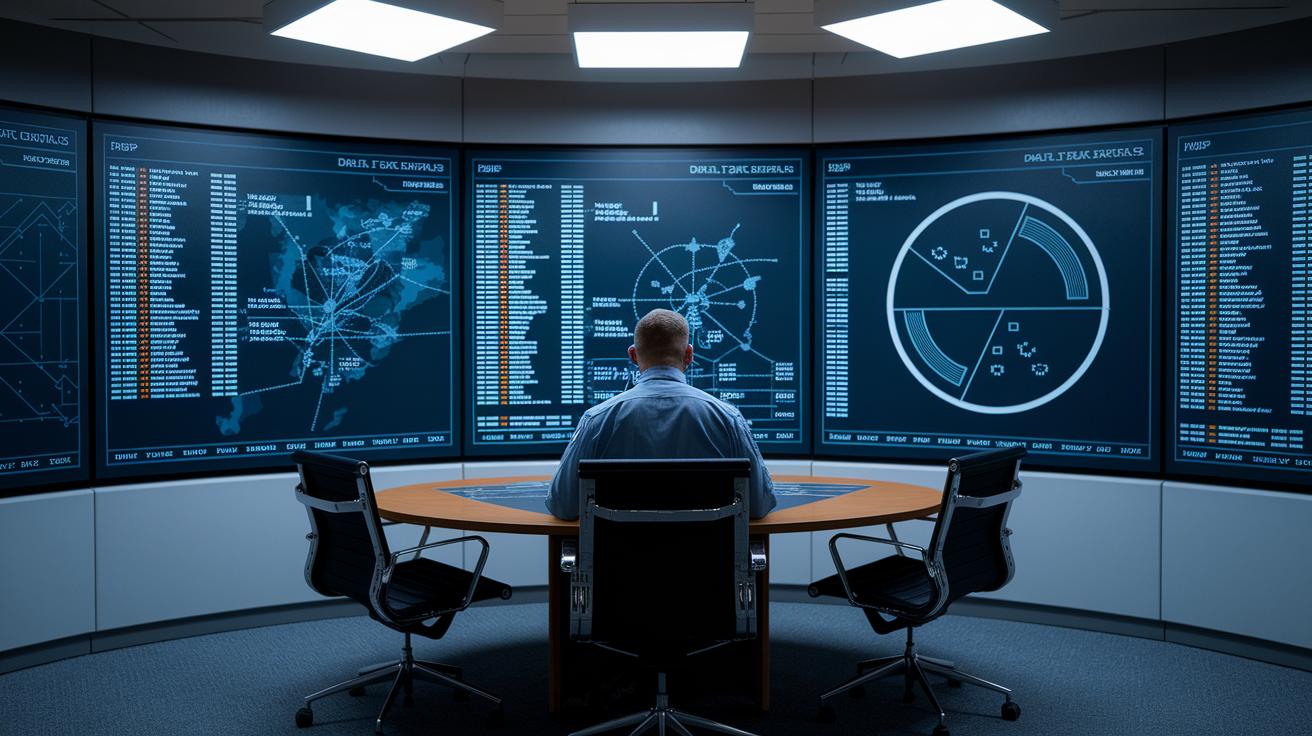
We use a step-by-step, evidence-based approach to break down tricky test patterns. You gather every bit of information and study it carefully, building a clear picture of your strengths and weaknesses. It’s just like how military strategists analyze intel before a big operation.
When you use basic ideas like drawing conclusions from examples, spotting patterns, and checking for any hidden biases (errors in judgment), you lay the groundwork for success. Think of it like getting ready for a mission: you go over your intel, review what happened, and even take a short break when you need to regroup. This steady routine helps you feel confident and cuts down on guesswork when it matters most.
- Comprehensive data gathering
- Sequence deconstruction
- Bias assessment
- Tactical pattern linking
- Iterative validation loops
- Performance feedback integration
Mixing these techniques makes your test reading sharper and your results more reliable. Each step fits together like parts of a well-coordinated operation, boosting your ability to make smart decisions under pressure. With strict time management and clear analysis, you can easily spot where you shine and where you need extra work. Our proven methods (see: https://militaryaptitudetests.com?p=94) make your practice sessions as real as a live mission, turning tough challenges into manageable tasks and paving your way to success on the test field.
Statistical Methodologies in Defense Pattern Evaluation

When we use stats for military tests, we need to adjust our tools to match how these tests are shaped. The ASVAB comes in two versions, CAT-ASVAB and P&P-ASVAB, each with its own style of questions and scoring. So, choosing the right math tools for each type makes sure our scores really reflect what’s happening on the ground.
We start by summing up key details with measures like the mean, median, and standard deviation (a way to show how spread out the scores are) to get a clear picture of average performance and score differences. Variance analysis helps us see differences between groups, while cohort analysis tracks how scores change over different test periods. Think of it like watching a unit’s progress over time. For example, if one group’s scores start deviating like a sudden shift in enemy lines during a drill, we know something is up.
We also use regression techniques to spot trends and tools that flag anomalies when scores hit certain thresholds. By comparing current numbers with past benchmarks, you can see what’s working and what needs more training. Using standardized metrics gives us a solid way to measure performance and check if our predictions about patterns are on point. In short, this organized approach turns raw data into clear, actionable insight, just like breaking down a mission plan to sharpen training and study strategies.
Software Tools and Automated Systems for Pattern Analytics

Software tools work like a tight-knit team on the field, managing a huge flow of test data with ease. They pick up large amounts of information quickly and use real-time pattern engines (which spot repeated signals) to catch familiar cues in test results. Dashboards flash alerts when unexpected scores pop up, just like your drill alerting you to a sudden change. Plus, these systems play well with portable detectors to grab and analyze data on the move.
Automated review setups mix strong processing power with smart signal classification, giving you a clear picture of candidate performance. Experienced analysts can tweak these models on the fly, much like a commander making split-second decisions during a training drill. And they don’t stop there, these systems keep checking and fine-tuning their own work with several rounds of validation and feedback, so you always get updated and precise patterns.
Today’s software tools even borrow ideas from systems like the Sudanese MPAS. This setup uses a DJI RC Plus Controller and cutting-edge detection gear to send real-time alerts. Backed by defense tech experts, these platforms offer exam strategies built on solid algorithms that boost analytical accuracy. For more details on how numerical analysis works in pattern checks, visit military test quantitative strategy techniques.
Tactical Signal and Anomaly Pattern Recognition

In test settings, picking out the right signals is key. It helps you notice important cues even when there's lots of background noise. Just like in the field, a small sign can point to a hidden threat or something that needs your focus.
Preprocessing and Feature Extraction
The work starts by cleaning up raw test data. You reduce noise and filter out clutter, much like tuning your gear before heading out on a mission. Techniques such as digital smoothing (which makes data clearer) and frequency filtering sharpen the details so you can easily spot planned signals from random interference.
Anomaly Detection Algorithms
Next, computer programs step in to look for patterns that don’t fit the norm. They use methods like thresholding, clustering, and supervised classifiers (tools that learn from past examples) to catch any unusual patterns. Think of it like when unexpected movements are flagged on the field, similar to spotting signs of hostile activity during a drill. These algorithms make sure that any odd signals are quickly marked for a closer look.
After that, the flagged anomalies are fed into larger decision-making systems. This helps the team make faster and more accurate calls when the pressure is on.
Simulation Models and Scenario-Based Operational Analysis
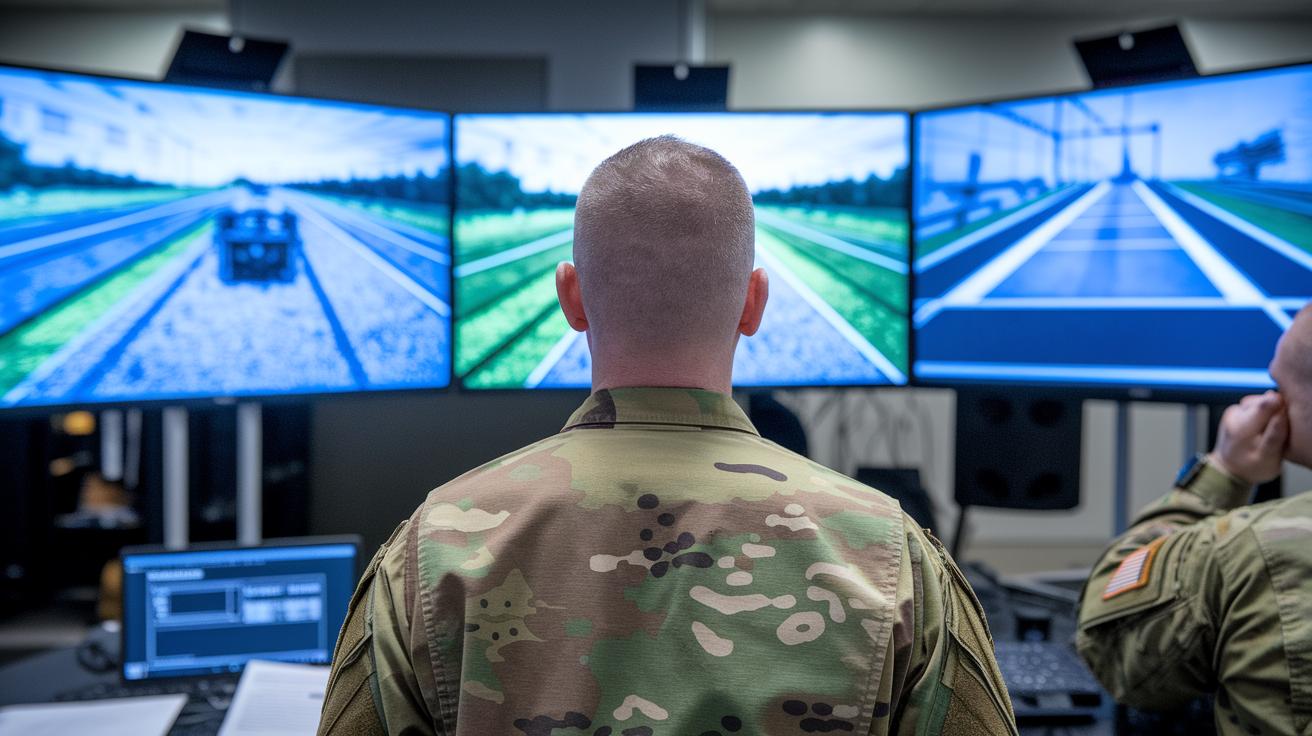
Realistic simulations really bring our test strategies to life. They mimic real-world conditions so closely that it’s almost like stepping into an actual drill. Imagine a training ground that mirrors an operational environment with its own set of challenges, this setup sharpens your ability to notice even the smallest cues. These models are built to echo the physical and mental pressures you’d face on the field.
Using scenario simulation techniques boosts both your decision-making and your knack for spotting patterns. When the test conditions feel like real-life situations, you gain a clearer sense of how things work and can prepare for anything unexpected. I remember feeling that shift when abstract numbers turned into real, tangible experiences.
- Terrain and weather conditions
- Opposing force tactics
- Communication jamming
- Supply-chain constraints
- Command-control latencies
It’s essential to match simulation outputs with field data to refine these strategies. By constantly comparing simulated performance with live trial results, you can adjust the scenario variables just right. This ongoing process helps avoid any mismatch between training and real conditions. In truth, this method keeps the models accurate, realistic, and in line with evolving operational needs. It also shows you exactly where the simulation mirrors real-world behavior and where tweaks are needed, making the overall process both efficient and precise.
Case Studies of Military Test Pattern Analysis in Action

Our advanced MPAS system picked up enemy movements from Chad during normal monitoring. In one clear case, the system flagged odd activity near the border, which later turned out to be enemy forces. This shows how quick data collection and real-time checks can alert our teams to new threats.
Another case looked at how the RSF handled electronic warfare signals while the Colombian Army relied on solid training records. The RSF had to double-check its use of U.S.-made red phosphorus munitions and thermobaric bombs against expected enemy signal patterns. Meanwhile, the Colombian Army used strong training data to refute claims of a chemical attack, notably in the “Bicycle helmet and training launcher” case. Each scenario brought a fresh challenge in making sure test patterns were spot-on.
These examples point to the need for clear, step-by-step protocols that use data from different sensors and regular method updates. By mixing reliable data with proper cross-checking, military test pattern analysis can better support our decision-making and turn every unusual signal into trustworthy intelligence.
Final Words
In the action, the blog broke down a tactical approach to mastering test pattern analysis with practical techniques and hands-on tools. It covered everything from strategic data collection to real-time signal processing, giving a clear view of how detailed evaluations support better decision-making.
By applying military test pattern analysis strategies, the content shows a clear path toward optimizing performance. Every method builds toward reliable, field-ready insights that boost both confidence and readiness for any mission ahead.
FAQ
What are the different military strategies?
The question “What are the different military strategies?” refers to approaches that include detailed data collection, sequence deconstruction, bias assessment, tactical pattern linking, iterative checks, and feedback integration—all used to improve decision-making.
What is a military analysis?
The question “What is a military analysis?” refers to a systematic evaluation of test patterns and defense data. It involves collecting facts and closely examining information to support clear, timely operational decisions.