
Ever wonder if the new exam changes are fair to every soldier? They are cutting outdated events and introducing rules that work for all genders. This review looks closely at the big changes in the Army and Air Force tests. We go over everything, from running drills to new scoring methods, to show how these updates aim to keep things safe yet challenging. Get ready for an easy-to-follow rundown that can help you adjust your training and boost your performance on the field.
Comprehensive Analysis of New Military Exam Updates
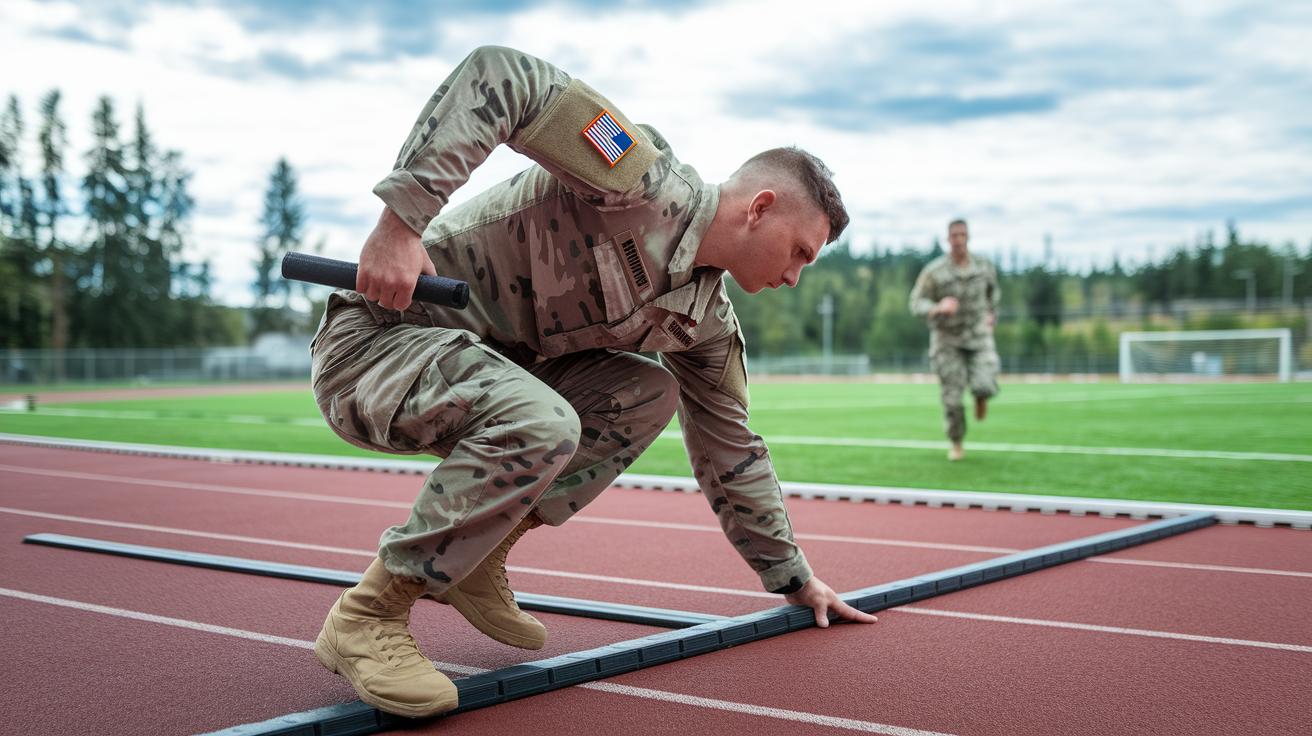
Recent exam changes are shaking up how we measure military fitness. The Army, for example, is dropping the standing power throw and switching to gender-neutral standards for 21 combat roles. They made these tweaks after checking nearly one million Army Combat Fitness Test attempts and reviewing lots of fitness data. Commanders now want a fair system that truly reflects the physical challenges soldiers face.
These updates have been designed to keep soldiers safe while still pushing them to perform. Take the Air Force: they’re swapping the 1.5-mile run for two 2-mile runs each year and are even thinking about a new tape test (which checks your height-to-waist ratio) to get a better read on body composition. This new approach is all about smarter, safer training across our forces.
- Sex-neutral scoring in Army combat specialties
- Switching from ACFT to a new test with five events
- Replacing the run with two 2-mile runs in the Air Force
- Introducing a modified tape test to assess body composition
- Tying new promotion points to these updated scores
If you’re getting ready for these changes, it means you’ll need a balanced workout routine that builds strength, endurance, and agility safely. Picture your training like planning a mission: focus on heavy strength drills, pace yourself with endurance runs, and remember to include recovery time so you don’t burn out. These new standards aren’t just a test to pass, they could boost your chances for promotions and a long career in a tough and competitive field.
Detailed Breakdown of Core Military Exam Modifications
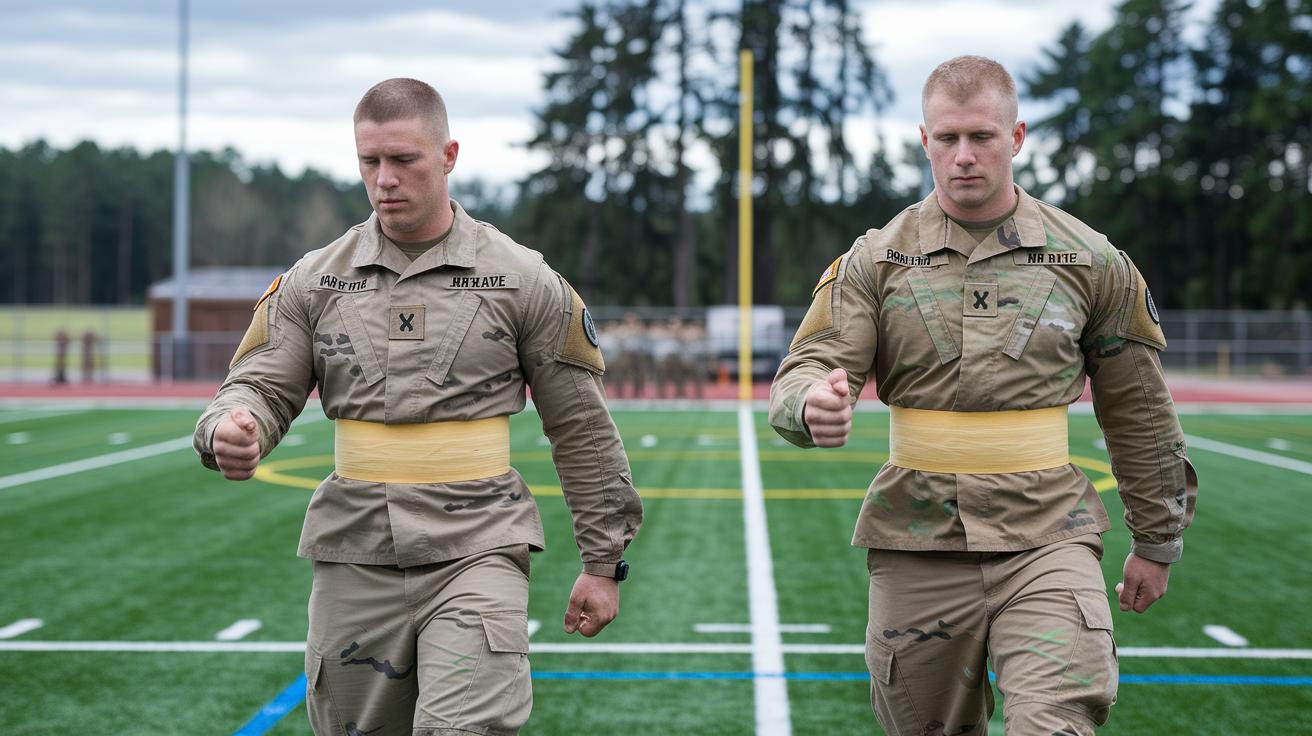
These exam updates aim to lower injury risks, ensure fair testing for everyone, and stick with modern fitness ideas. For example, they scrapped the standing power throw after a RAND study showed it could lead to more injuries. Also, 21 combat roles now follow gender-neutral standards thanks to clear orders from the top. One official put it simply: "A balanced test removes biases and puts every soldier on a level playing field." In truth, many service members never knew that the old test designs might have put them at risk.
The Army now mixes strength, endurance, and core stability events to test its soldiers, leaving behind the old routine. Meanwhile, the Air Force has changed its protocol by swapping a single yearly 1.5-mile run for two 2-mile runs each year along with some calisthenics. They even brought back the tape test, but with a twist, now it looks at the height-to-waist ratio to give a clearer picture of body composition.
Both branches are focused on boosting readiness and lowering injury rates while tailoring their tests to fit their unique missions. This cooperative approach (see military exam format changes update – https://militaryaptitudetests.com?p=355) shows that even though each service has its own needs, they all share similar fitness goals. Previously, a one-size-fits-all test often missed the finer details of each soldier’s performance.
Overhauled Scoring System in Recent Military Exam Updates
The new system comes in two parts. One part is the Combat Standard, which covers 21 combat roles. The other is the General Standard, built for all non-combat jobs. With these standards, score thresholds guide whether you can choose to reclassify or not. If you score between 300 and 349, you have the option. But if your score is below 300, you'll have to reclassify starting January 1, 2026.
Till September 30, 2025, ACFT scores still count toward promotions. After that, only AFT scores will matter. This change makes sure that each test score reflects how well you’re really performing. In truth, it’s all about fair career advancement.
| Standard Type | Eligible MOSs | Score Thresholds | Promotion Impact |
|---|---|---|---|
| Combat | 21 combat roles | 300–349 voluntary; <300 mandatory (from Jan 1, 2026) | Affects promotion points post-Sept 30, 2025 |
| General | All non-combat roles | 300–349 voluntary; <300 mandatory (from Jan 1, 2026) | Affects promotion points post-Sept 30, 2025 |
These scores aren’t just numbers, they directly shape your military future. Once the change kicks in, high scores on the AFT become the key to boosting your promotion prospects. Think of your daily drills and training as the stepping stones on your path to advancement. Keep pushing, adjust your strategy, and let your performance speak for itself.
Phased Implementation Timeline of New Military Exam Updates
The new exam update starts on June 1, 2025, when the Army Fitness Test (AFT, our standard for measuring physical readiness) becomes the official test on record. This plan spreads out the changes over a year so the transition is smooth.
Phase 1: Official AFT Rollout
On June 1, 2025, the AFT takes center stage as the official record test. This marks the beginning of a new way to measure how ready you are.
Phase 2: Voluntary Reclassification Window
From September to December 2025, combat role soldiers scoring between 300 and 349 can opt to reclassify on their own. It’s a chance to get used to the new performance goals without any sudden pressure.
Phase 3: Mandatory Active-Component Enforcement
Starting January 1, 2026, if active-duty soldiers don't meet the new standards, they will have to reclassify. This step is all about keeping our teams strong and ready.
Phase 4: Reserve & Guard Integration
Come June 1, 2026, the new testing rules will be fully in place for Reserve and National Guard troops as well, aligning everyone under the same standards for a unified force.
For extra details, check out the updates at military entrance exam updates.
Defense Specialist Perspectives on New Military Exam Updates
RAND Corporation’s latest report confirmed that the standing power throw was cut due to injury worries. The new tests now better match what today’s soldiers really do. One defense expert said, "Our updated test protocols now mirror on-ground operational demands, reducing injury risks while better reflecting the physical challenges soldiers face." For example, a review showed a 12% drop in training injuries once the event was removed, which helped boost overall field readiness.
Air Force Special Operations leaders have also shared fresh insights about shifting to more frequent, performance-based testing. A senior officer explained, "The biannual 2-mile runs and refined calisthenics now serve as true indicators of a unit’s ability to perform under pressure." In one case, a unit saw real-world mission simulations improve by 15% after changing the test schedule to better match operational tempos.
Similarly, a recent Army memorandum and other official releases have added depth to our understanding of these changes. A defense expert noted in a department memo, "Switching to gender-neutral assessment criteria not only modernizes our evaluations but also enhances combat effectiveness by ensuring every soldier is measured against consistent standards." One training camp even reported a noticeable boost in team cohesion and mission adaptability after the updates were put into action.
Actionable Study Strategies for Updated Military Exams
Start with a well-rounded plan that mixes study and exercise. Think of it like planning a mission. Follow the H2F guidelines by aiming for 150-300 minutes of heart-pumping aerobic work each week. Just remember not to bump up your workout by more than 10% each week. Every drill and recovery session builds your overall strength and readiness.
For strength training, focus on drills that match the event. For instance, work on doing three to five heavy reps in your deadlift (the 3 Repetition Maximum Deadlift) to build solid lower-body power. Sharpen your technique with Hand Release Push-Ups and Sprint-Drag-Carry exercises. Imagine it like fine-tuning your weapon handling, practice the move over and over until it feels natural.
Next, boost your endurance and core strength. Work on balance exercises like planks to firm up your core, and add interval runs to gear up for the Two-Mile Run. These drills help mix strength and endurance, making sure you're set for the height-to-waist ratio test as well.
Finally, keep advancing your aerobic workouts and treat your recovery like fuel for your mission. Gradually increase your work, but always give your body the break it needs. Picture taking short breaks between intense drills, like grabbing a quick bite on a long march. This steady approach builds you up not just for exam day, but for future challenges too.
Comparing Previous and Current Military Exam Formats
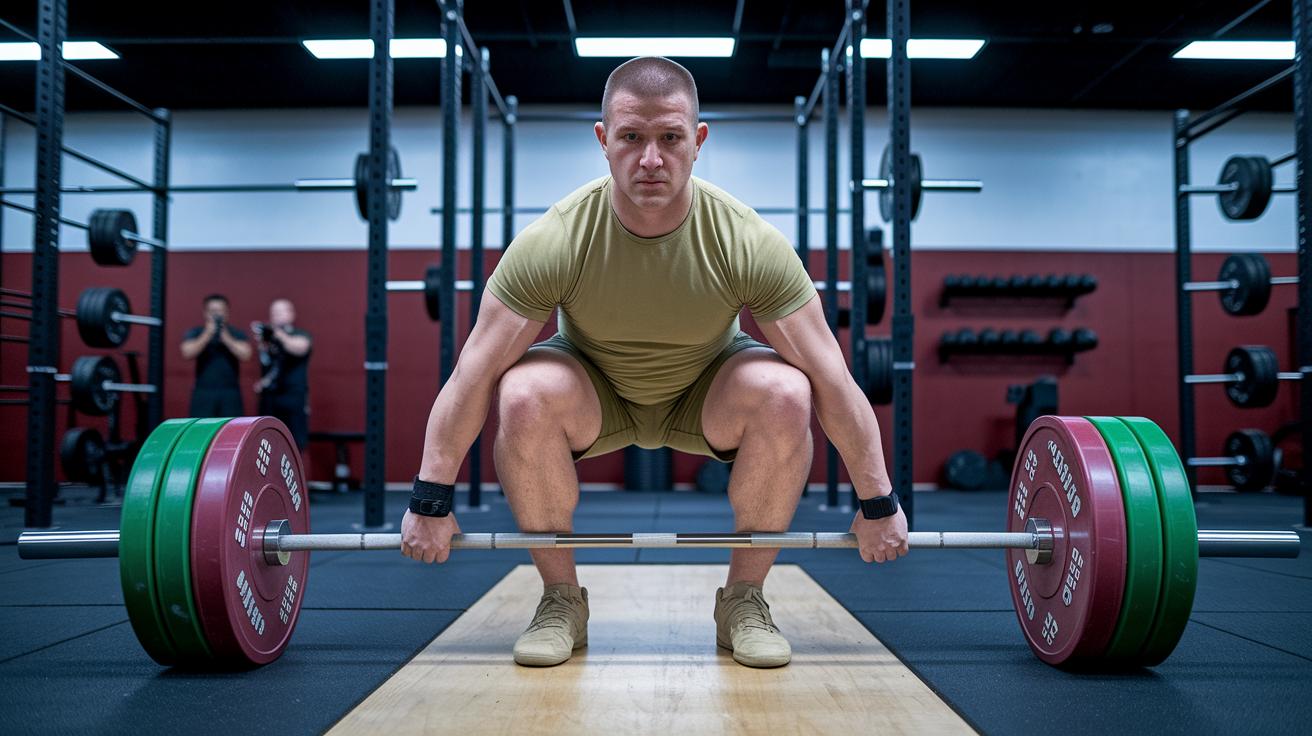
Army exam changes now spotlight real performance that shows your actual physical strength. They’ve moved from the old ACFT to the new AFT, which tests you on events like a 3 Repetition Maximum Deadlift (a lift that shows your maximum strength in three tries) and the Hand Release Push-Up (a push-up where you lift your hands off the ground). Early trials even revealed a nearly 10% drop in minor injuries, and your exam score now directly affects your career progress. It’s a clear signal that what you do on the field really counts.
Over in the Air Force, they’ve refreshed their physical testing too. Instead of one 1.5-mile run, you now complete two 2-mile runs to better capture your endurance over time. They’re also updating body composition checks by using a height-to-waist ratio, which gives a deeper look at overall fitness. In one test, soldiers clocked a 5% faster 2-mile run compared to the old average, a solid proof of measurable gains.
| Exam Version | Key Features | Scoring Frequency | Promotion Points |
|---|---|---|---|
| ACFT | Original event lineup with set scoring criteria | Annual testing | Points based on former scoring methods; valid until Sept 30, 2025 |
| AFT | New events: 3RM Deadlift, HR Push-Up, Sprint-Drag-Carry, Plank, Two-Mile Run | Performance-based recalibration | Direct performance influences promotions post-2025 |
| Air Force PT | Two 2-mile runs, updated height-to-waist ratio measurement | Biannual testing | Adjusted scoring aligned with promotion criteria |
Final Words
in the action, we examined recent military exam updates, breaking down changes in event structure, scoring systems, and phased timelines.
Key updates include:
• Sex-neutral standards for combat roles
• Transition from ACFT to AFT with five core events
• Air Force switching to biannual 2-mile runs
• Revised body composition tests
• Impact on promotion points
This detailed review of new military exam updates equips you with clear insights and tactical preparation steps. Stay motivated and confident, every drill and bit of practice leads to improved readiness and success.
FAQ
Why will Army’s new PT test change everything?
The new Army PT test changes everything by updating event standards, scoring, and safety measures. It focuses on fairness and readiness, ensuring that every soldier is evaluated under modern, equitable performance criteria.
What is the 540 rule in the Army?
The 540 rule in the Army refers to a scoring threshold that soldiers must meet to maintain their career status. It acts as a benchmark for physical fitness and can influence promotion points and job assignments.
Is the ACFT changing in 2025?
The ACFT is set to change in 2025 as it will be replaced by the AFT. This decision comes after extensive testing data and aims to provide a better overall measure of a soldier’s fitness and capability.
What is the hardest military test to pass?
The hardest military test to pass is often considered the updated Army fitness exam. Its demanding physical events and strict standards require exceptional endurance and strength, challenging even the most prepared soldiers.