
Ever get the feeling your test score just doesn't match what you know you're capable of? Maybe it's because of a couple of small mistakes that chip away at your points. For example, not having a solid study plan or running out of time on the easy questions can really shift your outcome. These slip-ups can add extra stress when you need to keep your cool. Once you spot them, you can tweak your strategy and zero in on what's important to help you perform your best. Stick around, and you'll see how a few minor changes can boost your score.
Recognizing Common Military Aptitude Test Mistakes
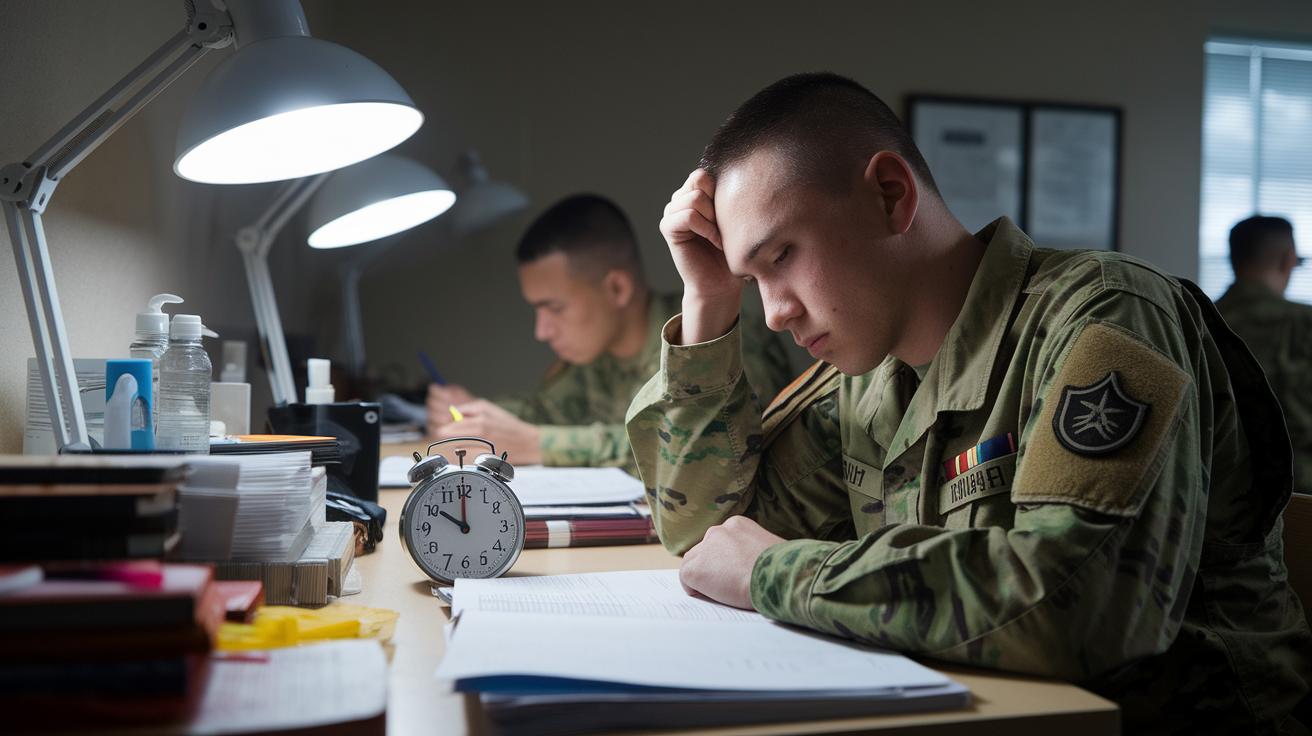
Many candidates make mistakes when taking military aptitude tests that can really cost you points. One big error is not preparing well. Without a clear study plan, it’s like going into battle without a map, you’re left guessing instead of following a set course.
Another mistake is poor time management. You might end up spending too much time on one tough question and then rush through the easier ones. For example, you could get stuck on a number reasoning puzzle and lose valuable minutes that could be earned elsewhere.
Missing key words in instructions is another pitfall. If you skip over words like "least" or "most," you might choose the wrong answer even if you understand the idea. Reading carefully can save you from losing points on a simple detail.
Some candidates also decide to guess answers without enough confidence, especially on sections with penalties for errors. Blind guessing can backfire when negative marks come into play.
Stress can also get the best of you. When you feel too nervous, even simple problems might seem harder than they are, making it tough to focus.
Not taking time to review your answers is a common issue too. A quick look-through can help you catch mistakes that you might otherwise overlook.
Finally, focusing only on the subjects where you feel strongest leaves gaps in your overall performance. Tests like the UK Army Aptitude Test need a balanced approach in areas such as number reasoning, spatial awareness, logical reasoning (understanding patterns and rules), categorical awareness, rule analysis, and error analysis. Aiming to score at least 26 points means you need to cover all bases.
By being aware of these common mistakes, you can stay on track and avoid repeating them when it really counts on test day.
Time Management Errors in Military Aptitude Tests

Candidates may end up spending too much time on hard questions, which wastes vital minutes that could be used on easier ones. For instance, if you get stuck on a tricky spatial reasoning problem, you might barely have time left for a basic arithmetic question. It’s a bit like over-focusing on one part of a mission and leaving another part unguarded.
This kind of time mismanagement can really hurt you on exam day. Instead of rushing through simple questions or lingering too long on one difficult problem, try to spread your time out evenly. Here are a couple of strategies to help:
Imagine facing a challenging logic puzzle and suddenly realizing you’ve lost track of time. A quick review can help you confirm your answers and adjust your pace. By managing your time well, you avoid rushed decisions and keep your mission on track for a better score.
Misreading Instructions and Oversights on Military Aptitude Tests

Sometimes, instructions on tests can trip you up, causing wasted time and lost points. Missing key words like "least" or "most" or overlooking a negative phrase can really throw you off track. Imagine reading a question that asks for the smallest option, then accidentally choosing the largest, it’s an easy mistake that costs you valuable points.
To avoid these errors:
- Read each question thoroughly.
- Keep an eye out for important words that steer the answer.
- When you spot qualifiers like "most," "least," or any negatives, pause to make sure you understand what’s asked.
A quick re-read might just be what saves your score.
Anxiety and Stress Impact on Military Aptitude Test Performance

Too much stress can quietly mess up your exam. When anxiety hits its peak, even questions you know well can feel confusing and overwhelming. The pressure of test day might make you misread instructions or second-guess answers that are actually right, which can really hurt your score.
Not having a set routine to calm your nerves can show up big time under pressure. Your mind might start racing, making it hard to focus or do simple math without mistakes. Even tiny errors, like skipping over a key detail, can cost you points. Plus, if you've had a few anxious nights and not enough sleep, it’s even tougher to think straight on test day.
Skipping practice sessions that mimic real exam conditions only ramps up the challenge. Doing drills that feel like the actual test can build up your resilience and cut down on those stress-induced errors. Try using deep breaths and brief mental pauses during your practice. For more ideas on managing test anxiety, check out the military test anxiety management strategies. Preparing in a realistic setting can really help you fight back against stress and perform better overall.
Content Knowledge and Preparation Pitfalls in Military Aptitude Tests

Many candidates trip up by not reviewing every part of the test. Without a proper study plan, it’s easy to stick to what you know and miss your weak spots. Even though some resources offer over 360 questions in three workbooks, you can still leave gaps if you don’t use them wisely. Here are five common pitfalls and simple countermeasures to help boost your study game.
-
Inadequate study material selection
Countermeasure: Pick study materials that cover every section of the test. Instead of relying solely on basic guides, mix in workbooks with different types of questions to build up a balanced skill set. -
Overreliance on memorization without concept understanding
Countermeasure: Focus on really understanding the test ideas rather than just memorizing facts. Explain each problem aloud like you’re briefing a teammate so you truly grasp the reasoning behind every answer. -
Skipping full-length timed simulations
Countermeasure: Regularly run through full-length, timed test simulations to mimic the real exam. Think of it like planning a mission with set time limits, these drills help you find your pace and spot areas that need work. -
Ignoring feedback from practice tests
Countermeasure: Take time to review your mistakes after practice tests. Keeping a log of errors can show you patterns in your missteps, making it easier to fix specific weak areas. -
Rigid study schedules that don’t adapt to performance data
Countermeasure: Make your practice sessions flexible. Adjust your study plan based on how you perform, if one section keeps tripping you up, give it extra attention.
Using these countermeasures not only fills your study gaps but also boosts your confidence before you step into the exam room. Think of your study plan as a mission briefing, the more detailed and adaptable it is, the better your chance to ace the test.
Numerical and Verbal Reasoning Mistakes on Military Aptitude Tests
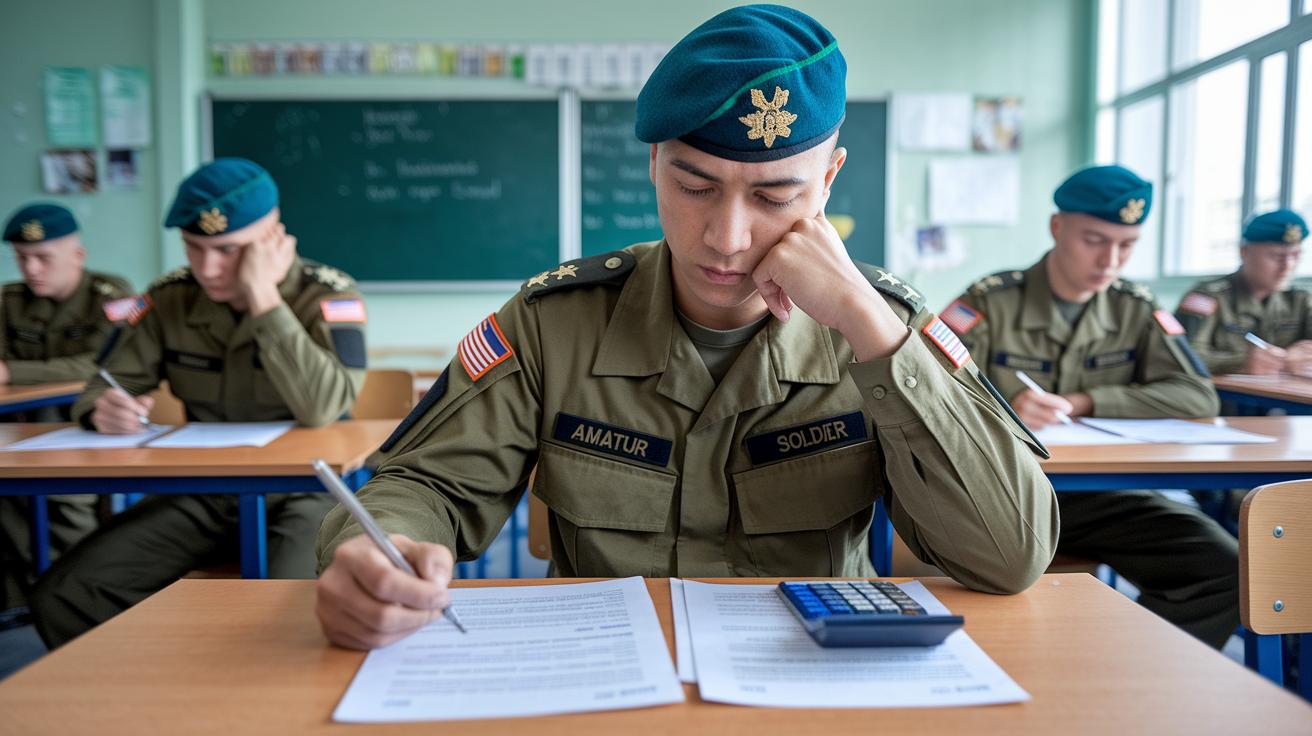
When you’re taking the test, it’s easy to stumble on number and word questions. In the math section, many folks trip over basic calculations. For instance, one wrong move with fractions or percentages can throw off an otherwise square answer. Sometimes, candidates lean too much on calculators or use them the wrong way. Even a tiny slip, like putting the decimal in the wrong spot, can completely change the problem and cost you points.
In the word part, things can get tricky by mixing up word relationships. Imagine a question where you need to pick the best analogy. Some might overthink and choose the wrong answer because they add extra complications. Misunderstanding words that mean the same (or the opposite) can also lead to errors. Ever notice how a seemingly clear question can twist unexpectedly because of one slight word change? That’s exactly how misreading cues can really hurt your score.
Overthinking even simple questions can make matters worse. When you try to analyze every single word, you might miss the straightforward answer. Flaws in handling data, whether it’s spotting a clear number pattern or pairing words correctly, are common. Recognizing these pitfalls can help you focus, keep things simple, and score better on your exam.
Tactical Answering Strategy Errors in Military Aptitude Tests

One common error is falling for distractor options. Sometimes you'll see answers that look almost the same, but only one is truly correct. If you choose the wrong one, you lose precious points.
Another pitfall is switching your answers too often. When you doubt your first pick, you might change it more than once. Imagine picking the right answer at first, then changing it because you weren’t sure, only to later realize your original choice was correct. Constantly revising your answers can waste time and cost you points.
Missing a step in checking your calculations is another frequent mistake. Even a small error, like misplacing a decimal point, can trip you up. Taking a moment to recheck your work can catch these little mistakes before they hurt your score.
Remember to look at the test’s scoring rules. Some tests don’t penalize you for a wrong answer, so it might be best to stick with your first choice when you’re uncertain. For tests with negative marking, however, be extra cautious before making changes.
- Remember: trust your first instinct
- Double-check your calculations
- Avoid excessive answer changes
These simple tips can help you avoid common pitfalls and keep your score high.
Improving Performance: Strategies to Overcome Common Mistakes on Military Aptitude Tests

One effective approach is to keep an error log during practice tests. Over 16 years of candidate success shows that reviewing mistakes is like a proper debrief after a drill, it helps you spot patterns that could trip you up during the actual exam. So, after every simulation, jot down any questions where you hesitated or made a simple error, and take a moment to go over these notes before your next round.
Another smart tactic is to mix up your timed simulations. Instead of sticking to the same routine, try varying the time you spend on each section to better mimic the real test setting. This trains you to shift gears when needed, just like adjusting tactics in the middle of a mission. Regular practice under timed conditions not only sharpens your pacing but also builds up your resilience. You might want to start with the sections you find most challenging and then gradually add more types of questions, from number reasoning to logical patterns, to cover all the bases.
Switching up your study materials can also pay off. With hundreds of unique questions spread across different workbooks, you get a broader exposure by alternating which set you work on. For instance, focus on spatial awareness one day and error analysis the next. This way, you won’t get too comfortable with one area and will keep every skill sharp.
Finally, set up a detailed study schedule that grows with you. If one topic keeps giving you trouble, build in a little extra time for it while still keeping a balanced plan. Consistent practice, along with periodic full-length simulations, sets you up for steady progress. For a structured plan that covers every test area along with timed practice, check out the step by step military test preparation guide at https://militaryaptitudetests.com?p=192.
Overall, mixing regular reviews, flexible pacing, and diverse study sessions can really boost how you perform on test day.
Final Words
In the action, we broke down the key factors impacting military test scores. We looked at timing issues, missed instructions, stress blips, and content prep oversights that can trip you up. We also touched on numerical and verbal errors and how tactical missteps affect your scoring. By understanding these common mistakes on military aptitude tests, you can correct your study plan and build better exam confidence. Keep practicing, keep focused, and step into your test day with a strong, clear mind.
FAQ
What are common mistakes on military aptitude tests and what do Reddit discussions reveal?
The common mistakes include poor preparation, mismanaged time, and overlooking instructions. Many service candidates share these errors online, which can result in missed marks and unnecessary stress during testing.
What do psychometric personality test questions and psychometric tests assess?
The psychometric test questions assess personality traits using numeric scoring. They help gauge your suitability for military roles by evaluating cognitive skills and individual characteristics in plain, measurable terms.
What do situational aptitude test questions and answers evaluate?
The situational aptitude test questions evaluate your decision-making in simulated conditions. They focus on tactical reasoning, stress relief, and practical problem-solving, reflecting the real pressures faced in service environments.
What distinguishes a top or best aptitude test from a mixed aptitude test?
Top or best aptitude tests focus on your strongest skills, while mixed aptitude tests cover multiple subjects like math, reasoning, and verbal tasks. Both offer a balanced look at your overall abilities.
How do I pass the military aptitude test and what is the secret to success?
Passing the test relies on consistent practice, a structured study plan, and timed simulations. Reviewing your mistakes and managing stress effectively are key steps that build confidence for the exam.
How hard is the military aptitude test?
The military aptitude test challenges you with a variety of numerical, verbal, and logical questions. Clear preparation and steady practice make it manageable, as many candidates achieve satisfactory scores with focused effort.
Where can I find Maths Aptitude Test questions and answers in PDF format?
The available Maths Aptitude Test PDF offers a wide array of practice problems with clear explanations, designed to strengthen numerical reasoning and help refine your problem-solving skills.