
Ever wonder if your fuel might be holding you back during those tough drills? A clever fitness and nutrition plan matches solid training with the right diet so you can perform at your best.
This guide breaks down how to measure your body’s food needs and plan meals just like you schedule your drills. Think of it as setting up the perfect strategy for every workout, a mix of hard work and the right nutrients that keeps you alert and strong.
Get ready to fine-tune your routine and enjoy the real benefits of a mission-focused eating plan.
Integrating Military Fitness and Nutrition Principles

Pairing solid training with smart fueling is key to top performance. First, take note of your Basal Metabolic Rate (BMR, a measure of the calories your body burns while resting). This tells you what your body needs right from the start. Next, your Total Daily Energy Expenditure (TDEE) builds on that by adding in factors like age, gender, weight, height, and the stress of your drills and endurance routines.
A good military fitness nutrition plan mixes a strict workout schedule with a diet that’s planned out just right. Think of it this way: planning your meals is like setting up your training sessions. Just as you review your workout regimen and adjust your drill intensity, you should check your calorie needs and tweak your food intake using your TDEE as your guide.
New advice from June 2, 2022, reminds us that eating well and staying hydrated aren’t just about dodging low blood sugar or heat injuries during tough drills. They also boost your endurance and speed up recovery, so you stay ready for action. This combined approach, as featured on our military fitness plan page (https://militaryaptitudetests.com?p=77), makes every calorie count during long training sessions.
Have you ever wondered how your energy stays high throughout a long day of training? It all comes down to balancing your calories and timing your nutrients right, keeping you in top shape for every rep and drill.
Macronutrient Strategy for Military-Level Conditioning
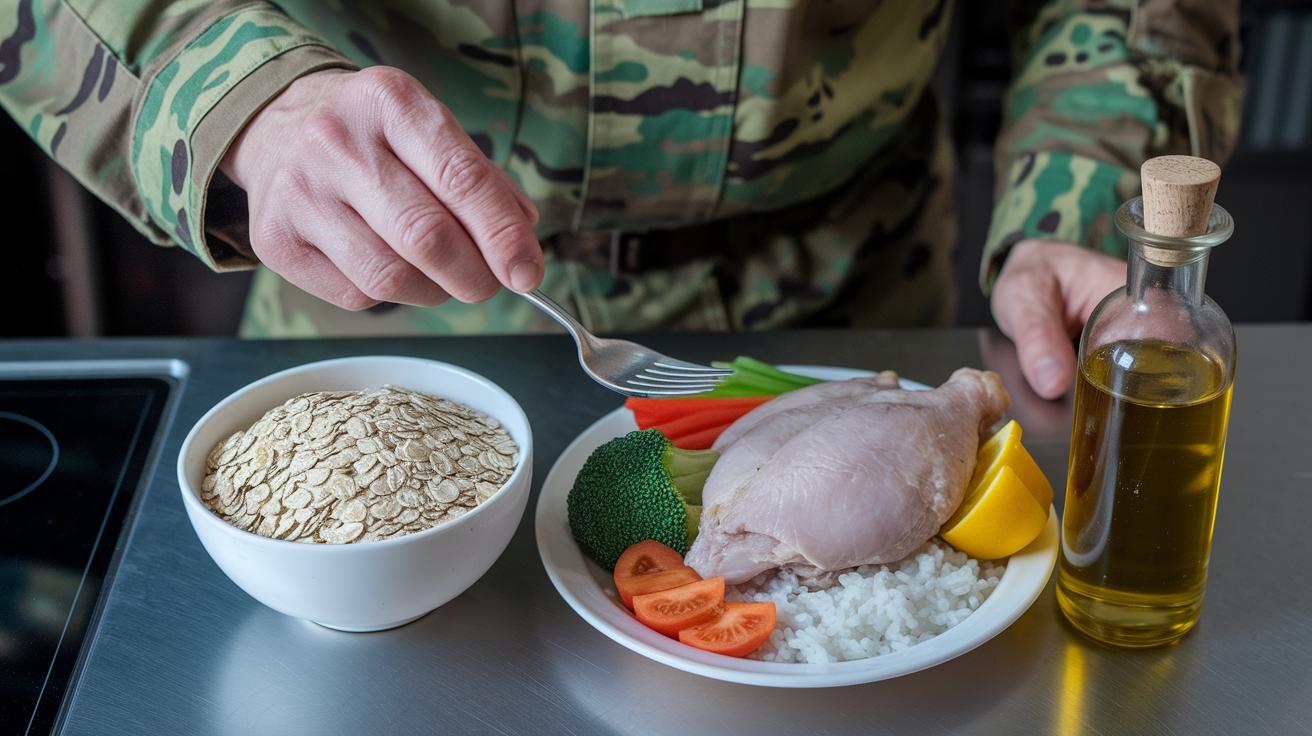
When you’re gearing up for a tough day of drills, keeping your fuel game strong is a game-changer. A solid starting plan is to eat about 45% carbohydrates, 30% protein, and 25% fats. Carbs like oats and brown rice give you steady energy during long training sessions. Protein, from foods like chicken and fish, helps your muscles bounce back after hard work. And healthy fats from nuts or olive oil keep your body running smoothly.
Now, when you’re pushing for endurance, you might need extra energy. Try bumping your complex carbs to 55% while keeping protein right where it is. Imagine powering through a grueling field exercise and then recharging with a bowl of brown rice and steamed veggies. This way, your blood sugar stays steady and you fight off fatigue, even during long missions.
On days focused on building strength, consider boosting your protein up to 35%. More protein means faster muscle repair and improved lean strength during intense drills. Swapping a bit of your carbs for an extra lean protein serving can really help your recovery and boost performance.
Remember, picking whole food choices over processed ones can keep your energy levels balanced and prevent sudden blood sugar spikes. Stick to these macronutrient tips and adjust them to match your training phase. Doing so helps you stay mission-ready, whether you’re on endurance runs or hitting strength sessions.
Structured Military Meal Scheduling and Nutrient Timing

Plan your day around five key meals over a 16-hour span to keep your energy levels steady during training. Start with a pre-workout meal about 60 to 90 minutes before you hit your exercise. That meal should mix simple carbs with a moderate amount of protein. For instance, a slice of whole-grain toast paired with a boiled egg offers easy-to-digest fuel and provides quick energy.
Next, grab a mid-morning snack to keep your blood sugar balanced until lunch. This little bite bridges the gap and keeps you moving. Then, enjoy a hearty lunch full of balanced nutrients to back you up through your mid-day activities and drills.
Before you jump into your evening session, have a light pre-evening snack to top off your energy reserves. A small piece of fruit with a handful of nuts is a great pick for keeping you sharp.
After training, your post-workout meal is crucial for recovery. Try to eat within 30 minutes of finishing your exercise. This meal should include about 20–30 grams of protein and 40–60 grams of carbs. For example, lean chicken with a side of rice is an excellent option for jump-starting muscle repair.
And remember to hydrate throughout the day. When you're on long field exercises, sipping on electrolyte drinks every hour helps prevent dehydration and keeps your performance on point.
Pre- and Post-Training Nutrition for Tactical Workouts
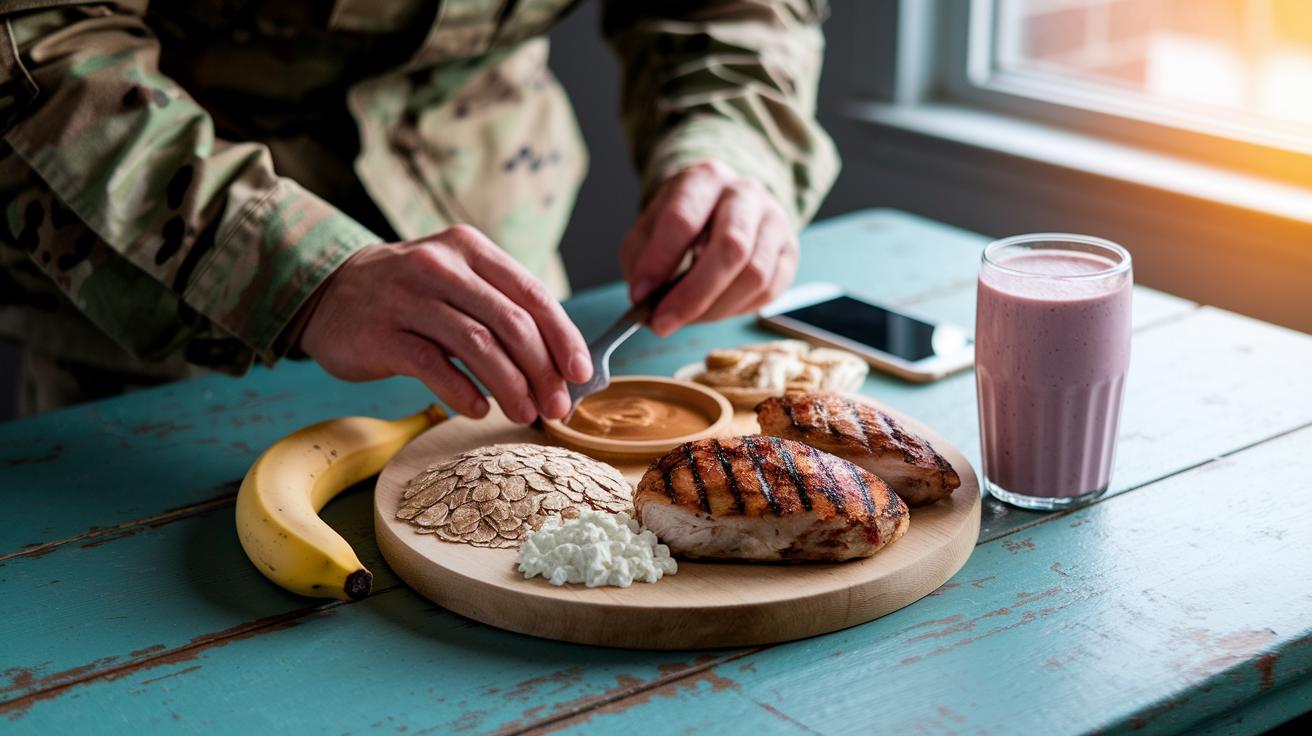
Add these food ideas into your Structured Military Meal Scheduling and Nutrient Timing section to streamline your nutrition plan. Think of it like lining up your gear before a mission.
For example, grab a banana with a smear of almond butter, just like fueling up with top-grade gas before heading out. Or mix up some oatmeal with whey protein for steady energy that carries you through drills. Once your training wraps up, enjoy options like grilled chicken paired with sweet potatoes or sip on a yogurt–berry smoothie (packing about 25 grams of protein) to kick muscle recovery into gear.
- Banana with almond butter for a quick energy boost before training
- Oatmeal with whey to keep you fueled during drills
- Grilled chicken with sweet potatoes to aid muscle repair after workouts
- Yogurt–berry smoothie for a smooth, effective recovery
For more tips on workout-specific fueling, check out our military fitness routines at https://militaryaptitudetests.com?p=347.
Supplementation, Hydration and Nutrition Protocols for Combat Readiness
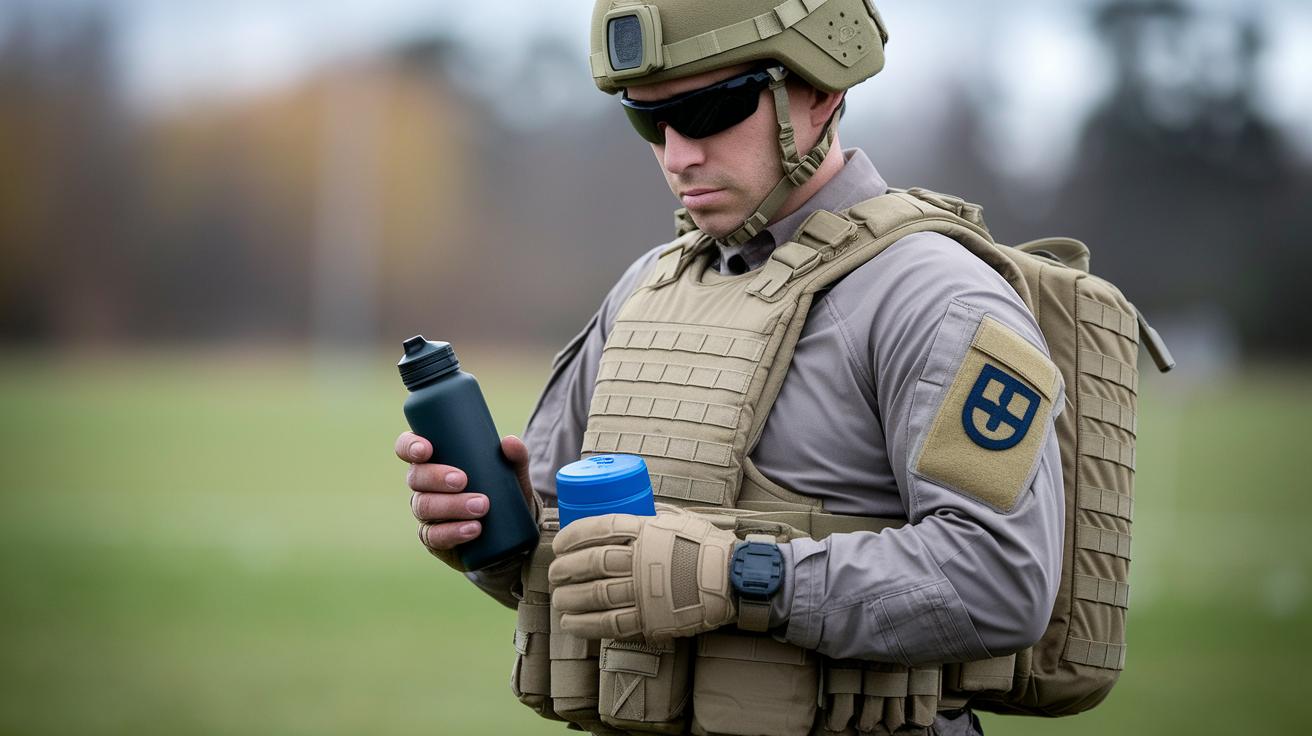
Every soldier on the field needs steady fuel to keep going, just as much as solid gear does. Start by taking supplements that boost your muscle strength and speed up recovery. For example, 5 g of creatine monohydrate daily gives your muscles extra energy for those tough drills. Adding 5–10 g of BCAAs (branched-chain amino acids, which are proteins that help fix muscle tissue) during your workout can keep you in top shape. A daily multivitamin helps cover any tiny nutrient gaps when your body is pushed hard.
Next, water is your lifeline. Think of it as the essential resource that keeps you moving on a mission. Aim for about 500 ml of water with electrolytes every operational hour to replace what you lose in sweat. And be sure to get at least 2–3 L of water in a day to help ward off heat injuries and maintain your energy when the mission gets intense.
| Supplement | Dosage/Instructions |
|---|---|
| Creatine Monohydrate | 5 g daily |
| BCAAs | 5–10 g during workouts |
| Multivitamin | Take one daily |
| Hydration | Guideline |
|---|---|
| Electrolyte Water | 500 ml per operational hour |
| Daily Water Intake | At least 2–3 L |
Stick to these simple guidelines to boost your stamina and speed up your recovery. This way, you'll always be ready for whatever mission comes next.
Adapting Nutrition Plans Across Training Phases
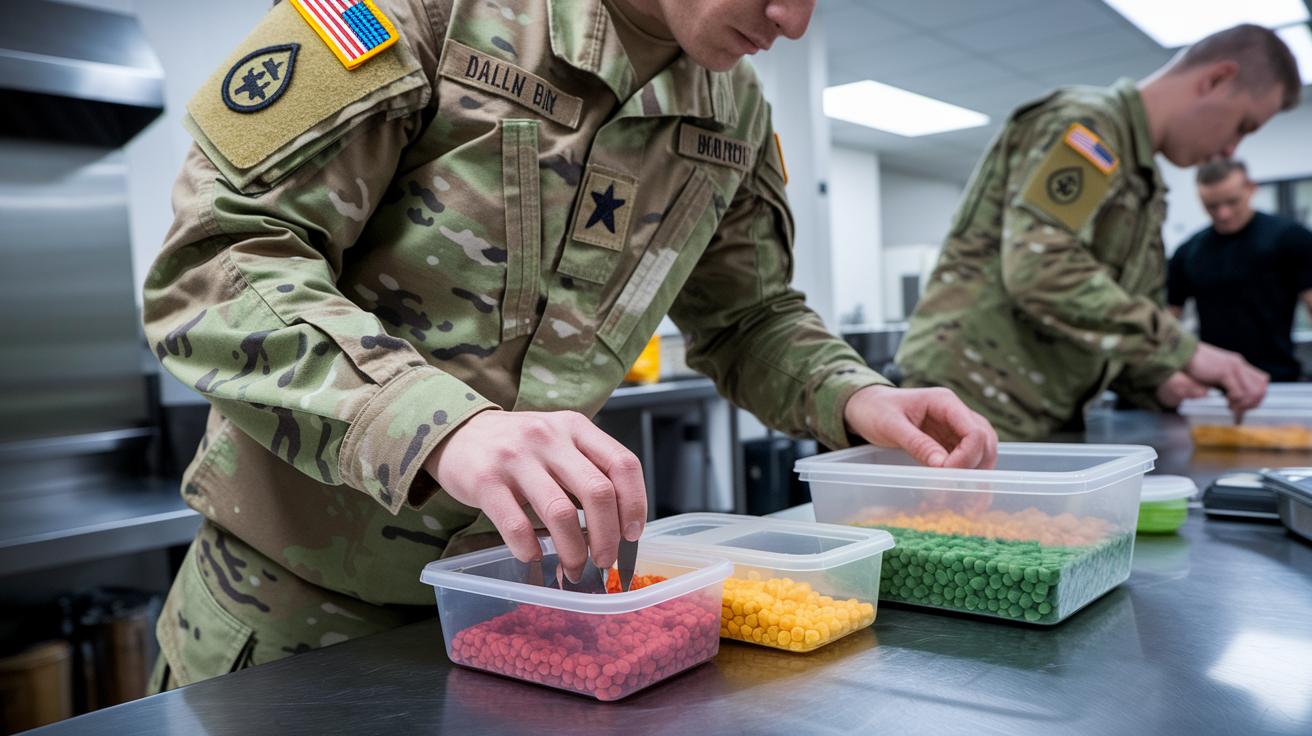
When you’re setting up your meal plan for training, it's like lining up your orders before a mission. In the Base Phase, keep your calorie intake steady and stick to a balanced diet that supports your everyday strength training. It’s a bit like building a strong foundation – steady, measured, and dependable.
Then comes the Intensification Phase, where you fire up your energy by adding about 200–300 extra calories each day. This boost, along with getting roughly 30–35% of your calories from lean protein, helps fuel your muscle gains. Think of it as stepping up your intensity, more energy in your diet works with tougher drills to pack on lean muscle.
Finally, the Peak Phase is all about trimming down while staying quick on your feet. Here, you drop your daily calories by around 10% and fine-tune your nutrient mix to target fat loss. This tweak helps you shed extra weight, keeping you lighter and just as agile for those high-energy missions.
| Phase | Calorie Adjustment | Macro Ratio | Primary Focus |
|---|---|---|---|
| Base | 0% | 45C/30P/25F | Foundation strength |
| Intensify | +10% | 40C/35P/25F | Muscle gain |
| Peak | -10% | 50C/30P/20F | Fat loss |
This organized plan lets you adjust your fuel as your training evolves, from building your basic strength to fine-tuning your body for peak performance.
Practical Military Meal Prep and Field-Friendly Menu Ideas
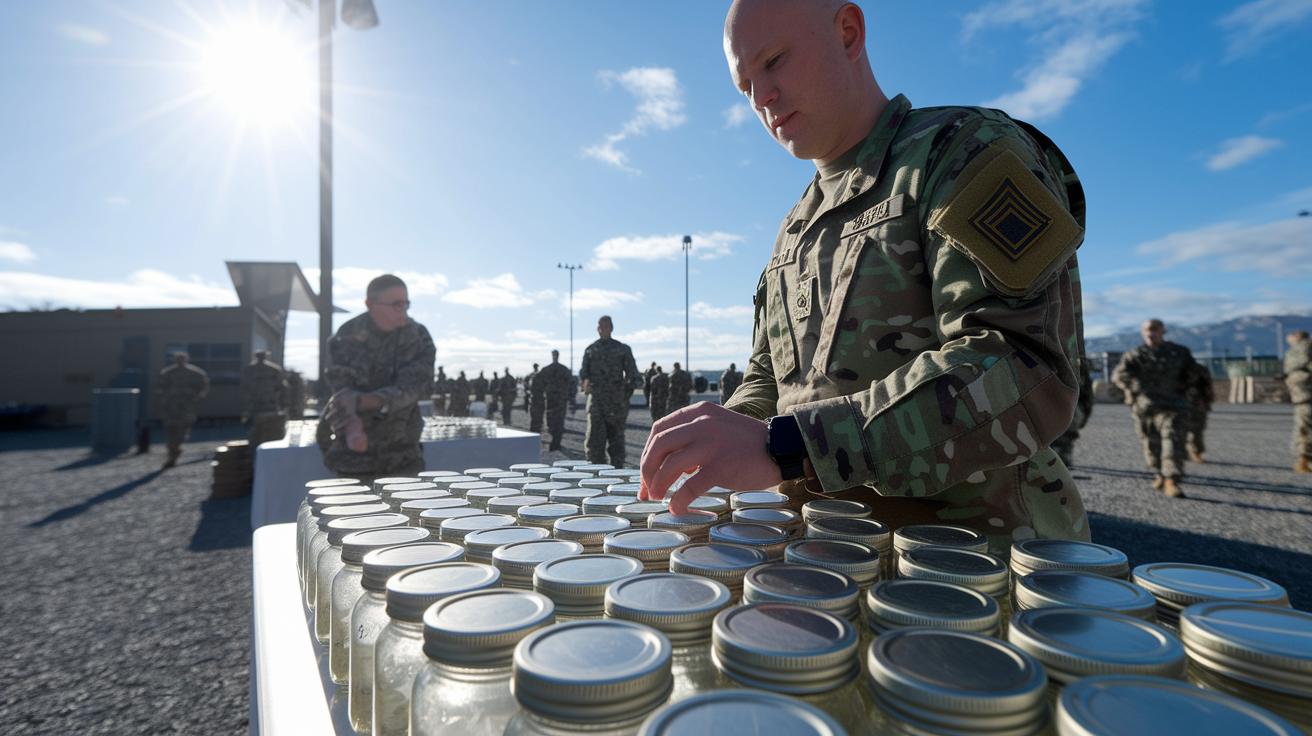
When you're training for mission readiness or gearing up for long deployments, planning your meals becomes just as important as your drills. Try spending about 30 minutes batch-cooking lean proteins and grains so you can focus on the tougher tasks later on. Mason jars are great for keeping your salads fresh all day, and freeze-dried veggies are a smart choice when you're constantly on the move. For instance, you might prepare a protein-packed meal on a Sunday evening that keeps you fueled throughout the week.
This method helps you stick to a calorie-controlled menu that boosts performance without any extra fuss during downtime. It keeps things simple while packing in the nutrients you need. Plus, by choosing non-GMO fuel suggestions, you ensure your meals are as clean and reliable as your best gear. And don’t forget about shelf-stable hydration mixes, they're easy to store and ensure you stay properly hydrated alongside your meals.
Here are five field-friendly meal ideas to keep you powered up:
- Turkey wrap with spinach and hummus
- Rice and beef bowl with mixed veggies
- Egg and vegetable muffins
- Tuna and chickpea salad with olive oil
- Quinoa with mixed nuts and dried fruit
These quick recipes are made for the fast pace of military life. They let you spend less time in the kitchen and more time getting the job done. Think of meal prep as setting your squad up with reliable, ready-to-roll supplies, everything you need is prepped, stored, and ready for action.
Final Words
In the action, we reviewed how structured training meets strategic fueling to boost performance. We touched on calculating BMR/TDEE, planning meals around workouts, and using supplements and hydration to stay sharp. We also looked at adjusting nutrition through different training phases and discussed quick, field-friendly meal ideas. Each part ties back to creating a solid military fitness nutrition plan that fuels your drive and readiness. Keep pushing forward, and let your preparation pave the way to success.
FAQ
How can I get a free military fitness nutrition plan pdf?
The free military fitness nutrition plan pdf provides detailed menu tips and meal timings that support rigorous workouts. You can often find it online from trusted military fitness websites.
What does a navy military fitness nutrition plan or navy diet meal plan include?
The navy military fitness nutrition plan outlines balanced, calorie-controlled meals crafted to support training and recovery during operations. It focuses on steady energy and muscle support.
What is the Army Nutrition Program?
The Army Nutrition Program is a structured regimen designed to optimize soldiers’ diets. It offers guidance on meal choices, timing, and portion control to fuel training and daily activities.
What does an Army Nutritionist do?
The Army Nutritionist advises on proper food selections, meal planning, and supplement use. Their goal is to maintain energy levels and support recovery during rigorous training and duty.
How is the military nutritionist salary determined?
The military nutritionist salary depends on rank and experience. It reflects competitive pay for expertise in planning and managing nutrition that meets the high demands of military service.
What is the 3 day military diet plan?
The 3 day military diet plan involves a brief period of calorie restriction with set meal options. It is designed to jumpstart weight loss and support energy needs during practices and drills.
How many calories are typically fed in the military?
The calorie intake in the military depends on activity level and training phase. Meals are tailored to provide enough energy for demanding tasks and to maintain overall physical readiness.
What do you eat on day 2 of the military diet?
The military diet on day 2 usually centers on lean proteins, whole grains, fruits, and vegetables. The plan is designed with controlled portions to offer steady energy and support weight management.
What is the military diet plan for weight loss?
The military diet plan for weight loss follows a strict meal schedule with reduced calories. It emphasizes portion control and nutrient timing to support efficient fat loss while meeting energy requirements.