
Ever wonder why some recruits nail their tests while others fall short? Getting ready for military exams can be tough, but with the right tools, you can rise to the challenge. In this post, I'll share a simple guide packed with hands-on study tips and clear advice for sections like math and vocabulary. With a quick diagnostic test and an easy eight-week plan, you'll soon see how focused preparation boosts both your scores and your confidence.
Strategic Overview of Essential Resources in a Military Test Preparation Resources Guide

This guide brings together a variety of study topics and resources for anyone gearing up for the ASVAB and other military exams. It features free study guides for nine key areas, including Arithmetic Reasoning, Assembling Objects, Auto & Shop Information, Electronics Information, General Science, Mathematics Knowledge, Mechanical Comprehension, Paragraph Comprehension, and Word Knowledge. For example, the arithmetic section shows word problems step by step so even tough ideas come out clearly.
We start off with a quick diagnostic test to see where your skills stand. The AFQT score (a score from the Armed Forces Qualification Test) comes from four main sections and shows you which areas need more attention. Then, the guide suggests an eight-week study plan. You’ll spend 1–2 hours a day, splitting your time into 30 minutes for math reasoning and another 30 minutes for vocabulary drills. And here’s a fun fact to get you thinking: before she became a famous scientist, Marie Curie once carried test tubes with radioactive material in her pockets, she had no idea of the future risks. This blend of story and study tip shows you how theory and real-life examples go hand in hand.
The resource index is thorough. For a complete list of materials, check the military aptitude tests resource at https://militaryaptitudetests.com?p=108, and if you need detailed exam breakdowns, the military entrance exam guide at https://militaryaptitudetests.com?p=206 is the place to go. Whether you’re new to this or have been in the field a while, this guide is set up to help you build a balanced study routine that works.
Diagnostic Assessments and Personalized Planning in a Military Test Preparation Resources Guide

Start by taking a diagnostic test, it’s like checking your gear before heading out. This test shows exactly where you’re strong and where you need a bit more work. For example, if you’re gearing up for a gateway exam, spotting specific parts like arithmetic reasoning or vocabulary means you can focus your study time where it counts. If you need a detailed breakdown on how to begin, check out our step-by-step military test preparation guide here (https://militaryaptitudetests.com?p=192).
Next, map out an eight-week study plan that fits into 1-2 hours each day. A sample plan could look like this:
- 30 minutes on arithmetic reasoning
- 30 minutes on vocabulary drills
- One session reviewing a targeted subject
Every two weeks, take a moment to reassess your progress and fine-tune your plan based on what’s working and what isn’t. This steady approach not only reinforces your strengths but also helps polish up areas that need a little extra attention.
Academic and Aptitude Study Materials in a Military Test Preparation Resources Guide

Dive right into our complete set of study guides. We’ve put together every part of the test in one place so you can sharpen your skills for enlistment. For example, our Arithmetic Reasoning guide gives you a 6-page manual loaded with word problems (like "Solve 7 x 8; what’s the answer?") to boost your math confidence and exam readiness.
Then, take a look at our quick 1-page Assembling Objects guide for spatial reasoning. We also have a 5-page Auto & Shop Information guide that covers everything from naming tools to basic repairs. And if tech is your challenge, our 3-page Electronics Information guide offers simple tips and practice exercises.
Our General Science guide spans 4 pages and reviews topics like physics, chemistry, biology, and earth science. The Mathematics Knowledge guide runs for 5 pages and breaks down key terms and ideas. Plus, the 2-page Mechanical Comprehension manual mixes basic physics with hands-on know-how. Finally, the Paragraph Comprehension and Word Knowledge guides, at 2 and 1 page respectively, give you clear techniques to find answers and build your vocabulary.
Practice Tests and Simulation Exercises for Military Test Preparation Resources Guide

Full-length, timed simulations help build your exam stamina and boost your confidence. Imagine sitting down with sample entrance papers, working against the clock to mirror real test pressure. It’s like stepping into a live drill where every second matters.
Printable question banks and online practice portals give you a true feel for standard exam questions. When you follow a set time limit, you learn to be fast and smart, just like in the field. Plus, video walkthroughs break down tricky problems step by step, keeping you on track as you recreate the exam setting.
Running these simulation tests regularly eases test-day nerves. With each practice session, you sharpen vital skills and become more comfortable managing your time. The experience feels like a live drill that builds focus, cuts stress, and keeps you on pace.
In short, practice tests and simulated exams offer hands-on prep that gets you ready to show off your skills when it counts.
Branch-Specific Courses and Interactive Learning Platforms in a Military Test Preparation Resources Guide
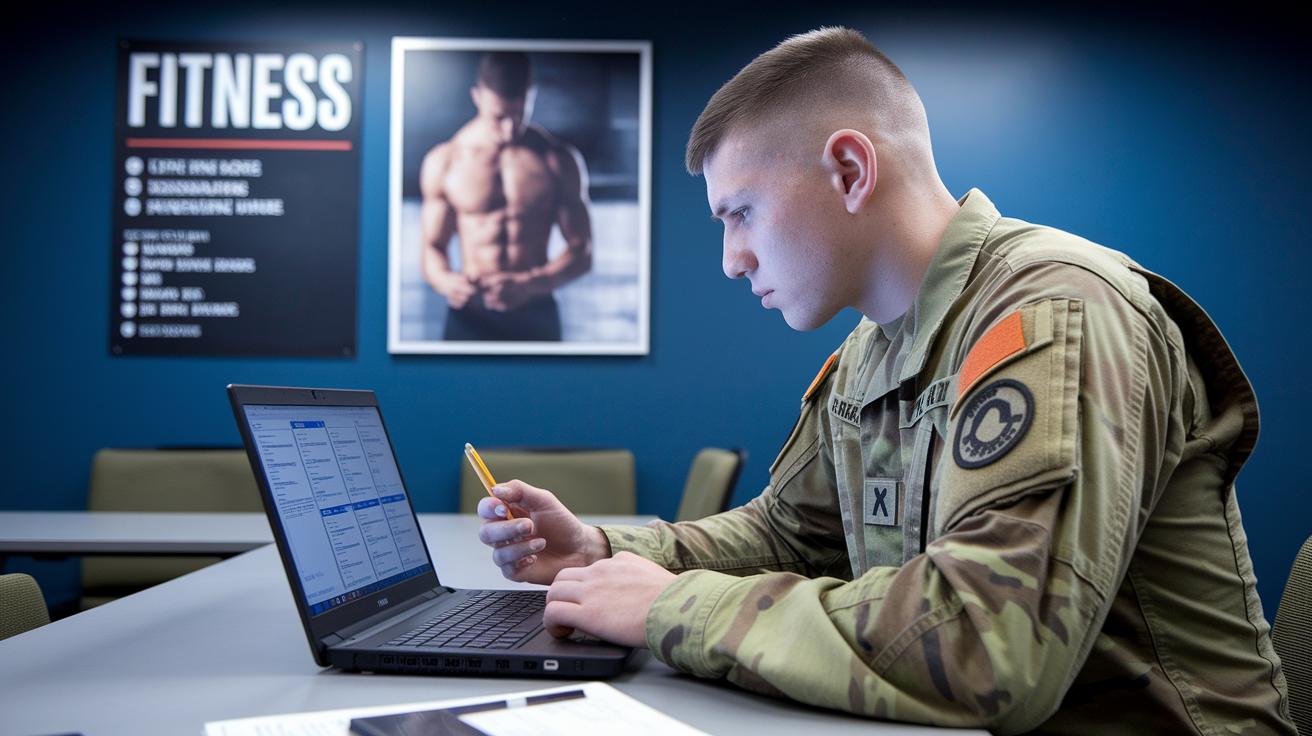
Our free and paid online courses are built just for Army, Navy, Air Force, and Marine entrance exams. Think of these courses like a training drill that sharpens the skills you need. It’s a bit like a mini exercise, imagine working through a module where you tackle real problems, just as you would plan a mission strategy.
Each platform also includes video lessons that break down tough topics into small, clear steps. For example, one video might guide you through the reasoning behind electronics (how circuits work) like a seasoned instructor walking you through a field exercise. And there are virtual study sessions led by your peers that bring the feel of a quick, unit-wide briefing.
You can find digital flashcards and guided learning tracks on your branch’s official portal. These tools let you practice important concepts at your own pace while matching the exam style of your service. In short, you get tailored, interactive prep that makes studying just as focused as a well-planned briefing.
Physical Fitness Resources in a Military Test Preparation Resources Guide

Building smart routines into your study time is key to boosting both body and mind strength. Even a 30-minute jog can fire up your endurance and clear your head for the tasks ahead. You might mix in some bodyweight drills, think push-ups, crunches, or even running sprints, to gear up for fitness tests. These exercises not only meet test standards, but they also give you a quick brain reset during study breaks.
When planning your workouts, try a mix of cardio and strength training. For example, alternate between a brisk jog and a set of quick strength exercises. Ever notice how a good workout can instantly lift your mood? That energy boost carries over and makes getting back to your study materials that much easier.
Another tip: use printable fitness test manuals that list out clear benchmarks. These guides show you exactly what's expected, like the number of push-ups or a target running time, so you can track progress and tweak your workouts. This balanced approach helps ensure that both your body and mind are mission-ready for exam day.
Scheduling, Time Management, and Exam-Day Tactics in a Military Test Preparation Resources Guide

Be sure to schedule your exam as early as possible so you don’t face any last-minute changes. Think of planning your exam day like preparing for a mission. Make sure you get a full eight hours of sleep, almost like recharging your batteries before a big drill. Eat a high-protein breakfast beforehand, something like eggs and oatmeal, so you’re fueled and ready to perform at your best.
Find a quiet spot, free of distractions, to take your test. It’s similar to having a peaceful moment in the barracks when you can really focus on what’s ahead.
Keep an eye on the clock as you work through the questions. Read each one carefully and set a steady pace. If you hit a tough section, skip it for now and return later with fresh eyes. Think of every question like a checkpoint, you might need to pass it and then circle back.
Also, remember that if your score isn’t what you expected, you’ll need to wait 30 days before you can retake the exam.
| Step | Action |
|---|---|
| Exam Date | Book early to steer clear of last-minute stress |
| Rest & Nutrition | Sleep well and have a hearty, protein-rich meal |
| Environment | Pick a quiet, distraction-free area |
| Pacing | If stuck, skip ahead and return when you’re ready |
military test preparation resources guide: Excel in Tests

Once you finish your exam, take a moment to review your score report closely. Look over how you did in each section, with a special focus on the AFQT results (these are the scores that show if you qualify overall). A score of 21 might limit your options, 72 shows you’re competitive, and 99 proves you have exceptional skills. This careful review helps you zero in on the areas that need more work. Set up targeted study sessions to focus on those weak spots and use guides that break things down in simple terms.
Next, plan your next move by scheduling a retake after the required 30-day waiting period. Use those 30 days to fine-tune your study plan, check your progress, and keep up with practice tests and quizzes. Tracking your improvements can really show you if you’re on the right path and help you stay updated with the latest exam strategies.
Also, consider keeping a log of your practice test scores. This log will let you see how you’re improving over time and guide your future study sessions. With steady, focused practice and honest feedback from each test, you'll build the confidence you need to turn your weak points into strengths.
Final Words
In the action, we reviewed key elements of a military test preparation resources guide. We looked at study plans, subject guides, practice tests, branch courses, fitness routines, and exam-day tactics. Each piece is designed to boost your physical and mental readiness while building your confidence for success. Every resource acts like a stepping stone toward your goals. A solid game plan can brighten your future, keep training, stay persistent, and step into your exam with a clear mind and positive spirit.
FAQ
Military test preparation resources guide pdf
The military test preparation resources guide PDF provides detailed instructions, study frameworks, and practice tests that help candidates grasp core exam topics and build a winning study plan.
ASVAB practice test
The ASVAB practice test simulates real exam conditions with timed questions and interactive drills that build confidence and improve time management skills before the official test.
Military test preparation resources guide free
The military test preparation resources guide free offers no-cost materials, including study tips and practice questions, to help candidates prepare effectively for military exams on a budget.
ASVAB study guide pdf
The ASVAB study guide PDF delivers downloadable, subject-specific materials, complete with practice exercises and test-taking strategies, for candidates to sharpen their skills in each exam section.
ASVAB test
The ASVAB test gauges math, verbal, and technical skills to determine a candidate’s overall aptitude for military service, influencing enlistment options based on performance in key areas.
ASVAB practice test Army
The ASVAB practice test Army version includes Army-focused practice questions and timed simulations, designed to meet the specific requirements and prepare candidates for service entry.
ASVAB test questions and answers
The ASVAB test questions and answers resource provides examples of exam items with correct responses, allowing candidates to review common question formats and test strategies efficiently.
ASVAB practice test free
The ASVAB practice test free option gives candidates access to online sample tests under realistic conditions, offering prompt feedback that targets both strengths and areas needing improvement.
How to prepare for the military test?
The military test preparation process involves setting up a structured study plan with diagnostic assessments, daily practice sessions, and review drills to build skills and confidence across all exam sections.
Is a 70 on the ASVAB bad?
The query regarding a 70 on the ASVAB highlights that score expectations differ by service branch; for some positions, a 70 is acceptable, while others might require a higher score for competitive roles.
Is a 77 on the ASVAB good?
The query about a 77 on the ASVAB indicates that a score in the 70s generally reflects solid performance, making a 77 a competitive score for many branches with broad opportunities.
Is there a study guide for the ASVAB test?
The query about an ASVAB study guide confirms that comprehensive guides, available as both free and paid PDFs, cover each exam section with step-by-step instructions and practice exercises to boost exam readiness.