
Have you ever wondered why even the best soldiers can slip up on exam day? You trust your exam handbook, but sometimes a small oversight or skipped detail can cost you dearly.
When you miss a key instruction, your score takes a hit and your readiness is affected. In this guide, we break down common mistakes such as missing important topics or marking answers wrong.
By learning to spot these errors, you can turn them into steps toward success. Ready to use these lessons for your exam victory?
Identifying Key Military Exam Handbook Common Pitfalls
Handbooks are a key tool when you’re getting ready for military exams. They pull together step-by-step instructions, study tips, and vital guidelines to help you through those tough preparation days. Many of us rely on these guides not only to learn the main subjects but also to figure out how to keep calm under timed conditions. A solid handbook works much like a reliable map that shows the easiest way through tricky terrain.
But sometimes, trouble starts when we miss important details in the guide. In the rush to finish studying or when exam pressure is on, crucial instructions can get overlooked or misunderstood. These mistakes often come from misinterpreting parts of the handbook or skipping over practice items. It usually happens when we stick to our strong areas and forget to cover all the basics.
Here are some common pitfalls:
- Not studying the essential topics.
- Focusing too much on subtests where you're already strong.
- Losing focus when the clock is ticking.
- Panicking as the countdown begins.
- Failing to line up question numbers with the answer-sheet rows.
- Making random guesses without a clear strategy.
- Memorizing practice questions instead of understanding the ideas.
- Not understanding how subtest scores affect your MOS eligibility (the requirements for your military job).
- Second-guessing answers you already marked.
- Misreading math operations or key terms.
These pitfalls can have a big impact on your exam. When errors add up, they throw off your pace and can cause your overall score to drop. Repeating these mistakes might even boost your test anxiety and slow you down. The best approach is to dig into the handbook and learn from your practice tests. That way, you build a strong foundation for exam success and boost your overall readiness.
Misinterpretations of Handbook Instructions in Military Exams
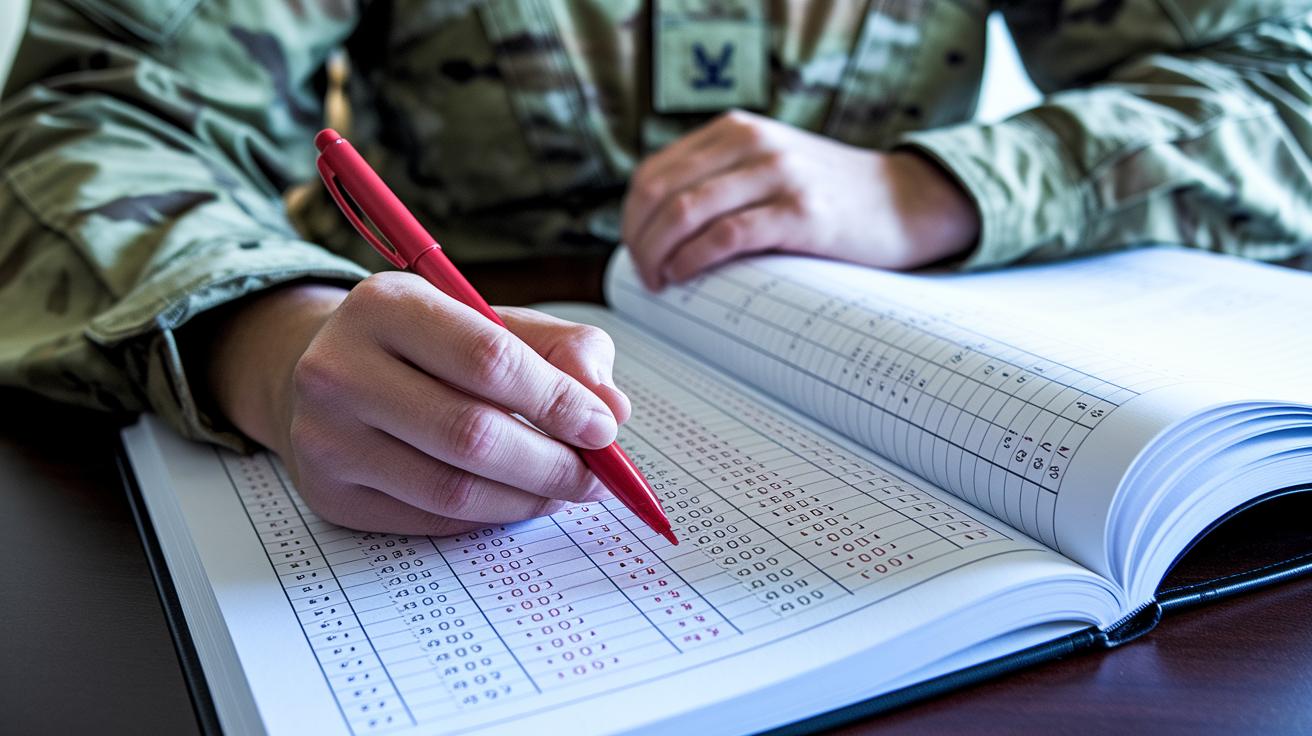
Sometimes candidates get tripped up because they don't read the handbook instructions closely. One service member mixed up question numbers with the answer bubbles, and that mistake cost him valuable points.
Other folks struggled with exam abbreviations like CAT (computer-adaptive test, which checks how well you learn) and MOS (military occupational specialty, meaning your job area). These mix-ups can quickly hurt your score.
Taking a moment to read every instruction carefully can really pay off. Make sure you check that question numbers match the answer bubbles, and watch out for any confusing exam terms. A good tip? Double-check instructions before you mark your answers to avoid costly mistakes.
Being extra careful can keep your score on track, even in the trickiest parts of the test.
Time Management Shortcomings and Exam Fatigue in Military Assessments
When you’re taking an exam with several parts, managing your time well is a must. Each section has its own timer, and if you haven’t practiced the pacing, you might feel worn out before you get to the tougher questions. As you move between sections, you might start to feel anxious and rush through answers. So, if you get stuck on a question, it’s often better to make a quick, smart guess and mark it for review than to waste seconds fretting over it.
Try these simple tips:
| Step | Action |
|---|---|
| 1 | Set mini-deadlines for each section |
| 2 | Practice with timed, full-length exams |
| 3 | Take short, scheduled breaks |
| 4 | Flag tough questions for later review |
| 5 | Keep an eye on your pacing |
Breaking the exam into smaller chunks can really lighten the mental load. Setting mini-deadlines for yourself helps keep your focus sharp, even as the clock ticks down. This steady pace not only saves your energy but also cuts down on careless mistakes in the tougher parts of the test. In truth, by pacing yourself, you'll avoid the rush and feel more confident that every minute counts.
Recurrent Revision Mistakes and Ineffective Study Techniques

When you use just one review method, like only flashcards or old test questions, it keeps you from really digging deep into the material. It’s a bit like doing the same drill every day until it turns into a routine rather than a challenge. This tactic can leave you unprepared when unexpected test questions pop up.
Studying for hours on end without a break can really sap your energy. Think of it as trying to march non-stop without a rest, your focus fades, and the details start to blur. Pushing through without regular pauses often leads to mistakes when you sit for the test.
The best plan is to mix up your study routine. Try combining practice tests, group chats, and quick breaks. Switching between different methods keeps your mind alert, just like alternating drills with recovery time during training. After a tough review, take a short walk or chat with a fellow recruit to clear your head. For a structured study schedule, check out military exam preparation tips.
Military exam handbook common pitfalls spark success
Answer sheet mistakes like filling in bubbles wrong or lining up answers in the wrong rows can cost you points. We covered those in previous briefings. Here, we’re focusing on two key areas: adaptive-test rules and calibration items.
Adaptive-test rules and calibration items keep your exam on track. Skipping the first sample questions or calibration items might throw off your timing, much like starting a drill without a proper briefing. Following these instructions helps you maintain a steady pace even as the exam gets tougher. For example, think of reviewing calibration items as reading a field manual before a drill – clear, direct, and mission-critical.
Strategies to Overcome Common Military Exam Handbook Pitfalls

Start your mission by taking a quick diagnostic test (a simple check to spot your strengths and weak spots). This way, you can build a clear, targeted study plan. For instance, you might say, "I did a practice test and noticed my spatial reasoning was off, so I set aside extra time for drills."
| Pitfall | Recommended Action |
|---|---|
| Skipping diagnostic feedback | Do regular diagnostic tests to spotlight which areas need more focus |
| Unstructured study sessions | Create a daily study routine with a checklist to target problem areas |
| Not keeping detailed review logs | Maintain a log for each test so you can track your progress and focus better |
| Overlooking pre-exam routines | Mix in good sleep, balanced meals, and exercise before the exam |
| Skipping full practice exams | Run full-length, timed practice tests to build your pacing and routine |
| Not adjusting tactics after feedback | Regularly go over your test results and change your study plan as needed |
Next, combine these steps into your pre-exam checklist. Use the feedback from your diagnostic tests to tweak your study plan and add practice exams that mirror the real test day. This hands-on strategy not only sharpens your skills quickly but also builds a solid routine for peak performance when it matters most.
Final Words
In the action, we broke down common errors found in study guides. We looked at handbook mistakes from misreading instructions to timing challenges and ineffective revision habits. We explored how these missteps affect overall readiness and score performance.
Every small adjustment matters. By addressing military exam handbook common pitfalls and fine-tuning your approach, you set yourself up for a confident performance. Keep refining your strategy and stay focused, your success is within reach.
FAQ
ASVAB practice test
The ASVAB practice test gives you a trial run that mimics real exam conditions, helping you get used to the format and pacing for better performance on test day.
If you fail the ASVAB can you still join the military
Failing the ASVAB does not permanently block military service. Policies vary by branch, and many offer retake opportunities with additional preparation to help you meet the required scores.
What happens if you fail the ASVAB 3 times
Failing the ASVAB three times usually triggers specific branch guidelines, such as mandatory waiting periods or extra study measures, to help candidates improve before retaking the exam.
Military jobs by ASVAB score
Military jobs by ASVAB score means your role is often determined by how well you score on subtests. Higher scores can qualify you for more technical positions while other roles may only require average scores.
Is a 50 on the ASVAB hard?
A score of 50 on the ASVAB is seen as average, which might limit access to certain technical roles. Focusing on preparation can help improve your score and expand your available options.
How hard is it to pass the military test/Is the military aptitude test hard?
The military test’s difficulty depends on your familiarity with the material and preparation level. With steady practice and a focus on weak areas, the exam becomes much more manageable.
How to pass the military exam
Passing the military exam involves a study plan that targets your weak spots, consistent use of practice tests, and solid time management strategies. This approach builds confidence and helps achieve a competitive score.