
Have you ever wondered if following a strict meal plan could kickstart your weight loss? The military diet lays it out clear and simple. It uses basic meal plans with set portions to give you a quick burst of energy without fuss.
This plan relies on controlled calories to help you drop a few pounds, though a lot of the early loss might just be water weight. In the next bit, we break down how the military diet works and look at whether its fast fixes can really support your health goals.
Military Diet Overview: Principles, Regimen, and Weight Loss Claims

The Military Diet is a short-term plan designed to help you lose weight quickly. It starts with 3 days of strict calorie control, eating about 1,200 to 1,400 calories each day, and then shifts to 4 days of looser eating with up to 1,500 calories daily. This plan sticks to simple, clear meal ideas and fixed portion sizes.
The main idea is that when you eat fewer calories than your body needs, it turns to stored energy. This can lead to a fast drop in weight, sometimes up to 10 pounds in a week. But here’s the catch: most of that loss is water weight, not real fat. The diet works because it forces you to follow a very disciplined eating routine that changes how your body normally runs.
The 3-day strict phase followed by 4 days of more relaxed eating makes it easy to plan and prepare meals. It’s a no-fuss method aimed at cutting calories and shedding pounds quickly. Even though the plan can show quick results, the rapid weight loss mostly comes from water loss, not long-term fat reduction. Still, many people choose it when they want a clear, short-term way to drop a few extra pounds.
Military Diet 3-Day Meal Plan: Day-by-Day Menu
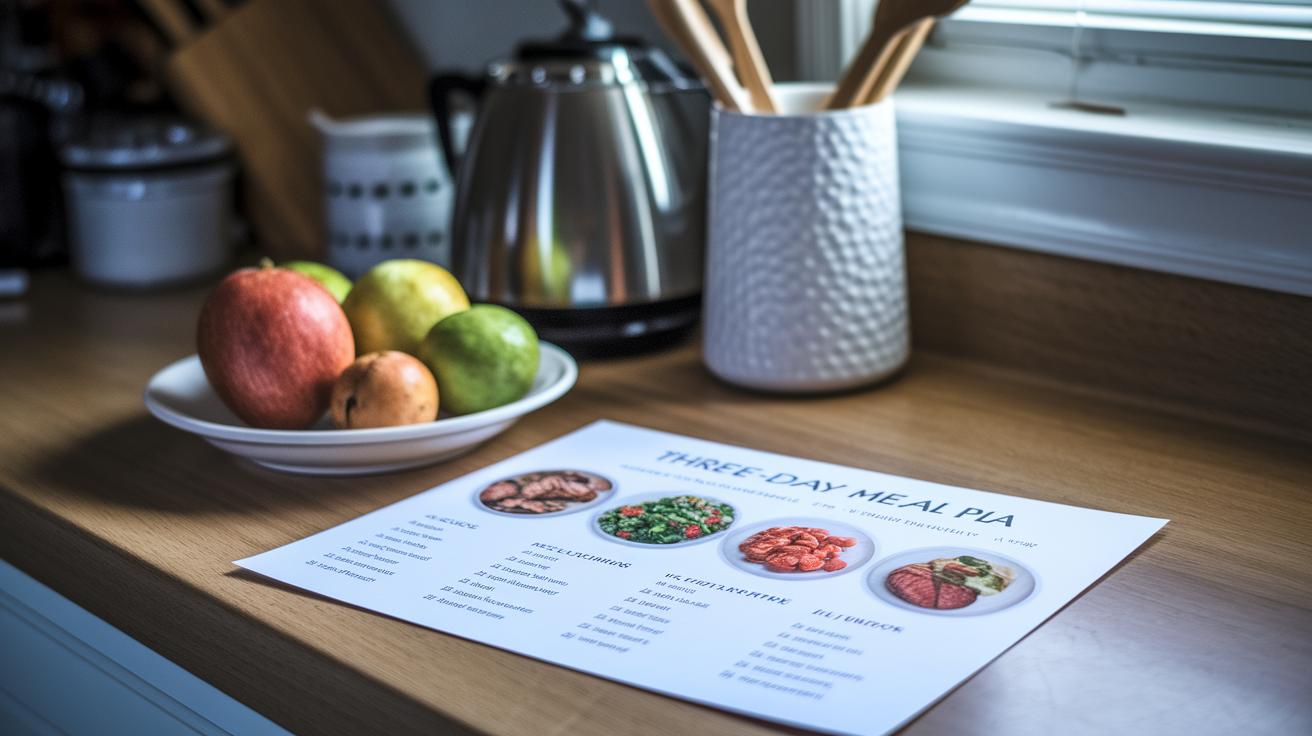
This battle plan for your meals lays out a clear three-day route with easy-to-follow steps. Each day is mapped out with set portions and calorie counts so you can keep your target in sight. Stick with this schedule, and you'll have a printed guide to help you hit your goals.
On Day 1, kick things off with a burst of energy. Start by having half a grapefruit, toasted brown bread slathered with 2 tablespoons of peanut butter, and a cup of coffee or tea. At lunch, eat half a cup of tuna with an extra slice of toast. For dinner, enjoy 3 ounces of lean meat, a cup of green beans, a small apple, and round it out with a scoop of vanilla ice cream. This setup is perfect if you like having a printed schedule to follow throughout the day.
Day 2 brings a slight twist to keep your taste buds and body balanced. Begin your morning with an egg cooked any style, a slice of toast, and half a banana. Then, at lunch, have some sliced cheddar cheese paired with 5 saltine crackers. Dinner includes a hard-boiled egg, a cup of cottage cheese, and a small tomato to give you that protein boost and essential vitamins.
Day 3 keeps things straightforward. Start with 5 saltine crackers, a slice of cheddar cheese, and a small apple for breakfast. For lunch, stick to 1 cup of tuna, and finish your mission with dinner of a cup of vanilla ice cream and half a banana, a cool finish to your day.
| Day | Breakfast | Lunch | Dinner |
|---|---|---|---|
| 1 | Grapefruit, toast + PB, coffee/tea | Tuna + toast | Lean meat, green beans, apple, ice cream |
| 2 | Egg, toast, banana | Cheddar cheese, 5 crackers | Hard-boiled egg, cottage cheese, tomato |
| 3 | 5 crackers, cheddar cheese, apple | Tuna | Ice cream, banana |
This three-day plan is designed to switch up your energy sources while keeping your calorie intake in check. Follow the exact portions and you'll build steady energy for weight loss and better overall health. Stick with it and remember, you got this!
Military Diet Substitutions and Variations for Special Diets

If you're looking to tweak the military diet to suit a vegetarian or vegan lifestyle, here’s a quick briefing on some easy swaps. You can modify the meal plan without losing track of calories, protein, or flavor.
For those following a vegetarian plan, if your meal calls for tuna, think about using a chickpea salad or a lentil mix that mimics tuna. And instead of slathering on peanut butter, try almond butter or even hummus on your toast. It’s a smart way to keep your nutrients in check without missing out on taste.
Now, if you’re on a vegan track, you’ve got even more alternatives. Choose soy-based cheese instead of the regular cheddar, and go for coconut-milk ice cream in place of the dairy version. For protein sources like processed meat, tempeh bacon or smoked tofu offers a solid substitute that still delivers on taste.
There are a few additional ideas, too. You might swap out saltines for rice cakes or replace cottage cheese with silken tofu or a dairy-free yogurt. Here’s a clear table with some of those substitutions:
| Original | Substitute |
|---|---|
| Tuna | Chickpea salad or lentil “tuna” |
| Peanut butter | Almond butter or hummus |
| Cheddar cheese | Soy-based cheese |
| Dairy ice cream | Coconut-milk ice cream |
| Processed meat | Tempeh bacon or smoked tofu |
| Saltines | Rice cakes |
| Cottage cheese | Silken tofu or dairy-free yogurt |
These modifications keep the diet’s structure intact while meeting special dietary needs. It’s a bit like planning a mission, making smart swaps to meet your goals while still enjoying every bite.
Military Diet Pros and Cons: Efficacy Review and Safety Precautions

This diet is known for its simple menu that cuts out the hassle of planning meals. Fans of the Military Diet like that it needs pretty little cooking, so you spend less time in the kitchen and more time on other important tasks. Each meal comes together quickly without fancy recipes. The set portion sizes make it clear how much to eat, which helps you keep track of your calories. Plus, the strict phase only lasts a few days, so you don’t need to stick with it for too long if you’re after quick results.
Here are some pros and cons of this plan:
- Pro: Quick weight changes with very little cooking
- Pro: Fixed portions eliminate guesswork
- Pro: Short strict phase means less long-term commitment
- Con: Lacks some key nutrients like fiber and protein
- Con: May cause side effects like tiredness and dizziness
- Con: Not meant for long-term use
Even though the Military Diet can lead to fast weight changes, much of that loss is water weight, not lasting fat loss. Health experts warn that restricting calories so much can bring problems like low protein and fiber (important for strong muscles and working your body). After just a few days of low calories, you might feel weak or dizzy because your body isn’t getting the fuel it needs for a busy day. It’s smart to keep an eye on your energy levels and overall health when trying any strict meal plan. In truth, while many say the quick weight drop feels good at first, using this diet long term isn’t recommended because of these concerns. Always listen to your body, and think of this plan as a short-term mission rather than a permanent change.
Military Diet Scientific Studies and Expert Insights

Nutrition and medicine experts have shared their thoughts on the Military Diet. They explain that the quick weight loss you see is mostly water leaving your body rather than burning fat. Studies show that very strict, low-calorie diets can cause muscle breakdown (that is, your muscles get used up for energy) and slow down your metabolism. So while the number on the scale drops fast, you might actually be losing muscle along with water.
Research in combat nutrition has found that when your calorie intake drops suddenly, your body turns to stored energy in a way that can hurt your long-term strength and performance. Experts have raised concerns that such crash diets put a lot of stress on your body’s energy systems. One study even noted that a sudden, severe cut in calories can lead to muscle breakdown, leaving you feeling drained.
Here’s a surprising fact: In a controlled test, even those in good shape lost more water than fat during a strict three-day phase. Experts suggest that a gradual reduction in calories, paired with balanced meals, will help keep your energy steady. If you’re looking to lose weight, consider making small, moderate changes over time instead of relying on rapid, short-term fixes.
Military Diet Safety Tips: How to Follow and Monitor Progress

For the first three days, stick to the exact portion sizes, every bite has a job in your calorie plan. Keep a simple food log, just like a mission report. For example, note down, "Breakfast: half a grapefruit, toast with peanut butter, and coffee."
Drink at least eight glasses of water daily. Water keeps you sharp and steady. If you feel lightheaded or really tired, it might be time to check your calorie intake.
After day three, slowly transition to balanced meals with up to 1,500 calories a day. This gradual change helps your body adjust without a shock. Keep your muscles strong by pairing your diet with light exercise like brisk walking or a few push-ups. You can check your military fitness plan for more ideas on matching workouts with your eating routine.
- Follow strict portions on days one to three.
- Write down every meal and snack.
- Track your weight and energy levels.
- Drink at least eight glasses of water daily.
- Add light exercise like a brisk walk or push-ups (see military fitness plan).
military diet: Energizing Weight Loss and Health

Changing from a strict 3-day cycle to a more balanced eating plan can keep you energized for the long haul. Instead of sticking only to low-calorie tricks, try a 7-day meal plan that includes lean proteins, whole grains, and plenty of mixed produce. This approach gives you variety and steady energy, helping build strength and keep you focused every day. Picture it like planning your daily rations, each meal is mapped out so you know exactly what to eat, offering both clear guidance and room to adjust.
Top meal guidelines for service members suggest incorporating Mediterranean-style dishes (which emphasize balanced nutrients) or other macronutrient-balanced approaches. For instance, swap processed foods for grilled chicken, brown rice, and seasonal vegetables. This change supplies vital nutrients while supporting solid muscle function and keeping energy levels steady. Adjusting your eating plan gradually lets your body adapt, which can reduce risks like fatigue and dizziness that come with big calorie cuts. Chatting with a nutrition pro can also help you set up a long-lasting calorie plan, ensuring every bite aids both weight loss and overall health. Building lasting eating habits is just like training for a mission, steady, well-planned, and always ready for the next challenge.
Military Diet Key Points

• Stick to the plan: follow a strict three-day phase and then take four days off with regular, balanced meals to let your body recover. I always give myself a break after the intense phase with wholesome food.
• On low-calorie days, you might see a bit of muscle loss. But even a few pushups and squats each day really help keep your strength up.
• If you're vegetarian, no worries, you can easily swap animal proteins for plant-based options. I often switch tuna for beans to get the protein I need.
• Your metabolism might slow down a little during the strict phase, but a balanced meal afterward can help it get back on track. I like to enjoy a well-rounded dinner once the strict phase is done.
• Remember to drink at least eight cups of water each day. I always keep my water bottle nearby to remind me to stay properly hydrated.
Final Words
In the action, we walked through the basics of the military diet and its short, strict phases. We broke down the 3-day meal plan, showed practical food swaps for varied diets, and weighed the pros and cons clearly. We also touched on expert insights, safety tips, and long-term nutritional alternatives. Every section strives to help you stay sharp and confident as you prepare for your next challenge. Stay positive and keep pushing toward your goals.
FAQ
What are some military diet substitutions and alternatives (for example, a cottage cheese substitute)?
The military diet substitutions let you swap ingredients while keeping calories on target. For instance, replace cottage cheese with dairy-free yogurt or silken tofu, and switch tuna for a chickpea salad when preferred.
I did the military diet for a month. What should I expect?
Doing the military diet for a month might lead to rapid changes mostly from water loss. But extended use may cause low energy and nutrient gaps as the plan is meant for short-term results.
Is there a 7-day or 14-day military diet plan available?
The classic military diet uses a 3-day strict phase with 4 off days, though some versions offer 7-day or even 14-day cycles. Printable PDFs often detail these extended plans for review.
What does the 3-day military diet menu include and is there a PDF version?
The 3-day military diet menu outlines specific meals like grapefruit for breakfast, a tuna-based lunch, and lean protein for dinner. Printable 3-Day Military Diet PDFs are available online to guide portion control and timing.
How much weight can I lose on the 3-day military diet?
The 3-day military diet typically claims up to 10 pounds of weight loss primarily from water reduction. Actual results depend on individual body type and strict adherence to the plan.
How do I do the 3-day military diet, and what should I eat on the first day?
The 3-day military diet starts with a strict meal plan. On the first day, eat half a grapefruit, a slice of toast with peanut butter, and black coffee or tea, then follow the scheduled lunch and dinner meals.