
Ever thought a few small tweaks could shape your military future? The rules for the entrance exam have changed, so the way you take it now makes a real difference.
In this article, we answer common questions and explain all you need to know about exam formats, new score requirements (how scores are measured), and handy application tips.
Keep reading for clear advice that will help you step confidently into your next phase of service.
Military Entrance Exam Update FAQs: Clear Insights
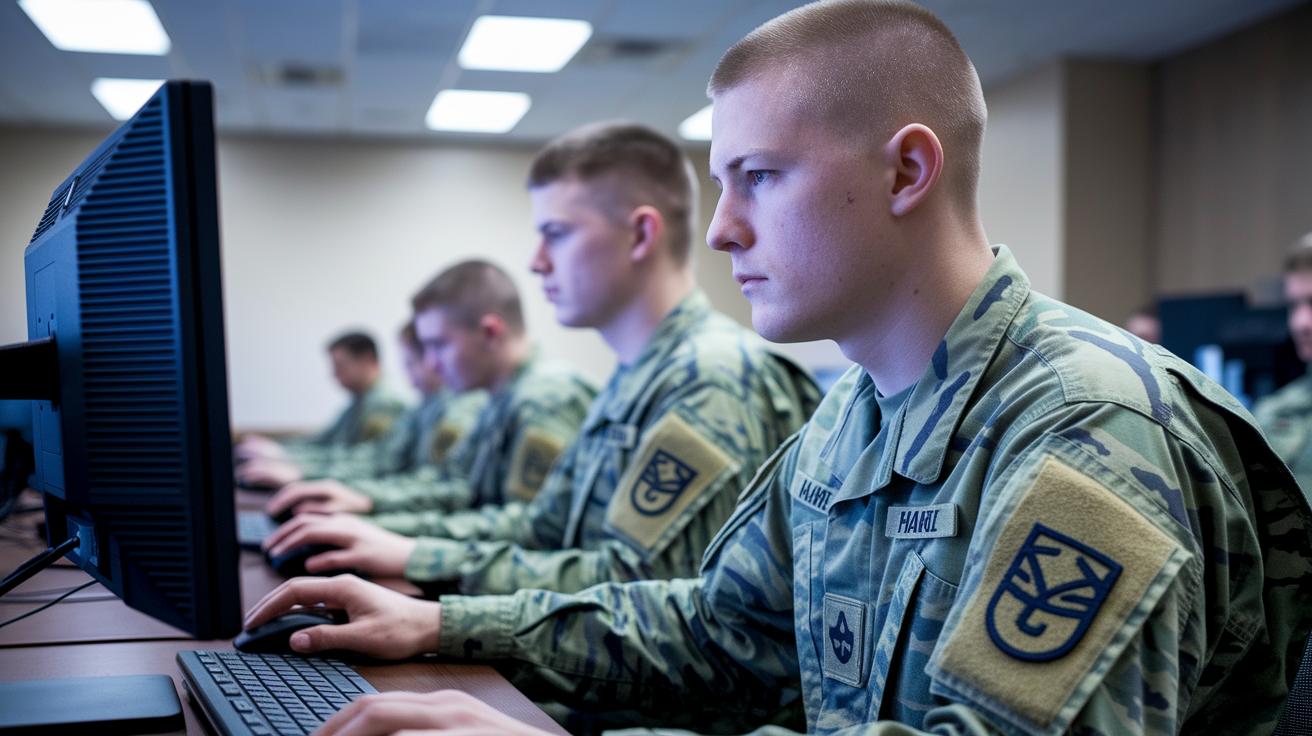
The U.S. Military Entrance Processing Command now handles a more straightforward version of the ASVAB exam. You can take this test in two ways, either on a computer (called CAT, which adjusts its questions based on your answers) or by using paper and pencil. The exam covers nine different areas and lasts about three hours. Think of it like a drill sergeant checking your gear, every part of this test shows how ready you are.
There have been some changes to how the AFQT scores (a quick test that shows basic ability) are used. Now, each branch of the military sets its own minimum score based on four core subtests. These new tweaks help create scores that sort applicants into the right job roles and training programs. So, whether you take the computer or the paper test, your performance now has a clear impact on your future military career.
- Revised subtest weightings for more precise scoring
- Updated branch eligibility benchmarks
- Simplified application rules at MEPCOM
- New testing modules that target specific skills
- Better scheduling to reduce wait times
Staying up to date is easy. Just check the official military entrance exam updates regularly. This way, you'll always have the latest details to help guide you through the process.
Key Changes to Military Entrance Exam Eligibility and Application Standards

The AFQT score cutoffs have been updated for each branch. Now, the Army needs a score of 31, the Navy 35, the Air Force 36, the Marine Corps 32, and the Coast Guard 40. This tweak helps each branch match candidates to the roles they will fill, so you know your skills are being put to the right use.
Candidates can be a lot of different folks, from high school juniors or seniors to GED earners and even adults taking the exam for the first time. Plus, you can now sign up online or in person, giving you a bit more flexibility when planning your next steps.
There are a few important details you should keep in mind:
- You need to provide a recent high school transcript or something similar.
- Be sure to bring valid government-issued ID for verification.
- Follow the updated age and education criteria set by each branch.
- Stick to the new retake rules: wait one month after your first test and six months before a second attempt.
- If you choose the online route, complete the digital enrollment form.
- Lastly, bring any extra documents recruiters ask for during in-person registration.
These changes really shake up the way you should plan for your military career. Updates like these mean that each candidate gets closely checked based on the latest requirements. So, if you’re getting ready for enlistment, it’s important to plan well, keep your paperwork in order, and be ready to adjust your test schedule as needed. All these updates work together to make your path to joining the military clearer and more in line with today’s standards.
Modified Military Entrance Exam Format Updates

The ASVAB now offers a computer-adaptive test called the CAT-ASVAB. It changes the difficulty level of each question based on how you answered the ones before, much like making quick decisions during a mission. This update is designed to better measure your on-the-spot skills and give you a test experience that fits you just right. For more information on these updates, check out military exam format changes update.
The paper-and-pencil version, known as the P&P-ASVAB, still follows a fixed-question format with set time limits for each section. Many candidates are used to this style, and while both versions test your military skills, the differences in timing and the number of questions mean you’ll need to adjust your study plan accordingly.
| Subtest | CAT-ASVAB Q & Time | P&P-ASVAB Q & Time |
|---|---|---|
| Mathematics Knowledge | 15 Q / 31 min | 25 Q / 24 min |
| Arithmetic Reasoning | 15 Q / 55 min | 30 Q / 36 min |
| Paragraph Comprehension | 10 Q / 27 min | 15 Q / 13 min |
These changes mean you'll want to tweak your study and test-taking strategies. By understanding the timing and format differences, you can practice in a way that minimizes surprises on test day, just like planning a mission step by step can lead to a smoother operation.
Updated Military Entrance Exam Scoring Methods and Passing Thresholds
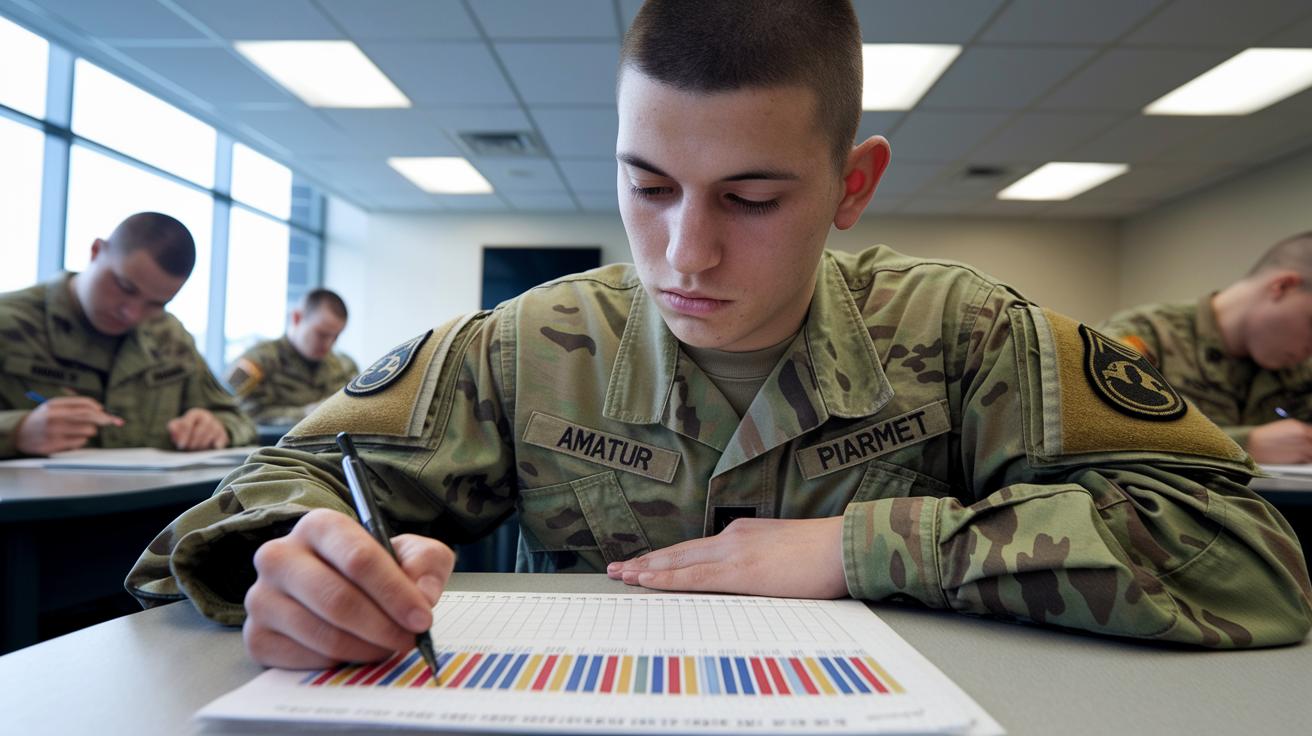
AFQT scores now use a percentile system from 1 to 99. This system is based on how a group of 18- to 23-year-olds did in 1997. Subtest scores have a mean of 50 and a standard deviation of 10, which helps you see exactly how you did compared to that group. So if you score a 70, you outperformed 70 percent of them.
If you’re checking the minimum AFQT score needed for your branch, those updated requirements are now all grouped together in the eligibility section.
The new scoring method mixes subtest scores to calculate your overall composite score. This gives a clearer look at your strengths across the board, kind of like getting a detailed mission briefing on your skills.
Military Entrance Exam Registration Process and Important Date Announcements

You know, scheduling your ASVAB test just got a lot easier. Now, you can take the exam any time at MEPS or MET sites because local recruiting offices manage scheduling through a simple online portal. This update means you can pick a test date that works for you without worrying about strict testing windows. Signing up is straightforward, so every applicant can get in on the action when needed.
- First, set up your online account.
- Next, upload the documents you need.
- Then, choose the test slot that fits your schedule.
- You’ll receive a confirmation once your session is set.
- And if you need to change your appointment, follow the rescheduling rules.
Recruiters also announce key dates well in advance. This way, you get plenty of time to plan your study sessions and other commitments. Checking in with your local recruiting office is a good move to stay updated on any changes to the registration timeline or your upcoming test dates.
Health, Safety, and Protocols for Military Entrance Exam Day
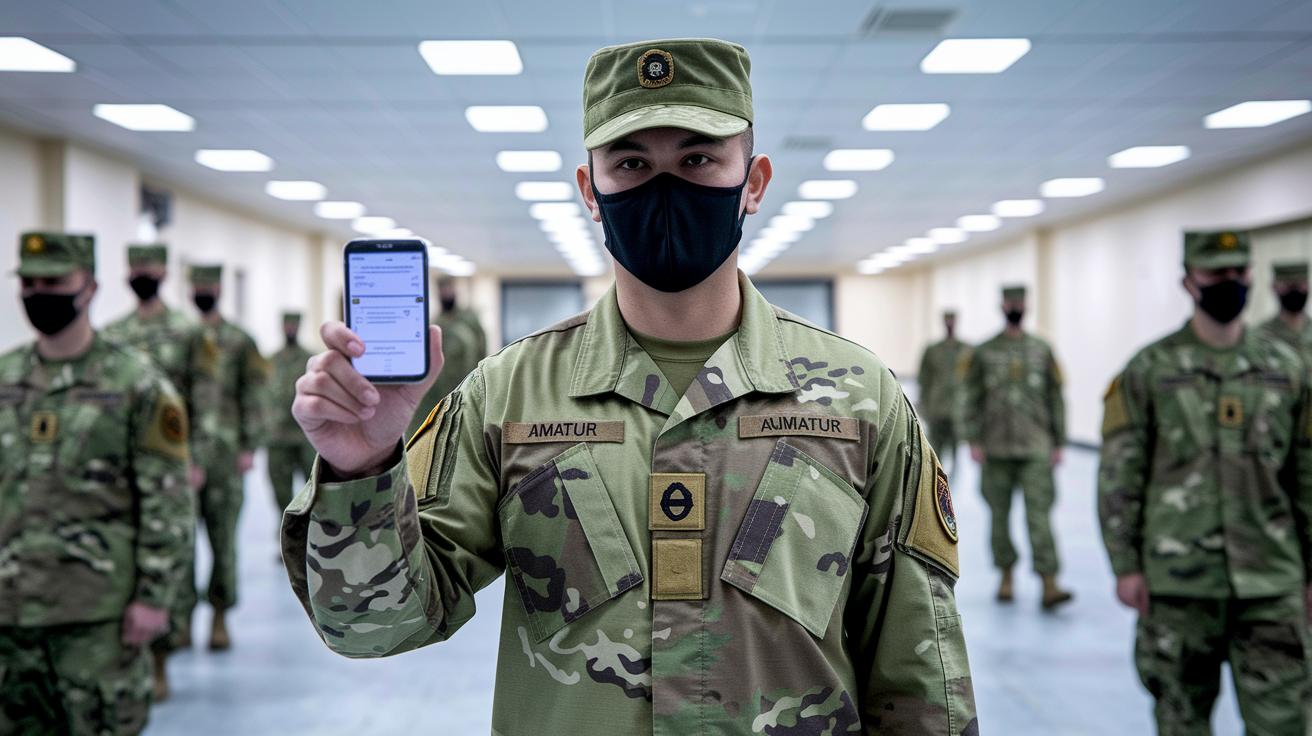
When you arrive, bring your valid government-issued ID. Think of the security check as your final pre-mission inspection, you'll go through a quick screening and get scratch paper for the computer test, just like doing an equipment check before heading out.
They set up health protocols to keep everyone safe. Seats are spaced out, testing areas are cleaned more often, and you'll need to wear a face covering. You might also notice extra hand sanitizer stations, all of which help create a safe environment even in tough times.
Make sure to bring:
- Your valid government-issued ID
- The email confirming your appointment
- A face covering
- A readiness for post-test career counseling
If you're feeling anxious, take a moment to breathe deeply and relax. It’s okay to pause and clear your head, you’ll find support at the testing site if you need a little extra help.
Updated Military Entrance Exam Preparation Strategies and Study Resources

Test formats are changing, so now’s the time to update how you study. It helps to tweak your plan to match the new exam style. A mix of full-length, timed practice tests and diagnostic pre-tests lets you build a focused 4‑6 week study schedule that plays to your strengths and shores up any weak spots.
- Timed CAT simulations (computer-based tests that mimic real exam scenarios)
- Targeted subtest drills for better focus
- Stress-management exercises to keep a cool head
- Updated sets of practice questions
- Mock sessions scheduled under the new time rules
- Mobile-app flashcards for on-the-go review
- Workshops led by recruiters to get insider tips
- Post-practice score analysis to track improvements
Sticking with these updated study tips means you’ll be well-prepared when exam day comes around. Practicing in real test conditions, managing your time wisely, and reviewing every mistake are key parts of the process. Using a mix of online tools, mobile apps, and video lessons gives you a complete study experience. Keep an eye on new official practice materials, and you’ll stay informed and confident, just like checking the latest briefing before a mission.
Final Words
In the action, we broke down major changes, from MEPCOM oversight to new AFQT adjustments, and how these tweaks affect registration and test day protocols. We summed up updates on test formats, safety procedures, and study strategies. Each section ties back to simple tips for boosting both physical and mental readiness. Stay current with military entrance exam update FAQs to keep your plan sharp and your confidence high. Keep moving forward; every change is a chance to fine-tune your approach.
FAQ
What does the military entrance exam update FAQs PDF include?
The military entrance exam update FAQs PDF explains recent exam changes, updated eligibility rules, and new scoring methods so candidates can quickly understand the latest policy modifications.
What does the ASVAB practice test offer?
The ASVAB practice test offers a simulation of the actual exam with sample questions and timing drills that help you build confidence before taking the official test.
How many times can you take the ASVAB in high school?
The ASVAB in high school can be taken more than once, with a one-month wait after your first test and a six-month wait after your second attempt, allowing for multiple practice opportunities.
What do ASVAB test scores indicate?
ASVAB test scores include an AFQT percentile and composite scores that determine your eligibility for military service and help guide job placement opportunities based on your strengths.
How many times can you take the ASVAB for the Air Force?
Air Force candidates follow the same retake rules as others, meaning you can retest after one month for the first retake and wait six months before attempting a second retest.
What is involved in the MEPS physical test?
The MEPS physical test assesses your overall health and fitness through screenings that check vital signs, physical condition, and medical history to ensure you meet service standards.
Where are Military Entrance Processing Station locations?
Military Entrance Processing Stations (MEPS) are located at selected sites across the country; local recruiting offices can provide you with the nearest location and scheduling details.
How do you get MEPS medical records?
To obtain MEPS medical records, request copies through your local recruiting office or directly from MEPS by following their identification and procedural guidelines.
Is a 70 a bad ASVAB score?
An ASVAB score of 70 is generally considered above average; however, each military branch sets its own minimum cutoff, so its value depends on the specific branch requirements.
What percentage of people pass MEPS?
Most eligible candidates pass the MEPS process; while exact percentages vary, the screening ensures that those meeting health and aptitude standards successfully progress through the evaluation.
How rare is a 99 on the ASVAB?
Scoring a 99 on the ASVAB is very rare and signifies outstanding performance, placing you in the top few percent of test takers who show exceptional aptitude.
What can disqualify you from the MEPS physical exam?
Disqualifiers for the MEPS physical exam include failing to meet specific health and fitness requirements, such as certain medical conditions or injuries that conflict with military service standards.