
Have you ever noticed how some soldiers stay cool and strong under pressure while others struggle? Building mental toughness is a lot like tending a garden. You keep it healthy by giving it regular care, clear goals, and time to grow.
When a tough military test pushes you to your limits, remembering why you’re in it fuels you with focus and grit. In this post, we cover simple strategies to sharpen your mind, handle stress, and turn hard moments into real progress. Get ready to build that inner strength that really matters when the pressure is on.
Core Mental Toughness Strategies for Military Tests: Stay Strong

Holding on to a clear purpose is the starting point for doing well in tough military tests. Knowing your "why" gives you the fire to push through long training sessions and hard tests. When things get rough, that clear goal helps you push past both physical and mental hurdles, keeping your focus sharp even during the most demanding drills.
Also, stepping out of your comfort zone on purpose turns everyday routines into real mental workouts. Military tests often ask you to push your limits by accepting a bit of controlled discomfort. Each time you tackle a small challenge, you build strength and sharpen your determination.
- Identify your “why” to keep your motivation strong.
- Regularly step into discomfort to boost your stress tolerance.
- Use Stoic ideas (simple ways to manage your emotions) to stay calm and composed.
- Add a daily challenge, like a cold shower or a timed drill, to build adaptability.
- Take a moment each day to be thankful, which helps keep a positive outlook even when things get tough.
When you mix these steps together, you create a resilient mental framework that holds up under pressure. Each tactic is meant to hone your focus, build your confidence, and improve your overall performance on tests. By learning to turn stress into a tool instead of a setback, those tough drills turn into clear markers of progress. Stay focused, train hard, and success will follow.
Combat Stress Management Strategies for Military Test Preparation

Managing stress is key to doing well on tests. It helps you think clearly and react fast when you're in the middle of a drill or a real test. When you control your breathing and focus, you set yourself up to perform better even under pressure. Deep breathing, like the 4-7-8 method (breathe in for 4 seconds, hold for 7, and out for 8), brings down your heart rate quickly so you can calm your nerves. Spending 10 minutes each day on mindfulness meditation boosts your attention right from the start, keeping you grounded and giving your mind the energy it needs for tough challenges.
Taking an ice bath is a hands-on way to build your stress tolerance. A short burst of cold water helps your body get used to sudden surprises. Running through drills that mimic real test conditions lets your mind and body slowly adjust to high-pressure situations. With regular practice, you build a kind of mental toughness. Instead of fearing the stress, you learn to take it on with confidence. This steady practice helps you stay calm and focused, setting you up for long-term success.
Focus Enhancement Exercises for Peak Military Test Performance
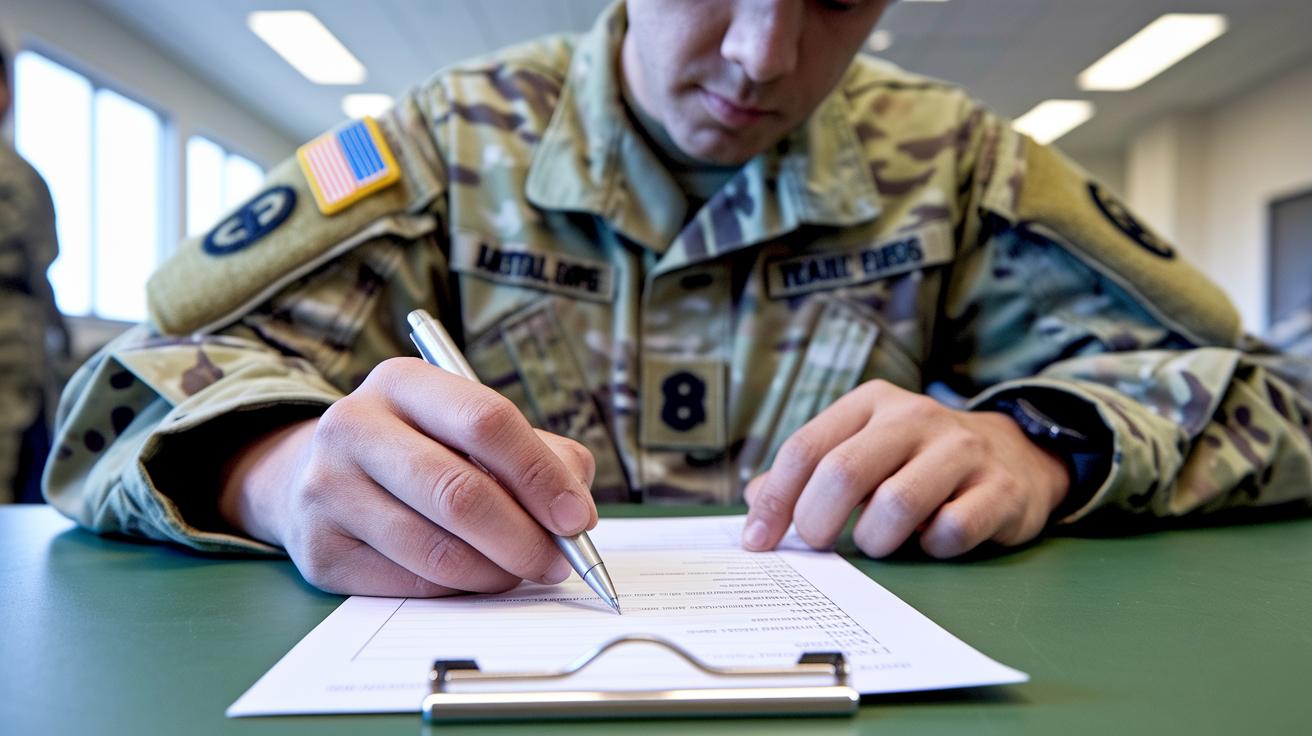
When you face military tests, staying focused is key to doing well on both written and hands-on challenges. Regular focus drills sharpen your mind so every order feels easier to handle, keeping you right in the moment.
Try breaking big tasks into small, achievable goals. Set a mini-target for each part and check your progress every 15 minutes. For example, jot down a few important points before starting a timed drill and mark them off as you complete them.
Using your senses can really help reset your focus. Grab a smooth object, a metal pen, for instance, to ground your thoughts during long tasks. Plus, a quick posture check, like straightening your shoulders every hour, keeps you alert and ready.
Every 45 minutes, take a five-minute break to relax and clear your head (that means giving your brain a quick rest so it keeps working well). A simple stretch or a brisk walk can give you a refreshing boost when you need it most.
Tactical Mindset Training and Visualization for Military Tests

Visualization is like a practice run in your mind. Imagine you're stepping into the testing ground, hearing the soft, steady tones of exercise orders, feeling that cool air on your skin during an outdoor drill, and clearly spotting every checkpoint. Your brain gears up for the challenge, building strong pathways to keep you sharp when tension is high.
Every day, set aside 5 to 10 minutes just for this mental training. Sit down in a quiet spot and picture the exam room with all its details. As you run through each challenge in your head, pep yourself up with a reassuring “I am prepared.” See yourself moving smoothly from start to finish. This habit not only boosts your confidence but also makes the whole process feel as natural as a well-rehearsed drill.
After your physical practice, take a few minutes to mentally replay what just happened. Use this technique both before and after your workouts as a way to lock in what you learned. It’s a smart mix, pairing the physical intensity of your drills with a calm review afterward, that really fine-tunes your tactical mindset. Want more insights on effective military test strategies? Check out the link.
Confidence Building and Self-Regulation Under High-Pressure Military Tests
A strong mindset is like the engine that powers you during tough military tests. When you're confident, you can take on any challenge head-on. It’s not just about physical drills; it’s about training your mind to stay clear and focused even when things get intense. Have you ever pushed past that nagging fear during a drill? That moment shows how a solid mental attitude can set the stage for success on the field.
Using self-talk can really keep you on track in difficult moments. Swap out “I can’t” for a quick “I’ve overcome worse” when doubt creeps in. And while you're taking a break, try keeping an upright posture, a quick glance in the mirror or a moment to straighten your shoulders can remind you just how strong and determined you are.
When things go off course, look at setbacks as lessons, not failures. Jot down what worked and what didn’t in a performance journal. Each challenge is a stepping stone that builds your resilience and sharpens your skills under pressure.
Long-Term Mental Endurance Drills and Adversity Adaptation Skills

Building lasting mental toughness is like gradually adding weight to a workout. You push yourself a little more each day. For example, set a weekly challenge such as taking a 30-minute ice bath or running a timed obstacle course. These challenges not only test your limits but help you handle stress in a more controlled way.
Break your training plan into short 4- to 6-week cycles with clear, trackable goals. Keep an eye on your progress by noting things like heart rate recovery and how stressed you feel during tests (basically, your stress gauge). Writing these down makes your goals real and lets you see your steady improvements.
Mix up your drills by targeting different stressors, physical, mental, and even environmental. One week, you might focus on a physical task. The next, add some brain exercises or simulate harsh conditions like extreme weather. Changing your routine stops you from getting too comfortable. This mix builds a strong mind and body that can handle unexpected challenges, just like on the field.
Final Words
In the action, you learned practical ways to build strength, focus, and confidence. The blog outlined purpose-driven drills, stress management routines, focused exercises, visualization, and long-term endurance techniques that deliver real improvements.
These mental toughness strategies for military tests set you on a steady course toward better performance under pressure. Keep pushing, stay committed, and let these strategies fuel your ongoing success.
FAQ
What mental toughness strategies for military tests are discussed on Reddit and in PDFs?
The mental toughness strategies for military tests include clear goal-setting, daily challenges and stress exposure to build resilience. These methods help you prepare mentally for intense evaluations.
What does mental toughness in the Army involve?
Mental toughness in the Army involves routine drills, focus exercises and stress management techniques that build discipline, resilience and a strong, steady mindset under pressure.
What does Delta Force mental training include?
Delta Force mental training includes scenario-based challenges, visualization techniques and stress management drills designed to sharpen focus and push your limits during high-pressure situations.
What defines the Army mindset?
The Army mindset is defined by discipline, determination and adaptability. It encourages a focus on mission goals while mentally preparing you for unexpected challenges.
Does the Army toughen you up?
The Army toughens you up by using rigorous physical exercises, structured mental conditioning and regular stress challenges that build both physical endurance and mental resilience.