
Ever wonder if there's a smarter way to tackle military tests? Think of each multiple-choice question like planning a field exercise, where every move counts.
When you learn to spot the key words, rule out the wrong answers, and trust the training you've received, you set yourself up to do well. Our guide shows you how to break down questions step by step, from checking the details to reviewing your work. These simple steps can turn test pressure into clear, easy-to-handle tasks.
Get ready to sharpen your skills and approach each question like planning a solid mission.
Core Answering Strategies for Military Multiple-Choice Tests

First, analyze the question. Read it slowly and pick up the key words and phrases. This careful look gives you the insight you need to choose the right answer. For instance, if a tricky question pulls you toward option B, trust that gut feeling once you’ve gone over the details.
Next, use elimination. Cross off any answers you know are wrong. Usually, this leaves you with two strong choices. You might think, "I can easily discard these three options that don’t match the clues." This method keeps you focused and clear-headed.
Then, lean on educated guessing. When you’re uncertain, rely on what you’ve learned from practice tests and spotting patterns from past exams. It’s like preparing for a field exercise, once you know the layout, you can make a smart move quickly. A buddy once mentioned a tough question about satellite imagery where recognizing the pattern made all the difference.
Also, manage your time wisely. Keep an eye on the clock and set checkpoints for each section. Imagine setting a timer during a drill, making sure you have enough time to tackle every challenge. Each question is important, just like every step in a mission counts.
Finally, review your answers. Take a moment to check your work and catch any rushed decisions or misreads. Think of it like double-checking your gear before heading out on a mission. Every question deserves your full attention to help boost your score.
Stick with these five steps, analysis, elimination, smart guessing, time management, and review, and you’ll build the confidence needed to meet the high precision required on military tests.
Managing Your Time During Military Multiple-Choice Assessments

Managing your time well is key to nailing your military test. Even if you're prepared, it’s easy to run out of time if you don’t keep a steady pace. Try setting clear checkpoints, say, "In 15 minutes, I should be done with 25 questions", just like you’d mark milestones during a training drill.
Keep an eye on the clock throughout the exam. At the start of each section, take a quick look over the questions. For example, give yourself 2 minutes to spot any familiar problems. This helps you decide which questions deserve a deep look and which can wait.
Break the test into smaller parts. If there are four sections, divide your time equally between them and save a few extra minutes for those trickier questions. Think of it as breaking down a big mission into bite-sized tasks.
Don’t forget to use a quick-scan method. Check your progress now and then, and if you hit a tough question, skip it for now and circle back later. This way, you can spot any repeating patterns or familiar types of questions more easily.
Process Elimination Techniques for Military Test Multiple-Choice Questions

When you face a multiple-choice question, start by quickly scanning for keywords and clues. This simple step helps you spot answers that don’t match the question. I remember one time when an option clearly clashed with the hint, I crossed it out right away.
Next, follow this step-by-step approach:
- Look for choices with extreme language or extra details meant to confuse you.
- Cross out any answer that clearly conflicts with the question’s clues.
- Compare the remaining options and rank them by how well they match the details.
- Trust your gut feeling after you’ve narrowed things down.
- Even if you’re not 100% sure, make sure to pick an answer since leaving it blank might cost you points.
This method builds on basic elimination tips by focusing on how to spot distractors, rank your choices, and pick an answer with confidence.
Critical Reading and Question Stem Analysis on Military Multiple-Choice Exams
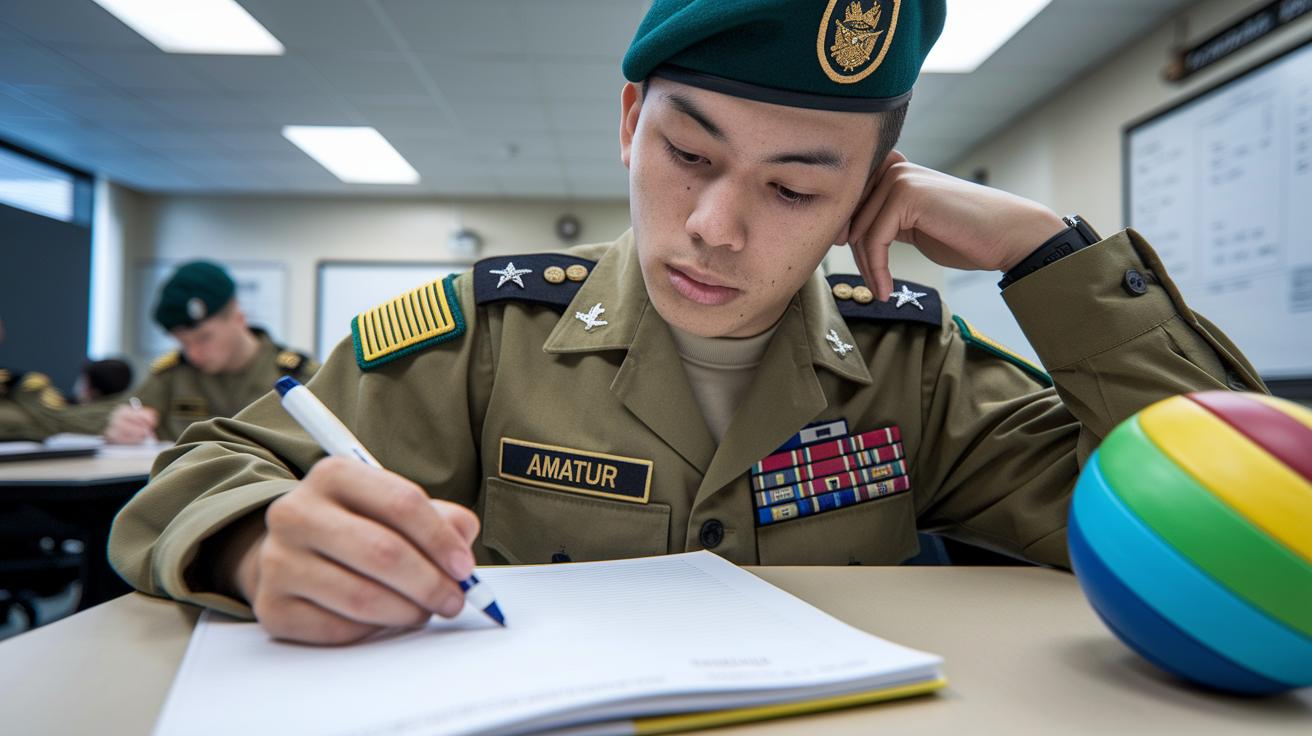
Start by carefully reading the question stem. Look for words or phrases that might be traps. For instance, words like "all", "always", or "never" are often clues that there could be a hidden twist. This simple tactic helps you weed out options that don’t fully match what’s being asked.
Next, break down what the question is really saying. Ask yourself if it’s looking for the best choice or pointing out a single exception. For example, when you see “Which option does not apply?” pause and think about what “not apply” means. This clear thinking helps you avoid misreading the question and makes sure your answer fits the question’s intent.
Then, boost your understanding by mentally marking key phrases that might change the answer. Watch out for subtle negatives that can flip the meaning. Taking just a few extra seconds here can help you spot tricky distractors and ensures you check every detail before making your choice.
Building Confidence and Managing Stress for Military Multiple-Choice Tests

High-pressure tests, especially those that require a 70% score, can really spike your stress and blur your thinking. To keep cool, try out some anxiety-busting techniques that work for you. For instance, take a moment for a simple breathing drill: take a deep breath, count slowly, and let the calm sink in, like pausing before an important tactical move. You might even check out some military test anxiety management strategies (a set of methods to help reduce exam stress) for extra guidance.
Set aside time for positive self-talk. As you work through each section, remind yourself, "I am prepared; I can handle this." Visualize a successful test day to turn nervous energy into focused determination. You can also quickly think of three encouraging words to boost your mood before diving into your questions.
Also, use focused test-taking techniques. Pause briefly during the exam to center your thoughts and trust your training. That short break can help clear lingering doubts and stop you from second-guessing.
Using these tips in your pre-exam routine helps build a mindset that is calm, clear, and ready to tackle any high-stakes test.
Final Words
In the action, you’ve learned key strategies for answering multiple-choice questions on military tests. We broke down analysis techniques, time management for assessments, and a step-by-step process elimination framework. You also got insights into critical reading and question stem analysis to catch every detail. These tactics, along with stress management and confidence-building drills, give you a solid edge to tackle any exam. Keep practicing these strategies, and you'll nail those military aptitude assessments with poise and determination.
FAQ
What strategies are effective for answering multiple choice questions on military tests?
Effective strategies combine careful reading, process elimination, educated guessing, and time management. They help you narrow down choices, identify distractors, and keep pace with the exam so you never leave a question blank.
What are some key tips and approaches for multiple choice tests?
Key tips include reading questions fully, eliminating clearly wrong answers, trusting your first instinct, and reviewing your choices. These steps work together to boost your overall score on the exam.
How can you pass a multiple choice test even if you feel unprepared?
You can pass by using smart elimination and strategic guessing. Focusing on these tactics allows you to make informed choices, even when your knowledge feels limited, increasing your chance of scoring well.
Which test-taking strategy is best for multiple choice exams?
The best strategy balances process elimination with time management. This method helps you quickly discard wrong answers and focus on plausible options, ensuring you answer every question without feeling rushed.
What is the trick of answering multiple choice questions effectively?
The trick is to use process elimination to remove incorrect answers, then trust your gut to choose the correct option. This simple tactic has helped many achieve higher scores.
Can using worksheets help improve multiple choice test strategies?
Yes, practice worksheets familiarize you with different question formats, reinforce elimination techniques, and help sharpen timing skills, making you more comfortable during the actual test.
How can you manage time during military multiple choice assessments?
Managing time involves setting quick checkpoints, pacing yourself per section, and scanning questions for keywords. This approach ensures every item receives attention while avoiding the rush at the end.
How do you build confidence and reduce stress during military tests?
Building confidence comes from practicing mental drills like deep breathing and positive self-talk. These techniques keep you calm, focused, and ready to make steady, clear decisions on test day.