
Do you sometimes feel stuck trying to raise your fitness test scores? Think of your workout plan as a simple mission you need to accomplish step by step.
Every drill, whether it is push-ups or running, becomes a small goal that you can hit day by day. It is like scoring quick wins that build your confidence and steady progress. In this guide, we will show you how to break down your training into easy, clear goals that get you on track to ace your test.
Essential Physical Fitness Test Score Improvement Strategies
Improving your PT scores might seem like a big job at first, but breaking it into parts makes it way more doable. The fitness test covers a 2-minute push-up drill, a 2-minute sit-up drill, and a timed 2-mile run. Each event is scored on a scale from 0 to 100. It works a lot like planning a mission, you set clear targets. For instance, you could aim for 90 points on push-ups, 90 on sit-ups, and 90 on the run, just like setting your objectives before deployment.
Using a step-by-step plan helps keep your training on track. When you split a large goal into smaller, clear steps, it builds your confidence, kind of like drawing a map before heading out. Here’s a simple way to get started:
- Set your goal: Aim for 90 points in each event to reach a total of 270.
- Break that goal into smaller milestones that fit into your daily routine.
- Create a training plan using simple tools, like an app on your phone or a basic spreadsheet.
- Keep track of your daily progress so you can tweak your plan as needed.
Stick with this approach every day. With clear targets, manageable steps, and regular check-ins, you’re on your way to boosting your PT scores, just like executing a well-planned mission.
Crafting a Structured Conditioning Program for Fitness Assessment Improvement
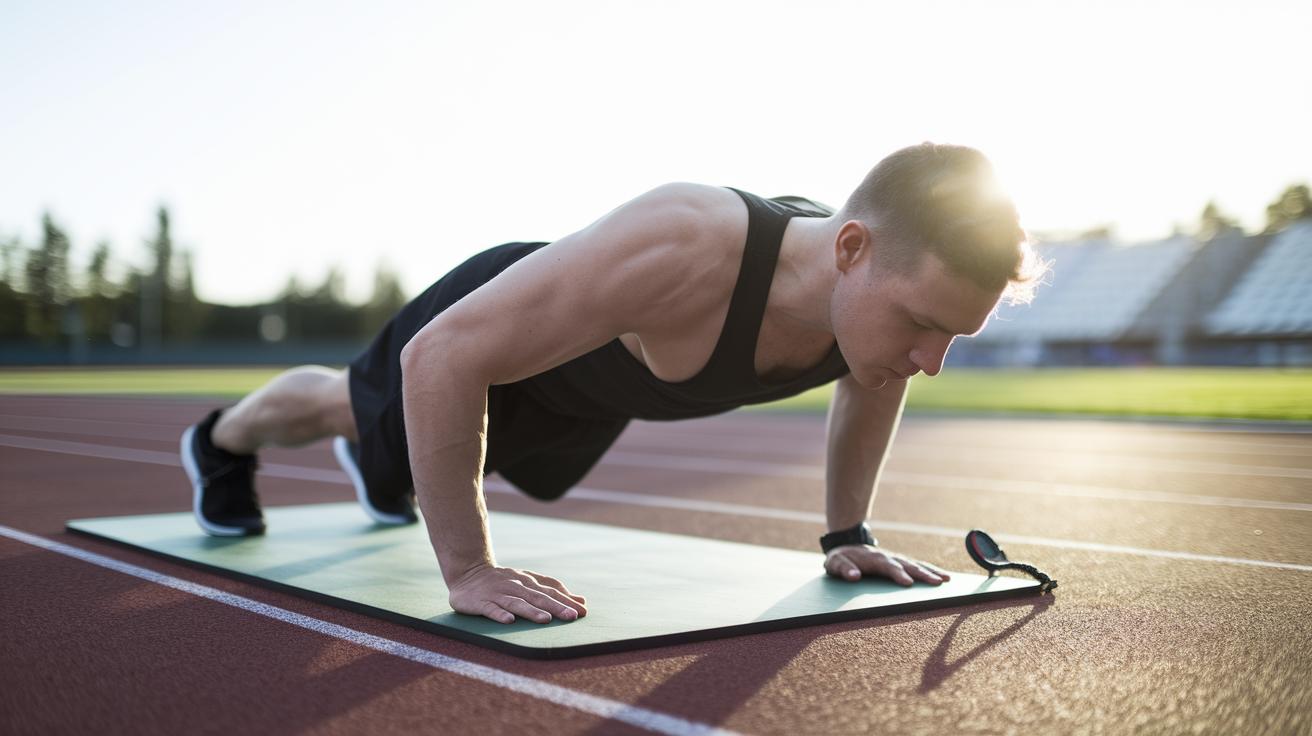
Imagine your training as a series of missions spread out over 4-6 weeks, timed perfectly with your test dates. Every cycle builds on the one before, helping you get better at push-ups, sit-ups, and the run. This way of training lets you dial up the work and then give your body time to recover, which is key for avoiding injuries. A quick warm-up session, like a light jog or some simple stretching, gets your muscles ready for action and cuts down on the chance of hurt.
Picture your week this way: you kick things off with strength days focused on push-ups and sit-ups, doing steady, controlled reps to build your endurance. Midweek, you switch to interval running. This means short bursts at your best pace, mixed with breaks to let your body adjust to the speed you’re aiming for. On the days in between, add some active recovery, think mobility exercises and light stretching to ease out muscle tension. And make sure you take at least one full day off to rest completely. This blend of strength work, tailored cardio, and proper recovery is just the balanced approach you need for all three APFT events.
Your conditioning routine should feel personal. Tailor it to your current fitness level and your goals. Adjust how much workload, rest, and intensity you handle each week, based on how you’re feeling. Keeping track of your progress is like fine-tuning your gear before a mission, it helps you know exactly where to make changes.
Strength and Conditioning Workouts to Boost Physical Fitness Test Scores
Getting stronger and more stable can really boost your test scores. Try to balance building muscle with practicing good form. I recommend three focused sessions each week, with 3 to 4 sets of 8 to 12 reps in every session. This plan not only builds the muscles you use for push-ups and sit-ups but also strengthens your running posture so you stay steady and powerful.
Upper-Body Strength Drills
Focus on moves that help your upper body go the distance. Start with regular push-ups and then try tougher variations as you get stronger. Add pull-ups to work your back and arms too. For example, you could do 3 sets of 10 push-ups and 3 sets of 8 pull-ups, along with some form drills to protect your shoulders. These exercises lay the foundation for solid performance in all your test events.
Lower-Body Power Exercises
Work on your legs to boost your running power and balance. Do exercises like different kinds of squats, deadlifts, lunges, and step-ups. These moves build strong legs while keeping your joints safe when done correctly. Picture yourself running with a spring in your step, powered by lower-body strength that comes from focused practice.
Core Stability Sessions
Your core connects your upper and lower body. Include planks, dead-bug exercises (a move where you lie on your back and alternate extending arms and legs), and glute-bridge holds in your routine. These moves help stabilize your midsection, which can improve your performance in every test event. Keep your core tight and your movements controlled to make each session both effective and safe.
Interval and Cardiovascular Training Techniques for Fitness Test Improvement
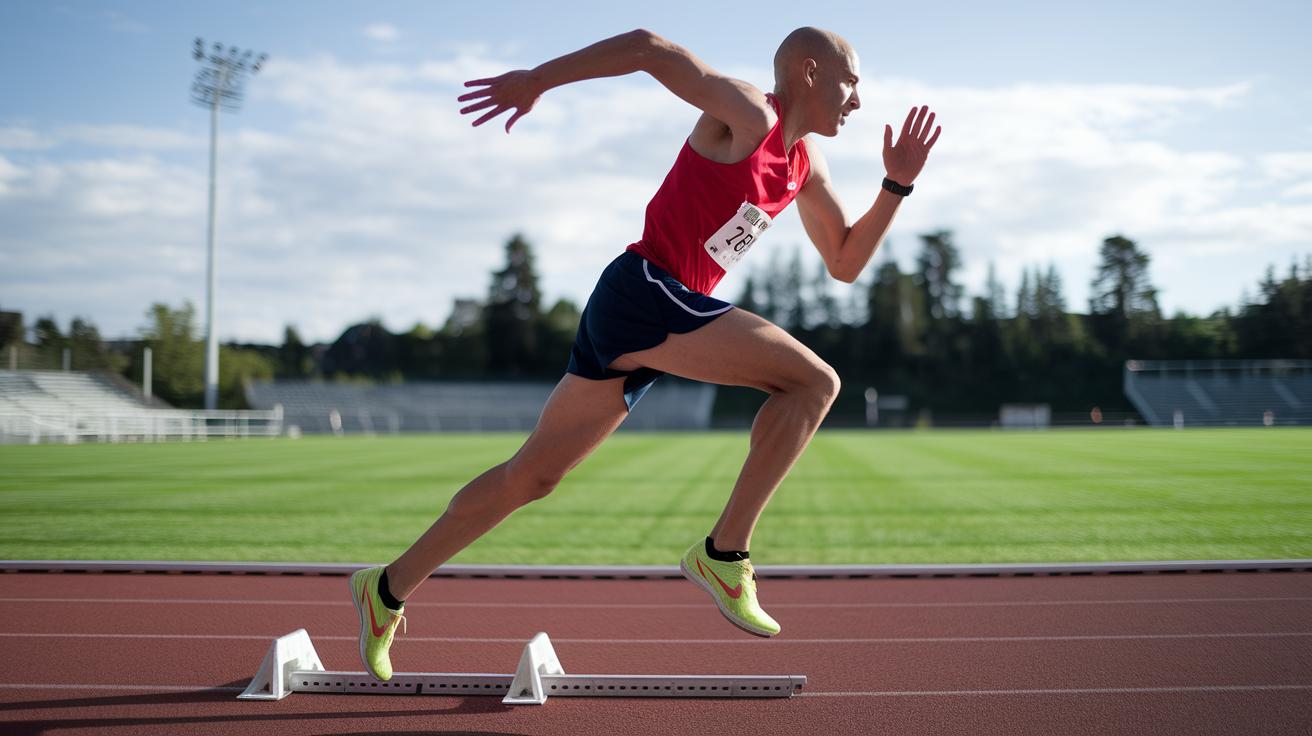
When you’re gearing up for your fitness test, it’s smart to focus on training at the right pace instead of just logging endless miles. Targeted interval workouts get your body used to running at the speed you need come test day. Instead of piling on distance, these sessions use bursts that match your two-mile pace, meaning each workout boosts both your speed and endurance without overdoing it.
Here are some drills to try:
- 400m repeats at your target two-mile pace with a 90-second rest.
- 800m repeats at a strong, steady pace with a 2-minute recovery.
- 200m sprints to build explosive power, followed by a 60-second break.
- 600m intervals at a comfortable, consistent pace with a 90-second rest.
- 1,000m segments run at a steady test pace with a 2-minute recovery.
It’s important to mix in proper recovery. Add one long, slow run each week to build endurance without wearing yourself out. Also, set aside days for light activities like foam rolling and stretching to ease muscle tension and help prevent injuries. Taking the time to rest lets your body adapt so that every interval you train for really counts when test day rolls around.
Nutrition and Hydration Strategies for Enhanced Test Performance
Getting your body the right fuel before a workout is key. Start with a meal that mixes carbs, proteins, and fats. Stick to about 50% carbs, 25% protein (that’s roughly 1.6–2.0 grams per kilogram of body weight), and 25% fat. It’s a bit like putting the right fuel in a truck before a long drive. For example, a bowl of oatmeal and a couple of eggs give you energy and help your muscles recover.
Timing your meals also makes a difference. Try eating a balanced meal about two hours before training so you’ve got plenty of energy. Then, about an hour before you start, grab a light snack, maybe a banana with a small handful of nuts. This way, you’re fueling up without feeling too full.
Don’t forget to drink enough water throughout the day. Aim for 3–4 liters of water daily, and if you’re doing high-intensity training, add in some electrolytes before and after your session. Think of water as the oil that keeps your engine running smoothly during a long, tough mission.
After a workout, it’s important to help your body recover fast. Have a shake with a 3:1 ratio of carbs to protein within 30 minutes of finishing. For instance, blend some fruit with protein powder and a bit of yogurt. This mix helps rebuild your muscles and gets your energy back up quickly.
Recovery, Rest, and Injury Prevention in Physical Fitness Test Preparation

Getting a solid 7–9 hours of sleep each night is like giving your body a tune-up. Good sleep helps balance your hormones and speeds up muscle repair. Think of it as refueling your engine before you head out on a mission.
Quality sleep also keeps those stress hormones in check. If you’re waking up tired, it might be time to take a closer look at your sleep routine, just like you’d double-check your gear before a big assignment. Make sleep a key part of your fitness strategy.
On heavy training days, your body really needs that downtime. Sleep is when your muscles rebuild and get stronger, setting you up for tougher workouts ahead. For more ways to boost recovery, check out our sections on conditioning and interval training.
Progress Tracking Tools and Test Day Readiness for Fitness Assessments
Track your progress using simple apps or even a basic spreadsheet. Log every push-up, sit-up, and your timed 2-mile run so you can see how you’re improving. Checking your scores every month helps you know when to push harder or try a new routine. It’s just like going over your mission report after a drill.
When you record your workouts regularly, you can see patterns and make smart tweaks. Look at your logs to find what’s working best, and adjust your training if you hit a plateau. This way, you keep moving forward steadily, much like fine-tuning your gear before the next exercise.
A good trick is to mimic test day conditions. Warm up properly, then do your push-ups, sit-ups, and 2-mile run just like on test day, including the rest breaks. This helps you understand your pace and timing when it really counts.
Finally, set aside a distraction-free day to go through a full practice test. Running through all the steps ensures you feel confident that you’re ready when test day arrives.
Final Words
In the action, you can use these clear methods to boost performance on all test events. We discussed setting goals, building strength with focused drills, mixing interval sessions, following smart nutrition, and taking time to recover properly. Applying physical fitness test score improvement strategies will help you reach targets and build real confidence. Keep pushing forward and remember, every step you take is progress toward peak readiness.
FAQ
What are the physical education fitness testing standards for students and high schools?
The physical education fitness testing standards set benchmarks for tests like push-ups, sit-ups, and running. They vary by age and school, helping measure overall physical condition.
What does the physical fitness test in a Physical Education PDF include?
The physical fitness test PDF usually details the test structure, event descriptions, scoring criteria, and directions to meet set performance benchmarks for various exercises.
What are the Army physical fitness requirements and test standards for males?
The Army fitness standards require males to meet specific benchmarks in exercises such as push-ups, sit-ups, and a timed run, which are outlined in a detailed fitness test chart based on age and performance.
What are the military physical requirements for females?
Military standards for females set clear performance benchmarks similar to male requirements, with adjustments based on age and gender to ensure all service members can meet adequate fitness levels.
What can you do to improve your fitness score and overall physical fitness?
Improving your fitness score involves regular strength, endurance, and flexibility workouts, a balanced diet, consistent practice, and tracking progress to help boost overall performance in physical tests.
What should you eat the night before a PT test?
The night before a PT test, have a balanced meal with lean protein, whole grains, and veggies to fuel your body for energy and support muscle recovery during the test.