
Have you ever wondered if your tech skills are strong enough for a special military role? This guide breaks down how everything you know, from basic science to electronics and mechanics (that is, understanding how things work), can lead you to the right career path.
The military sets up a bunch of tests to help decide which job fits you best, much like matching the right gear to the right mission. You’ll find easy-to-follow examples and hands-on tips that show you what each test looks like, so you can feel more confident walking into the assessment.
Keep reading to see how playing to your strengths can secure you the perfect role on your team.
Overview of Military Technical Skills Assessment for Specialized Roles

Since 1968, the Department of Defense has used the ASVAB to check a person's skills, ranging from technical know-how to vocational abilities. This test helps figure out if someone can enlist and finds the best military role to match their strengths. It makes sure that every recruit gets jobs that truly fit what they can do.
The ASVAB is broken into several smaller tests, with some parts focused on the technical skills needed for special roles. For example, the General Science section checks if you understand basic ideas about physical and biological processes. One sample question might be, "How does the environment change chemical reactions?" The Automotive and Shop Information section sees if you know about vehicle repair and work in a shop, much like the real-life tasks mechanics handle. Mechanical Comprehension tests your understanding of machines, like levers and pulleys, with questions that need clear and logical answers. Electronics Information looks at your familiarity with circuits and electronic parts, sometimes asking things like, "Which part controls the flow of current?"
There are two ways to take the ASVAB. The CAT-ASVAB is a computer test that adjusts its difficulty based on your answers and usually lasts about 90 minutes. On the other hand, the paper-and-pencil version has set sections and lets you skip questions and come back to them later. No matter which version you choose, your answers are turned into scores that measure your technical skills, helping to match you with the right specialized role in the military.
Core Technical Subtests in Military Technical Skills Tests
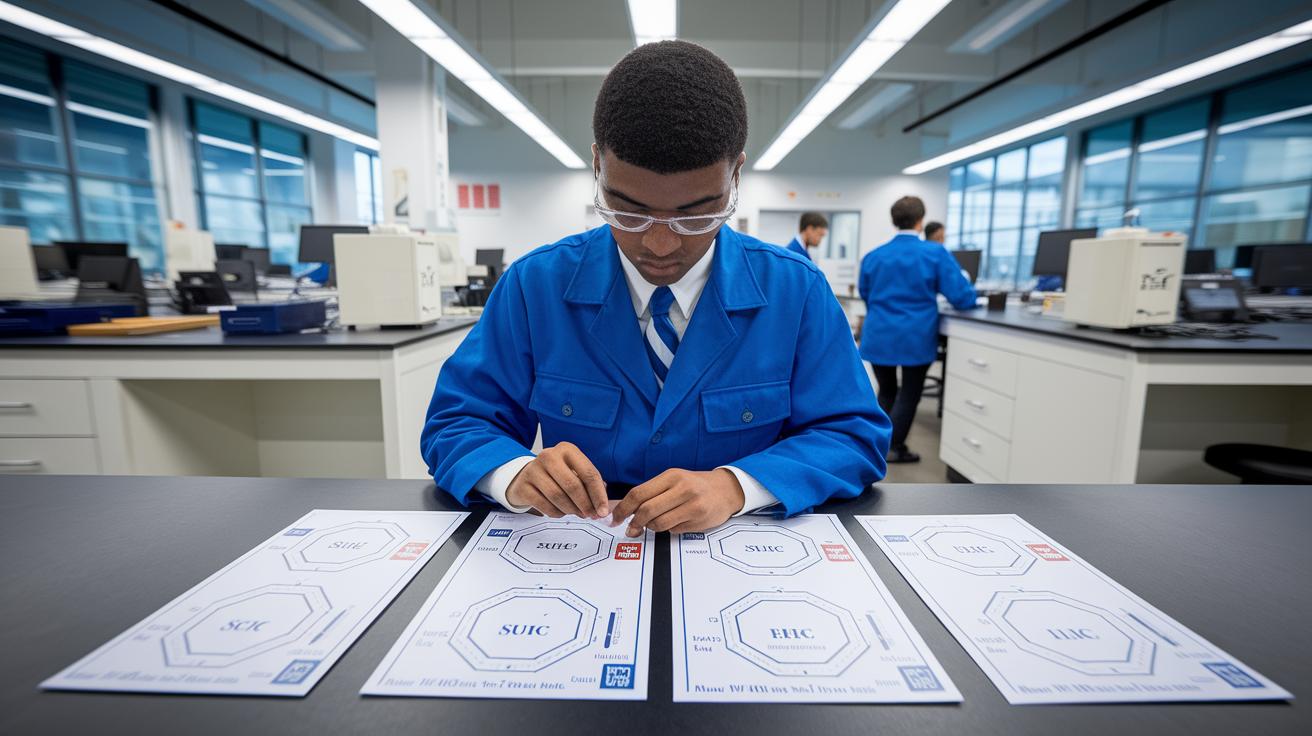
These tests check skills you need for military roles, using modern formats that include interactive graphics and digital simulations.
General Science looks at everyday physical and biological ideas. You might see a question like, "What effect does a drop in temperature have on a chemical reaction?" It’s all about applying simple science to real field situations.
Automotive and Shop Information covers the basics of car repair and shop work. For example, you may be asked which tool works best to loosen a tight bolt on an engine. This section deals with the kind of maintenance tasks you often face with military gear.
Mechanical Comprehension tests your know-how of simple machines such as levers, pulleys, and gears. One sample question might be, "If a lever is extended to twice its original length, how does that affect the force needed to lift a weight?" Today’s tests even use interactive diagrams to show you real-world mechanics in action.
Electronics Information checks how well you understand electronic devices and circuits. Imagine being shown a circuit diagram and needing to decide which part controls the current. This test is key for those handling advanced systems in military operations.
Format Comparison: CAT-ASVAB vs P&P Technical Skills Tests
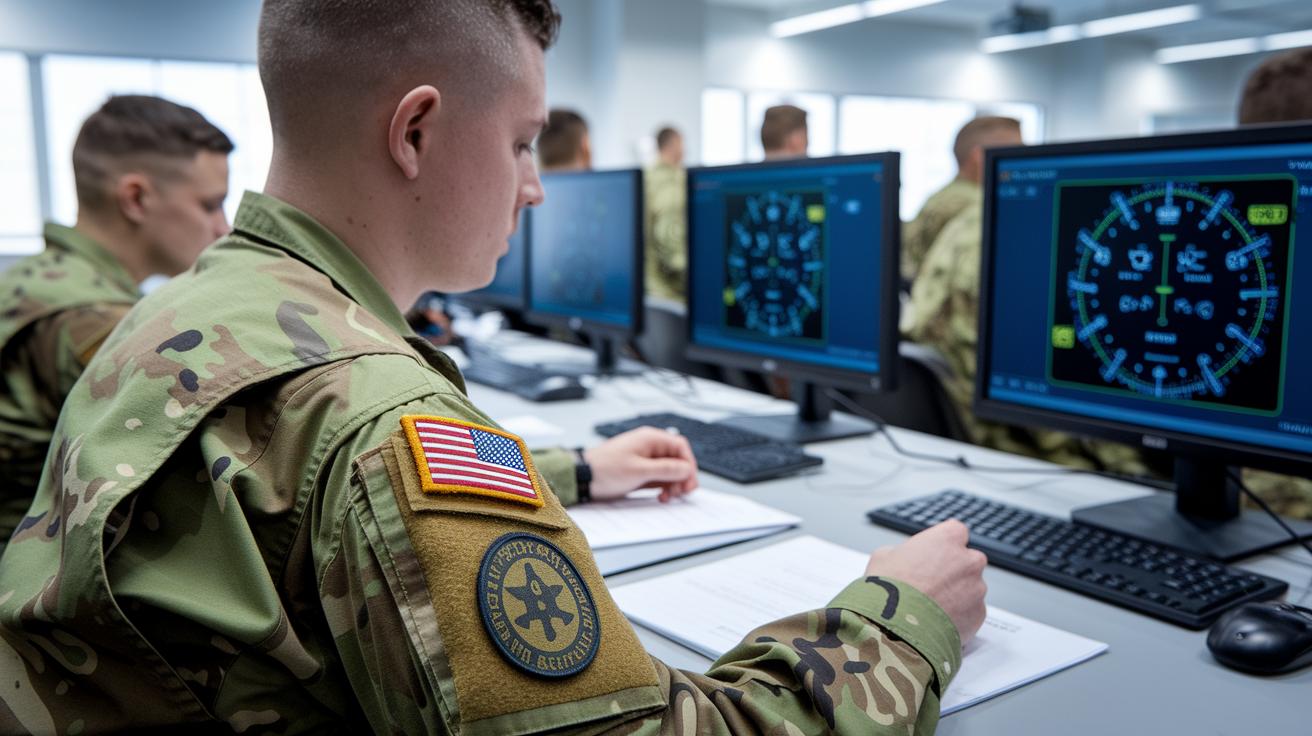
The CAT-ASVAB works in an adaptive way. Your next question depends on whether you got the last one right. Answer correctly and you'll face a tougher question. Miss one, and things ease up a bit. It’s like keeping your cool during a morning drill.
The paper-and-pencil test is different. You can skip questions and come back to them later. This setup is handy if you run into one that gives you pause. You set your own pace, not an algorithm.
| Format | Adaptive | Navigation | Duration |
|---|---|---|---|
| CAT-ASVAB | Yes | Fixed progression | ~1.5 hours |
| P&P-ASVAB | No | Skip and return allowed | Varies |
For test takers, these differences really count. With the CAT-ASVAB, every answer builds your score right away. On the paper test, you can take your time and rethink answers, which helps if you're managing your clock.
Sample Exercises in Military Technical Skills Test Guide

Our practice materials now offer three complete AFQT practice exams along with a final simulation. This simulation is designed to put you under the same time pressure you’ll face on test day, imagine sitting down with a timer, where every second really counts.
The exercises focus on different core areas:
-
Mechanical Comprehension: You’ll tackle problems involving levers and pulleys. For example, you might be asked, "How do you calculate the force needed to lift a weight using a lever?" These questions help sharpen your practical mechanical skills.
-
Electronics Information: Here, you'll work on reading circuit diagrams and figuring out what each part does. Imagine a question like, "Which component in this circuit regulates current?" Such exercises build your ability to quickly scan and understand technical schematics (diagrams showing electrical connections).
-
Automotive and Shop Information: In this area, you’ll face scenarios that test your knowledge of proper safety procedures in vehicle maintenance. For instance, one exercise might ask, "What tool should you use to safely tighten a bolt?" These questions reinforce key shop safety habits and maintenance procedures.
Overall, these simulations and practice questions boost your confidence in making on-the-spot technical decisions and get you ready for the unique challenges of military roles.
Preparation Strategies for Military Technical Skills Tests
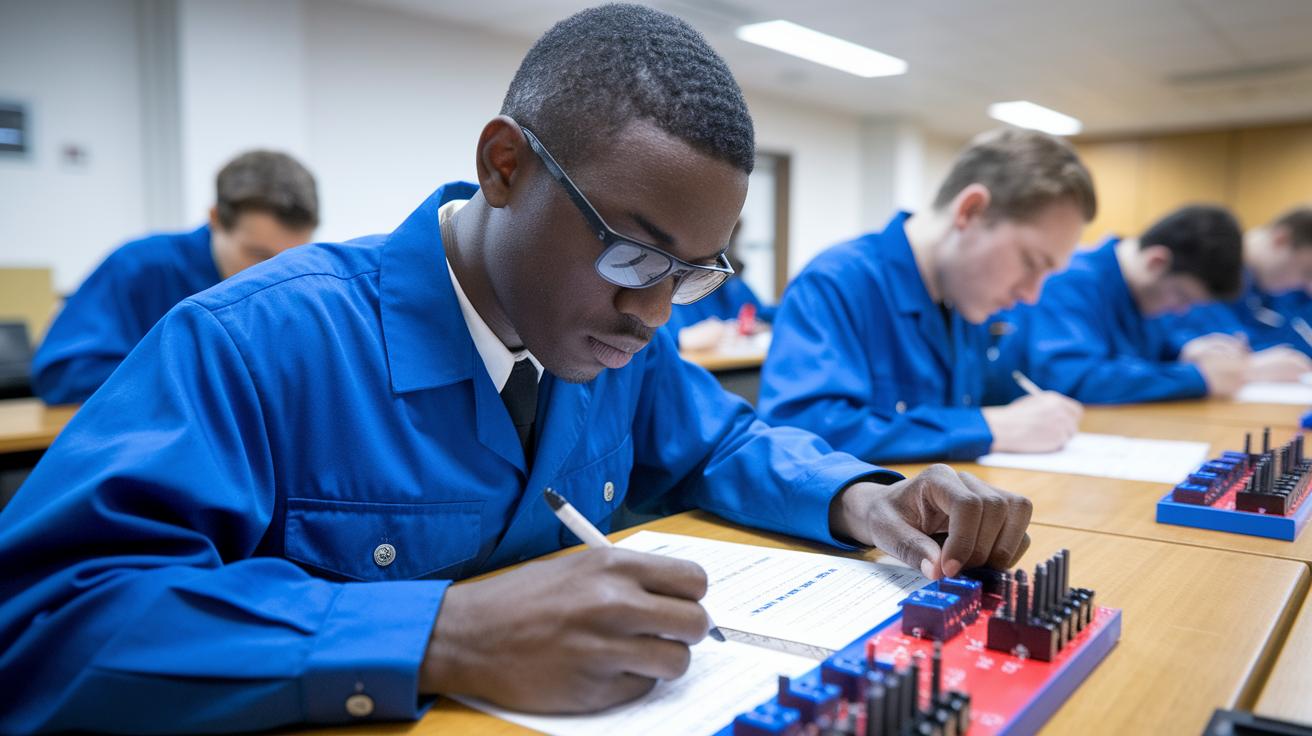
Start your study plan with a diagnostic test. This first run tells you which technical skills need extra work, kind of like a quick drill before heading out on a mission. For instance, if some questions slow you down, that’s your signal to focus on those areas.
Set up a study schedule with short, focused sessions of 30 to 60 minutes. Think of each session as a training drill that steadily builds your skills. Create a routine where you review topics like mechanical comprehension (understanding how machines work) and basic electronics, with a clear goal for each session, just like planning clear objectives before a field exercise.
Use specialized study guides and practice tests, such as those available on the Military Technical Skills Test Preparation site. These guides offer practice problems and step-by-step explanations. After you tackle a problem, review the detailed breakdown like you would after a tactical debrief to reinforce your learning.
Practice under timed conditions to sharpen your pacing and decision-making under pressure. Run a couple of full-length test simulations and treat each one as the real deal. Try to schedule your final simulation about one to two weeks before test day, so you can make any needed tweaks, just as you’d adjust your strategy after a major drill.
If you need a step-by-step guide, check out the Military Test Preparation guide online to see how methodical planning can set you up for success.
Scoring Guidelines in Military Technical Skills Tests for Specialized Roles

Scoring for these tests starts with raw scores. Every correct answer earns you a point, and then your total is converted into a scaled score that averages 50 with a spread of 10. This step makes sure that even if some tests are tougher than others, everyone is treated fairly.
The Armed Forces Qualifying Test (AFQT) score comes from four parts: Word Knowledge, Paragraph Comprehension, Arithmetic Reasoning, and Mathematics Knowledge. This score is key to deciding if you can join. For instance, the Army, Navy, and Marines require a minimum score of 31, while the Air Force needs 36 and the Coast Guard looks for 40. Hitting these marks means you pass the first check for enlistment.
Next, we look at MOS or rating composite scores. These scores mix certain subtest results to see if you qualify for a specialized job. Generally, a higher score opens the door to more advanced career options. This breakdown helps you spot which technical skills you need to work on as you prepare, so you can focus your study time and boost your chances of success.
Official Guidelines and Eligibility for Military Technical Skills Testing
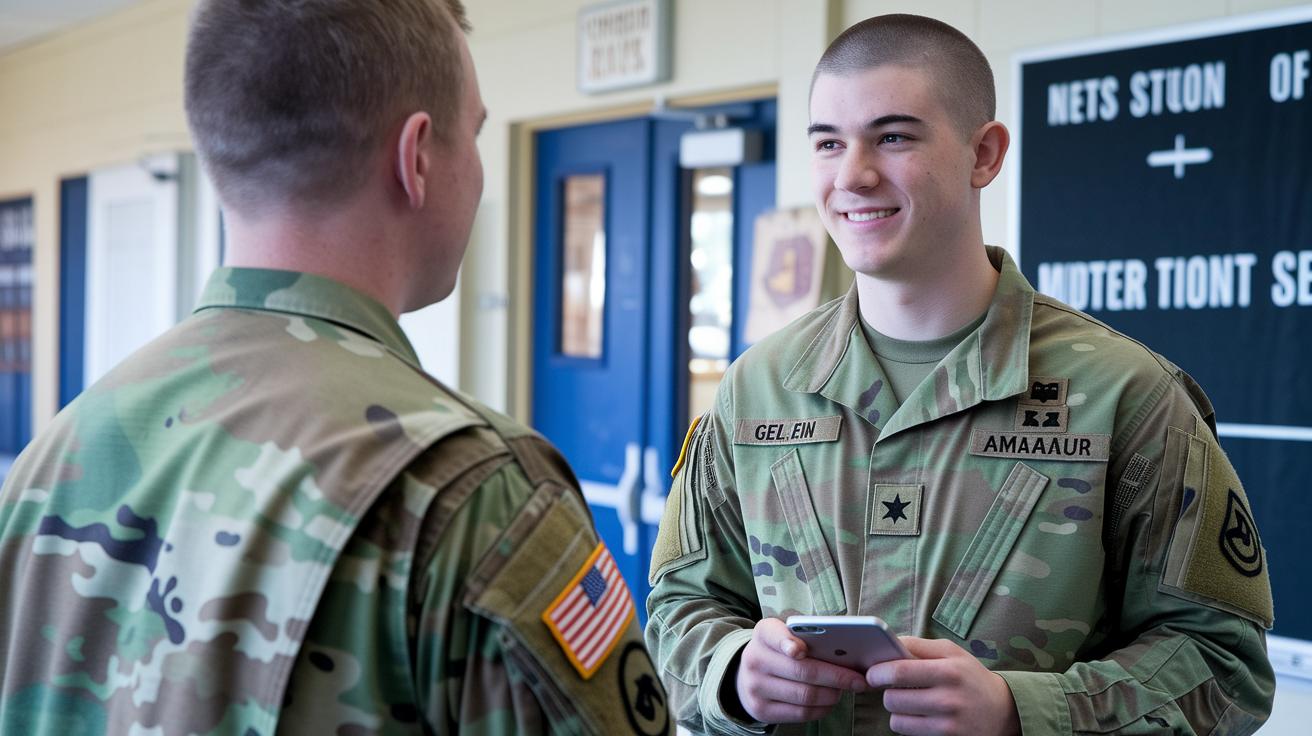
You need to be between 17 and 35 years old and hold either a high school diploma or a GED (if you have a GED, some extra rules might apply). Being a U.S. citizen or a permanent resident is also required. These basic steps make you eligible for the military technical skills tests.
You can register by talking with a military recruiter or a high school counselor. It’s a good idea to set up your test date about 2 to 4 weeks ahead of time. This gives you plenty of time to study and get ready. On test day, try to show up 30 minutes early. That way, you have time to check in, relax a bit, and get in the right headspace.
Be sure to bring a valid ID with you. Get a solid 7 to 9 hours of sleep the night before, eat a balanced meal, and wear comfortable clothes so you can keep your energy up throughout the test.
If you need another attempt, you might have to wait before retaking the test. Usually, you’ll have to wait 30 days after your first try and 6 months after your second try. Before your next attempt, consider setting up a new study plan to help you perform even better next time.
Role-Specific Preparation in the Military Technical Skills Test Guide

When you use your ASVAB scores to explore military careers, you can zero in on drills that match your own strengths. This strategy not only builds confidence but also sharpens the skills you need for your chosen field. Say you’re leaning toward an engineering role, focus on Mechanical Comprehension drills that test simple machines like levers and pulleys. Picture tackling a question like, "How does changing a lever's length affect the force needed?" and working through it step by step.
If Aviation Maintenance is your calling, spend extra time on Electronics Information and Automotive and Shop drills. Imagine practicing with a circuit diagram or working through a vehicle repair scenario to boost your practical skills. And for those eyeing cybersecurity, putting more effort into Electronics Information and General Science exercises can really hone the problem-solving skills essential for digital defense tasks.
- Engineering: Focus on drills that test Mechanical Comprehension.
- Aviation Maintenance: Build your skills with Electronics Information and Automotive and Shop practice.
- Cybersecurity: Strengthen your abilities with Electronics Information and General Science exercises.
Regular training sessions with these focused drills work like field exercises, getting you ready for the real test conditions. They build operational proficiency and make sure you meet the standards needed for your military career.
Final Words
In the action of this article, we reviewed the main aspects of military technical assessments. We broke down the core subtests, compared test formats, and explored sample exercises to prepare you for technical challenges. We also covered preparation tactics, scoring guidelines, and eligibility requirements for specialized roles. This guide offers practical, step-by-step advice to help you boost your skills and confidence. Keep this military technical skills test guide for specialized roles in mind as you move forward, knowing you’re equipped to succeed.
FAQ
What does ADTC level of comprehension refer to?
The ADTC level of comprehension measures how well a candidate understands and applies technical instructions during assessments and role-specific training exercises.
What resources are available like the PDG study Guide TSgt 2025, 25E6 study guide PDF, Air Force Handbook, and Air Force BMT study guide PDF?
The PDG study guide for TSgt 2025, the 25E6 study guide PDF, the Air Force Handbook, and the Air Force BMT study guide PDF provide detailed preparation materials, practice questions, and role-specific info to help you prepare effectively.
How does an ASVAB practice test support exam readiness?
The ASVAB practice test simulates real test conditions, helping you build confidence, improve timing, and become familiar with the format of technical subtests for better exam performance.
How is the Technical Sergeant salary determined?
The Technical Sergeant salary is determined by factors such as rank, years of service, and overall performance, following standardized military pay scales for fair and consistent compensation.
How do you study for WAPS testing effectively?
Studying for WAPS testing effectively means setting a regular study schedule, using focused study materials, practicing under timed conditions, and reviewing solutions to build both speed and accuracy.
What are technical skills in the military?
Technical skills in the military refer to core abilities like handling electronics, understanding mechanical systems, and maintaining vehicles, which are essential for success in specialized roles.
What is SQI 7 in the Army?
SQI 7 in the Army is a qualification standard that tests specific technical and operational skills required for certain military roles, ensuring that candidates meet job-specific performance benchmarks.
What is the difference between ASI and SQI?
The difference between ASI and SQI is that ASI recognizes additional skills through extra training courses, whereas SQI verifies core technical proficiency for the job at hand.
What constitutes specialized training in the military?
Specialized training in the military involves focused instruction and hands-on learning in technical areas needed for specific roles, combining classroom education with practical experience to boost proficiency.