
Ever wonder if our fitness tests really push you to your limits? The latest updates combine familiar drills with quick, high-intensity bursts (short periods of exhausting effort) that build strength, speed, and readiness for real challenges.
Now, twice a year, tests measure your true performance. Each pushup and sprint becomes a step toward handling tough field obstacles. This tougher, more practical testing system is designed to prepare you for actual combat situations.
Read on to learn why these changes are setting a new standard for military fitness.
Overview of Recent Revisions to Military Fitness Tests
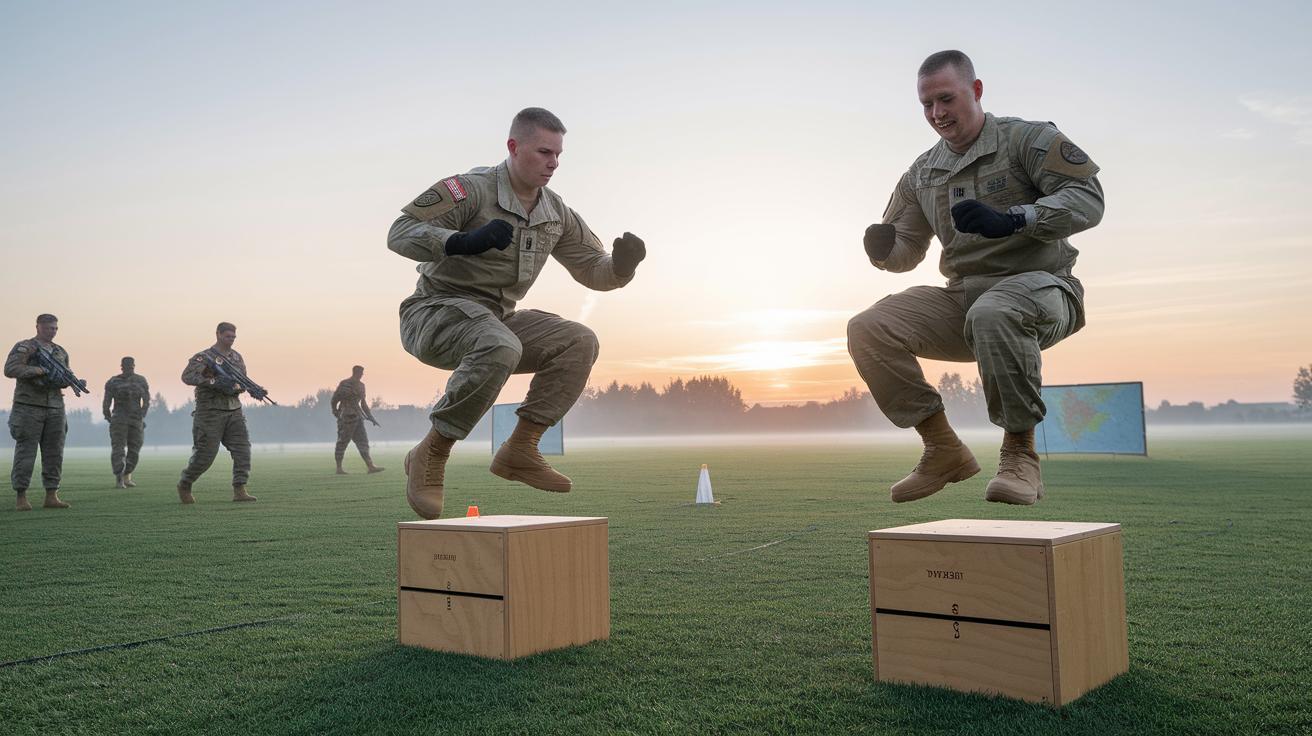
Starting October 7, 2025, our Basic Military Training program gets a major upgrade. It now blends classic exercises with a boost in high-intensity interval work. You’ll see box jumps, sprinting, and shuttle runs joining the regular running, pushups, and situps. This mix builds endurance, strength, agility, and speedy recovery all at once.
Service members now take a physical test twice a year. And yes, you need to hit specific height and weight marks. For combat troops, the bar is set high to ensure you’re in peak form for tough missions. It’s a big shift toward tests that really match the challenges we face today.
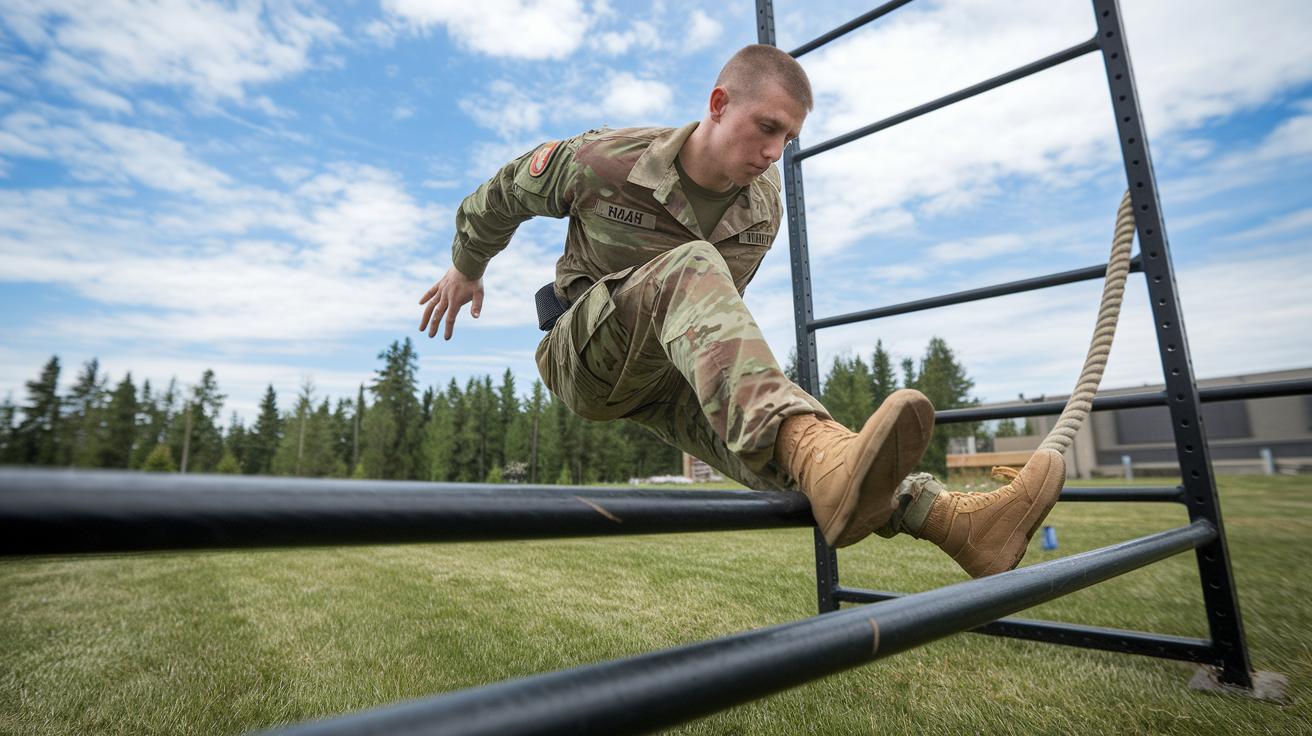
Navigation training is getting a fresh approach too. Instead of just old-school land navigation, the course now includes simulated scenarios that mirror real deployments. Imagine practicing on an obstacle course that feels just like real combat, pushing you to make quick decisions under pressure.
Overall, these changes help you build a complete set of physical and tactical skills. The updated format lets you work on strength, speed, and smart navigation at the same time. It’s a tougher, more relevant testing framework, ensuring every service member is ready for the real deal on the field.
Evolution of Military Fitness Test Standards
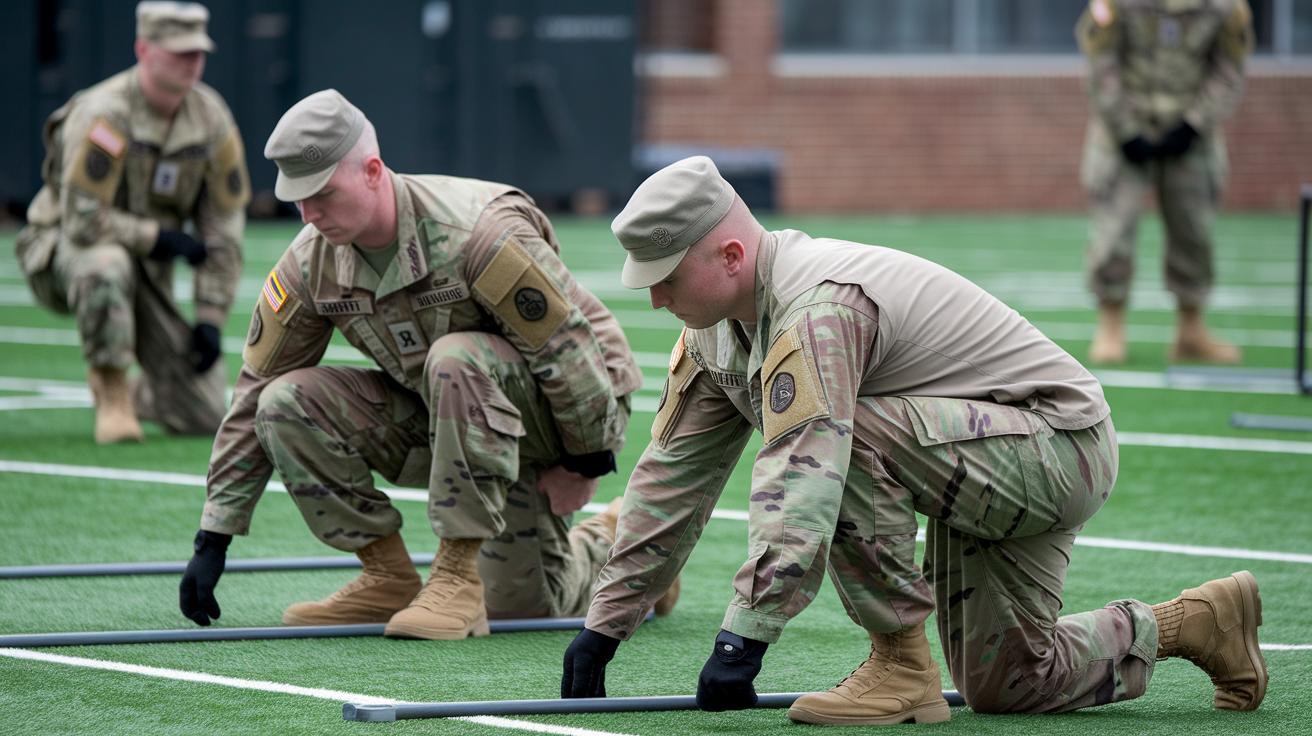
The way we measure strength and endurance has come a long way since 1986. Back then, the Army used a simple height and weight chart, if you were over the limit, they measured your body fat with a tape measure. It was all about the numbers. Today, a new performance-driven approach takes center stage. Instead of sticking to strict weight limits, it focuses on actual readiness. Think about it: soldiers now prove their fitness by performing real-world tasks, not just hitting a number.
The Navy still checks height and weight, but they add one more step. Sailors pass if a man’s waist stays under 39 inches or if a woman’s stays below 35.5 inches. Every branch is tweaking its own set of rules. For instance, the push-up standards are tougher now, matching the physical demands of combat roles compared to older tests that required fewer pushups.
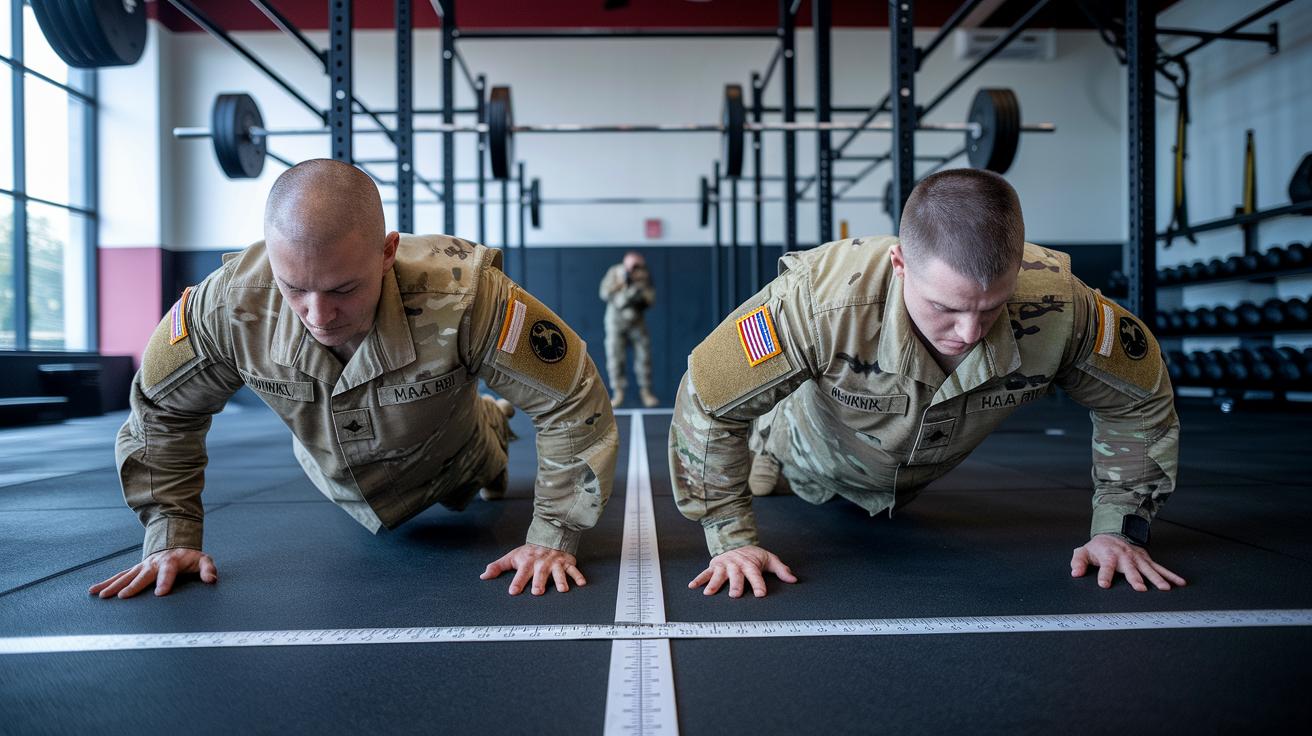
Sit-up tests have also shifted gears. They now stress the pace as much as the number of situps you can do. You’re expected to keep a steady rhythm, which better shows off your endurance and core strength.
Strength tests have moved away from just counting repetitions to measuring overall power. Service members now face exercises that mirror real field movements. These changes are part of a broader effort to update military fitness standards for today’s tough scenarios. New testing methods and a focus on performance mean that every soldier is not only hitting a number, they’re truly ready for the challenges of military service.
Timeline of Military Fitness Test Revisions Implementation
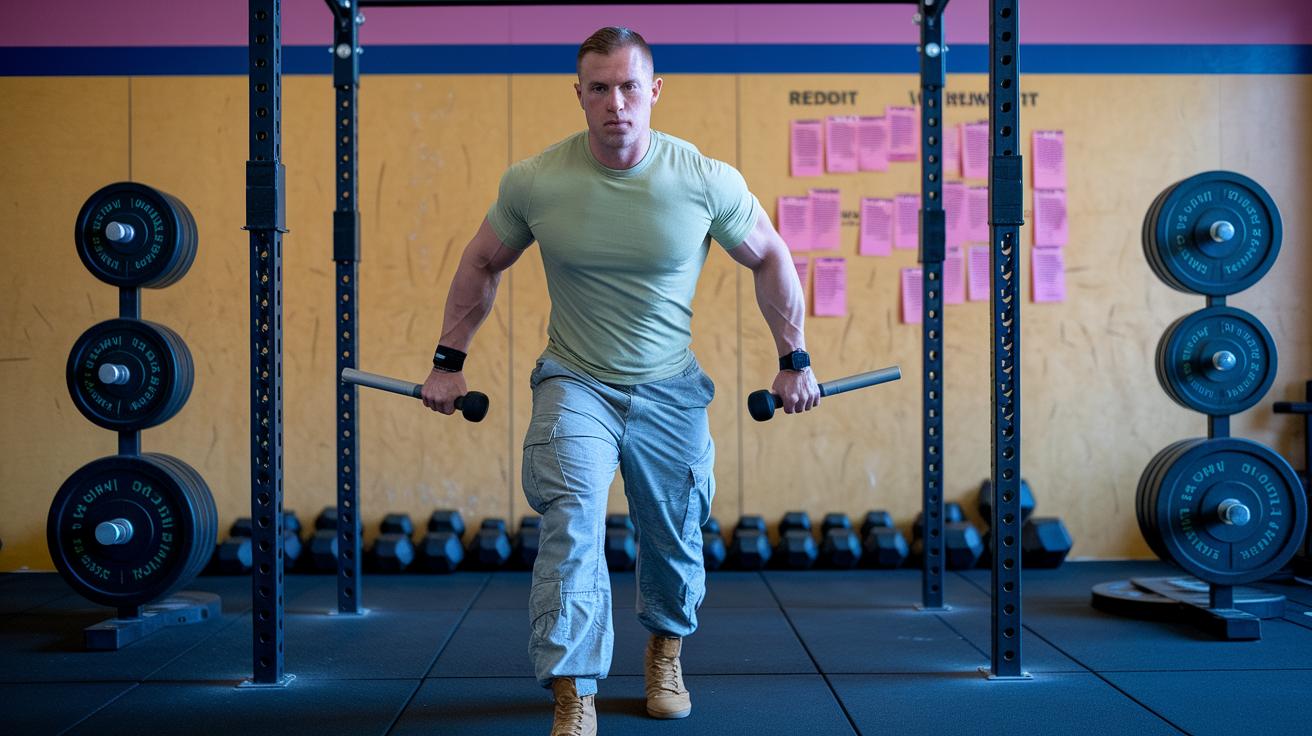
Back in 1986, our military took a big step toward readiness by launching AR 600-9. This rule relied on a height and weight chart along with a body-fat check (a simple way to measure fitness) to confirm that service members met the set standards. It set the groundwork for how we measure physical fitness.
On April 23, 2024, things got even clearer with the “No More Walking on Eggshells” memo. This memo tightened up grooming and discipline, showing that physical readiness was now linked more directly to how well you perform in the field.
Then, on October 7, 2025, the updated Basic Military Training kicked off. This version features high-intensity interval training and drills that mimic real-life missions, like simulated deployment scenarios. And just a few weeks later, on September 30, 2025, previews of even more new physical training updates were revealed. This steady timeline reflects our move toward modern and performance-based training.
| Date | Revision |
|---|---|
| 1986 | Launched AR 600-9 with height/weight standards and body-fat checks |
| April 23, 2024 | Released the “No More Walking on Eggshells” memo tightening grooming and discipline |
| October 7, 2025 | Introduced the updated Basic Military Training with HIIT and mission-simulating drills |
| September 30, 2025 | Previewed additional updates to physical training protocols |
Key Revisions to Strength, Endurance, and Agility Testing in Military Fitness Tests
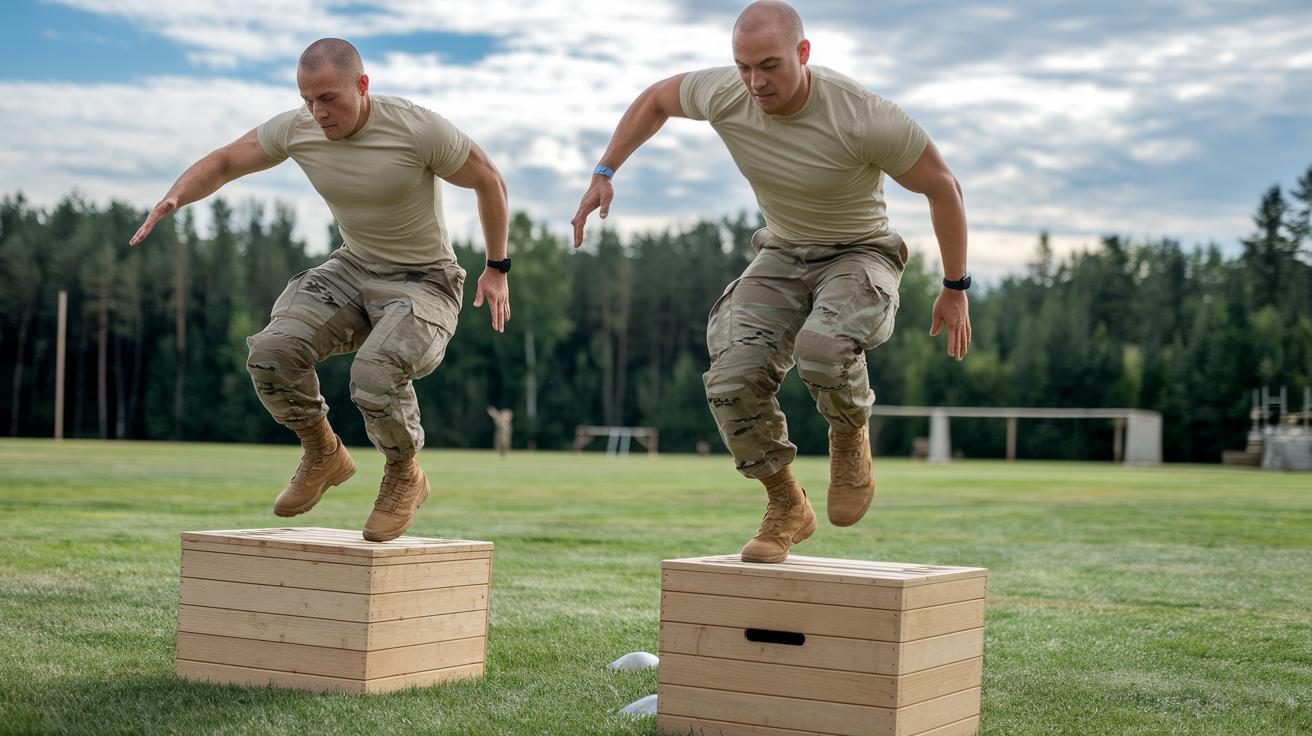
Today’s training drills use high-intensity bursts to check your combat readiness. These workouts mix quick, hard pushes with short rests, much like those sudden moments you face on the field when everything changes in a heartbeat.
The obstacle courses have also been completely reworked. Now, they include more life-like moves that mimic the uneven terrain you might actually encounter. Imagine stepping over rocky patches or dodging hazards like you’re reacting on the fly during a real operation.
For those in combat roles, the physical standards have been raised too. New pushup counts and shuttle-run sessions are designed to mirror the rapid, non-stop actions needed during deployment. When you dash during these tests, picture yourself sprinting to cover during an ambush, every second truly matters.
Key testing changes now include:
- Integration of box jumps into PT events
- Addition of shuttle-run intervals
- Revised pushup minimums for combat roles
- Cadence-based situp evaluations
- Updated obstacle-course tasks replacing some marching drills
Implications of Updated Military Fitness Test Revisions for Service Members
Recent updates to our military fitness tests are meant to boost our health and readiness. A CDC report shows that folks with more body fat are 33% more likely to suffer muscle and joint injuries, which can slow down training and deployments. A 2024 study also found that extra weight brings lower endurance, more injuries, and a smaller number of qualified recruits. With obesity-related health costs topping $1.25 billion each year, these changes are long overdue.
These fresh standards are part of a full revamp of how we check fitness. We aren’t just doing pushups and running anymore; we’ve added high-intensity interval training (short bursts of tough exercise) and real-world simulation drills. With tougher combat readiness checks, the new tests help soldiers recover faster, improve endurance, and be ready for anything the field throws at us.
Some critics worry that these new rules might unfairly target muscular soldiers or have gaps that could be exploited. Still, by shifting to performance-based measures, the military is aiming to boost discipline, lower injury risks, and up our overall combat strength. In truth, these updates help every service member handle tough physical challenges and keep our missions on track.
Frequently Asked Questions on Military Fitness Test Updates and Revisions
Here are the main updates explained in the article:
-
Training will change on October 7, 2025, and starting in fiscal year 2026, you'll take physical readiness tests every six months. Before major drills, many recruits even double-check their schedules to sync perfectly with their team, much like planning a flawless exercise.
-
New rules for push-ups and sit-ups now match what you need in the field. For combat roles, they use a timing method to count reps. Think of it like training for an obstacle course, every rep builds the strength you need on the ground.
-
The body-composition test no longer uses strict height and weight tables. Instead, it looks at performance by measuring body circumference to better match real-life needs.
-
For combat roles, fitness tests now use the highest male standards, while everyone else will stick with age- and gender-based norms.
For more details, check out the related sections above.
Final Words
In the action, we explored the major shifts in performance drills and assessment methods. The blog explained how new PT events, revised push-up and sit-up thresholds, and updated obstacle tasks impact training. We broke down timelines and changes to body-composition checks so you can keep pace with evolving standards.
These military fitness test updates and revisions aim to boost readiness and promote overall physical excellence. Stay focused and keep training, your dedication is the key to success.
FAQ
What details does the Army physical fitness test chart provide?
The Army physical fitness test chart provides clear benchmarks and scoring details for exercises, helping service members understand required repetitions and performance levels for overall readiness.
What does the Army Combat Fitness Test assess?
The Army Combat Fitness Test assesses strength, agility, and endurance with challenging exercises that mirror combat tasks, ensuring soldiers are physically prepared for mission-critical scenarios.
How do Army fitness test standards guide physical readiness?
The Army fitness test standards set clear benchmarks for drills like pushups, situps, and runs, helping service members gauge their physical condition against established performance levels.
What is evaluated in the Army Expert Physical Fitness Test?
The Army Expert Physical Fitness Test challenges service members with advanced exercises, evaluating peak physical performance and readiness beyond basic fitness requirements.
What information does the New Air Force PT test scoring chart offer?
The New Air Force PT test scoring chart outlines updated scoring criteria for various events, aligning assessment with modern fitness demands in strength, agility, and endurance.
How does the Marine Corps Combat Fitness Test measure readiness?
The Marine Corps Combat Fitness Test measures overall readiness by testing strength, speed, and agility through exercises that reflect real-world combat tasks and operational demands.
What is the purpose of the hand release push up?
The hand release push up ensures full range of motion by requiring service members to briefly release their grip at the bottom of the movement, confirming proper form and strength.
What do the new military fitness standards include?
The new military fitness standards introduce updated testing protocols, improved body-composition measures, and revised performance benchmarks to better reflect current operational needs.