
Ever feel like language exams are your toughest opponent? Preparing for a military language test is a bit like training with your team – each drill builds your confidence. In this guide, you'll get easy tips and simple strategies to boost your reading, writing, listening, and speaking skills. With step-by-step guidance and consistent practice, you can transform your study routine into a mission plan that works. So gear up, sharpen your skills, and get ready to face exam challenges head-on.
Essential Military Language Proficiency Exam Tips & Strategies

Language tests check how well you can read, write, listen, and speak. You get a clear picture if you use official study guides and sample tests. Starting with each section early on will help you dodge any surprises on exam day.
Getting ready for the exam works best when you mix solid strategies with regular practice. Think of it as running through a training drill: practice consistently, take mock exams, and focus on areas where you need a boost. This approach turns your study time into a routine drill with clear, simple goals.
- Set aside specific times to study each part so you build a steady routine.
- Rely on official resources and sample tests to understand the types of questions you might face.
- Use quick reading techniques like skimming and scanning to improve your reading speed.
- Gather your thoughts before answering writing or speaking tasks to stay clear and focused.
- Take short breaks often to avoid burnout and reduce stress as exam day nears.
- Join a study group to trade tips and keep your spirits high.
- Keep track of your progress with mock exams so you know where to concentrate your efforts.
Follow these straightforward steps to boost your exam readiness and sharpen your language skills. Stick with a strict schedule and use stress-relief tips like proper rest and hydration to keep yourself sharp. Think of your prep like an everyday exercise, each drill makes you stronger, and every practice run builds your confidence. A balanced mix of skill drills and steady support can really make a difference on the big day.
Military Language Proficiency Exam Format & Section Breakdown

When you're getting ready for the exam, knowing the format makes a big difference. The test looks at four main skills: listening, reading, speaking, and writing. Each part has its own kind of questions and a set time limit. You'll get official study guides, sample questions, and clear scoring rules so you know exactly what to expect. This way, you can target your study sessions on the skills that matter most and feel ready on test day.
| Section | Skills Tested | Questions | Time Limit |
|---|---|---|---|
| Listening | Understanding sounds, taking notes | Multiple choice, fill-in-the-blanks | 30 minutes |
| Reading | Skimming, scanning, thinking critically | Passage analysis, questions on comprehension | 45 minutes |
| Speaking | How you talk, organize ideas, and be clear | Short answers, discussions | 15 minutes |
| Writing | Grammar, structure, vocabulary | Essays, set tasks | 60 minutes |
Knowing what each part covers lets you focus on practicing the skills you need most. For example, if you find the reading part tough with its time limits, practicing skimming techniques can really help. And if the listening section gives you a hard time, doing focused drills to improve your note-taking can make all the difference. By breaking down the exam this way, you're set to build a steady study plan and tackle each section with clear confidence.
Structured Study Planning for Military Language Exams

Plan your study by breaking your time into short, focused bursts. Try using the Pomodoro method, you study hard for 25 minutes, then take a quick 5-minute break to regroup. For instance, spend one 25-minute block on reading practice, then quickly review the key points. This mirrors the short, intense bursts we rely on during missions.
Right after each study block, take a few minutes for a micro-review. It’s like doing a mini debrief after a drill. After a grammar session, for example, jot down three main points you learned. This quick review helps lock in your memory and means you don’t have to cram later.
Set up weekly goals and track your progress with a simple checklist. For example, create a table like this:
| Subject | Goal | Status |
|---|---|---|
| Vocabulary | Learn 50 new words | In progress |
| Grammar | Review three key rules | Completed |
Check your progress at the end of each week. This way, you can focus on the areas that need work while keeping your training mission on target.
Targeted Skill Development for Military Language Proficiency

Building specific skills is key to boosting your performance in language exams. When you focus on listening, reading, speaking, and writing, you give each skill the attention it deserves. Think of every practice session like a drill that sharpens your ability to communicate clearly and confidently.
Listening Drills
Work on your listening skills with focused exercises that help you catch details quickly. Try listening to a short clip and jotting down the key phrases, kind of like quickly noting important points during a briefing. For instance, listen to an audio snippet and write down its three main ideas. This way, you train yourself to notice subtle details and improve your note-taking.
Reading Modules
Boost your reading skills by using modules that stress quick scanning and deep understanding. Read passages fast, looking for the main ideas as you would scan a mission report for key information. Ask yourself, “What’s the core message here?” This simple question helps you grasp the text and spot the essential facts even when time is short.
Speaking Practice
Improve your speaking by taking a moment to gather your thoughts before you respond. Practice short drills where you pause to plan your answer, much like strategizing your next move. For example, record yourself explaining a topic and then listen back to see if your speech sounds clear and smooth. These exercises help refine your pronunciation and build confidence in speaking.
Writing Exercises
Enhance your writing skills with exercises that focus on grammar, vocabulary, and structure. Start with a brief outline, think of it as mapping out a tactical plan, before drafting your text. For instance, create a simple template that includes an introduction, a few main points, and a closing sentence. This practice keeps your writing organized and ensures your message comes across clearly.
Time Management & Anxiety Reduction in Military Language Tests

Using a timer during drills is like having a trusty watch by your side. It helps you stay sharp and on track without needing constant reminders. For example, try setting a timer during your speaking drills so you stay right on pace, just like coordinating a mission.
Mix in some deep breathing and visualization with your study routine. Take a moment during or between drills to breathe slowly, like drawing in refreshing air before a run. Imagine yourself answering confidently, much like visualizing a solid mission plan that gets you ready to perform.
Pair these mental techniques with your usual study routine. Use short, timed breathing breaks and picture yourself nailing those answers to boost your confidence under pressure. This extra step works alongside your regular planning, giving you that extra edge without rehashing the same old study and nutrition tips.
Mock Test Practice & Feedback in Military Language Exam Prep
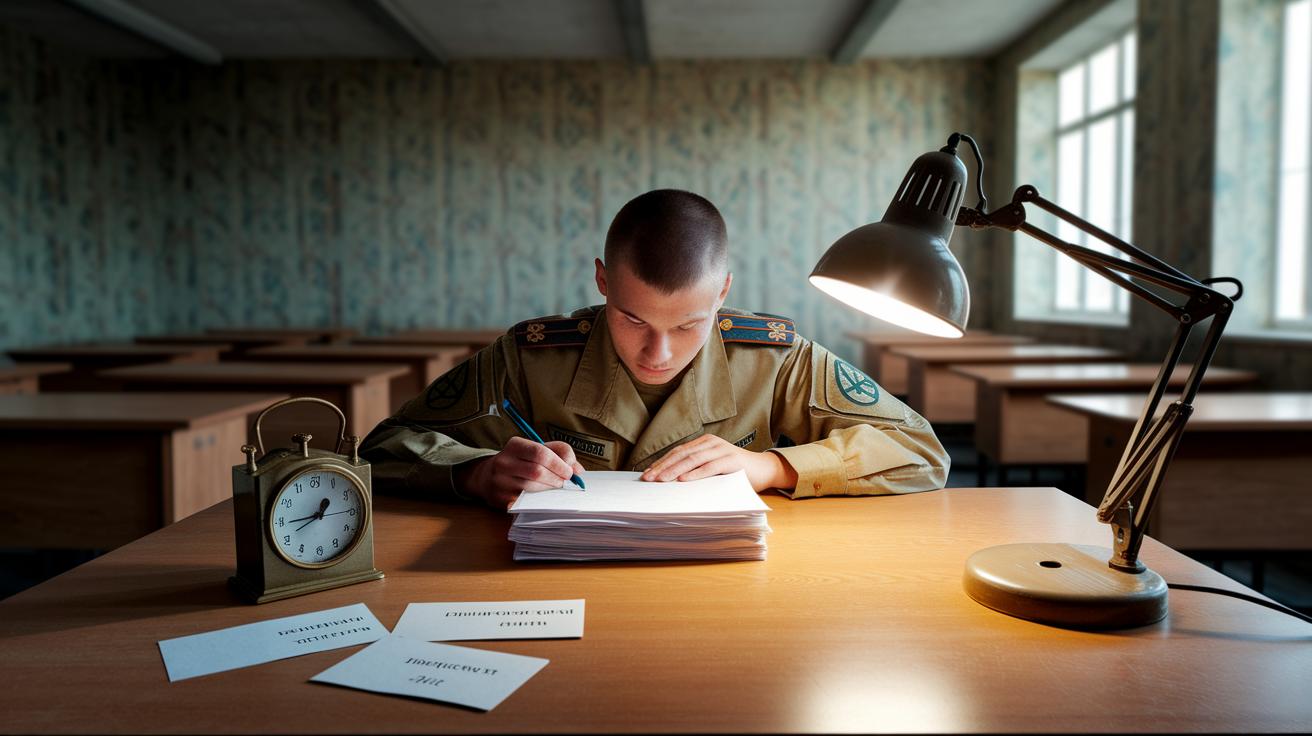
Taking regular practice tests is one of the best ways to get comfortable with exam timing and the question styles you’ll face. It’s much like running a rehearsal for an important mission, it boosts your confidence and shows you exactly where you need to improve.
Using feedback from each test helps you spot the weak points in your game. Quick self-check quizzes during these sessions let you see how you’re doing and keep your focus sharp.
- Write down your score after each practice test so you can see your improvement.
- Time yourself to build confidence with the exam limits.
- Look closely at the answers you got wrong to find out what needs more work.
- Repeat your practice tests until your performance hits the targets.
- Tweak your study plan based on what each test tells you.
Regular practice paired with honest feedback is a strong strategy to boost your readiness. By running through these tests often and watching your progress, you build a clear picture of your skills. This helps you adjust your study schedule and sharpen your exam techniques, ensuring every session makes you more prepared for test day.
Advanced Military Language Proficiency Tactics & Error Analysis

The key to a strong answer is knowing exactly what the question is asking. Take a moment to break down the prompt, pick out the main tasks, and plan your response before you start writing or speaking. Think of it like planning a mission: first, set your objective; then, choose the best path by crossing off options that don’t fit. This step-by-step approach helps cut down on mistakes and keeps your answer sharp.
Another smart move is looking at your error patterns. Spend some time going over your practice tests and exercises to see where you keep tripping up. Jot down these mistakes with a simple note so you know what to focus on next time. Say you keep losing points on a certain type of question, mark it, review it, and tackle it separately. Over time, this careful review clears up the usual errors and boosts your confidence.
Finally, mix in problem-solving drills with reasoning exercises to get ready for tougher tests. Regularly push yourself with challenging practice problems that need you to break questions into clear parts. Picture yourself on a mission where every detail matters. By going over each problem and trying different tactics, you develop a solid method that sharpens your overall performance.
Final Words
In the action, we reviewed clear steps for exam preparation, from learning exam formats to building effective study plans and skill routines. We touched on key areas like focused language drills, time management, and stress control.
Military language proficiency exam tips and strategies offer practical ways to boost readiness. Stay motivated, practice consistently, and keep sharpening your skills for a confident path ahead.
FAQ
Where can I find free military language proficiency exam tips and strategies in PDF or on Reddit?
Finding free military language exam tips can be done by checking official websites for downloadable PDFs and browsing Reddit threads, where service members share advice on test structure, study plans, and practical strategies.
What is the Defense Language Proficiency Test?
The Defense Language Proficiency Test measures your skills in listening, reading, speaking, and writing. It is used by the military to assess language ability and readiness for assignments requiring language competence.
How can I practice for the Defense Language Proficiency Test online, including free DLPT practice tests?
Online practice for the DLPT is available through websites that offer sample questions, mock tests, and study guides to simulate real test conditions, helping you improve your timed responses and boost your language skills.
How do I prepare for a language proficiency test, and what will be asked?
Preparing for a language proficiency test means organizing your study schedule around all test sections. You will likely face tasks involving reading passages, listening exercises, and writing and speaking prompts that assess your overall language command.
How can I pass a language proficiency test and study effectively?
Passing a proficiency test involves focused study sessions with official materials, regular practice tests, and targeted drills on weak areas. This method builds skills, increases confidence, and reduces stress during the exam.