
Ever think your daily routine might be your secret weapon for nailing military exams? Imagine your study time as essential drills that build your skills and boost your confidence, just like preparing for an important mission. Each focused session, planned with care, sharpens your abilities and gets you one step closer to your goal. In this guide, we lay out a simple, step-by-step plan that turns everyday study into a winning strategy.
daily study planner for military exam success: Empower
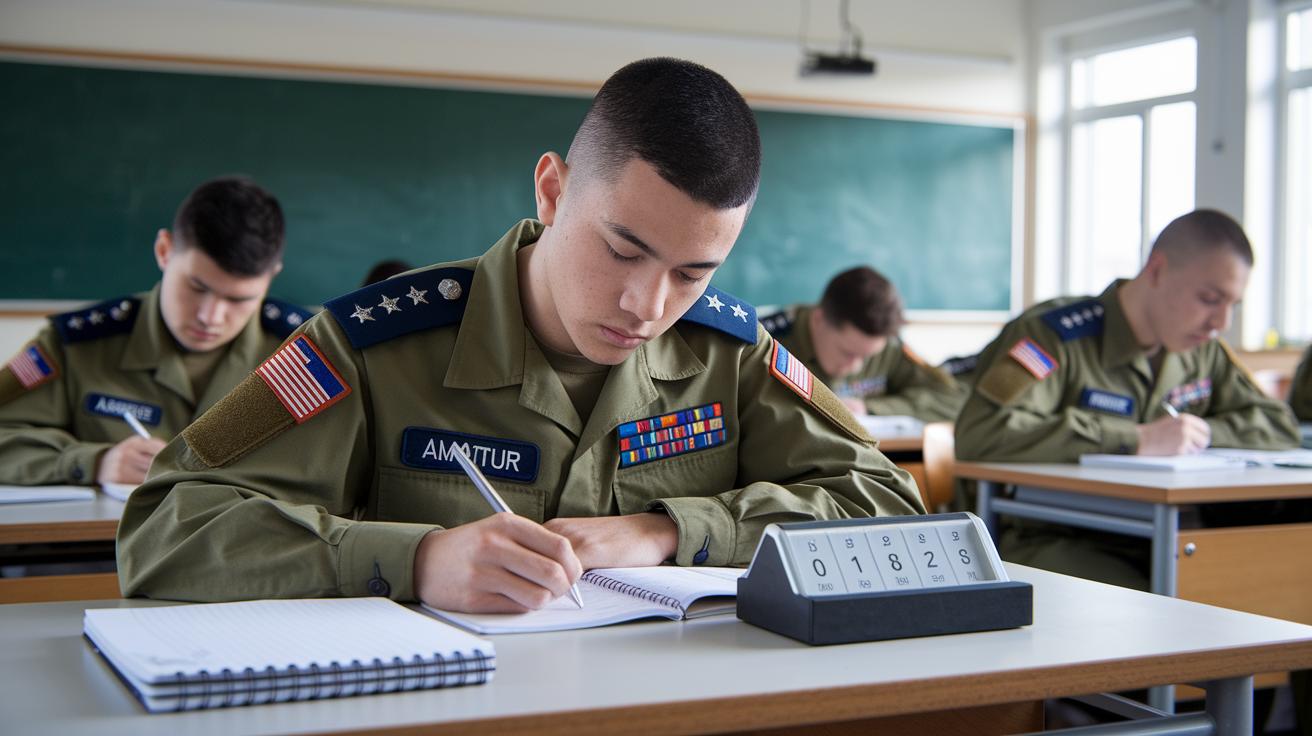
Getting ready for your military exam means setting up a clear, daily study routine. Start your preparation 4 to 6 months ahead so you have plenty of time to review and practice. This early start builds both your confidence and stamina, much like gearing up before a big mission.
Break your study time into small, focused blocks. Think of your plan as a mission where each study session is a drill that hones your skills and builds muscle memory for test day. It’s like training with your teammates, each step getting you closer to victory.
- Start Early: Begin your study mission 4 to 6 months before the exam. For example, if your exam is in December, start in June to get ahead.
- Daily Sessions: Plan for 60 to 90 minutes of study, five days a week. Imagine it as a focused drill that sharpens your strategy.
- Breaks: Take 5 to 10 minute breaks after every 45 to 60 minutes of study. These pauses help you stay alert and reduce fatigue.
- Set Goals: Create clear, achievable goals, like increasing your math score by 10 points in two weeks, to track your progress.
- Diagnostic Tests: Run practice tests to find out where you need extra help, maybe in tricky areas like logic puzzles.
- Customize: Adjust your routine to match your strengths and challenges. Use step-by-step military test preparation guides to fine-tune your schedule.
Mix all these elements together like the parts of a well-oiled machine. When you start early, manage your time wisely, and tweak your plan with regular check-ups, you build a roadmap straight to military exam success.
Mastering Time Management for Military Exam Success

Time-block scheduling is your secret weapon for exam prep. Think of your study time as if you're running mission drills. Instead of long, tiring cramming marathons, break your day into shorter, focused segments, maybe an hour in the morning and another in the evening. This approach actually mimics test conditions, helping you get used to working under timed pressure. Give it a try with a practice quiz that has a built-in timer; it's like a dry run for the big day.
Next, set aside some time each week to check on your progress. A weekly review lets you see what’s clicking and what needs more work. It’s like debriefing after a mission, where you pinpoint improvements and adjust your strategy on the fly. If you find a particular topic tough, shift your focus a bit to get it right.
And remember, consistency is key. Short, regular sessions help build your mental endurance without draining your energy. The idea is to ease your anxiety while reinforcing your study habits, so you always feel confident and clear-headed when exam day rolls around.
Exam-Specific Study Strategies for Military Exams

When you're getting ready for military exams, mix up your study methods. Rely on books, online tools, timed quizzes, and even live tutoring to build up your strengths and work on your weak points. This way, you’re prepared to handle ASVAB subtests like Arithmetic Reasoning (solving number problems), Word Knowledge (understanding words), Reading Comprehension (grasping what you see), and Mechanical Comprehension (learning how machines work).
Arithmetic Reasoning Strategies
Break tough math problems down into easy steps. Do timed drills to boost both your speed and accuracy. Think of each drill like a quick mission, every problem you solve sharpens your ability to work fast under pressure. This method keeps you focused on one step at a time, without wasting energy overthinking.
Word Knowledge & Reading Comprehension
Grow your vocabulary by reading a mix of materials and checking out word lists. Try active reading methods like underlining key details as you go. Picture yourself spotting clues in a text just like recognizing targets during field training. This clear approach helps you focus on finding answers instead of getting lost in tricky words.
Mechanical Comprehension Techniques
Review the basics, like how levers, pulleys, gears, and inclined planes work. Work through practice questions to reinforce these ideas, treating each problem as a mini field exercise where basic understanding is key. With enough practice, these concepts become as second nature as following standard procedures on the job.
After your practice tests, take a good look at any mistakes. Answer every question on test day with confidence, knowing there’s no penalty for guessing. This habit of reviewing errors and taking bold chances builds the confidence you need to excel when it counts.
Structuring Revision Sessions and Weekly Check-Ins for Military Exams

Each week, set aside extra time to tackle the subjects that challenge you the most. Pick a regular day, much like you do for your daily training, and use that time to try out fresh learning techniques. For example, change your usual group talk into a focused Q&A session by saying, "Let's break down the toughest parts from last week," so everyone gets involved and learns together.
Also, make time once a week, maybe during your morning coffee, to review your quiz scores and spot any weak areas. Treat it like a short debriefing where you adjust your study plan with quick quizzes or small group chats that spark new ideas. After checking your progress, ask yourself, "What did I miss on the flashcards?" to help guide your plan for the coming week.
Maintaining Motivation and Tracking Progress in Your Military Study Planner

Imagine your success like a clear picture in your mind. Picture landing a steady job, proudly serving your community, or building a secure future. These mental snapshots remind you why you began this study mission. Think of it this way: every extra minute of focus builds a step toward a safe, rewarding career. These visual triggers help you keep going, even when study sessions get tough.
Keep track of your progress using simple tools like progress logs and milestone checklists. These tools let you see how far you've come, like when your test scores slowly creep up or when you finally master a tough topic. Writing down small wins and hurdles means you can tweak your study plan to make exam prep feel more clear and doable.
Rewarding yourself for hitting weekly goals gives you an extra push. A short break, your favorite snack, or some time doing what you love can be a great way to celebrate success. Taking a quick look at your progress each day keeps your focus sharp and personal, so you build steady, lasting study habits.
Sample Daily Study Schedule Template for Military Exam Success

Plan your study day the same way you plan a mission. Picture your time divided into blocks that let you zero in on one subject at a time. Keep your drills short and focused, and be sure to add in breaks to recharge. You can tweak these blocks based on what you do best and which topics give you a tough time.
| Time Slot | Activity | Duration | Purpose |
|---|---|---|---|
| 8:00–9:00 AM | Arithmetic Reasoning | 60 mins | Sharpen problem-solving skills |
| 9:00–9:10 AM; 10:40–10:50 AM | Breaks | 2 x 10 mins | Refresh focus and energy |
| 9:10–9:40 AM | Word Knowledge | 30 mins | Boost vocabulary and context clues |
| 9:40–10:40 AM | Reading Comprehension | 60 mins | Practice active reading |
| 10:50–11:20 AM | Mechanical Comprehension | 30 mins | Review key physical principles |
You can adjust this plan as needed. For example, if you breeze through word problems, shorten your Arithmetic block and add more time to Mechanical Comprehension drills. Or, if you get tired quickly, squeeze in another brief break or switch up the session lengths so your mind stays sharp. Think of this planner as your personal tool to match your pace and to fine-tune your skills, just like setting your gear before a mission.
Tools and Tips for Customizing Your Military Study Planner

When planning your study routine, choose tools that match your learning style. Try out specialized ASVAB practice tests, guidebooks, or online courses. You can also use digital calendar apps or printed planners to visually organize your study sessions. These tools give you a clear view of your schedule, making it simple to build a plan that fits your needs so you can concentrate on what really matters.
Set up study timers and reminder alerts to keep you on track during long sessions. Adding a few mock exams lets you experience real test conditions and helps you manage your time wisely. Each timer buzz or alert nudges you toward better focus, just like following a well-planned mission. Fine-tuning these details means you can quickly adjust to any changes in your study plan and sharpen your skills effectively.
Final Words
In the action, the guide broke down a daily study planner for military exam success, covering everything from setting a clear start date to designing short, focused sessions. It offered ideas on time-block scheduling, targeted revision sessions, and building solid exam-specific strategies.
We also looked at tips for sustainable motivation and tracking progress using personalized tools. Keep pushing forward with your daily study planner for military exam success, and remember, each bit of training takes you one step closer to your goal.
FAQ
What free or downloadable daily study planner options are available for military exam success?
The daily study planner for military exam success comes in a free PDF format with clearly structured time blocks, session lengths, and break intervals designed to help you stay organized and focused.
What ASVAB study guide options can I use, including those like ASVAB For Dummies?
The ASVAB study guide options include official guides available in PDF format and accessible formats like ASVAB For Dummies, which break down topics into straightforward language and practical tips.
What benefits does taking an ASVAB practice test offer?
The ASVAB practice tests help you simulate real test conditions, assess your progress, and identify topics that need improvement while building confidence and pacing skills for exam day.
How long should I study for the ASVAB, and is a week enough time?
The ASVAB exam typically requires several weeks to months of focused study. While a week might serve as a brief review, longer and regular sessions offer better preparation and improved test performance.
How do I create a study planner for exams?
Creating a study planner involves setting specific daily time blocks, scheduling short breaks, and defining clear, measurable goals. This method helps maintain consistent progress and effective exam preparation.
What is the aptitude test for the military?
The military aptitude test, such as the ASVAB, assesses skills in areas like math, reading, and mechanical reasoning to determine which military career fields best match your abilities.