
Have you ever thought about what it takes to be top-notch at boot camp fitness? Imagine challenging yourself with workouts that test your strength, endurance, and explosive power in drills that may seem simple but push you to the limit. In this post, we're breaking down the basic physical standards every recruit needs, from push-ups to running and power throws (exercises that help you build strength quickly). We also share practical tips on daily routines and checkpoints that can make a big difference in your progress. Ready to get mission-ready and boost your power? Let's dive into what boot camp fitness really means.
Essential Physical Fitness Standards for Boot Camp
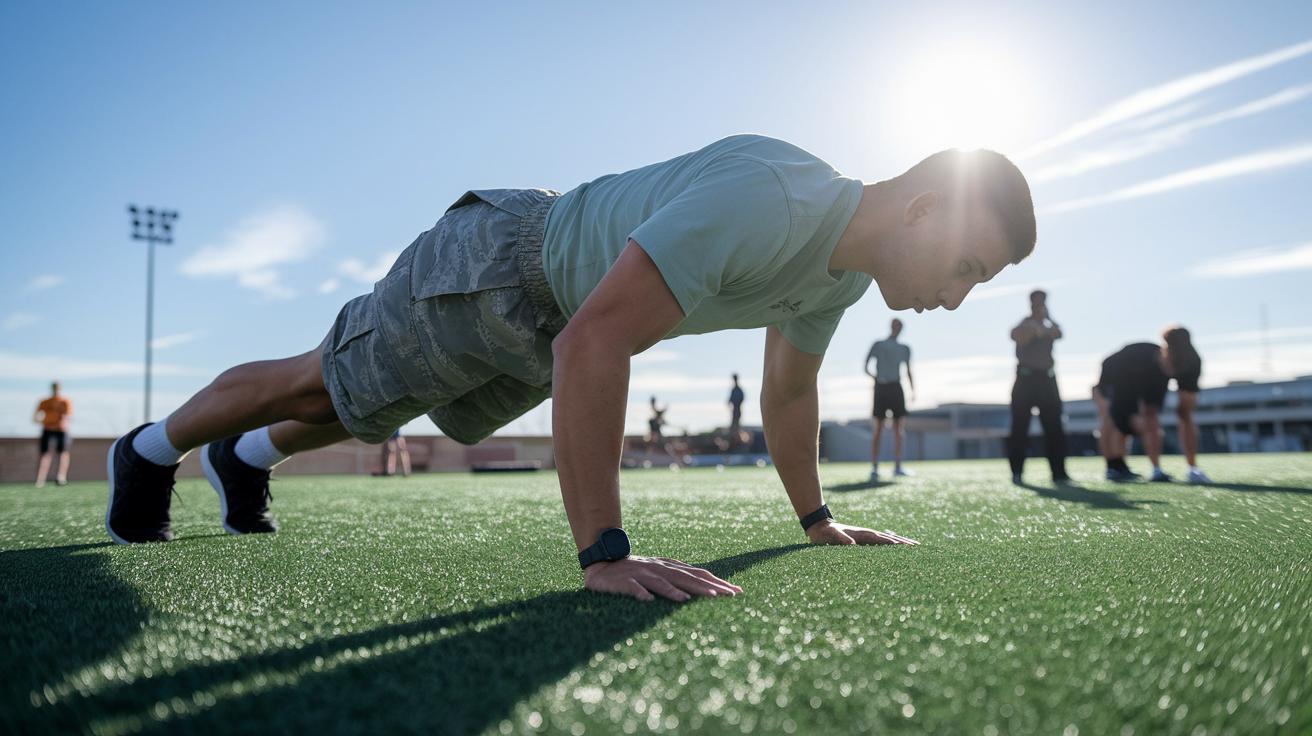
Boot camp fitness is all about making sure you're physically ready for anything. The tests are designed to check out your strength, endurance, and explosive power with simple, straightforward drills. You’ll do push-ups to see how much muscle strength you've got, a 1.5-mile run to test your heart and lungs, and the Standing Power Throw to measure your explosive ability (quick bursts of power). All these drills are mixed with solid strength sessions and endurance challenges to bring out your best performance.
Each military branch has its own set of numbers. For example, Marine Corps recruits might do pull-ups or push-ups to show off upper-body strength, while the Navy and Coast Guard focus on finishing that timed 1.5-mile run. Training times change too: Army and Navy boot camps run for 10 weeks at Fort Benning and Great Lakes respectively, Air Force and Space Force training lasts around 7.5 weeks in San Antonio, and Marine Corps training is held at Parris Island with Coast Guard training stretching to 8 weeks.
Recruits get in daily workouts that combine field drills, classroom tips, and tough circuit training. They’re always being tested, not just once, but with regular physical readiness evaluations and drill repetitions. This steady tracking makes sure every soldier hits the mark for strength and endurance that’s needed on the field. If you’re curious about the latest changes, check out the "Latest revisions in military physical tests" section (https://militaryaptitudetests.com?p=612) to see how these standards have been updated over time. This approach helps ensure that every recruit is ready to tackle boot camp challenges and any mission beyond.
Boot Camp Fitness Routines: Daily Exercise Discipline
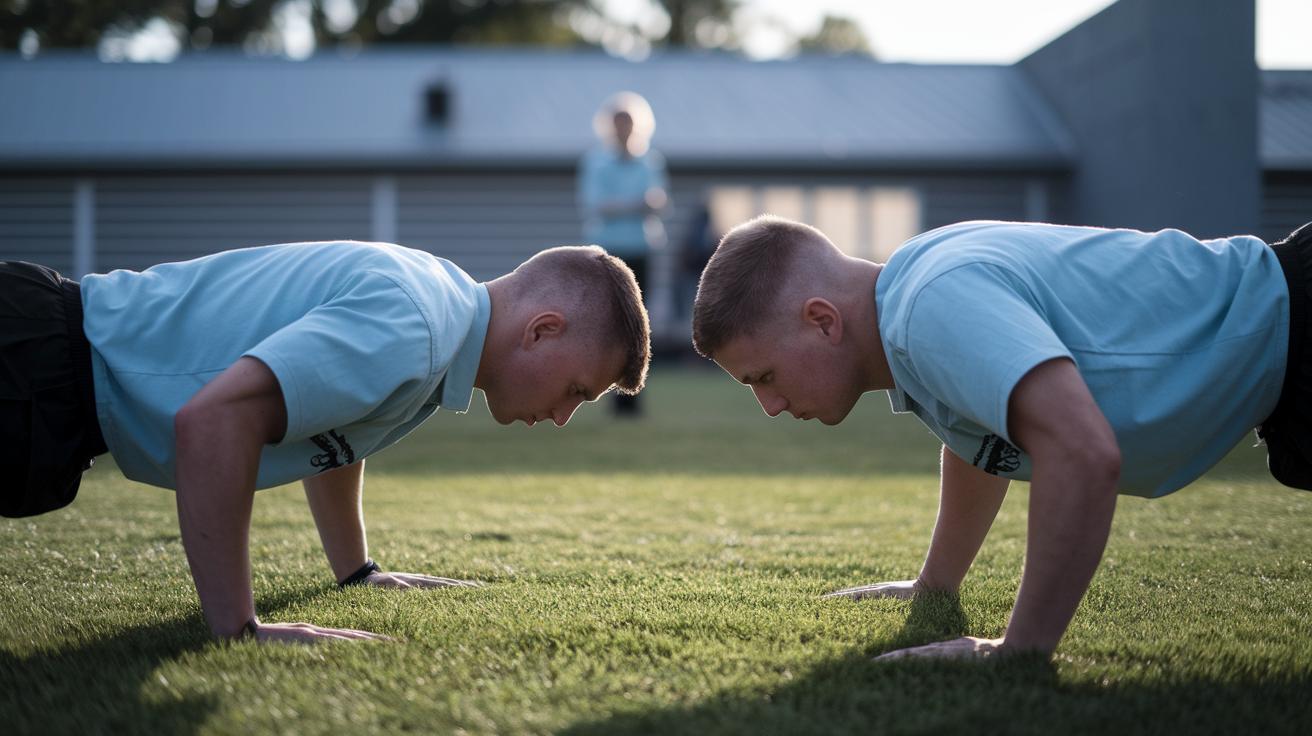
Every day at boot camp follows a set schedule that turns workouts into a habit. Recruits practice twice a day, doing easy-to-understand exercises like push-ups and sit-ups to build strength and endurance.
In the morning, you start with bodyweight drills that steadily push your limits. These routines help you get used to longer sets of exercises in a smooth, ongoing pace.
Later in the day, the focus shifts to tough circuit drills and interval running. Picture it like timed challenges: you push hard for a short burst and then jog lightly to keep your heart working. A well-known former Navy SEAL, skilled in strength and conditioning, even added parts of these sessions to include a slow increase in exercises or weight, so you get stronger over time.
Each workout lasts about 45 to 60 minutes and is designed to make you work a little bit harder every time. They even include core drills to give you a strong center, which helps when tougher tasks come along. This steady routine of exercises builds a strong habit, keeping you sharp, strong, and ready for any challenge.
military boot camp fitness expectations: Build Your Strength

Obstacle courses are a big part of boot camp training. You’ll tackle challenges like rope climbs, wall breachers, cargo nets, low-crawls, tire flips, and balance beams. Each station gets you moving and tests your strength, grip, and coordination, even when you’re worn out.
Picture yourself on a rope climb. You pull with all your might, feeling each muscle work as you make it higher. Wall breachers push you to combine power with smart technique to smash through barriers. Cargo nets and low-crawls sharpen your agility by forcing you to balance and move smoothly, no matter how tired you feel. Tire flips give you a burst of strength, testing both your power and proper body movement, while balance beams make you focus on steady, controlled steps.
Every obstacle hones a specific skill. They not only help build strength and endurance but also boost your overall agility and speed. In the end, these drills make sure that by the time you finish boot camp, your body is ready for any challenge on the field.
Building Endurance: Cardio Performance Targets for Boot Camp

Recruits have to finish a 1.5-mile run in under 12 minutes, so your training plan needs to be spot on. You’ll mix in interval sprints, steady tempo runs, and long slow distance workouts. With interval training, you run 400 meters fast, then get a bit of recovery time. It’s like doing short bursts of speed and taking quick breaks, each burst builds your stamina a bit more.
You’ll also work on aerobic exercises that boost your heart and lung power (this means strengthening your ability to keep a steady pace without getting winded). This kind of workout prepares you for those long road marches, which can be 6 to 12 miles with a pack. These marches not only toughen your body but also get you ready for what you might face on duty.
Weekly timed runs let you see how you’re doing. You can track your lap times and try to shave off a few seconds with each run. Some soldiers even work on refining their sprint technique so they can hit that sub-10-minute mark. This balanced approach makes sure you’re ready for runs longer than your usual distance.
By mixing these methods regularly, you build endurance steadily. This plan helps you hit everyday fitness goals while getting you prepared for all the challenges of boot camp.
Nutrition, Hydration, and Recovery for Boot Camp Fitness
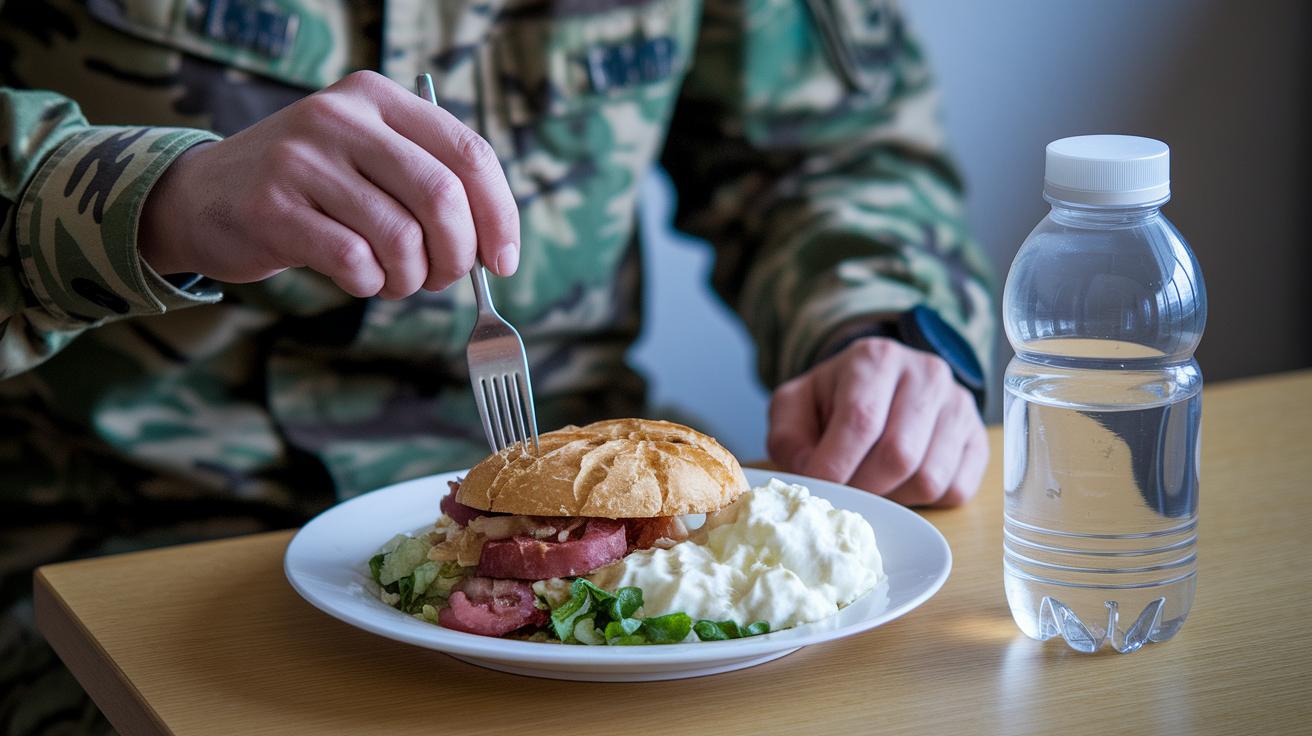
At boot camp, you need about 3,200 to 4,000 calories every day. Your meals should get 55% of their energy from carbs (think bread and pasta), 25% from protein (like lean meats), and 20% from fats (a bit of oil or butter). Picture it as fueling a high-performance engine before a long day of drills.
Staying hydrated is crucial. When you’re pushing hard in workouts, aim for about 500 ml of water every hour. Adding electrolytes (minerals that help your muscles work) to your drink can keep you energized and help prevent cramps during back-to-back sessions. Imagine taking a refreshing sip during a break – it’s like recharging your batteries.
For recovery, try simple techniques: use foam rolling to ease muscle tension, practice static stretching to keep your muscles flexible, and do dynamic warm-ups to prep your body for tough activities. These cool-down methods help your muscles rebuild and recover. Also, don’t forget sleep, 7 to 8 hours a night helps your body repair itself for the next day’s challenges.
Staying injury-free starts with the basics. Proper mobility exercises and supportive shoes reduce stress on your joints and muscles.
• Foam rolling and stretching help your muscles relax.
• Dynamic warm-ups get you ready for the day’s training.
• Good sleep and the right footwear protect you from injuries.
Tracking Progress and Meeting Boot Camp Fitness Milestones
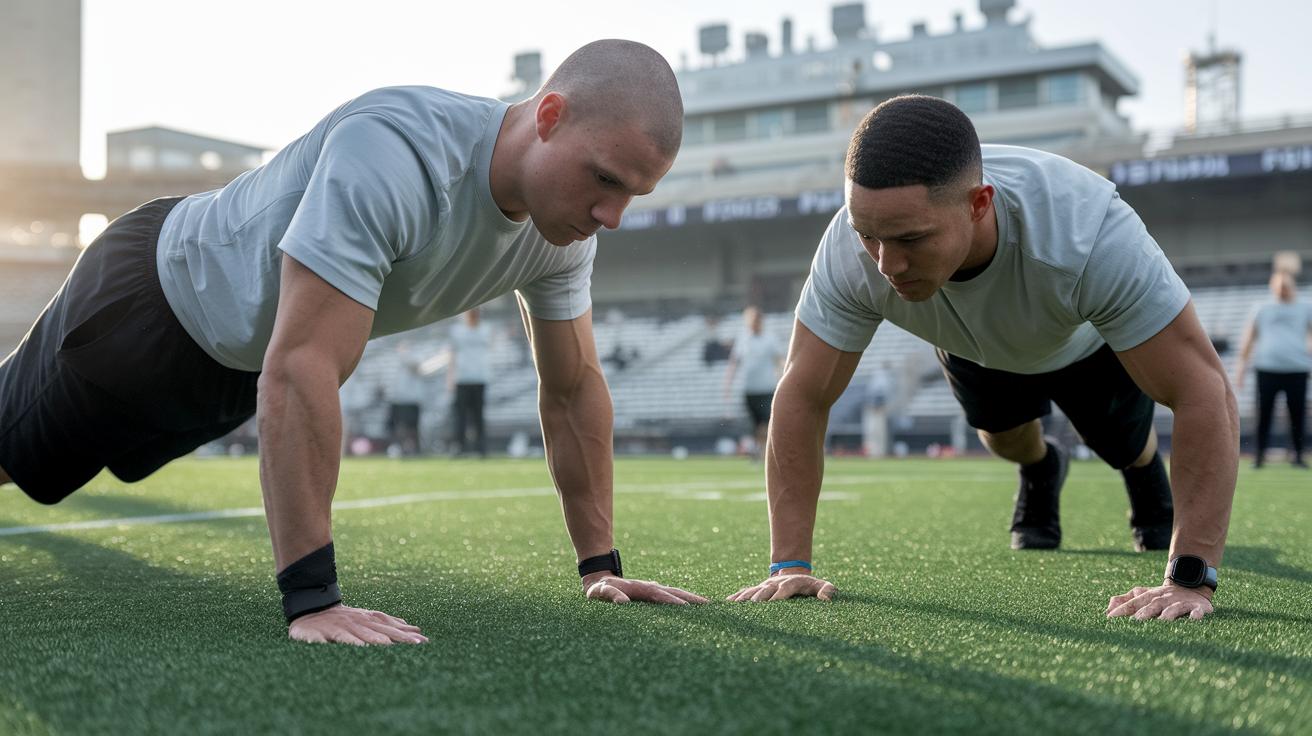
Recruits kick off training with a basic physical fitness test (PFT, which means checking push-ups, sit-ups, and running) to see where they stand. This first test not only lays the groundwork for future improvements but also spots areas that might need extra work. Every week, group Physical Readiness Tests give a clear picture of progress, so you always know if you're gaining strength or if you need to boost your endurance.
At the end of each week, drill instructors run timed trials. They record every detail and compare them with your starting numbers. These sessions help show your progress and point out where you might need to adjust. Say your push-up numbers only climb a little; you might see an increase in training or get a bit more rest so your muscles aren’t overworked.
This steady cycle of testing and feedback lights your way forward. It ensures every soldier fine-tunes their training to hit official goals. Adjustments in workout load and rest are based on solid performance numbers, keeping you right on track. For more details on the criteria, check out Military testing requirements explained (https://militaryaptitudetests.com?p=728).
Mental Resilience and Teamwork in Boot Camp Fitness
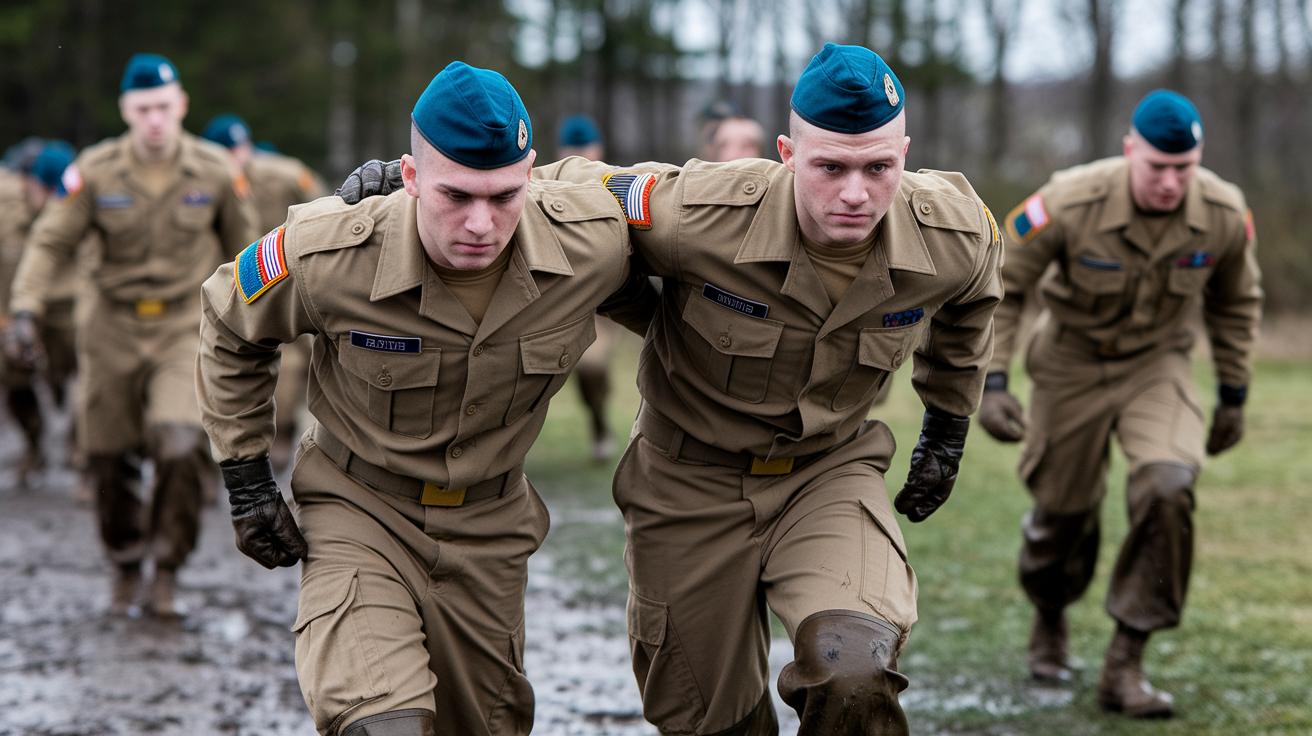
Boot camp is more than just building muscle. It also helps you grow a tough mindset. Exercises like timed circuits under pressure train you to stay calm when things heat up. Picture yourself running a set course while everyone is pushing hard, it teaches you to keep your cool even when stresses run high.
Next, you get into leadership and teamwork drills. Group log carries and buddy carries are all about sharing the load and working as a team. These exercises test your strength and build trust among comrades. Imagine having to support a buddy during a high-pressure drill. It pushes you to make fast decisions and rely on each other.
Early-morning workouts and team challenges add an extra layer to your training. They boost both your mental strength and your bond with your unit. Together, they remind you that real strength comes from both the mind and body.
Final Words
In the action, we covered key physical requirements, daily discipline, obstacle course skills, and cardio performance. We highlighted practical nutrition, hydration, and recovery routines along with methods to track progress. Mental resilience and teamwork strategies were also explored to boost your readiness. This recap ties everything back to the core military boot camp fitness expectations, setting the stage for success. Keep pushing hard, stay focused, and remember that every step brings you closer to achieving your goals.