
Ever feel like a one-size-fits-all study plan just doesn’t cut it on military tests? You’re not alone, those off-the-shelf plans often miss the mark. When you treat each test section like its own mission, you create drills that are clear and focused. A personalized study plan breaks big topics into bite-sized pieces, giving you a real shot at success. In this post, we’ll walk you through how to build a plan for each section so you can hit your goals head-on.
Building Customized Study Blueprints for Military Test Sections
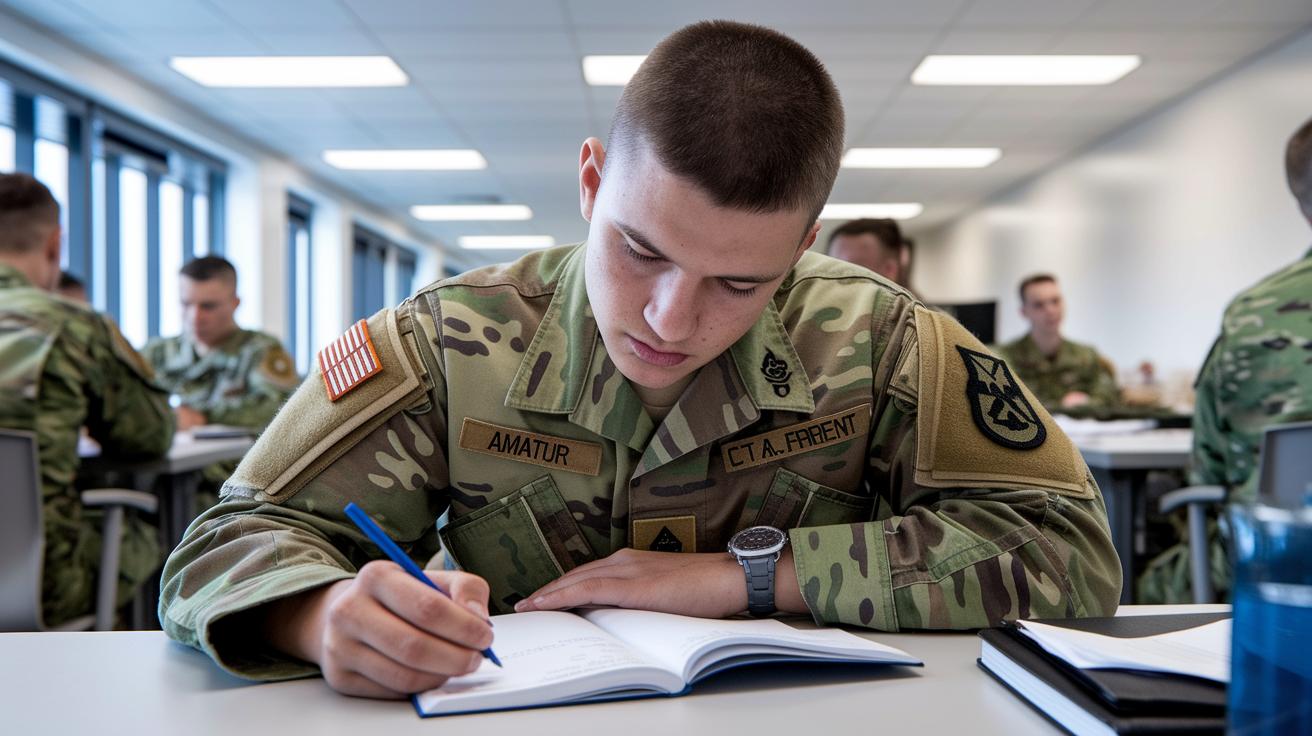
When you're gearing up for military tests, it all starts with breaking down each subject into clear, achievable goals. The ASVAB covers nine areas, General Science, Arithmetic Reasoning, Word Knowledge, Paragraph Comprehension, Mathematics Knowledge, Electronics Information, Auto & Shop Information, and Mechanical Comprehension & Assembling Objects. But here’s a friendly tip: focus on the AFQT parts (Arithmetic Reasoning, Word Knowledge, Paragraph Comprehension, and Mathematics Knowledge) because these scores are key to your eligibility and can unlock specific roles.
Begin by carving out your study hours for each week. If you need extra time on a tricky subject, add more hours there while still giving a fair amount to the others. For instance, you might set aside four hours for Arithmetic Reasoning drills and three hours each for Word Knowledge and Mathematics Knowledge. This balanced approach keeps your progress clear and steady.
To really sharpen your skills, try mixing in practice tests and focused review sessions. These personalized strategies work as a tune-up for your brain. For more detailed advice, check out the military test study plan development guide (https://militaryaptitudetests.com?p=818). By matching each test section with specific study targets, you’re paving your way to mission success.
Adapting Customized Study Plans for Written Military Aptitude Tests
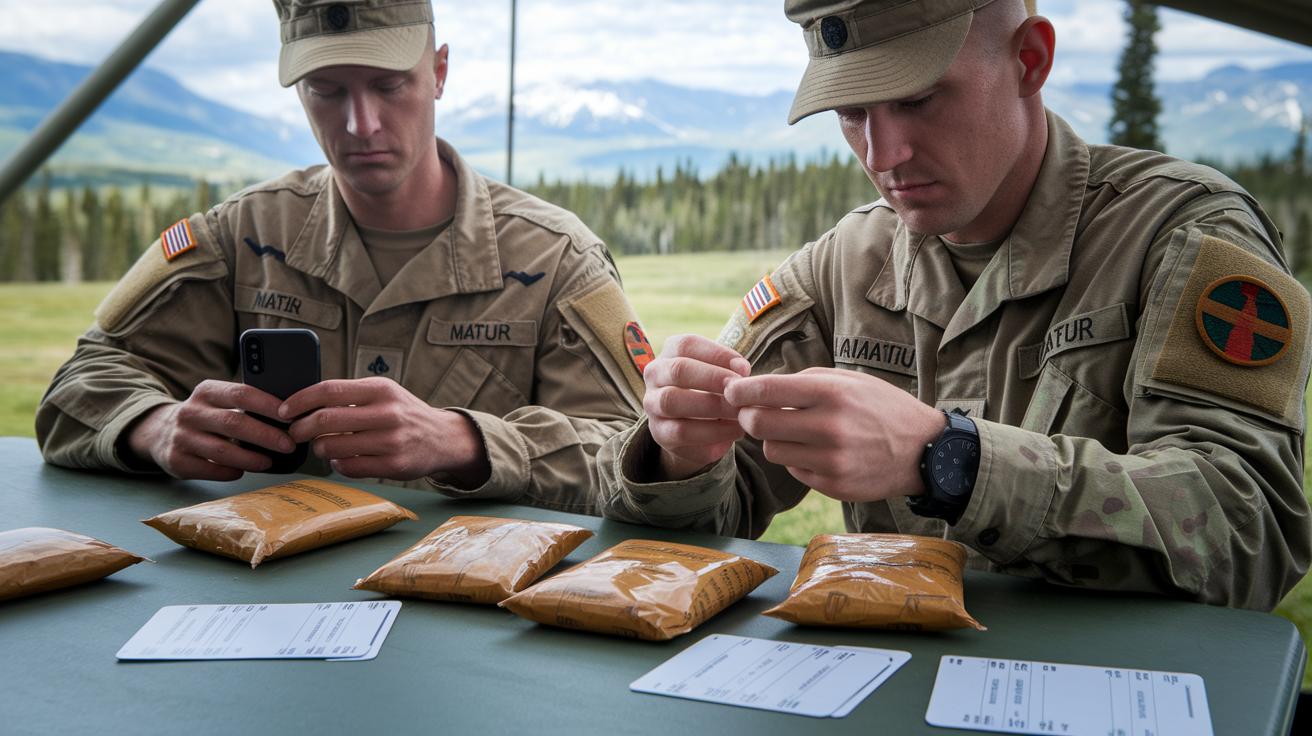
When you're getting ready for Arithmetic Reasoning, think of it like breaking a mission into clear, step-by-step orders. Every week, spend 3 to 4 hours working on problems that feel like real-world challenges. For instance, imagine a platoon of 20 soldiers sharing 100 ration packs equally, how many does each get? Doing these drills will boost your speed and make you more accurate under pressure.
Word Knowledge is all about building your vocabulary muscle. Try out flashcards and quick drills for about 2 to 3 hours a week. Picture this: a flashcard asks you to explain what "resilient" means for a service member pushing through tough training. Regular practice here helps you pick the right word fast when you need it.
For Paragraph Comprehension, set aside 2 to 3 hours weekly for reading drills. Grab some timed passages and mark down the main points, like underlining the central argument in a short essay. This habit not only sharpens your focus but also gets you comfortable with keeping track of details under a clock.
When it comes to Mathematics Knowledge, make time for a 3 to 4-hour weekly review of key formulas and problems in algebra or geometry. Try solving straightforward equations like 2x + 3 = 15. These sessions remind you why a solid grasp of basics is like having a reliable map on a crucial mission.
| Section | Primary Skills | Recommended Practice Time/Week | Sample Resource |
|---|---|---|---|
| Arithmetic Reasoning | Breaking down multi-step word problems | 3-4 hours | Practice problem sets |
| Word Knowledge | Vocabulary drills using flashcards | 2-3 hours | Flashcards |
| Paragraph Comprehension | Timed reading passages and note-taking | 2-3 hours | Reading exercises |
| Mathematics Knowledge | Reviewing formulas and solving equations | 3-4 hours | Formula reviews |
Crafting Customized Study Plans for Military Physical Fitness Tests

Think of building your workout plan like a mission briefing. Start by picking exercises such as push-ups, sit-ups, and timed runs that match what your branch needs. Break your workouts into clear stages: first, work on building strength; next, add some endurance training; and finally, polish your performance. For example, begin with a few push-ups and add more each week, gradually moving from 10 to 20.
Plan out your training week so that each exercise gets its moment. Here's a simple breakdown:
- Monday: Focus on push-up endurance with several sets.
- Wednesday: Work on your sit-ups, aiming for better form and speed.
- Friday: Do timed runs to track your progress with cardiovascular fitness.
Make sure to include rest days so your muscles can repair and you can recharge. Keep a daily log or use a training app to track your growth. Adjust your goals weekly to stay challenged without burning out. This step-by-step approach will gear you up for peak performance on test day and help you build an effective study plan for physical fitness.
Incorporating Time Management in Customized Military Study Plans

Think of creating your study plan like preparing a clear mission briefing. Start by looking over your weekly schedule to spot short sessions you can really stick with. Aim for 45- to 60-minute blocks spread over 6 to 8 weeks. This helps cut down on stress and makes your study time count.
Next, set up SMART goals (that stands for Specific, Measurable, Achievable, Relevant, and Time-bound) for each test part. For example, you might decide to master Arithmetic Reasoning drills by the end of Week 2. Also, make room for quick reviews of Word Knowledge, Paragraph Comprehension, and Mathematics Knowledge.
Mix up your subjects daily so your mind stays fresh and doesn’t tire out. Using a monthly review checklist with self-assessments can help you keep your plan on track. Then, remember to take short breaks between sessions to keep your focus sharp.
This steady, well-planned schedule lets you balance your study time with duty calls, making sure you keep making progress and boosting your performance.
Leveraging Resources for Customized Military Exam Preparation

Online Courses
Online courses are a smart way to study for your military exam. They break lessons into manageable parts that fit busy schedules, much like short drills during training. You get clear, expert video lessons and even a live tutor you can chat with in real time. Picture a session that feels like a scenario-based drill, the kind of challenge that pushes you to do better, just like those early morning runs. These courses offer a personal path to boost your confidence and hone your skills.
Tutoring & Study Groups
Getting together with a tutor or a study group can really boost your focus, kind of like your unit training huddles. Whether you’re in a live class or chatting in real time, you get to tackle tough topics and share ideas, similar to a quick debrief after a mission. This kind of teamwork helps keep you on track as you review and practice regularly. It’s a steady, supportive way to build discipline and improve your grasp on the material.
Practice Tests & Simulations
Taking practice tests under timed conditions is a practical way to see how ready you are. Think of these mock exams as field drills that mimic the pressure of test day. They give clear, detailed feedback so you know where to adjust your strategy, like tweaking tactics during a training exercise. By adding these simulations to your routine, you'll see your speed and accuracy improve over time. Keep at it, and you'll bridge the gap between preparation and real performance.
Tracking Progress and Refining Your Customized Study Blueprint

Every week, ask yourself a few simple questions to check if you understand each part of the test. Use a digital log, like a Google Sheet or your favorite app, to record scores and mark areas that seem tricky. This daily check helps you spot patterns and decide where extra practice is needed.
Keep doing short quizzes or using flashcards to see just how ready you are. Maybe today, you find Algebra is a bit of a challenge. When that happens, adjust your math review accordingly and move forward confidently.
Every month, set aside time to work through a checklist focused on your weak spots. This might include:
| Checklist Items |
|---|
| Reassess practice test scores |
| Note timing improvements or declines |
| Plan extra sessions for tough subjects |
Sticking to a regular schedule along with these self-checks really pays off for boosting your exam scores and line-scores. Use the insights from your digital log to fine-tune your study blocks and shift focus where it matters most. This tailored review cycle keeps your study plan efficient and helps you move steadily toward test day.
Final Words
In the action, we mapped out tailored blueprints for both academic subjects and physical fitness tests. We broke down the ASVAB sections, set weekly targets, and highlighted the value of live resources. Each part of the plan meshes a clear approach with actionable tips to build strength and mental clarity.
Using customized study plans for different military test sections will help you tackle challenges head on. Keep tracking progress and fine-tuning your routine to stay on the path toward success.
FAQ
Are free, downloadable customized study plans for different military test sections available in PDF format?
The free, downloadable customized study plans for military test sections are available as PDFs. They provide detailed schedules, recommended study hours, and subject breakdowns, making your ASVAB prep more focused.
Are there free ASVAB practice tests, complete with questions and answers?
The free ASVAB practice tests come as PDFs and online modules. They feature realistic exam questions with full answers to help you build confidence and improve your test performance.
What is Union Test Prep ASVAB and how does it help with exam preparation?
Union Test Prep ASVAB connects you with study resources, helpful tips, and community advice. It brings you peer-supported, practical strategies found on platforms like Reddit to boost your readiness.
How do you make an effective study plan for the ASVAB?
Making a study plan for the ASVAB starts with assessing each test section and setting weekly goals. Break subjects down, schedule focused practice sessions, and adjust your plan to steadily improve over time.
What are the four main sections of the ASVAB?
The four main sections of the ASVAB are Arithmetic Reasoning, Word Knowledge, Paragraph Comprehension, and Mathematics Knowledge. These parts determine your eligibility for enlistment and specific military roles.
What makes a study guide the best choice for ASVAB preparation?
The best ASVAB study guide offers clear, step-by-step instruction, practice questions, and detailed solutions. It provides practical strategies and in-depth explanations that help you achieve higher scores effectively.
How should one study for a military test to maximize success?
Studying for a military test means breaking subjects into manageable parts, scheduling focused sessions, and using practice exams. Consistent revision and resource variety build your readiness and overall test success.