
Ever wonder if your fitness test could change the game for you? The Army is trying out a new exam built for real combat situations. They carried out almost one million trial runs and then tweaked the exercises to match everyday challenges on the field.
Now, instead of the old routines, you'll face tasks like the 3-Repetition Maximum Deadlift (a test that shows how much weight you can lift three times) and the Hand Release Push-Up (a push-up where you lift your hands off the ground at the bottom). These changes are designed to show your real strength and endurance.
Read on to see how these updates might boost your readiness for duty.
Military Exam Update Overview: Procedural Changes Defined
The Army Combat Fitness Test is out, and the Army Fitness Test is in, starting June 1, 2025. After nearly 1 million versions of the old test were tried out over 18 months, experts from the RAND Corporation (a research group that studies tough challenges) gave us the details we needed. Now, every part of this new test is built to match the real demands of combat. Before, tests only partly mirrored the challenges soldiers face; today, each event is shaped by true combat conditions.
The new Army Fitness Test has fresh events to push you in the right ways. You’ll now see the 3-Repetition Maximum Deadlift (a lift to check your muscle strength), Hand Release Push-Up (tests upper body endurance), Sprint-Drag-Carry (a mix of strength and a burst of quick energy), Plank (to check core endurance and balance), and the Two-Mile Run (to see how well you keep up your aerobic stamina). They decided to drop the standing power throw because it wasn’t as safe or useful in real combat.
These changes mark a major shift in how we test soldiers. The new rules set different standards based on combat roles versus other positions, with special targets for soldiers in combat-focused jobs. This brief update lays out the new exam methods, aiming to boost immediate readiness and long-term health while paving the way for a smarter, more fitting physical screening process.
Implementation Timeline for the Military Exam Update

Starting June 1, 2025, the Army Fitness Test (AFT) becomes the official exam. This marks the first phase in our updated screening process. Your promotion points will now be based on the new standards, but don’t worry, until September 30, 2025, your earlier ACFT scores will still count, so you have time to adjust.
From September through December 2025, we move into Phase 2. During this period, soldiers in combat roles who score between 300 and 349 points are given the option to reclassify voluntarily. You’ll also get extra support and guidance to help meet the new benchmarks. It’s a chance to get comfortable with the updated process and ask questions if you need to.
Phase 3 kicks in on January 1, 2026. At this point, any active combat soldier who scores below 350 must go through mandatory reclassification. This helps ensure everyone is meeting the set standard, keeping our team strong and ready.
Then, starting June 1, 2026, Phase 4 extends these requirements to Reserve and National Guard troops. This step makes sure all of our forces follow the same updated testing criteria.
Each of these steps is laid out clearly to help you understand what is expected. Keep these dates in mind as you prepare, and reach out if you need any help along the way.
Step-by-Step Guide to Navigating the Updated Exam Procedures
Start by updating your profile in the Army management system by May 2025. Check your eligibility and make sure your details are current. Think of it like getting your gear ready before a mission, every detail counts. I remember saying, "I updated my profile early to secure my spot on the digital portal."
Next, follow these clear steps:
- First, double-check your eligibility and your profile status in the digital portal.
- Then, pick your preferred AFT test date from the five available event windows and confirm your event order.
- Now, complete the five test events in this order: Repetition Maximum Deadlift, Hand Release Push-Up, Sprint-Drag-Carry, Plank, and the Two-Mile Run. Remember to take the standard rest breaks between each event. A fellow soldier once mentioned, "After the heavy MDL, a short pause helped me power through the HRP."
- Next, submit your raw scores to be automatically sorted into either combat or general standards based on your Military Occupational Specialty (MOS).
- Finally, if your score falls below the minimum threshold, follow the instructions for reclassification or retest.
These steps take you from registration to scheduling, event performance, and score submission. Just like a well-planned operation, following this guide ensures you move through the updated exam process with accurate timing and the support you need. Keep pushing forward each day, you’ve got this!
Impact of Procedural Changes on Applicants and Scoring Norms
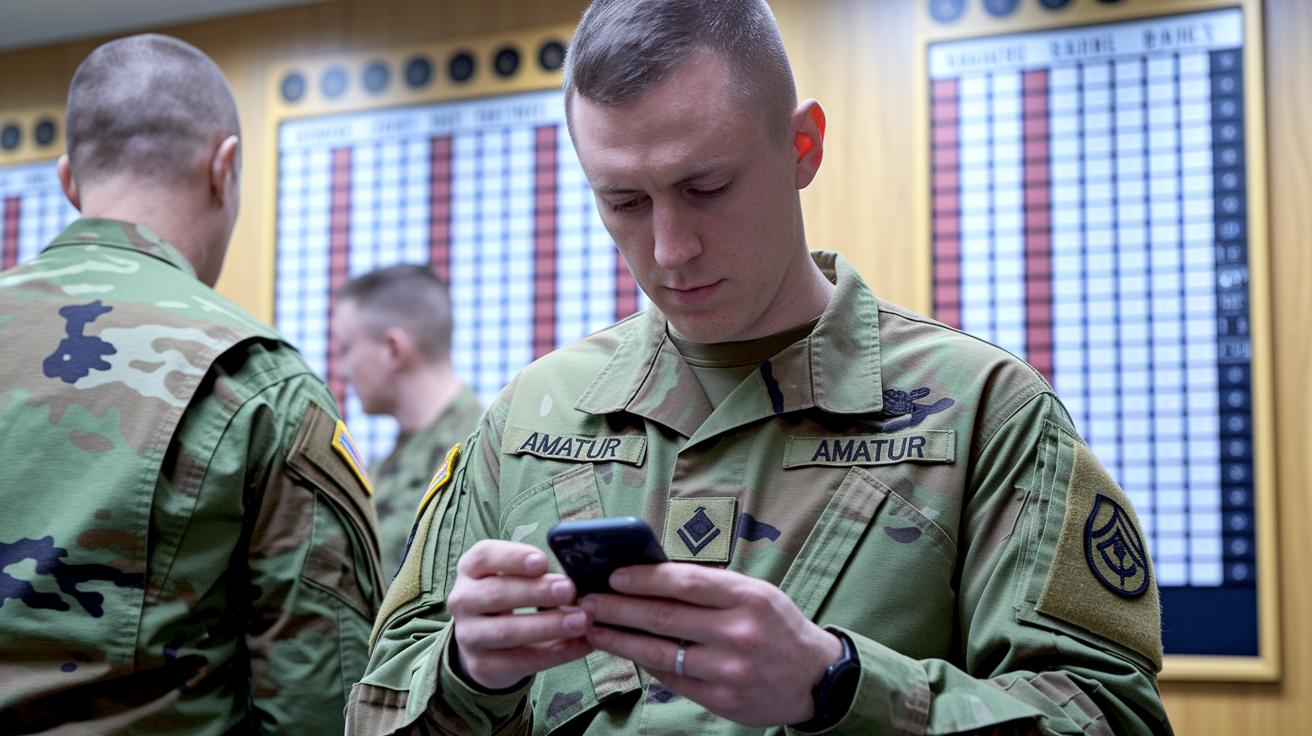
New exam rules are shaking things up for everyone. These changes affect who qualifies, how you move up in your career, and even how your test scores are read. Now, there are two scoring systems, one for 21 special combat roles and one for general positions. So when you take the Army Fitness Test, it’s not just about your physical stats; it also plays a big part in your career advancement. I remember a buddy saying, "Nailing the AFT was like breaking through a barrier to get promoted," and that's the kind of boost these updates are all about.
Promotion points will soon rely solely on your AFT results after the transition period, while the ACFT scores are still good until September 30, 2025. Top performers might even get special height and weight exceptions. And if you’re dealing with a temporary medical issue, you can postpone the test until January 2026. Higher test scores are now seen as key milestones, especially for roles that demand combat readiness. This new setup makes it clear, what you do today on the fitness test directly shapes your career path tomorrow.
Training and Preparation Recommendations for the New Exam Protocol
Start out by taking care of your overall health. Aim for 150 to 300 minutes of aerobic exercise each week. Think of it like setting a solid base before any big mission. You might go for some brisk runs or bike rides, building up your endurance step by step.
Next, work on increasing your workout intensity slowly. Add no more than 10% each week so you don’t overdo it. When you hit the strength training, try doing 3 to 5 repetitions with the weight that challenges you at your 3 Repetition Maximum Deadlift. Remember, keeping good form is as important as nailing your stance during a drill.
Then, mix in some endurance drills like timed push-ups and plank holds. These practice moves mirror events like the Hand Release Push-Up and Plank challenges. I once held a plank until my arms trembled, I know how tough it can be, but it builds real strength. Also, throw in some Sprint-Drag-Carry interval sessions to boost your anaerobic power, helping you recover faster when it counts.
Finally, balance your workouts by combining strength, endurance, and anaerobic conditioning. This mix not only follows modern screening techniques but also gets you ready for every part of the updated exam. Every session is a step closer to being more physically prepared, so treat each drill like an important drill on the field.
Frequently Asked Questions on the Military Exam Update
Quick Reference:
- The Army Fitness Test (AFT) replaces the ACFT on June 1, 2025 for all active units.
- ACFT scores will be valid for promotion until September 30, 2025.
- If you don’t hit the minimum score, reevaluation or a retest starts in January 2026.
- There are exceptions: high AFT scores might allow for slight Height and Weight differences, and those on medical profiles can defer their tests.
- Soldiers in combat roles face tougher, event-specific standards.
-
When does the Army Fitness Test replace the previous exam?
The new AFT kicks in on June 1, 2025 for all active units. Think of it as upgrading your routine with better gear before heading out on a mission. -
Can ACFT scores be used for promotion?
Yes, you can use them. ACFT scores count toward promotion until September 30, 2025, giving you time to adjust to the new system. -
What happens if you miss the minimum score?
If you don’t meet the minimum, retesting or reclassification for combat soldiers starts in January 2026. This is a clear sign to focus on sharpening your skills. -
Are there any exceptions?
Yes. If you score high on the AFT, you might be allowed some leeway with Height and Weight. Also, if you have a medical profile, you can postpone your test to get back in shape. -
How are the combat role standards different?
Combat soldiers must clear higher, event-specific thresholds. Treat your training like a critical mission, go the extra mile to master these tougher requirements.
| Key Update | Detail |
|---|---|
| Test Transition | AFT starts on June 1, 2025 |
| Promotion Scores | ACFT counts until September 30, 2025 |
| Minimum Score Issue | Retest/reclassification begins January 2026 |
| Exceptions | High AFT scores and medical deferrals |
| Combat Standards | Higher, event-specific thresholds |
Additional Resources and Support for Transitioning to New Procedures
These tools are here to help you quickly get the hang of the updated exam methods. If you’re stepping into the new system, a set of reliable guides can clear up any confusion and boost your confidence. Think of these resources like your field manual, they keep you informed and ready for action. For example, when you review the Official AFT Policy Memo, you’re getting clear directions from Army HQ on what to expect. It’s just like double-checking your gear before a mission.
Need a quick de-stress or a fresh tip? The Weekly Tactical Video Analysis delivers regular insights on the latest tech, tactics, and doctrine updates. And if you’re looking for detailed numbers, the RAND AFT Data Report breaks down nearly 1 million exam cases to show why these changes work. Finally, if you have any questions or need help scheduling test dates or personal assessments, the Applicant Support Portal is available 24/7.
| Resource | Description | Link |
|---|---|---|
| Official AFT Policy Memo | A complete guide straight from Army HQ | army.mil/aft-memo |
| Weekly Tactical Video Analysis | Tuesday and Friday episodes on the latest tactics and tech | militarytech.com/videos |
| RAND AFT Data Report | An in-depth look at nearly 1 million exam cases | rand.org/aft-analysis |
| Applicant Support Portal | 24/7 live chat and scheduling help | armyfitness.org/support |
Final Words
In the action of understanding these changes, the guide breaks down the new exam tactics and timeline into clear steps, from registering online to tackling each event of the Army Fitness Test. The update highlights how revised scoring norms and precise training tips can affect your military career. Each part of the guide builds a practical picture for better performance. Remember, when it comes to boosting your readiness, military exam update procedural changes explained here set you up for success. Stay focused and ready for what’s next.
FAQ
Q: What are the new changes to the ACFT?
A: The new changes to the ACFT mean it is replaced by the Army Fitness Test (AFT) on June 1, 2025. New events include MDL, HRP, SDC, PLK, and a Two-Mile Run, while the ball throw is removed.
Q: What are the changes in the Army in 2025?
A: The changes in the Army in 2025 involve switching from the ACFT to the AFT, with new event structures, defined transition phases for reclassification, and updated promotion scoring that impacts all active duty service members.
Q: What is the hardest military exam?
A: The hardest military exam can be subjective, but many consider parts of the AFT challenging due to the rigorous physical tasks and high performance expectations set for combat roles.
Q: Why did the Army get rid of the ball throw?
A: The reason the Army got rid of the ball throw is that it posed a higher risk of injury and showed limited relevance to the physical demands expected in combat roles.