
Have you ever wondered if your study habits are up to military written exams? Changing your routine might feel like a big move, but a small tweak can be the difference between simply passing and really standing out.
Think of it like checking your gear before a mission. A self-assessment helps you see where you excel and where you need more practice.
In this guide, you'll get clear, step-by-step instructions to boost your readiness and take on the exam with confidence. So get ready to adjust your strategy and sharpen your skills for success.
Essential Steps to Adapt Your Study Habits for Military Written Exams
If you’re getting ready for military written exams, the first step is to make your study routine as unique as your mission. Start by taking a diagnostic test or doing a self-check to find the weak spots, kind of like doing a quick gear check before heading out. Once you know what needs work, tailor your study plan to focus on those areas, just like a solid mission briefing.
Stick to a steady daily routine. For example, spend one hour on arithmetic reasoning, then take a short break to refresh before moving on to word knowledge. This clear schedule helps you stay sharp and on target.
Here’s a simple plan:
- Take a diagnostic test to spot your strengths and weaknesses. Say you score low in math reasoning; you might set a goal to boost it by 10 points over the next two weeks.
- Set clear, measurable goals that you can track easily.
- Use practice tests and course materials that fit the exam style.
- Break your study time into focused blocks for each topic.
- Practice under timed conditions to get comfortable with the exam pace.
- Regularly review your progress and adjust your plan as needed.
When you study in small, focused sessions, it takes the pressure off cramming at the last minute. Also, try adding a little mental prep, maybe some deep breathing or a quick meditation, to keep those exam jitters at bay. Keeping track of your scores makes it easier to see where you need to fine-tune your approach, ensuring your study habits remain mission-ready.
Crafting a Personalized Study Plan for Military Written Exams

Begin with a quick self-check to figure out which subjects need extra focus. Keep a study log handy and note your scores and any parts that trip you up, kind of like checking your gear before you head out.
Next, set up a mission-style study schedule with clear, SMART goals (that means Specific, Measurable, Achievable, Relevant, and Time-Bound). For example, you could plan a session saying, "Spend 30 minutes on vocabulary drills." Then, break your study time into focused blocks with built-in breaks.
Consider using tools like flashcard apps or interactive practice software to help you remember key details. For a step-by-step guide, check out the military test study plan development guide (https://militaryaptitudetests.com?p=818). Here’s a simple schedule to get you started:
| Time Slot | Subject | Objective |
|---|---|---|
| 0800-0830 | Arithmetic Reasoning | Practice drills |
| 0845-0915 | Word Knowledge | Flashcard review |
Review your plan every week. Use short assessments to see where you’re improving and where you might need to adjust your focus. Maybe you’ll notice that pairing up with a study buddy makes tough concepts clearer, just like a good debrief sharpens your mission plan. Regular check-ins keep your study plan flexible and effective.
Optimizing Time Allocation Tactics for Military Written Exams
Imagine your study sessions as a well-planned mission. Divide your study time into clear blocks for each subject. For example, try spending 60 minutes on arithmetic reasoning, then grab a 5- to 10-minute break to recharge. When you're feeling sharp, tackle those tough math problems; later, switch to an easier topic. You might say to yourself, "I do 60 minutes of arithmetic, then a quick 10-minute stretch break." This backing off now and then helps keep burnout at bay and sharpens your performance.
Craft a solid daily study plan that works for you. Start with 60 minutes on arithmetic, take a short break, then dive into 30 minutes of word knowledge. After a pause, move on to the next subject. You can experiment with different lengths, for instance, 45 minutes of focus followed by a 15-minute break might be perfect for some topics. Adjusting your time blocks for the tougher areas helps you stay focused and ensures that the most critical subjects get your best mental energy.
Enhancing Exam Readiness with Practice Assessment Drills for Military Written Exams
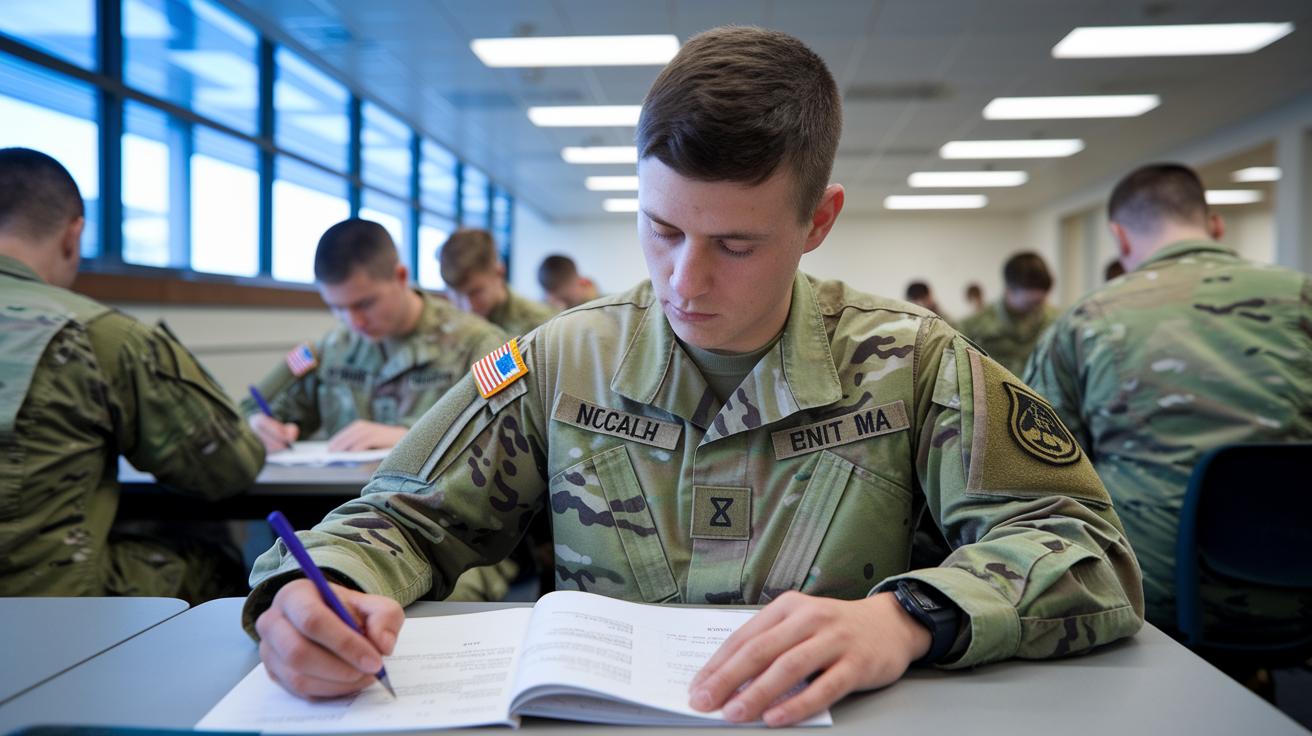
When you’re getting ready to tackle a military written exam, practice drills can really boost your skills. Think of these timed quizzes like an obstacle course, they help you get faster and more accurate, just like you’d train on the field. Full-length practice tests even give you a taste of real exam pressure, so you know what to expect.
Focusing on drills for areas such as Word Knowledge (improving vocabulary), Reading Comprehension, and Arithmetic Reasoning (quick math) can make a big difference. By checking your scores and reviewing mistakes, you learn to notice patterns and fine-tune your study plan.
Here are some key drills:
- Timed quizzes that get you used to making quick decisions.
- Full-length tests that simulate the exam environment.
- Word drills to boost your vocabulary and reading speed.
- Math drills to sharpen your problem-solving skills.
- Mechanical Comprehension exercises to build practical technical understanding.
Regular practice with these drills not only makes you familiar with the test format but also helps you manage your time better. Use the feedback from each drill to zero in on the areas that need extra work. With steady, focused practice, you’ll step into test day feeling confident and ready to handle anything.
Applying Mental Readiness Techniques to Military Written Exams
Using mental readiness techniques really helps when test pressure mounts. It’s like pausing briefly during a drill to catch your breath. Simple actions such as deep breathing and a quick meditation clear your mind and ease anxiety. These methods lower stress and set you up for a better performance.
Adding these techniques to your daily routine works wonders. You might start each morning with a few minutes of deep breathing before you review your study materials. Mix in some light exercise and be sure to get enough sleep to keep your mind sharp (that is, your mental alertness). Even a short meditation between study sessions builds your readiness step by step.
Before the exam, take a little extra time for relaxation and positive visualization. Picture your success as if you were on a well-planned mission, confidently moving through each question. A brief mindfulness break or a moment of positive thinking can calm your nerves and boost your confidence when the pressure is on.
Monitoring Progress and Adjusting Study Habits for Military Written Exams

Keep track of your practice test scores using a simple spreadsheet with columns for dates, subjects, and scores. Note details like "Today’s session: scored 75% in mechanics, had trouble with technical terms (simple explanations helped)" so you can easily spot patterns over time and see where you’re improving.
Once you've reviewed your notes, adjust your study plan to focus on the areas that need extra work. For instance, if you see that math questions are pulling your score down by 15%, switch up your routine with targeted drills or flashcards. This way, every practice session helps you get a step closer to better exam performance.
Building Effective Study Routines for Military Written Exams
We’ve combined the advice on steady study routines with other important topics. For clear step-by-step tips, head over to the sections called "Essential Steps to Adapt Your Study Habits for Military Written Exams" and "Optimizing Time Allocation Tactics." These parts guide you on setting up daily habits, breaking study time into focused periods (try studying for 25 to 45 minutes and then taking a 5-minute break), and sticking to a regular schedule to boost discipline and cut down on procrastination.
Using Digital Academic Tools to Adapt Your Study Habits for Military Written Exams
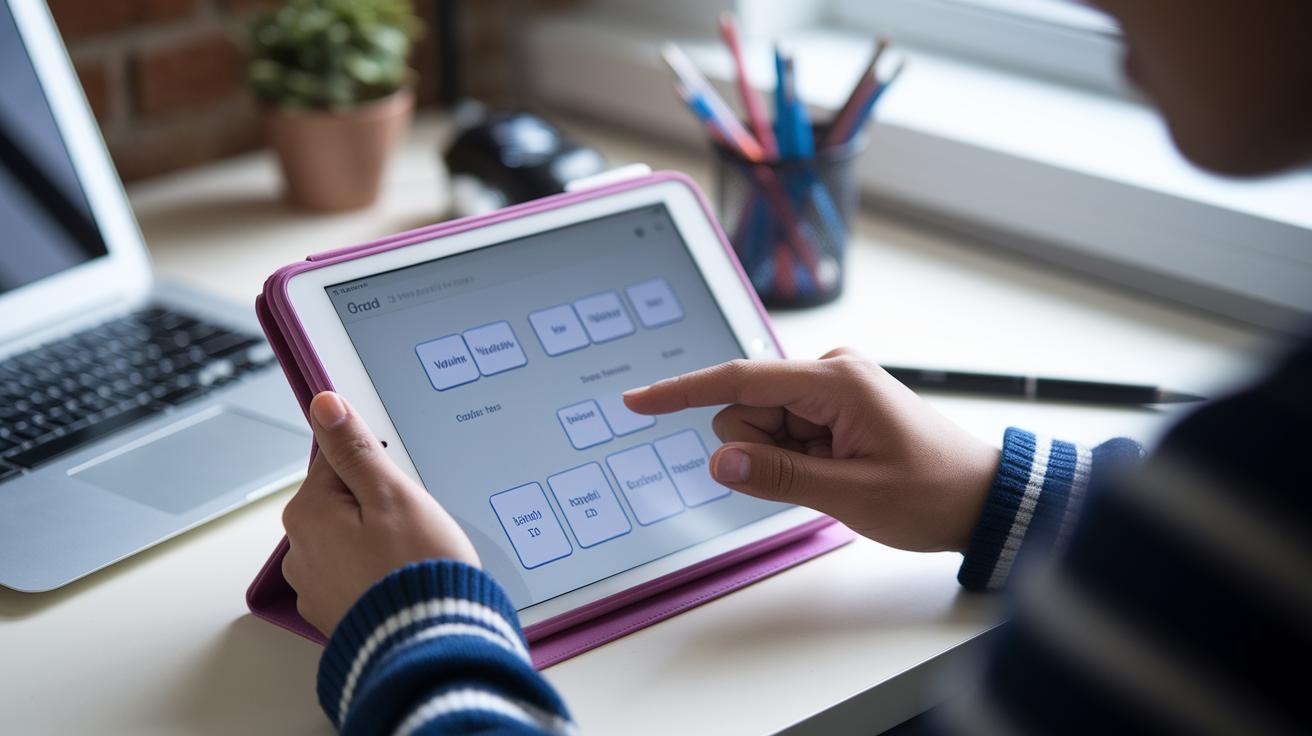
One useful digital tool is a spaced repetition flashcard app. It shows key information at set times so you remember facts better (think of it as a digital reminder to recheck things like math problems or vocab). You can also use online platforms with exam-specific lessons, digital planners that keep track of deadlines and study sessions, and even full-simulator software that copies real test timing for remote practice. These techniques help make studying less stressful and more on target. Every tool truly makes a difference.
Work these digital aids into your routine by setting aside specific time blocks for practice. Start your morning with a quick flashcard review and a short online module before diving into longer study sessions. For instance, you might schedule 30 minutes on a simulator to experience real test conditions. Digital planners can help you set clear goals and monitor progress, so every session stays focused on what you need for the exam.
Final Words
In the action, we covered a clear roadmap for building study routines that work for military written exams. We looked at personalized plans, time allocation, practice drills, mental readiness techniques, and using tech tools to keep you on track.
This guide shows how to adapt your study habits for military written exams with focus and steady progress. Keep at it, and you'll build the confidence needed for success on test day.