
Ever feel rushed trying to understand a tough piece of writing? Many military exam takers miss out on sharpening their skills by not using smart reading habits.
A quick scan of the question and mixing up different reading styles can be like your secret tool on the field. Techniques such as skimming (reading fast to grab the main ideas) and timed practice drills help boost both your speed and your accuracy.
Ready to switch up your approach and tackle passages with clear focus?
Key Strategies For Military Exam Reading Comprehension Success
Begin by reading the question first so you can focus on the important details. This method helps you cut out extra information and zero in on what the test is looking for. Try mixing up your reading, alternate between fun books and technical articles. This mix will get you used to different writing styles and give you an edge on the exam.
Here are five solid tips you can start using now:
- Skim the passage to understand its structure, then go back for the details.
- Check what type of question it is (like if it's asking you to infer something versus a fact).
- Skim and scan quickly to locate key words.
- Use clues from the context to figure out words you don’t know.
- Practice reading with a timer to improve your speed.
Using these tips over and over can boost your reading skills fast. For example, the ASVAB Paragraph Comprehension section gives you 11 questions to answer in just 22 minutes. Keeping track of your time is crucial. Focusing on both the whole passage and the fine details helps you plan your approach during the test.
For more tips, check out tips for acing military aptitude tests. Stick with these strategies every day, and soon you'll quickly and clearly understand even the toughest texts.
Optimizing Time Management For Military Exam Reading Comprehension

The ASVAB reading section gives you 11 questions to tackle in just 22 minutes, roughly 2 minutes per question. It's like a fast-paced drill where every second matters, so you need to stay sharp and process information quickly.
Begin by sizing up each question. If a question needs you to read between the lines or pick up on a subtle shift in tone (like knowing the mood in a brief conversation), it might take a bit longer than one that asks for a straight fact. A good trick is to quickly underline key phrases during your first read. This small step saves time when you go back over the passage, helping you quickly pinpoint where the answer might be hiding.
When you come across a tough question, don’t get stuck. Skip it and focus on the ones you can answer faster. Later, when you have more time, go back to those tougher ones. This way, you keep your pace steady and reduce the pressure of the ticking clock, making sure no single question takes up too much of your valuable exam time.
Targeted Practice Modules And Sample Passages For Military Exam Reading Comprehension
Building strong reading skills for military exams starts with a steady routine of practice modules that feel like the real test. Try taking frequent practice tests, like the free online ASVAB Paragraph Comprehension practice test in our guide on how to prepare for asvab exam. This helps you get used to the time limits and different question types. When you use official study guides, including older exam copies, you stay updated on any changes in the content.
Mixing up your practice is key. Switch between different types of passages, from short stories that build general understanding to technical pieces on math, science, or machinery (for example, a math problem might ask you to solve a puzzle using basic arithmetic). By reading varied texts, you train your brain to shift focus quickly, whether that means sketching out a structure, underlining key words, or guessing meanings from context.
Rotating different passage types every day not only builds a flexible reading skill set but also boosts your confidence for the actual exam. Keep track of how you do over time so you can see which areas shine and which need a bit more work.
| Passage Type | Recommended Duration | Focus Strategy |
|---|---|---|
| Pleasure Reading | 10 min | Identify main idea |
| Technical Excerpt | 12 min | Highlight definitions |
| Mixed Narrative/Tech | 15 min | Map structure & inference |
Keep rotating your practice, and remember: every session is like a mini-mission, preparing you for exam day.
Analyzing Errors And Breaking Down Reading Comprehension Questions
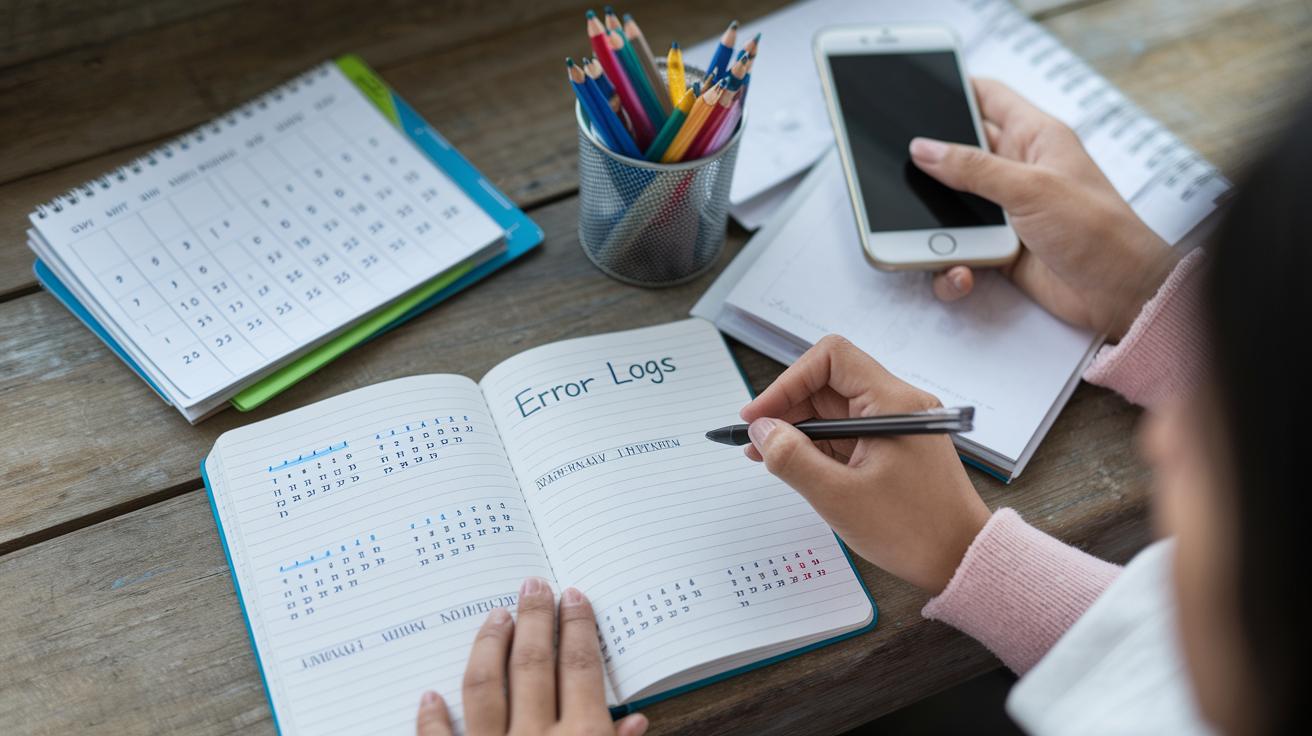
When you retake the ASVAB, you get up to three tries. After your first try, you have to wait one month, and after your second, six months. Keep a record of every error, whether it's a tricky inference or a small fact slip, to spot any recurring issues. This detailed log shows you exactly where you need to improve, much like refining a battle plan before a mission.
Break each question type down to choose the right reading method. For fact and inference questions, read the question before you scan the passage. And if the question asks about tone or needs you to pick a quote, focus only on what’s written. Adjusting your approach for each question type helps you understand faster and decide with confidence.
Enhancing Vocabulary And Contextual Clue Skills For Reading Comprehension
Having a strong vocabulary helps you quickly understand test passages. When you notice little hints in the text, you get both the details and the big picture. This skill boosts your scores on the Word Knowledge subtest (a test that checks how well you know words) and helps you draw smart conclusions in those tougher reading parts. Building your word power means learning to spot root words, swap in synonyms, and catch subtle hints in tone or formatting that point to a change in meaning. Sometimes, reading aloud gives you just the chance to catch details you might miss when reading silently.
Here are four easy tips to strengthen your skills:
- Look for root words and affixes.
- Swap words with synonyms.
- Watch for changes in tone.
- Check words in italics or bold.
Making vocabulary drills a daily habit can really help. Try using flashcards with root words and word parts (morphemes) to build your comprehension. Reading aloud and practicing these tips consistently helps with pronunciation and memory. These simple habits make it easier to figure out unknown words during tests, so you can stay confident and clear-headed when it counts.
Structured Revision Plans And Assessments For Military Exam Reading Comprehension

Start by setting up a weekly routine that blends practice, review, and rest days. On Mondays, Wednesdays, and Fridays, try tackling realistic reading quizzes that mimic exam conditions. Use Tuesdays and Thursdays to go over your errors in detail, and then give yourself a break on the weekends to recharge. For a step-by-step review schedule that fits right into your routine, check out the strategic revision techniques for military exams.
After each practice session, take a moment to jot down your performance details. Track how many mistakes you make on different types of questions and note any recurring challenges. This approach helps you quickly spot your weak spots so you can shift your focus and continuously improve your study plan over time.
Also, consider joining group study sessions to boost accountability. Organize mini-quizzes and peer review meetings so you can check on each other’s progress and share useful insights. This mix of structured revision and routine fine-tuning not only builds your readiness but also ramps up your confidence for exam day.
Maintaining Focus And Reducing Anxiety For Military Exam Reading Comprehension
When you're facing tough exam passages, staying calm is key. Stress makes it harder to pick up on details and can cause you to miss clues, which means you might not answer as accurately. That's why using stress-control methods, like our military exam strategic stress reduction techniques (simple tips to keep nerves at bay), can really help you stay on track.
Try adding these habits to your routine: take two-minute breathing breaks between passages, picture yourself acing the exam before you start, and do a quick stretch break when you need to reset. It’s like giving yourself a moment to regroup, just like a short pause during a drill.
Practice these drills during simulated tests so that when exam day comes, you’re ready. With regular use, your nerves will settle down, letting you focus better and read faster. This steady, practiced approach keeps stress from getting in your way, letting you answer questions with clear, quick precision.
Final Words
in the action, you've reviewed key tactics like skimming passages, reading questions first, and practicing under timed conditions to build clarity.
These strategies for improving reading comprehension in military exams guide you through structured practice, vocabulary drills, and stress control techniques.
Stick to these methods every day to boost your confidence and readiness. Keep your focus sharp and your approach steady as you step closer to success. Stay positive and keep moving forward.
FAQ
What are some effective strategies for improving reading comprehension in military exams?
The strategy for enhancing reading comprehension in military exams involves reading questions first, skimming for structure and keywords, and practicing under timed conditions to build focus and speed.
What is an AFQT practice test and how can it help?
The AFQT practice test simulates exam conditions to boost speed and accuracy. It helps you spot strengths and weak areas so you can fine-tune your study routine.
Where can I find free ASVAB practice tests?
Free ASVAB practice tests offer real-style questions and strict timing. They help you get used to the test format while tracking your progress for improved performance.
What role does an ASVAB study group play in test preparation?
The ASVAB study group gathers peers who exchange tips and support one another. This collaboration deepens understanding of challenging topics and solidifies strong study habits.
What is the benefit of using an ASVAB Word Knowledge list PDF?
The ASVAB Word Knowledge list PDF provides a focused collection of key vocabulary. It helps build language skills by presenting important words and their meanings in an accessible format.
How should I study Word Knowledge for the ASVAB?
Studying Word Knowledge for the ASVAB means using flashcards, engaging in daily reading, and practicing context clues to understand word meanings quickly, leading to improved speed and accuracy.
How can I get better at ASVAB paragraph comprehension and tackle reading questions effectively?
ASVAB paragraph comprehension improves when you read the question first to target key details, skim for structure, and practice with timed drills that sharpen accuracy and focus.