
Have you ever felt that crunch when exam day is nearly here and time just slips away? In military exam prep, rushing your plan can really cost you big time. One recruit crammed and ended up missing important details, which made the exam feel much harder than it needed to be.
Today, we’re going to talk about why cramming, bad time management, and stress can hurt your performance (stress means that overwhelming pressure you feel when things pile up). I remember feeling that same rush before a big test, and I learned the hard way that a steady plan works best.
Let’s break it down together so you can start building a clear, steady plan for success.
Key Pitfalls to Avoid in Last-Minute Military Exam Preparation

The NDA exam is split into two parts: Mathematics, worth 300 marks, and the General Ability Test, worth 600 marks. This arrangement shows why you need a balanced study plan. When you wait until the last minute, you might overlook how the exam is set up, which messes up your study time. One recruit once crammed and missed key points in both parts. That kind of mistake can make it hard to remember what you learned and lead to lower scores.
High stress and exam anxiety can make it tough to pull out important information when you need it most. If you’re feeling swamped, you might want to check out some military exam stress reduction tips (simple ways to calm your nerves) at this link: https://militaryaptitudetests.com?p=827. It can be tempting to skip reviews of previous questions or important topics when time is short. But doing so can leave gaps in your knowledge and hurt your performance under pressure. For a solid review plan, many find military exam revision tips (easy steps to prepare well) helpful, see https://militaryaptitudetests.com?p=903.
Here are the top pitfalls to avoid:
| Pitfall |
|---|
| Waiting until the final hours |
| Not dividing your time evenly between subjects |
| Failing to thoroughly review key topics |
| Letting stress build without using coping strategies |
| Skipping full-length practice tests |
| Becoming overconfident during quick memorization sessions |
| Ignoring exam pattern details |
Each of these mistakes can throw off your study plan and set you up for a rough exam day.
Time Management Errors in Last-Minute Military Exam Preparation
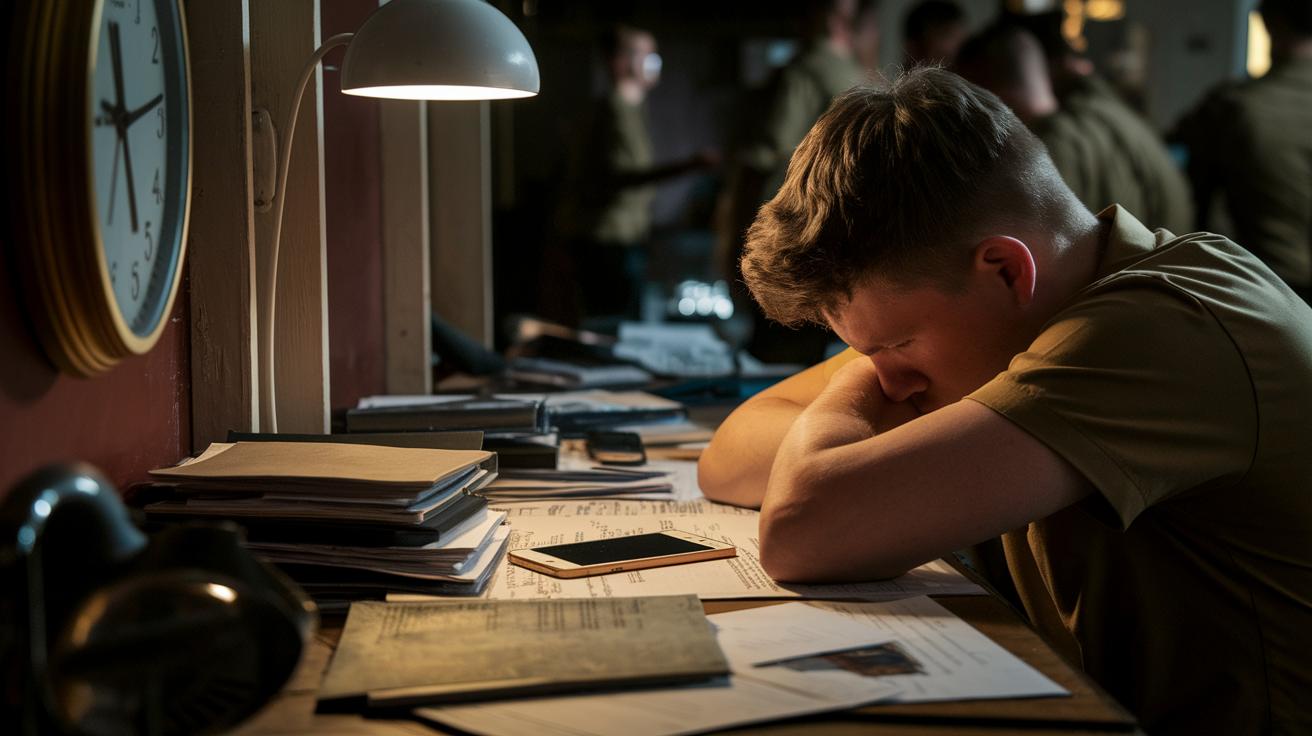
When you cram for an exam at the last minute, things can quickly get out of hand if you don’t plan your time well. Many service members often misjudge how long each topic will take, which leaves them rushing through important details. One recruit even spent too much time on parts he already knew and completely skipped over weaker areas.
Changing your study schedule at the last minute can throw you off even more. Picture this: you set aside an hour for math, then suddenly switch to general ability topics. Your focus shatters, and you find yourself bouncing between subjects without really understanding them. It’s like trying to run a drill with constantly changing orders.
Using a fixed time block for complex topics can also hurt your progress. When you give yourself just a set amount of time for a tough subject, you might feel pressured to rush and miss key points. This leaves you less prepared for the more challenging questions. Instead, keeping a consistent and well-planned schedule helps you stay focused and ensures every subject gets enough attention.
Content Review Mistakes in Last-Minute Military Exam Preparation

Relying solely on quick summaries might cause you to miss the detailed examples that reveal tricky question patterns. When you depend on short overviews, you may not catch all the nuances in how questions are set up, making it harder to notice small format shifts. Think about a one-page outline, it covers topics quickly but lacks the depth needed to connect the dots, leaving you scrambling during the exam.
Skipping full-length practice tests means you lose the chance to build both endurance and effective time management. Without simulating a real exam setting, you won't get familiar with the exam's pace, which is key for handling pressure. Imagine running a complete timed drill in a quiet room with a ticking stopwatch; this kind of practice builds stamina and boosts your confidence.
Condensing your revision too much can make you miss important cues in question patterns. Sure, summaries offer a broad view, but they often omit key details that help you spot recurring test themes. Without these insights, you might struggle when the exam demands specific, well-practiced knowledge.
By noticing these crucial points in your review approach, you can adjust your study plans to fill any knowledge gaps and boost your readiness for exam day.
Stress and Fatigue Hazards During Last-Minute Military Exam Preparation
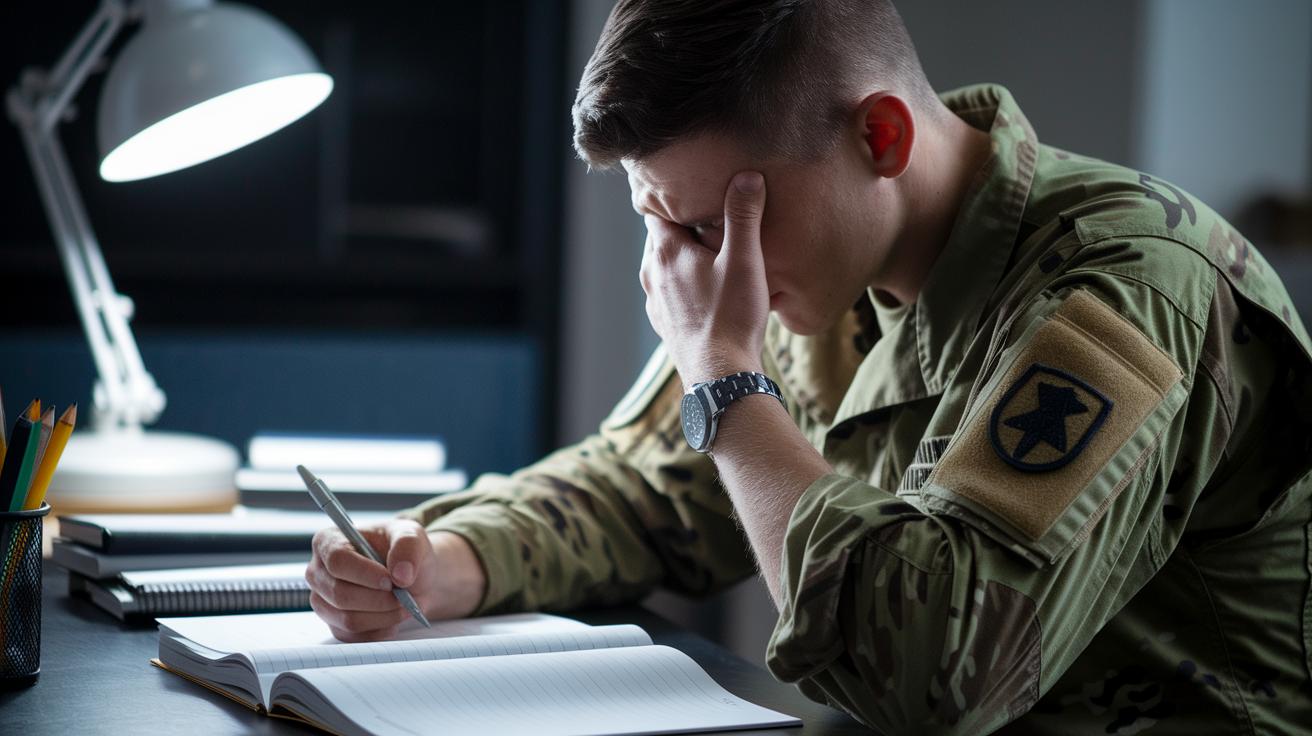
When you miss sleep and stress builds up, it can throw your exam prep off course. If you clock less than 6 to 7 hours of sleep, your brain slows down, much like trying to perform a drill in dim light. Imagine trying to remember key formulas or tackle tough questions when your mind feels foggy, it really makes your test prep that much harder.
Not getting enough rest makes decision-making tough. Your mind works like a battery running low on power, struggling to process and hold onto important details. Many service members have felt this firsthand, one recruit even almost blanked on a basic arithmetic problem because he was so tired.
Stress adds another layer of challenge when your mind is already worn out. When you start to panic, focusing becomes even harder and your thoughts narrow. Even questions you usually nail can feel strange and tricky. Extreme fatigue can make you rush and skip important steps, just like missing part of a crucial drill.
The mix of study stress and lack of sleep creates an environment where memory slips happen and clear thinking fades. Picture tired eyes and a pounding heart during a timed quiz; every lost minute makes it even tougher to recall what you need when it counts.
Logistical and Exam Day Blunders in Last-Minute Military Exam Preparation

Ever had one of those days when you forget something crucial? Maybe it’s your ID, a pen, or even the right uniform. These small oversights can throw you into a panic just before the test begins. Taking a few extra minutes to check your gear can really keep the nerves at bay.
Showing up late is another common error. When you arrive after the scheduled time, you lose precious minutes to get your head in the game. That little delay can stop you from reviewing key details or settling your thoughts, which isn’t ideal before a big exam.
Also, mixing up the exam directions can cost you points, even on questions you actually knew. Imagine a recruit hurriedly reading the guidelines and accidentally filling in the wrong answer bubble. It’s a misstep that not only costs marks but also adds stress you don’t need.
Lastly, skipping a quick review of your answers is a mistake that’s totally avoidable. A brief check can catch those tiny errors before they add up. In truth, a little forward planning and a calm check-over can transform a chaotic day into one where you’re confident and ready to succeed.
Strategies to Sidestep Last-Minute Military Exam Preparation Pitfalls

When the clock's ticking and you’re under pressure, every second really matters. A couple of deep breaths and a short pause can work wonders, think of it like a quick reset before an important maneuver. When you feel swamped, take a moment to breathe in deeply, hold, then let it all out slowly; it helps clear your head just like a soldier taking a breather before moving out.
Splitting your study time into quick, laser-focused bursts can really boost your memory. Try working on key formulas or facts in mini sessions that don’t overwhelm you. Running through these short drills feels a bit like armed hit rounds keeping your mind alert, even when fatigue starts to sneak up on you.
Simulated mini-quizzes, timed to mimic the real exam, help you face the pressure head-on. They not only shine a light on the spots you need to work on but also build up your endurance for the big day. As you tackle these drills, remember to keep a steady pace, just like you would during a field exercise.
Staying energized is just as important as keeping your focus sharp. A breakfast rich in protein, along with regular sips of water, fuels your body and mind for the challenges ahead. Also, short five-minute breaks can really stop burnout in its tracks before it slows you down.
Here are five actionable strategies to maximize your final review:
- Deep-breath resets between study blocks
- Ten-minute, targeted fact-flash drills
- Mini-quizzes under timed conditions to simulate exam pressure
- A protein-packed breakfast with scheduled water breaks
- Structured five-minute relaxation intervals
Final Words
In the action, we covered how delaying study, mismanaging time, skipping key content reviews, letting stress take over, and mishandling exam logistics can hurt your performance. Each section outlined practical tactics to balance deep study with smart breaks and proper planning. Remember the pitfalls to avoid in last-minute military exam preparation. Stay sharp, keep your cool, and use these insights to set a steady pace. A clear head and solid planning give you a real edge on the big day.
FAQ
How to study for an exam at the last minute?
Studying for an exam at the last minute means focusing on high-yield topics, using short, timed drills to simulate exam conditions, and taking brief pauses for deep breaths to sharpen your focus and ease anxiety.
What is the best last minute study method?
The best last minute study method involves blending quick fact-flash drills, mini-quizzes under timed conditions, and a nutrient-packed snack throughout your study session to keep energy up and your mind sharp.
What is the hardest test in the military?
The hardest test in the military often refers to assessments like the NDA exam, which features a two-paper format that tests both Mathematics and General Ability, requiring a balanced review of skills.
How to avoid silly mistakes in an exam?
Avoiding silly mistakes in an exam means carefully reviewing instructions, double-checking your answers, and using full practice tests to build familiarity with the exam format and catch errors before final submission.