
Ever think injury prevention drills are a waste of your time? Think again. Warming up, just like putting on your gear before a mission, gets your muscles ready to handle the heat and keep you strong.
In this guide, we break down simple exercises that boost your strength and help you stay on your feet during those tough drills. Ever notice how a good warm-up makes a big difference? It’s like giving your body the extra armor it needs.
Ready to cut downtime and keep yourself battle-ready? Let’s check out these moves that will help you stay in the game.
Essential Soldier Injury Prevention Exercises for Reduced Training Injuries

Getting your body started with a proper warm-up is like putting on your armor before any mission. A good warm-up gets your blood flowing and readies your muscles, cutting down the chance of strains or sprains. Think of it as checking your gear before patrol, you’re setting yourself up for success.
After that, focused strength and conditioning drills help build a body tough enough to handle hard training. When you work on specific exercises, you boost muscle strength and endurance, which not only lowers injury risks but also keeps your form sharp during demanding activities. Plus, using reliable gear and well-fitted boots plays a big part in absorbing impact during high-intensity moves.
- Dynamic Lunge Matrix for hip and groin stability
- Plank Variation Techniques for core and spinal support
- Resistance Band Lateral Walks to strengthen hip abductors
- Single-Leg Romanian Deadlifts for balance and hamstring resilience
- Scapular Wall Slides to maintain shoulder alignment
Putting these exercises into your daily routine builds a balanced program that cuts down on injuries. By practicing them regularly, you maintain flexibility, strength, and balance, qualities essential for both drills and field missions. In truth, turning everyday workouts into a chance to boost your combat resilience will help you stay on top of your game over the long haul.
Dynamic Warm-Up and Stretching Routines for Soldier Safety

Think of a dynamic warm-up as your first step before a mission, it gets you ready to go and lowers the chance of injuries. These exercises wake up your muscles, ready your joints, boost blood flow, and improve your range of motion. In simple terms, they help prevent strains and sprains when you’re doing tough drills.
Before you hit the field, try these moves:
- Arm Circles (30 seconds each way)
- Leg Swings (15 reps per side)
- High-Knee Walking (20 yards)
- Inchworm Walkouts (10 reps)
- Lateral Shuffle (20 yards)
- Spiderman Hip Openers (10 reps per side)
- Torso Rotations (20 reps)
Doing these exercises before your training readies your body and protects you from sudden strains. Using this warm-up routine regularly not only sharpens your focus but also boosts your readiness for action. For extra tips on perfecting your warm-up, check out the full guide at this link: military warm-up and stretching exercises.
Strength and Conditioning Routines to Prevent Soldier Injuries

Strength training routines are vital for keeping you mission-ready. They help your muscles get tougher and prepare you for the hard work of training. Circuit workouts, which put your body through challenges similar to those on the field, let you build endurance without risking overload injuries. Think of checking in with your body during each drill as checking your gear before a mission, it keeps you from overdoing it. Stick with a regular resistance program and you'll see steady gains in strength while lowering your risk of both sudden and long-term injuries.
Here’s a sample routine you might try:
- Back Squats: 3 sets of 8 to 10 reps
- Deadlifts: 3 sets of 6 to 8 reps
- Plank Variations: 3 holds of 60 seconds each
- Bulgarian Split Squats: 3 sets of 8 reps for each leg
- Resistance Band Push-Pulls: 3 sets of 12 reps (this is a simple way to do resistance training for military personnel)
- Farmer’s Walk: 3 carries over 40 yards
Keeping an eye on your load progression and ensuring you maintain proper form is crucial during every session. Just like a quick gear check before moving on to the next drill, reviewing your technique helps you work safely. Adjust your weights or reps depending on how your body feels, and don’t ignore any signals of discomfort. This steady, mindful approach not only helps prevent injuries but also builds practical strength over time. Stick to the plan, watch your form, and gradually push your limits to build a body that’s ready for any challenge.
Soldier Mobility and Flexibility Workouts for Musculoskeletal Protection

Staying mobile is key to keeping you sharp and ready on the field. When you finish a training session, taking a few moments for static stretching helps your muscles relax, eases stiffness, and improves your joint movement (this means your joints work better). These simple flexibility workouts not only speed up your recovery but also protect you from muscle strains during hard drills.
Imagine wrapping up an intense drill and spending just a few extra minutes stretching, it's like giving your body a quick tune-up before the next mission. This small habit can smooth out muscle tension and prepare you for a strong performance the next day.
| Muscle Group | Stretch Technique |
|---|---|
| Hamstrings | Standing Toe Touch – hold for 30 seconds |
| Quadriceps | Standing Quad Pull – hold for 30 seconds on each side |
| Calves | Wall Calf Stretch – hold for 30 seconds on each side |
| Hip Flexors | Kneeling Hip Flexor Stretch – hold for 30 seconds on each side |
Using these cooling stretches right after your workout can smooth your recovery and keep you combat-ready for the next challenge.
Tactical Agility Drills and Balance Training to Enhance Field Readiness

Agility drills and balance training help lower your risk of twisted ankles and other mishaps during sudden moves. When you combine fast changes in direction with balance work, you boost your body’s natural reaction to quick shifts. This way, you’re ready for anything on the field, just like adjusting your footing on rough ground.
Mixing various drills with balance exercises gets your muscles working together smoothly. This not only gives you better control but also keeps you steady when making tough moves. Plus, varying your movements helps reduce repetitive stress on the same joints, keeping wear and tear at bay.
- Cone Shuttle Drill – 5 reps using 4 cones
- Single-Leg Hurdle Hops – 3 sets of 8 hops for each leg
- BOSU Ball Single-Leg Stands – 3 holds of 45 seconds on each side
- Tuck Jumps – 3 sets of 10 reps
- Lateral Ladder Drills – 3 passes through a ladder
For platoon-level workouts, start by gradually increasing the number of reps or by shortening your rest periods. This step-by-step boost builds your resilience and ensures every exercise meets the real demands of field readiness. Have you ever felt that surge of determination when you know you're prepared for any mission?
Targeted Shoulder Injury Prevention Exercises for Soldiers

Shoulder injuries can really slow you down during tough training, especially since this joint carries so much of your load. It involves about 15 muscles and eight ligaments, so keeping it both flexible and strong is a must. Regular shoulder drills not only protect your rotator cuff (the muscles and tendons around your shoulder) but also help build balanced strength, letting you push through even the most demanding drills.
Doorway Stretch
Stand in a doorway, grab the frame, and lean forward for 30 seconds. This stretch eases tight shoulder muscles and gently lets out the built-up tension, getting you ready for heavier work.
Reverse Fly
Place your feet about hip-width apart and hold a light dumbbell in each hand. Then, slowly swing your arms outward in a controlled way. Aim for 3 sets of 12 reps to strengthen the back of your shoulder and balance the load around the joint.
Wall Angels
Stand with your back flat against the wall, keeping your arms bent at 90° as you slowly raise them upward. Do 3 sets of 10 reps to help keep your shoulder lined up properly and improve your range of motion.
Wall Push-Ups
Face the wall and place your hands at chest level. Perform 3 sets of 15 reps. This exercise builds shoulder stability while being gentler compared to regular push-ups.
Lawnmower Pull
With a resistance band in hand, step back and simulate a lawnmower pull by drawing the band steadily toward you. Try 3 sets of 10 reps for each arm to build both shoulder and upper back strength.
Side-Lying External Rotation
Lie on your good side and hold a light weight in the arm that needs extra care. Perform 3 sets of 15 reps, focusing on controlled movements to target your rotator cuff.
Pull-Down Rows
Kneel on one knee and execute a steady pull-down movement with each rep. Complete 3 sets of 12 reps to boost shoulder stability while working on overall upper body strength.
Increase the band tension as you grow stronger, gradually add more reps over time, and adjust your training schedule based on how you feel during recovery.
Recovery, Load Management, and Overuse Injury Prevention for Military Personnel
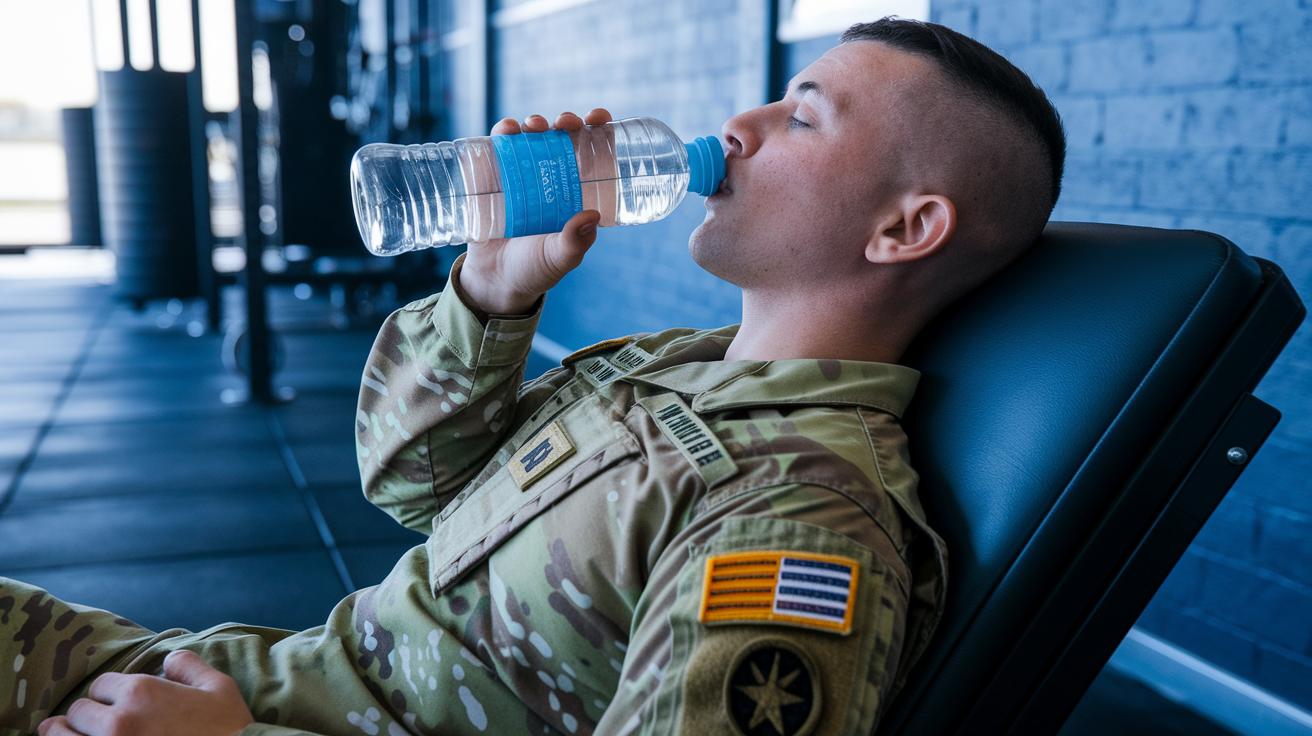
A good recovery routine is one of the most important ways to prevent injury. After a tough training session, your body needs a chance to fix those muscles and recharge its energy. Getting solid sleep, drinking enough water, and eating balanced meals aren’t extras, they’re essential parts of every soldier’s toolkit. Taking time to recover helps your muscles rebuild and get ready for the next drill, which lowers the risk of overuse injuries. It also keeps your mind sharp and your body strong when the training gets heavy.
- Aim for 7 to 9 hours of sleep each night
- Stay hydrated (about 0.5 to 1 liter during active hours)
- Eat balanced meals with lean proteins and complex carbs
- Plan a light training week every 4 to 6 weeks
- Use foam rolling and self-massage techniques
- Try mindfulness or simple breathing drills for stress control
Mixing hard training with smart recovery and careful load management not only speeds up healing but also builds the long-lasting strength needed on the field.
Final Words
In the action, we broke down a solid mix of warm-up, strength, flexibility, agility, shoulder drills, and recovery methods. Each segment was crafted to build your stamina, support your joints, and lower injury risk. We saw how routine soldier injury prevention exercises help maintain readiness and overall performance. By blending these drills with proper rest and balance, you get closer to peak training performance. Keep applying these straightforward exercises and stay positive, every session makes a real difference in your field readiness.
FAQ
Shoulder strengthening exercises at home
The shoulder strengthening exercises at home combine simple moves like push-ups and resistance band workouts to boost muscle strength and help protect your joints during daily activities.
Shoulder physical therapy exercises
The shoulder physical therapy exercises focus on controlled stretching and gentle movements that help improve mobility and ease pain during recovery.
Rotator cuff exercises for seniors
The rotator cuff exercises for seniors target small shoulder muscles using light resistance and low-impact motions, which enhance joint stability and reduce discomfort.
Shoulder mobility exercises pdf
The shoulder mobility exercises pdf offers a clear, structured guide that outlines routines to improve range of motion and help maintain healthy, flexible shoulders.
Shoulder pain exercises at home
The shoulder pain exercises at home utilize gentle stretches and mild strengthening moves designed to relieve discomfort and support smooth, pain-free shoulder movement.
Shoulder stabilization exercises pdf
The shoulder stabilization exercises pdf provides a detailed plan that focuses on balancing core shoulder muscles, improving joint alignment and overall stability.
Physiotherapy exercises for shoulder pain
The physiotherapy exercises for shoulder pain emphasize slow, controlled motions and targeted stretches that work to reduce discomfort and restore proper shoulder function.
Shoulder rehab exercises PDF
The shoulder rehab exercises PDF includes step-by-step instructions for drills that rebuild strength, flexibility, and proper alignment after an injury.
How to train for injury prevention?
The method to train for injury prevention includes proper warm-ups, strength routines, and flexibility work that prepare muscles and joints to handle physical stress safely.
What’s the most common injury in the army?
The most common injury in the army often involves the shoulder, knee, or back, usually resulting from repetitive strain or overuse during intense physical training.
How to strengthen your shoulders to prevent injury?
The plan to strengthen your shoulders to prevent injury involves exercises like wall push-ups and resistance band routines, which build muscle support and enhance joint stability.
What exercises are good for supraspinatus tendonitis?
The exercises for supraspinatus tendonitis include gentle rotator cuff strengthening and controlled stretching techniques that gradually improve mobility and reduce tendon stress.