
Have you ever wondered if military exam questions really measure your skills? Military tests are more than just numbers. Each question is like a mini mission that shows what you’re good at.
When you get to know the different types of questions, from simple multiple choices to those that really test your reasoning, you can boost your test-taking skills and confidence. Read on to see how understanding these questions will help you score higher and prepare better for your future role.
Key Military Exam Question Types Explained

Military aptitude tests use clear, multiple-choice questions that give you a solid look at your skills. The ASVAB, for example, splits into nine sections like arithmetic reasoning, word knowledge, paragraph comprehension, and math. These parts are meant to check the basic abilities you'll need for everyday military tasks.
The paper version of the ASVAB has 225 questions, while the computer-adaptive test (CAT-ASVAB) gives you between 145 and 155 items. In the adaptive test, each question shifts in difficulty based on your answers. So, if you get an arithmetic question right, you might see a slightly tougher one next.
A major piece of the ASVAB is the Armed Forces Qualifying Test (AFQT). Your AFQT score comes from four areas, word knowledge, paragraph comprehension, arithmetic reasoning, and math knowledge, and shows as a percentile from 1 to 99. This score tells you if you qualify to enlist and helps decide the best role for your abilities.
Using a standardized, multiple-choice format makes it easy to tell what you know instantly. When you prep for the exam, practicing with ASVAB-style questions can really help you get used to the format and timing. Each set of questions is designed not only to test your knowledge but also to see how you handle pressure in the moment.
Military Exam Question Types: Objective vs Subjective Formats

Objective questions give you clear, one-answer outcomes, either you're right or you're wrong. In tests like the ASVAB, every multiple-choice question bumps your standard score (a score between 0 and 100) and your overall AFQT percentile (ranging from 1 to 99) without any extra guessing about what a good answer should look like. Take electronics questions, for instance; the right answer is fixed, so your score depends solely on whether you picked the answer that matches the answer key.
Subjective questions work a bit differently. Instead of just picking an answer, you need to write your response, which is then scored using a set guide (rubric). Think about writing an officer selection essay where you have to clearly show your thoughts and logical reasoning. I remember one officer candidate who impressed evaluators by sharing a brief narrative about tactical decisions during a simulated drill, every detail was precise and logical. With subjective questions, it’s not just about ticking the right box; the examiners look for clear and thoughtful explanations.
• Objective questions give measurable, quick results.
• Subjective tasks are scored using a guide that checks your reasoning and communication skills.
Objective formats offer fast, straightforward scoring on clear concepts, while subjective types measure your ability to explain and defend a point. Knowing how both work can really help you plan and gear up for various parts of military exams.
Military Exam Question Types: Scenario-Based and Practical Methods
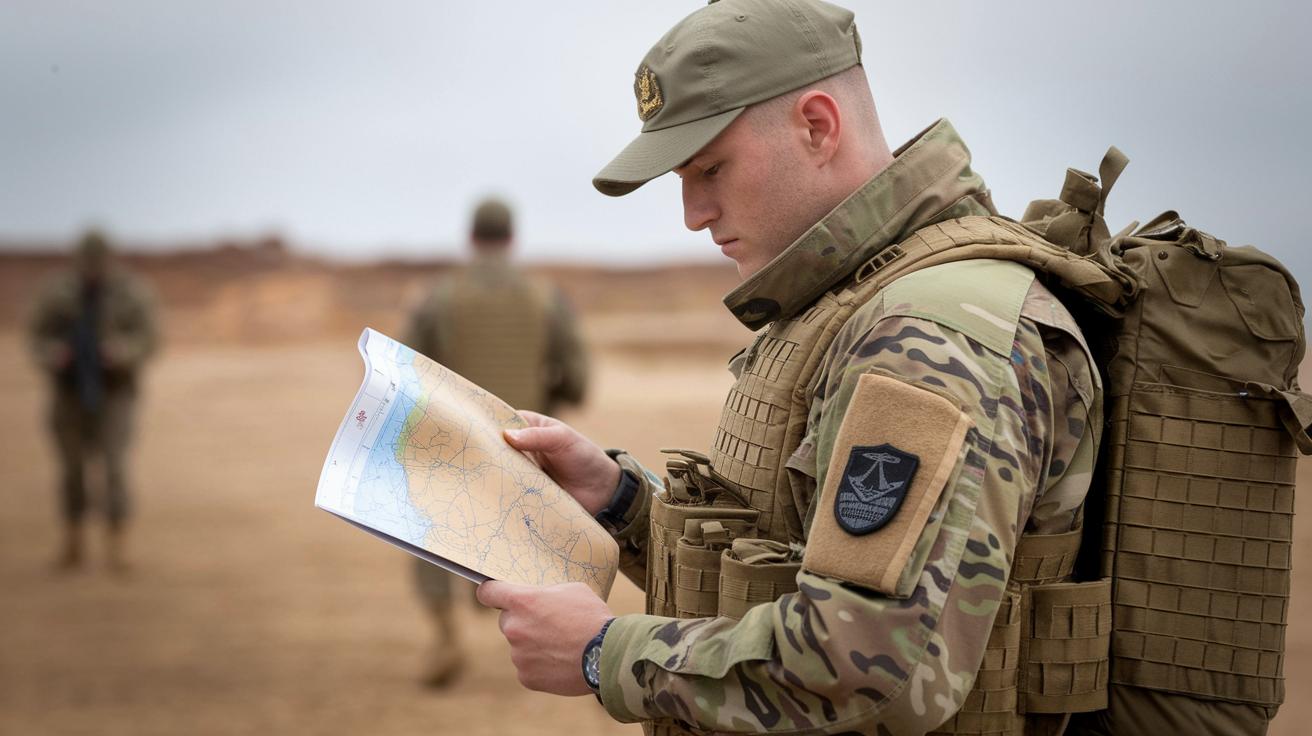
Scenario-based questions put you right in the middle of real military challenges. They work like live drills, where every second counts and you need quick thinking. The CAT-ASVAB uses an adaptive system that changes the difficulty based on your answers. So when you get one right, you face a tougher challenge that really tests your nerves. For example, you might have to choose your next move while navigating unknown terrain, a perfect test of your skills.
Practical assessments go beyond just asking questions. They require you to use your technical skills, like navigation, tactical decision-making (picking the best move when time is short), and even handling electronics in simulated settings. This setup shows you can apply what you've learned in real situations. Many of these questions are made to push both your thinking and hands-on readiness. Think about choosing the best course of action when sudden obstacles come up, that’s applied knowledge in action.
By practicing these questions, you build the skills needed to perform like you would on the field. It’s a smart way to check if you’re truly ready for military tasks.
Understanding Military Exam Question Types: Clear Insights
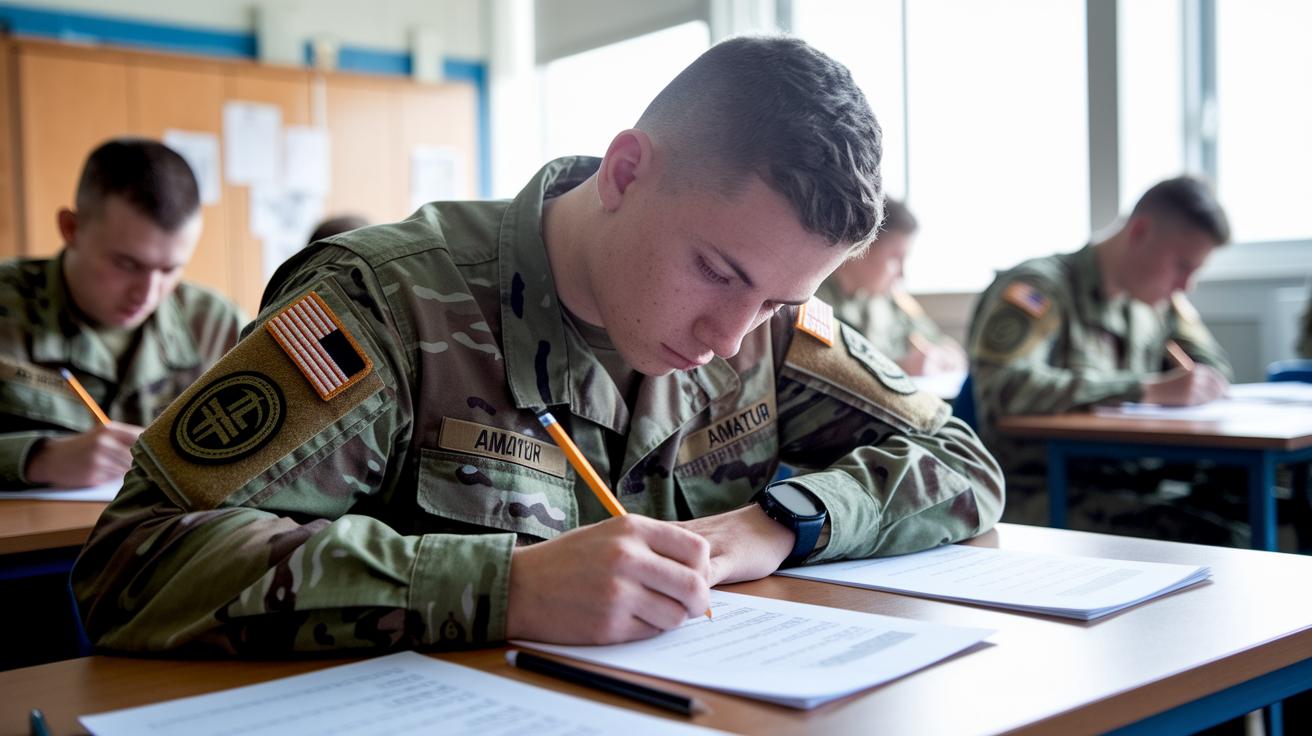
When you face military exam questions, multiple-choice questions are your go-to. Both the paper ASVAB and the computer version (CAT-ASVAB) use these types of questions. The paper test has 225 questions, while the computer test typically offers between 145 and 155 questions that adjust based on how well you answer.
There are different strategies for different question types. For single best answer questions, read carefully and quickly cross off the options that don’t make sense. And for questions where you might need to choose more than one correct answer, trust your gut, it’s often a hint that more than one answer is right.
Matching-type questions ask you to pair related pieces of information. Imagine sorting technical terms and their definitions, start by matching the obvious pairs, then work on the tougher ones.
Fill-in-the-blank questions test your memory and ability to spot patterns instead of just picking from a list. Sometimes, these questions penalize guessing, so make sure you only answer when you’re reasonably sure. A good tip is to eliminate options that clearly don’t fit.
When selecting your answers, managing your time is key. Quickly dismiss answers that don’t fit the question. If two answers seem similar, compare them closely, choose the one that ties directly to the exam’s main idea. This method helps you make smart decisions under pressure.
Military Exam Question Types: Essay and Short-Answer Approaches

When you face essay and short-answer questions, you need to think quickly and express complex ideas in clear, everyday language. Think of it like briefing your team before a mission, each word matters.
These questions check your ability to explain your ideas. They look beyond basic facts to see how well you organize your thoughts and show deep understanding. It’s like planning a field exercise: you start with clear details and build up to a solid plan.
Verbal reasoning evaluation (a test of how well you use words to explain ideas) is the key here. Imagine writing a short report on a drill: start with a clear start, mention details like “Picture planning a mission where every step counts,” and then wrap it up neatly.
Your answers are scored on structure, clarity, and smooth flow. You might get points for a straightforward introduction, solid examples, and a brief conclusion all in one answer. A good preparation checklist could be:
| Step | Action |
|---|---|
| 1 | Outline your main points |
| 2 | Practice writing short essays on common topics |
| 3 | Review how each part supports your overall response |
Using these tips helps you communicate your ideas clearly and logically. In the end, you’re not just memorizing facts, you’re showing a real ability to think and explain like you would in the field.
Military Exam Question Types: Simulation and Cognitive Challenge Classifications
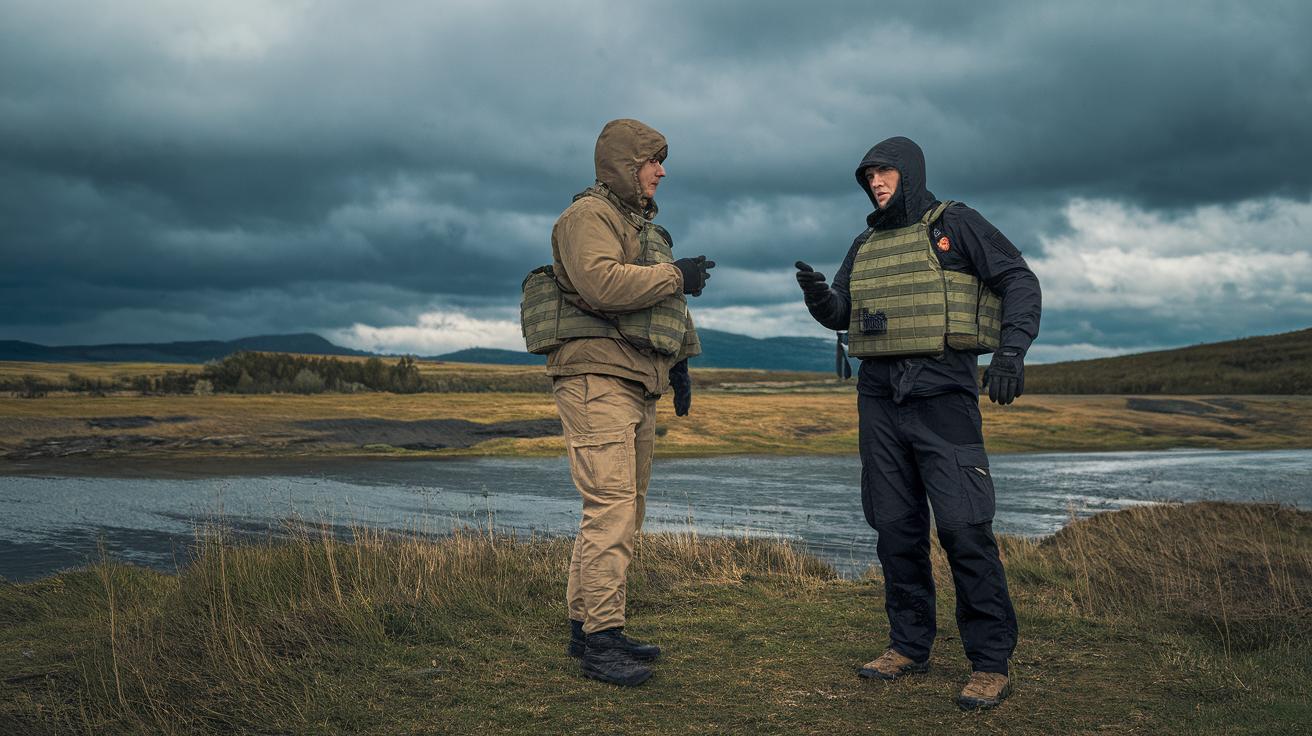
Simulation-based items check how quickly you can decide in real-life-like situations. They include tasks that feel hands-on, such as tactical drills and solving problems on the fly. For instance, you might be asked to change your plan when sudden weather changes force a reroute during a training drill.
Cognitive challenges, on the other hand, focus on puzzles and pattern spotting. These questions offer problems like number sequences or coded signals. They ask you to figure out patterns using your brainpower when the pressure is on. Picture a test where you have to crunch a sequence like 2-4-6-8 and then guess the next number.
Both types of questions use an adaptive response system. This means the test starts with easier tasks and ramps up to harder ones as you do well. You could begin with a simple pattern match and then move to a more detailed scenario that mixes tactical decisions with brainy puzzles.
Sometimes, review questions mix these styles. They measure not just your quick reflexes in a hands-on challenge, but also your ability to connect ideas and solve puzzles, giving a clear picture of your overall readiness for military demands.
Study and Practice Techniques for Military Exam Question Types

Getting ready for your exam starts with setting up a test-like environment. Pick a few hours to take practice tests under timed conditions so you can feel the pressure of the real exam day. Imagine having just three hours to answer every question, with every tick of the clock reminding you that time is short.
Set up a study plan that covers all the basics you need, like math, vocabulary, and science. Use flashcards and interactive exercises to work on key ideas. This isn’t just about memorizing facts, it’s about training your brain to recall information quickly when it really counts.
Here are some practical tips to follow:
| Tip | Description |
|---|---|
| Daily Practice | Stick to a regular study plan so you’re always in the habit of learning. |
| Timed Tests | Practice with a clock running to mimic the pressure of exam day. |
| Interactive Tools | Use flashcards and online tools to boost memory and understanding. |
| Exam Guides | Review ASVAB-specific materials to build a strong knowledge base. |
When practice becomes routine, you’ll notice that both your decision-making and speed improve. I remember a buddy saying, "Running through practice drills felt like getting prepped for a live briefing, each session made the next one easier." Keeping your cool and staying rested on exam day is just as important as all the study you put in.
By breaking down each question type into small parts and following these steps, you’ll sharpen your problem-solving skills and master time management. For more detailed strategies, check out military exam preparation tips at https://militaryaptitudetests.com?p=2331.
Final Words
In the action, we examined key military exam question types like multiple-choice, essay, simulation-based, and scenario tasks that mimic real-life military settings. Each section connected test formats to practical strategies, from timed drills to flashcards, offering easy-to-follow tips that boost confidence and readiness. The breakdown makes understanding military exam question types clear and approachable. Stay positive, you now have actionable insights to boost your skills and excel in every test you face.
FAQ
Understanding military exam question types pdf
Understanding military exam question types pdf provides a downloadable guide explaining various exam formats. It covers multiple-choice, adaptive, and scenario items, helping test-takers identify key formats when preparing for military exams.
Understanding military exam question types and answers
Understanding military exam question types and answers means knowing how each question is structured. It details formats from clear-cut multiple-choice to scenario-based items, offering explanations to boost exam readiness.
ASVAB practice test
ASVAB practice tests offer sample questions and timed drills to build exam familiarity. They simulate real test conditions, helping you become comfortable with the exam’s structure and improve your performance.
ASVAB test questions
ASVAB test questions include a mix of multiple-choice and adaptive items covering arithmetic reasoning, word knowledge, and technical skills. This variety tests basic subjects and practical problem-solving abilities.
How many questions are on the ASVAB
How many questions are on the ASVAB depends on the format. The paper version has 225 questions, while the computerized test includes 145-155 adaptive items to match your ability.
ASVAB practice Test PDF
ASVAB practice Test PDF offers a downloadable file with sample questions. It allows you to practice at your own pace and review different test areas to sharpen your exam strategies.
Military practice test
Military practice tests simulate real exam conditions with a mix of multiple-choice, adaptive, and scenario-based questions. They help you build confidence and improve skills needed for entrance tests.
ASVAB military test score range
ASVAB military test score range is expressed as standardized scores (0–100) and an AFQT percentile (1–99). This scoring system determines your eligibility and helps assign you to appropriate military roles.
What type of questions are on the military test?
What type of questions are on the military test includes multiple-choice items, adaptive questions, scenario-based tasks, and sometimes essay responses. These assess both factual knowledge and the ability to apply concepts.
What are the different types of exam questions?
What are the different types of exam questions covers objective items like multiple-choice, matching, fill-in-the-blank, and subjective formats such as essays and scenario-based tasks that evaluate practical application.
How rare is a 99 on the ASVAB?
How rare is a 99 on the ASVAB reflects that such a high score is uncommon. It places you in the top percentile, demonstrating exceptional mastery in test subjects and strong exam strategies.
Is a 70 a good score on ASVAB?
Is a 70 a good score on ASVAB means that scoring 70 is solid and usually qualifies you for many military roles. It shows competitive performance in key testing areas and readiness for service.