
Ever wondered if you're truly battle-ready? The Marines Combat Fitness Test mixes strength and endurance drills that mimic real-life combat challenges. Drawing on hard-earned lessons from deployments, this updated test pushes every Marine past the basics. Picture an 880-yard sprint where you feel like you're dashing through enemy ranks, heavy ammo can lifts that build real power, and a hard crawl to reach a buddy in trouble. This article breaks down each event and shows how Marines train hard to build the strength they need for the real world.
Marines Combat Fitness Test: Achieve Peak Strength
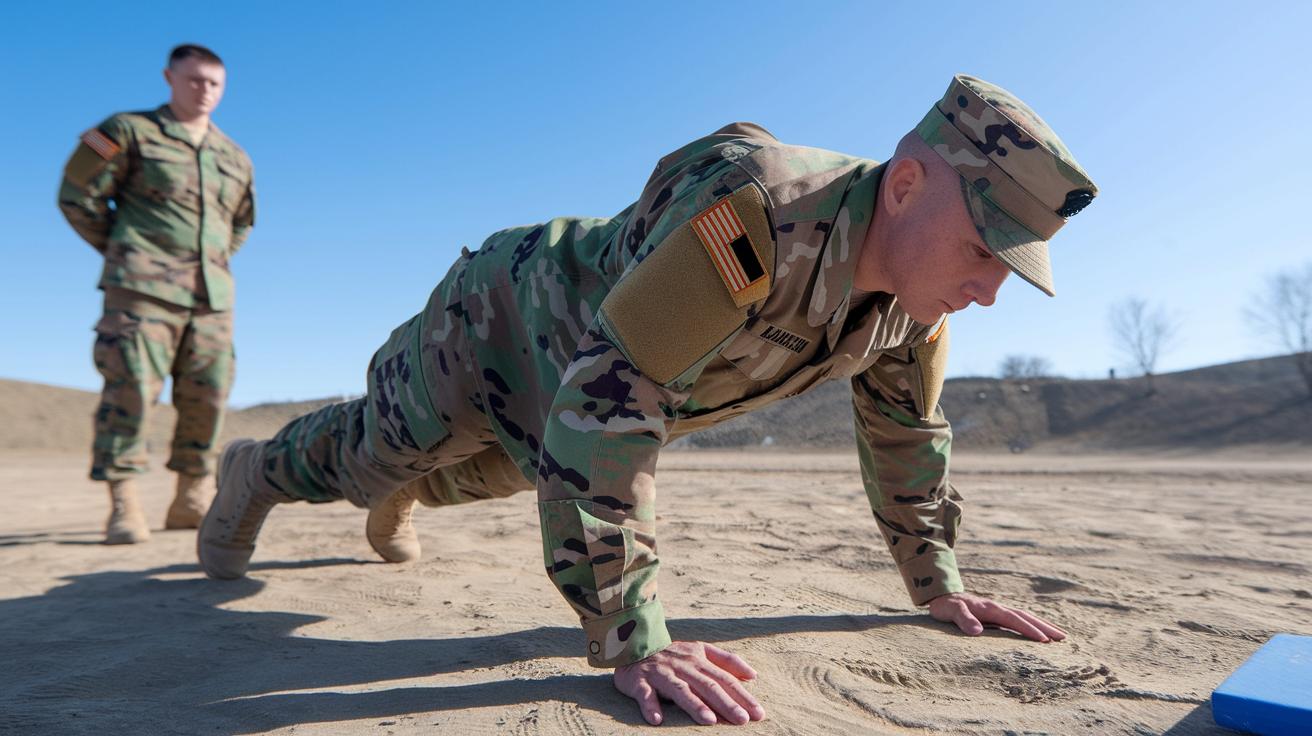
The Marines Combat Fitness Test was revamped after lessons learned in Iraq and Afghanistan. This test happens twice a year to check if Marines are ready for real combat challenges. It measures overall physical fitness to ensure every Marine is prepared for the demands of the field.
This test checks each Marine’s combat readiness and physical stamina. It pushes everyone to work past the minimum, much like drilling obstacle courses until they’re second nature. In other words, Marines train so they do more than just get by, they aim higher, which inspires continuous improvement.
The test has three main parts designed to mimic combat duties. In the Movement to Contact event, Marines race on an 880-yard sprint as if running through enemy territory. Then, in the Ammunition Can Lift, they must lift a 30-lb ammo can repeatedly from the ground to overhead within two minutes to build strength and endurance. Lastly, the Maneuver Under Fire event covers a 300-yard course with tasks like low crawls, ammo resupply, grenade throws, agility runs, and even dragging or carrying a casualty to simulate assisting a wounded mate. Scores are set on a sliding scale based on a Marine’s sex and age, so everyone is challenged to exceed the basic standard.
Detailed Breakdown of Marines Combat Fitness Test Events

This section gives you a clear guide to every part of the test. The events are built like real battle tasks, testing quick bursts of speed, muscle strength, and agility. Each drill challenges Marines in different ways, from a fast sprint to a steady lifting sequence, and they’re designed to mimic what you’d face on the ground.
Movement to Contact
In this drill, Marines run 880 yards as if charging into a hot zone. They face mixed terrain that feels like actual combat conditions. Younger Marines are expected to finish faster, which pushes them to develop both speed and power. It’s like an infantry speed trial that tests your ability to react quickly under pressure.
Ammunition Can Lift
Here, Marines must lift a 30-pound ammo can from the ground to overhead continuously for two minutes. The lift is done at a steady rhythm with a focus on good posture and controlled breathing. Your score depends on both the number and smoothness of your lifts. Think of it as a branch-specific agility drill that measures strength, endurance, and coordination, all key in real battle.
Maneuver Under Fire
This event throws you into a 300-yard obstacle course loaded with simulated combat challenges. Marines get down on the ground to crawl, grab extra ammo, throw a grenade with precision, dash a few yards, and even drag a casualty to safety. It’s a true test of speed, coordination, and strength, a warrior agility benchmark and naval operative trial rolled into one mission.
| Event | Description |
|---|---|
| Movement to Contact | 880-yard sprint, aiming for under 3 minutes |
| Ammunition Can Lift | Lifting a 30-lb ammo can repeatedly for 2 minutes |
| Maneuver Under Fire | 300-yard combat obstacle course |
Scoring and Service Fitness Criteria in the Marines Combat Fitness Test
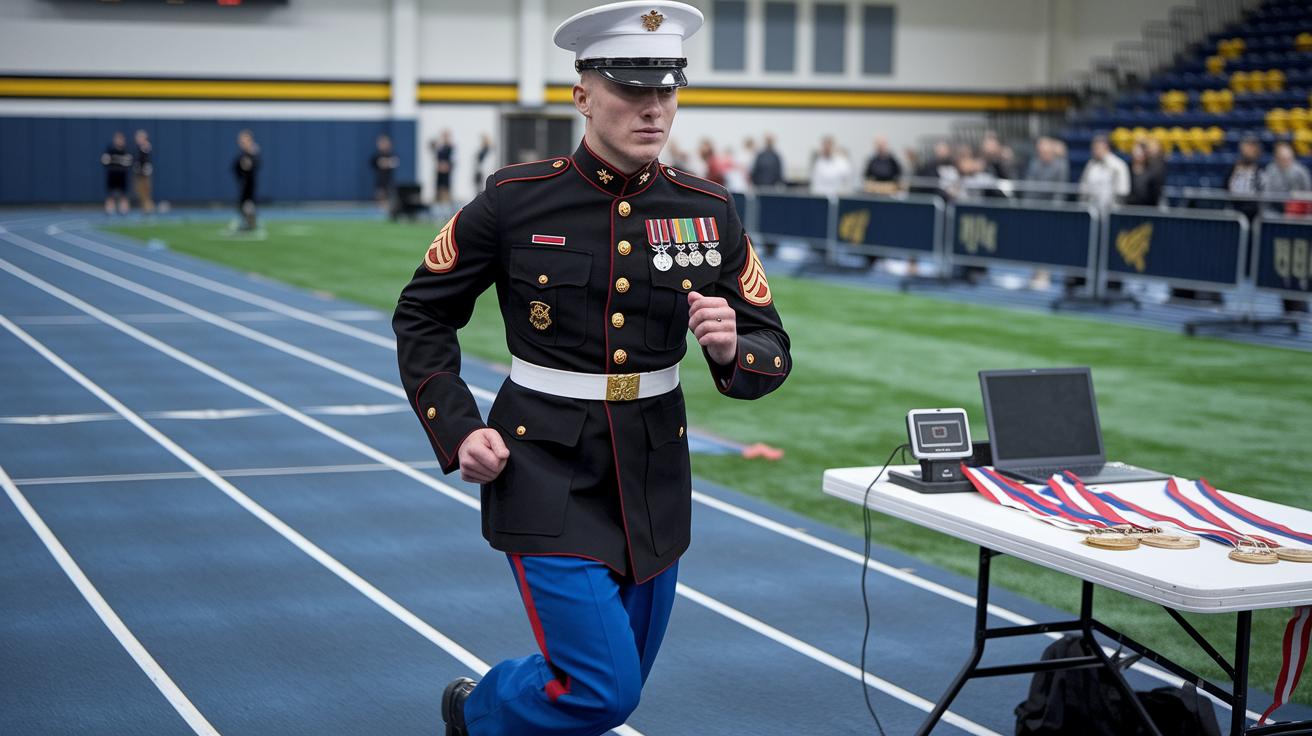
Each event is scored on a sliding scale that adjusts based on your sex and age group. The system uses clear point thresholds that started in 2021 and are updated every five years as you move through age brackets. Detailed charts lay out what’s needed for both male and female Marines in each event. This way, every Marine gets a fair shot at knowing where they stand in readiness.
Marines now need to exceed the minimum performance level to pass, simply hitting the lowest mark means you haven't met the standard. Your total Combat Fitness Test score comes from adding up the points from all three events, showing your overall combat readiness. This method pushes us to keep improving and makes sure everyone meets the service fitness criteria essential for the job.
Comparing CFT Standards Across Age and Gender

Marines face changing physical requirements every five years, like moving from ages 17–21 to 22–26. These shifts mean that as you grow older, you'll need to complete tasks faster and do more repetitions. For example, in the Movement to Contact event, younger male Marines might need to finish in 2:15, while older ones have up to 2:45. Plus, the Ammunition Can Lift demands more reps with age, and the Manoeuvre Under Fire event gets tougher so that the test fits the higher endurance levels expected as you get older.
There are also clear differences between male and female standards. Male timings tend to be set at quicker paces, whereas female benchmarks are adjusted a bit higher, say, running between 3:00 and 3:30. This means training has to be tailored to build the right mix of agility and strength for each group. Whether you’re a new recruit or an experienced Marine, you’ve got to fine-tune your workouts to meet these evolving markers and stay mission-ready.
Training Regimens to Improve Marines Combat Fitness Test Results
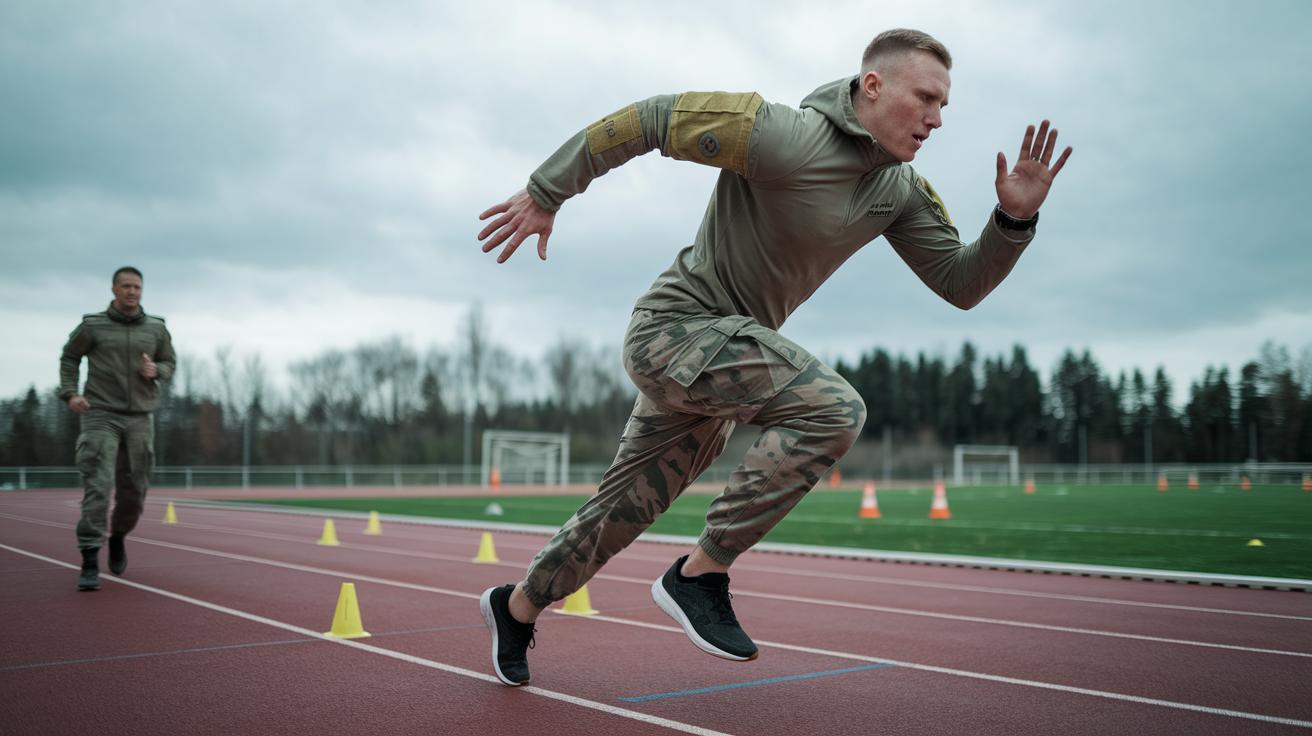
A smart training plan is your ticket to acing the Combat Fitness Test. Your routine should mix high-intensity workouts, steady runs, and strength drills to give you the burst of energy needed for that 880-yard sprint and build muscle endurance. Think of your schedule like a mission plan, each session is set up to boost your speed, coordination, and stamina for the tough challenges ahead.
- Sprint intervals to build quick bursts of speed and improve overall distance performance (like short explosive runs).
- Overhead lift sets at 50–70% of your maximum weight to build strength and repetition for the ammo can drill.
- Mixed circuits that combine crawls, carries, and grenade-sim drills to mimic real combat obstacles.
- Casualty drag drills to perfect the technique for quickly moving a wounded mate during simulated combat.
Recovery, mental preparation, and proper nutrition round out your training plan. After tough sessions, giving your body a break and eating a balanced diet helps your muscles bounce back. Mental prep techniques (like stress inoculation, which is about getting used to pressure) build the focus you need to push through fatigue. It’s all about striking the right balance between hard work and recovery, making sure you’re physically strong and mentally tough enough to excel on test day.
Tailoring Combat Fitness Test Preparation for Recruits and Veterans

New recruits start by building a strong aerobic base. They run regularly at a moderate pace and mix in some controlled sprint drills to boost their endurance. They also practice basic lifts with manageable weights so they can perfect their form and strength. Plus, they work on crawl techniques through low-intensity drills that copy real combat moves. For example, doing a two-minute overhead lift repeatedly sets the stage for tougher exercises down the road.
Veterans shift their focus to cutting down sprint times and doing more repetitions with the ammo can lift. They work hard on smooth transitions during the Maneuver Under Fire (a drill that simulates moving under combat conditions) to clear obstacles easily. Their advanced training includes planned routines that change over time and regular practice tests to show progress. They even use app-based tools, like those seen in training exercises, to check their recovery and performance, helping them sharpen their skills with every run-through.
Final Words
In the action, we broke down the test’s history, structure, and scoring. We reviewed how the 880-yard sprint, ammo can lift, and mixed-terrain obstacles work together to assess combat readiness.
We also covered training strategies and adjustments by age and sex so every marine can find their stride. With clear details and actionable tips, your prep for the marines combat fitness test has never been clearer. Stay focused and keep pushing forward.
FAQ
What does Marine Combat Fitness Test scoring involve?
Marine Combat Fitness Test scoring involves earning points from three events based on your performance. Points adjust based on age and sex, and the total score reflects your overall combat readiness.
How does a CFT calculator help?
A CFT calculator lets you input your performance data like sprint times and lift repeats. It then estimates your score and shows if you’re meeting the required benchmarks for your age and gender.
What information does a Marine CFT score chart provide?
A Marine CFT score chart details point requirements for each event based on your age and sex. It serves as a quick reference guide for what you need to do in each test section.
What are Marine Corps CFT standards?
Marine Corps CFT standards are the guidelines that dictate performance benchmarks for each event. These standards vary by age and gender to fairly assess a Marine’s readiness for combat.
What is the combat fitness test for the Marines?
The combat fitness test for Marines assesses combat readiness through practical tasks. It includes an 880-yard sprint, a two-minute overhead ammo can lift, and a 300-yard obstacle course simulating combat moves.
Why is 1.9 Marines known as the Walking Dead?
The term “Walking Dead” for 1.9 Marines reflects the tough reputation of this unit. It suggests that only those who excel under extreme physical demands and challenging standards earn that label.
What is the current USMC physical fitness test?
The current USMC physical fitness test evaluates overall physical readiness. It combines endurance running with a set of events that mimic combat scenarios to test a Marine’s performance.
How rare is it to achieve a 300-point composite score?
Achieving a 300-point composite is uncommon. It represents outstanding performance across all test events and indicates that a Marine has exceeded the standard combat fitness expectations.