
Ever wonder if what you learn in class can really prepare you for the field? Active learning puts you right in the middle of simulated drills. These drills are designed to feel like real missions, where you make split-second decisions and learn from every mistake.
Picture the steady thud of boots on pavement and the brisk air of an early-morning drill. This kind of hands-on training shows that learning isn’t just about listening, it’s about doing on the fly. In this article, we'll break down how these strategies build your skills, sharpen your quick thinking, and get you mission-ready.
Core Active Learning Methods for Military Candidates
Active learning for military candidates kicks off with hands-on drills that mirror real operations. Recruits jump straight into realistic simulations where they can plan missions, make decisions, and solve problems in a safe setting. Think of it like a practice run where every move is immediately reviewed. This method really drives home the lessons.
These techniques rely on real data from past drills. One example is the Thayer Method, which has been a go-to at the U.S. Military Academy for over 200 years. It stresses the importance of prepping before class and fixing mistakes on the spot, turning errors into instant learning moments. Remember that field drill where an instructor asks, "What would you do next?" and then offers quick feedback? That’s how sharp thinking is built.
Role-playing and scenario drills are at the heart of this approach. During these exercises, candidates take on different roles to tackle challenges similar to what they’d face on the battlefield. Veterans help fine-tune these scenarios, so they really hit home. Picture stepping up as a team leader under pressure, you learn leadership and adaptability right then and there.
Then there’s the high-tech side of training. Collaborative projects and digital platforms, like training apps and online modules, let recruits run through complex operations virtually. This not only sharpens decision-making skills but also adds a modern twist to classic drills. All in all, these methods provide military candidates with a hands-on, structured way to learn and remember the essentials, getting them mission-ready for the real world.
Active Simulation and Mission Rehearsals
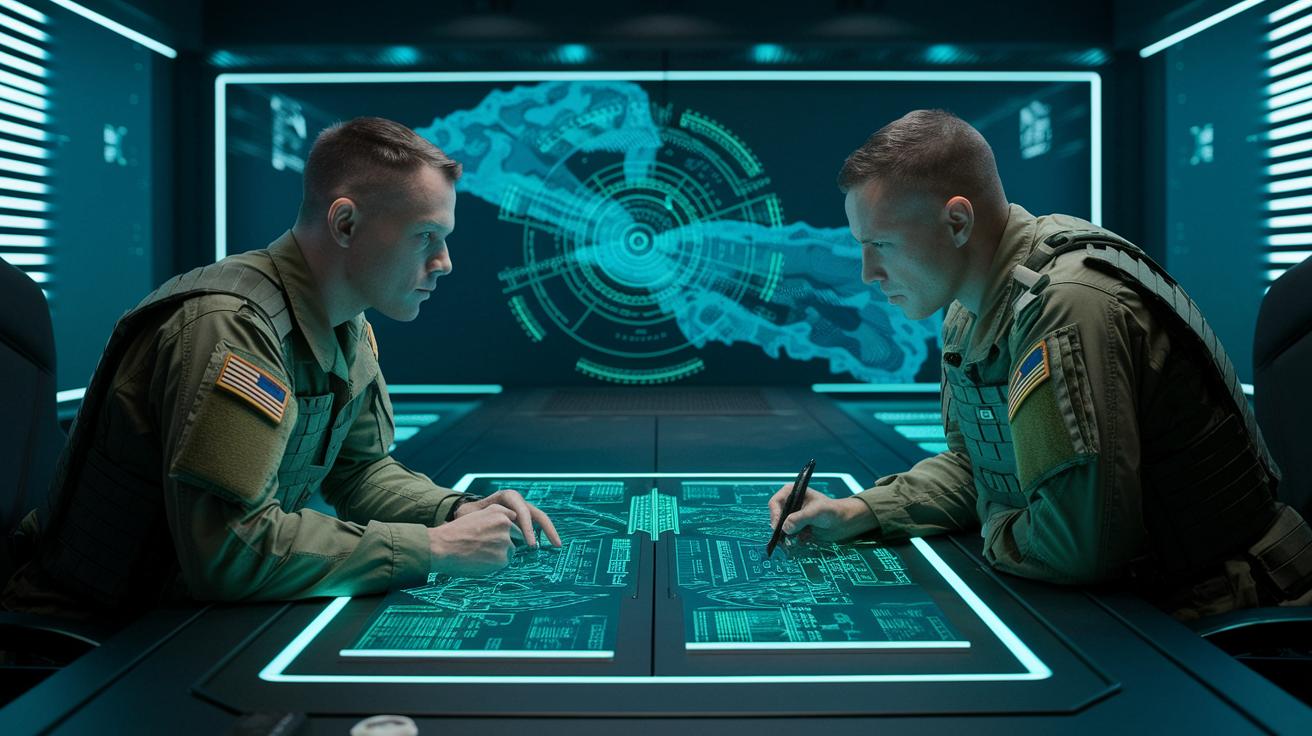
Traditional mission drills used to mimic field conditions with set scenarios and prompt responses from an instructor. Now, thanks to generative AI and digital war room setups, simulations can change on the fly. Picture this: just before a mission drill, the system could quickly shift enemy positions, forcing you to adapt your plan in a heartbeat.
Old-school drills relied on fixed conditions and feedback similar to the Thayer Method. But with AI on your side, each challenge changes with your every move. For instance, in the middle of a drill, an instructor might ask, "What's your next move?" and then the AI tweaks the intensity of the scenario to help you sharpen your quick decision-making skills.
| Aspect | Traditional Simulation | AI-Enhanced Simulation |
|---|---|---|
| Scenario Dynamics | Fixed conditions | Real-time adjustments with generative AI |
| Feedback | Manual instructor input | Automated, data-driven corrections |
| Decision Making | Set drills | Challenges that evolve with each soldier’s actions |
Active Scenario-Based Modules and Problem-Solving Drills
We mix classic drills with fresh AI-powered scenarios to create real-life training experiences. Think of it like staging a mock ambush where your team has to quickly restore communication and get into a new position under pressure.
After each drill, recruits join in group debriefs similar to veteran listening sessions. They chat about what went down, review how decisions were made, and note where improvements can be made. For example, after the simulated ambush, the team might break down each move to see how to react faster next time.
Both old-school methods and new simulations focus on solving problems in real time. This blend turns book knowledge into hands-on skills, boosting your personal abilities and team coordination.
Active Digital Platforms and Gamified Instruction
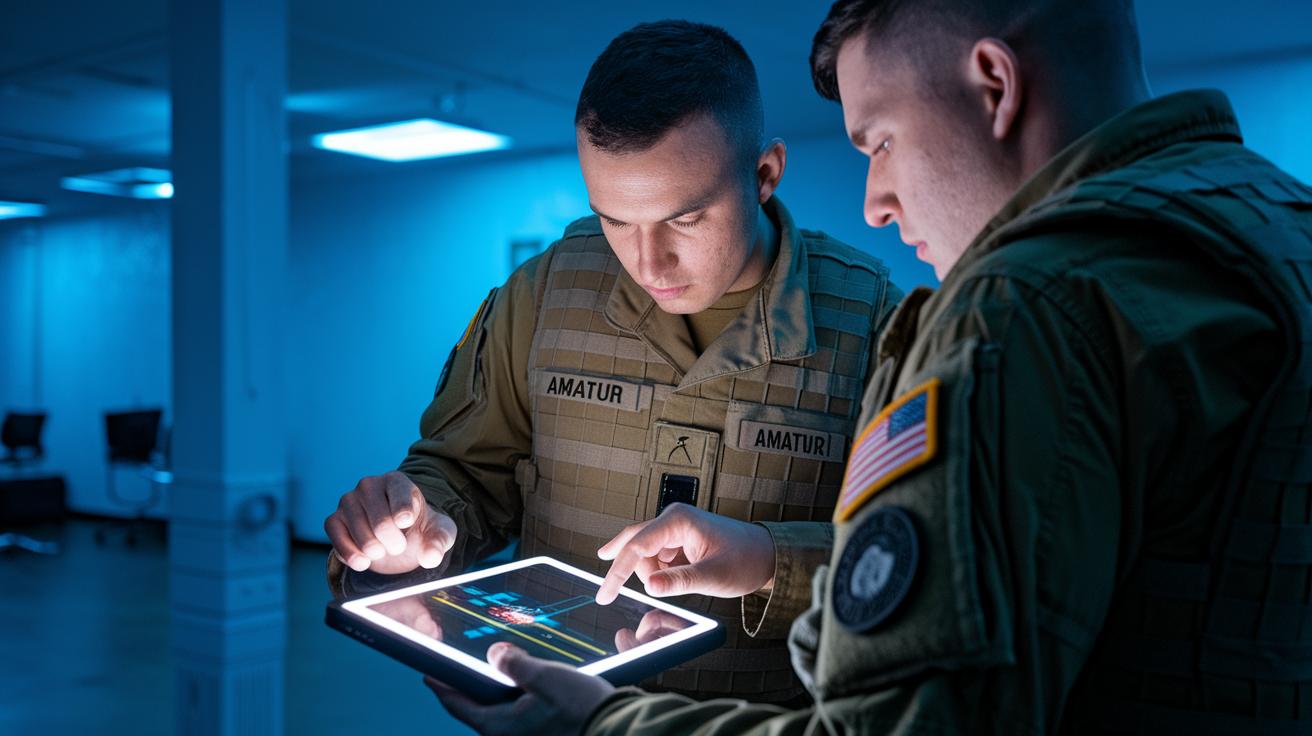
Digital learning tools are changing the way military candidates study. These systems use multiplayer games and mission-like apps that feel almost real. Imagine using an app where every smart tactical move earns you points, it makes studying fun and a bit competitive, like you’re on an actual mission.
Gamified learning steps things up by setting clear challenges and rewards. For example, you and your team might earn badges for solving problems quickly or finishing a drill. This friendly competition helps sharpen the skills you need in the field and turns dull drills into lively challenges. Every move you make on the digital platform counts.
Tech-enhanced study tools also come with AI-driven helpers. Generative AI (a type of computer program that helps create study plans) and modern data tools tailor your learning path based on how you perform. They adjust the difficulty to suit your pace, ensuring the challenge is just right for you. These digital tools let you track your progress, showing you exactly where you’re doing well and where you can improve.
Active Cooperative Skill Seminars and Peer Workshops
These seminars and workshops give military candidates a chance to show off their leadership and teamwork skills. Recruits meet in sessions that feel much like real field operations. In these rounds, seasoned candidates share their true service stories along with practical tips. For instance, one veteran might recall a surprise drill where every idea truly mattered.
In peer-led workshops, everyone gives honest feedback as they work through problem-solving drills that mirror real decisions on the ground. Group discussions help each soldier learn step by step, and every bit of input is valued. Feedback sessions are a great time to reflect on mistakes and turn them into chances for improvement, which builds confidence and skills.
Mixed teams, modeled after veteran support programs and resource centers, set a strong platform for learning and coaching. Special orientation sessions guide candidates into these seminars smoothly. By facing structured team tasks and shared tough scenarios, recruits form strong bonds and get ready for the challenges of field operations in a supportive and hands-on setting.
Active Structured Curriculum with Hybrid Modalities
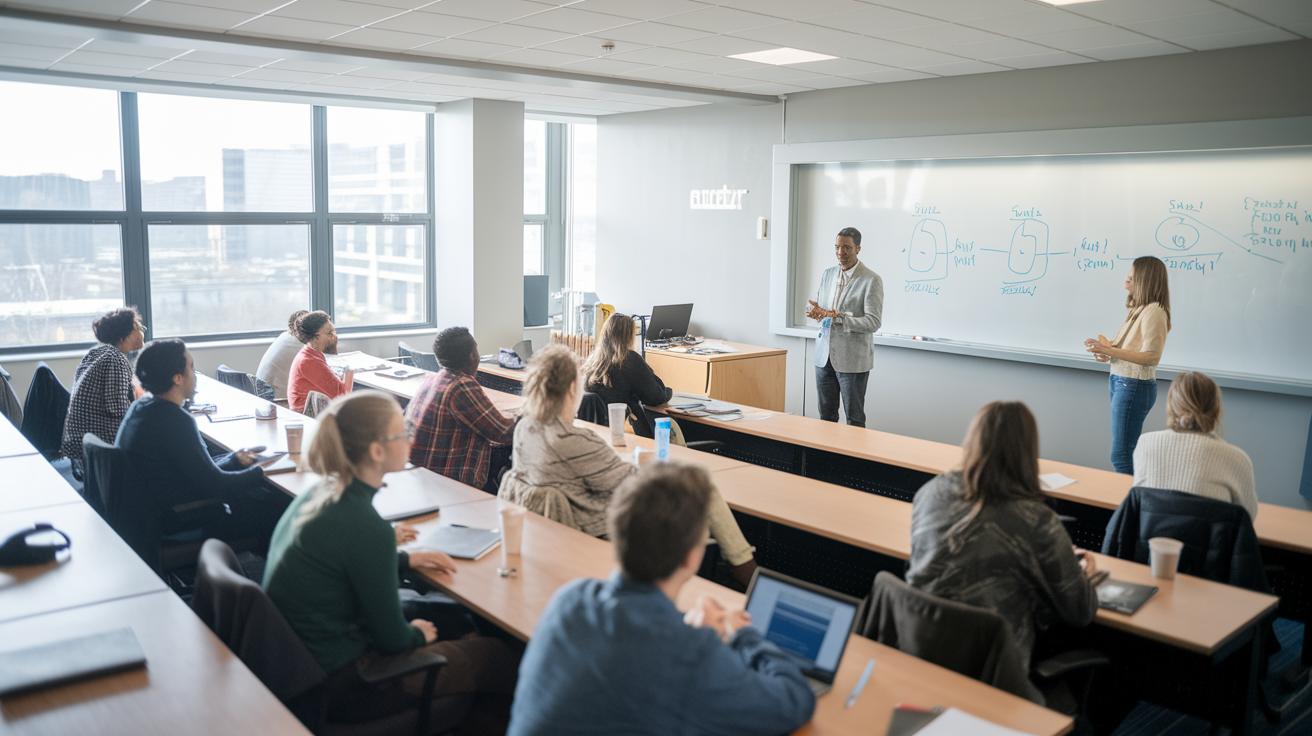
This curriculum blends classroom lessons, field drills, and digital modules into one complete learning plan for military candidates. Instructors start by checking current engagement levels, getting to know each candidate, and working closely with key trainers. These steps help shape a plan that mirrors proven support methods used for veterans.
Face-to-face lectures cover the classic theories, while hands-on field exercises let candidates try out tactics in real-like scenarios. Digital modules chip in with interactive content that recruits can check out on their own time. This mix creates a smooth, hybrid system that fits well into the busy schedule of military life.
Instructors use flexible teaching styles that blend real-world tasks with academic sessions. For instance, during an early-morning drill, a briefing might quickly shift into a practical exercise, then finish with an online review. This step-by-step approach makes sure each lesson builds on the last one.
Educators keep gathering feedback from each session and adjust the course content as needed. This active update, a bit like what you’d see in military entrance exam study guides, makes sure the material stays current and useful. In the end, this hybrid curriculum gets candidates ready for real challenges with a balanced and flexible learning experience.
Active Learning Implementation Steps and Real-Time Feedback
Step one: Start with a clear needs analysis. Check your training records and talk with both instructors and candidates. For instance, a leader might ask, "What strategies helped you during the last drill?" This simple question gathers useful insights for improvement.
Step two: Try out the new active modules with a small group. Think of it as a test run before you launch the new plan everywhere. In these sessions, instructors use quick check-ins and reviews (kind of like a brief, casual test) to see what works. A common question might be, "What decision led to that outcome?" This immediate feedback shines a light on areas that need tweaking.
Step three: Gather hard numbers using evaluation tools. Look at clear metrics like the number of scenarios finished and accuracy in decisions. For example, tracking how fast and well your team reacts during a drill reveals whether skills are strengthening or if more practice is needed.
Step four: Provide instant, on-the-spot feedback. After each drill, instructors quickly point out corrections and then open up the floor for discussion. A brief review might include asking, "What did you notice when the situation changed?" Such real-time feedback helps cement the crucial lessons and boosts confidence.
Step five: Keep refining the process. Consistently review the data and feedback, then adjust the training as needed. This ongoing cycle, running a needs analysis, testing in small groups, collecting feedback, and making tweaks, ensures your training stays effective and keeps up with evolving challenges.
Case Study: Active Learning via the Thayer Method

The Thayer Method gets you thinking right from the start by having you prep before class, using friendly, guiding questions (that’s the Socratic method in plain terms), and calling on you for quick answers. This way, you walk into class ready to learn, and every slip-up just becomes a chance to get better. Imagine your instructor pausing after a question and saying, "What do you think comes next?" Each response kicks off a deeper chat. For example, an instructor might share, "Before stepping onto the stage at West Point, many cadets felt the rush of rapid-fire questioning, just like you might when facing a tough drill for the first time."
For over 200 years, this method has helped shape some of our top military leaders. Its quick, on-the-spot feedback turns mistakes into learning moments and teaches you to decide fast and clearly. Although the method has a long history, it works great with modern training too. Today’s military programs easily mix this hands-on style with digital and hybrid classes. By blending proven techniques with today’s technology, the Thayer Method still gives you immersive, real-life training that meets the challenges of military service.
Active Learning Implementation Challenges and Solutions
Training programs often run into issues with staffing, technology, and available resources that slow down the rollout of active learning. Changing budgets and veteran benefit adjustments can cut the funds needed for fresh teaching methods. For example, when money is tight, instructors may stick with old drills instead of trying new, flexible ways to assess progress.
A big challenge is that many experienced instructors haven’t had the chance to use the latest tech tools. Picture an instructor who hesitates to try out a new simulation program because they haven’t had enough practice with it. This uncertainty can delay the introduction of better techniques.
Old technology adds to the problem too. Legacy systems and outdated software make it hard to set up peer-led models that encourage real-time feedback. Instructors might struggle with these fast-changing tools, which ends up slowing down learning and decision-making exercises.
Taking a steady, phased approach and using peer-led workshops can help tackle these problems. By gradually adding new modules and sharing responsibilities, training programs can balance limited resources with the need for innovation. This step-by-step method lets teams adjust slowly while keeping critical skills sharp, even within tight budgets and technological limits.
Final Words
In the action, we covered practical methods like active simulation sessions, scenario-based drills, and digital instructions. Each method trains both quick thinking and solid memory recall. We also looked at cooperative workshops and structured study paths that boost overall readiness.
These active learning strategies for military candidates help build skills for test success while increasing confidence. Keep practicing these routines, and let them guide you to improved performance and a robust military career.
FAQ
What free active learning strategies for military candidates are available, including PDF versions and recent 2021 updates?
When you ask about free active learning strategies, you find role-playing scenarios, simulations, group exercises, and digital modules. Many of these resources are available as downloadable PDF guides and updated 2021 training programs.
What is Army lifelong learning, including essays and regulation guidelines?
Army lifelong learning means continuously developing skills through structured training and reflection. Essays and official guidelines support this process by providing frameworks that foster ongoing professional growth and critical thinking.
What does the Journal of Military Learning cover?
The Journal of Military Learning covers research and best practices in active training, offering insights into techniques that improve critical thinking, decision-making, and retention for military candidates.
What are Army critical thinking examples in practice?
Army critical thinking examples include problem-solving drills, scenario-based modules, and structured after-action reviews. These examples help build the ability to make quick, effective decisions under pressure.
What is an example of an active learning strategy?
An example of an active learning strategy is using high-fidelity simulations that recreate realistic scenarios. This hands-on method enables candidates to practice decision-making and refine operational skills in a controlled environment.
What are the five elements of active learning?
The five elements of active learning are engagement, collaboration, reflection, immediate feedback, and practical application. Each element combines to create a robust and effective training experience for military candidates.
What are the four learning strategies used in military training?
The four learning strategies include simulations and mission rehearsals, scenario-based drills, digital and gamified instruction, and cooperative skill seminars. Each approach supports hands-on practice and strengthens decision-making skills.
What is the military teaching method?
The military teaching method, exemplified by the Thayer Method, emphasizes pre-class preparation, Socratic questioning, and immediate feedback. This approach actively builds decision-making skills and reinforces learning through interactive exercises.
fluconazole over the counter
fluconazole over the counter
antibiotics for bronchitis
antibiotics for bronchitis
furosemide 20 mg tablet over the counter
furosemide 20 mg tablet over the counter
lasix furosemide
lasix furosemide
domperidone dosing equine
domperidone dosing equine
mesalamine oral.medication
mesalamine oral.medication
what is udenafil
what is udenafil
doxycycline hyclate safe for dogs
doxycycline hyclate safe for dogs
doxycycline hyclate vertigo
doxycycline hyclate vertigo
can men take doxycycline monohydrate
can men take doxycycline monohydrate
tadalafil dosage amount
tadalafil dosage amount
ketoconazole mechanism for fungal infections
ketoconazole mechanism for fungal infections
ivermectin systemic safety
ivermectin systemic safety
minoxidil evidence reference
minoxidil evidence reference
minoxidil mechanism katp channels
minoxidil mechanism katp channels
minoxidil women’s results
minoxidil women’s results
vardenafil 10 mg tablet insights
vardenafil 10 mg tablet insights
avanafil food interaction safety notes
avanafil food interaction safety notes
avanafil cost profile
avanafil cost profile
amoxicillin kidney side effects
amoxicillin kidney side effects