
Have you ever thought that your first gut reaction on the field might not always be right? In our guide, quick thinking is just as important as keeping a firm grip on your rifle.
This handbook shows you how to double-check your facts, just like a leader who confirms map coordinates before moving out. With clear steps and real examples, you can train your mind, catch mistakes fast, and make the right calls even when the pressure is on. Combine mental drills with physical training, and you’re ready to succeed.
Integrating Critical Thinking Strategies in the Military Exam Handbook
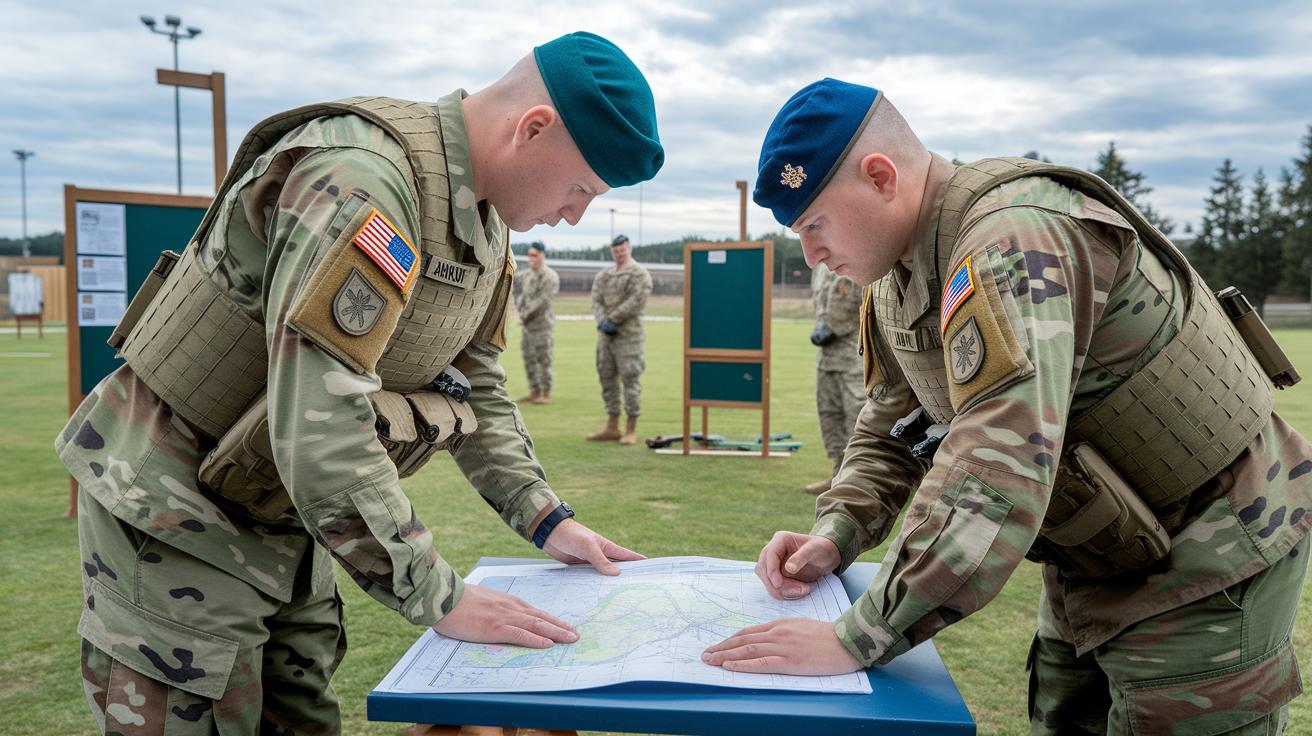
The handbook explains that strong leadership in our forces comes from smart decisions and solid physical training. It shows that critical thinking helps soldiers quickly process important details in tough situations. The guide sets out a plan where every training session mixes physical drills with mental challenges. For example, soldiers might work on exercises to boost their operational intelligence, much like an officer reviews maps and mission briefings before a deployment.
The manual also recommends studying clear case studies and after-action reports to sharpen reasoning skills. It encourages you to closely examine evidence, spot planning mistakes, and adjust strategies based on what you find. These steps build both confidence and quick decision-making under pressure. The main advice is to make these methods part of your daily routine. Just as tough physical drills strengthen the body, these exercises sharpen the mind, and that balance is key to success on the field and beyond.
Core Critical Reasoning Techniques from the Military Exam Handbook

The handbook explains simple ways to boost your problem-solving skills under pressure. It shows you how to evaluate evidence, much like reviewing a field report. Think of it like checking intelligence data before a mission, every detail matters. This training helps you spot errors and zero in on the facts that count during exams.
It also covers the problem of cognitive biases, which are mental shortcuts that can mislead you. Imagine being in a test where a quick gut feeling might tempt you into a snap answer. The guide recommends checking your facts and looking at other explanations. This step is like verifying your coordinates before moving in on a target, ensuring your choices rest on solid, reliable information.
Another key part is the structured reasoning method. The handbook lays out a clear, step-by-step plan: gather information, compare it with what you already know, and then make a confident decision. Picture this process as planning a military operation, start with solid intelligence, craft your strategy, and then move out with steady precision. Each step builds a strong framework for sharper analytical skills.
The guide also supports continuous learning. It offers sections on upcoming programs, custom programs, executive leadership groups, and even a newsletter focused on leadership development. These features give you the latest updates and peer advice, helping senior leaders fine-tune their methods. Comments like "Assess all the details before acting" reinforce the habit of careful thinking. This mix of practical drills and clear instructions is designed to prepare you not only for exams but also for higher leadership roles in the field.
Study Planning Methods with Critical Thinking in the Military Exam Handbook

This handbook lays out a simple plan to turn your study time into a workout for your reasoning skills. It explains that low-pressure tests, like practice exams and simulation drills, help boost your critical thinking gradually. For example, a NATO study (a research project by military experts) found that both a group getting extra practice and a control group improved their scores over time. This shows that even regular testing sharpens your mind.
The secret is to mix focused critical thinking drills with your regular review sessions. Start small: set aside a little time each day to work on puzzles or analyze a tough document. One idea is to block 30 minutes every evening for simulation tests, much like a drill sergeant schedules physical training. This method helps you learn to think fast when the pressure is on.
A good study plan might include:
- Daily puzzles that challenge your thinking
- Weekly test simulations using sample questions
- Regular review sessions to go over mistakes and refine your approach
Think of review sessions like a mission debrief, they show you what worked and what might need another look. By balancing these sessions with regular, low-pressure tests, you stay engaged without feeling overwhelmed. When you keep up this routine, each small effort builds your overall strength and readiness for tough exam scenarios.
Practical Exercises and Drills in the Military Exam Handbook

This handbook gives you hands-on drills that boost your speed, sharpness, and clear thinking under exam pressure. You work with real items like letters, memos, charts, and newspaper articles to practice reading fast and making smart calls, just like running a field operation. One drill even has you study an official letter under a tight time limit. For example, candidates once uncovered key details in a memo in under three minutes, proving that quick analysis really makes a difference.
These exercises are built to mimic the tough conditions of the exam and train you to pull out vital facts when it counts. They help prevent you from rushing through questions without fully understanding them. With regular practice, you build the confidence and mental agility that serve you well on test day and in real-life decisions.
| Drill | Focus |
|---|---|
| Document analysis with official letters | Spotting key details quickly |
| Memorandum critical review sessions | Noticing subtle details and trends |
| Chart and graph interpretation tasks | Reading data accurately |
| Newspaper article argument critique | Identifying logical errors and biases |
| Timed scenario-response simulations | Handling time pressure while analyzing situations |
| Group-based debrief exercises | Encouraging discussion and fresh insights |
Each drill is a focused practice to help you fine-tune your decision-making and sharp thinking. Every session is a step toward exam success and better real-life choices.
Cognitive Assessment Approaches in the Military Exam Handbook

The handbook gives you a simple plan to test how you think under pressure. You face 25 multiple-choice questions from a test called the Collegiate Learning Assessment (CLA+). Your score can range from 400 to 1600. Think of each question as a checkpoint on a mission, checking different parts of your thinking.
In the Scientific & Quantitative Reasoning section, you work with numbers and data, almost like quickly reviewing crucial mission intel. For example, one candidate looked at a set of charts and picked the best answer in record time, showing quick and sharp decision-making.
The Critical Reading & Evaluation part asks you to break down written passages. Imagine flipping through a field report with the clock ticking, where every word could hide an important clue. This section helps you spot facts and assumptions fast.
Then there’s the Critiquing an Argument section. Here, you analyze debates and back up your choices with clear evidence, much like evaluating orders during a briefing. It trains you to see both strong points and weak spots in any argument.
| Domain | Item Count | Score Range |
|---|---|---|
| Scientific & Quantitative | 8 | 400–1600 |
| Critical Reading & Evaluation | 9 | 400–1600 |
| Critiquing an Argument | 8 | 400–1600 |
Each of these sections acts as a focused drill that shows you where you might need a bit more practice. When you work on these skills, you build the strength needed not just for the test but also for making smart decisions on the field.
Error Analysis and Debrief Strategies in the Military Exam Handbook

This part of the handbook lays out easy ways to review mistakes and track your progress. It explains how to study your errors using simple tests like paired t-tests (a method that checks your performance before and after drills), 2-way mixed ANOVAs (a test to see how different factors work together), independent-samples t-tests, and one-way ANOVAs. These tools help you figure out what needs extra work. For example, one drill showed clear gains when a candidate compared scores from before and after the exercise. One candidate even said, "I noticed a consistent gain in my scores after breaking down my errors," something that might sound familiar to you.
The handbook also reminds you that even if you improve, factors like who volunteers and individual levels of motivation can change the results. It suggests having debrief sessions that pull everyone in, maybe with a bit of recognition or small rewards. These meetings help you review every mistake in detail, just like a debrief after a field exercise where every bit of feedback counts.
Here’s a quick checklist from the handbook:
- Review your test errors using clear, simple statistical methods.
- Share what you learned during team debriefs.
- Track your performance trends over time.
This step-by-step plan sharpens your mental skills and helps you fine-tune your abilities, much like switching tactics during an actual mission.
Advanced Scenario-Based Strategic Thinking in the Military Exam Handbook
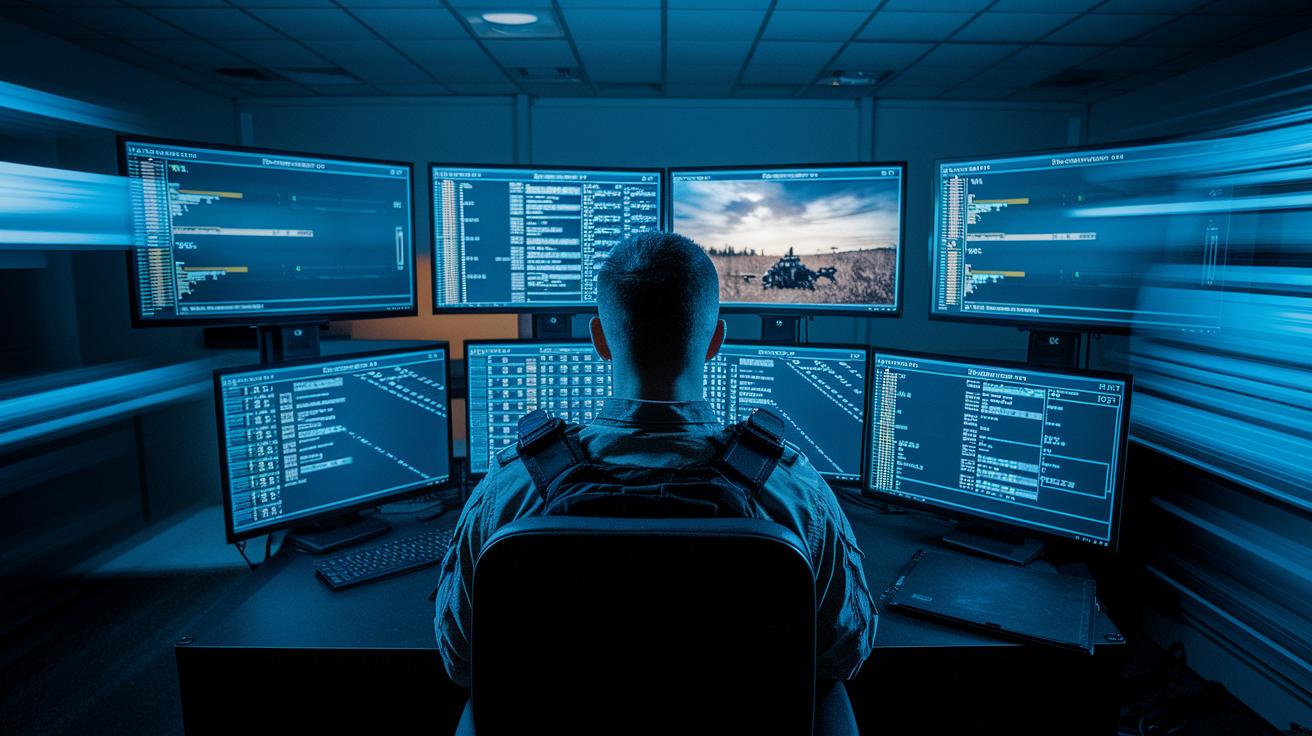
These training exercises take you way beyond basic drills. They push you into real-world, high-pressure situations where quick, smart decisions matter. Imagine being suddenly faced with a simulation that forces you to pick the best response out of several options while the situation keeps changing. It’s like being in the thick of it, where you have to think fast.
This stage of training isn’t about simple timed tasks anymore. Instead, you face unpredictable challenges like those on real missions. The goal is to develop muscle memory for making split-second calls. Picture a drill where you must weigh multiple factors, like choosing a safe extraction route while new dangers pop up all at once. It’s a true test of your ability to adapt quickly.
These scenarios turn basic reasoning into a strategic playbook that’s built for field conditions. They mirror the real world, forcing you to constantly juggle risks and rewards. Moving from basic drills to these advanced scenarios not only sharpens your instincts, but it also gears you up for the unexpected in the field.
Final Words
In the action, this post broke down key elements of our guide. It covered reasoning techniques paired with study planning methods, practical drills, and hands-on error analysis. We also looked at scenario-based exercises, all designed to boost mental acuity and exam readiness. Remember to use military exam handbook critical thinking strategies to sharpen your approach. Every step builds confidence and readiness, stay focused and keep advancing with determination.
FAQ
What are Army critical thinking examples?
Army critical thinking examples show how service members use structured reasoning in everyday operations, such as analyzing memos and strategic plans, to solve complex problems and build better leadership skills.
What is meant by Army critical thinking regulation?
Army critical thinking regulation defines guidelines that standardize how soldiers apply structured mental processes and classroom exercises to consistently evaluate situations and improve decision-making.
How does the applied critical thinking handbook work?
The applied critical thinking handbook provides proven strategies and hands-on exercises that help soldiers develop their reasoning skills, refine their decision-making, and prepare for demanding exam scenarios.
What does the Army critical thinking test assess?
The Army critical thinking test assesses how effectively soldiers use structured analysis, evaluate information, and make sound decisions under pressure, ensuring they can handle mission challenges.
What is detailed in the Ufmcs red team handbook?
The Ufmcs red team handbook presents methods that encourage alternative thinking and realistic scenario testing, offering frameworks to challenge assumptions and improve operational judgment.
What can be found in the critical thinking mastery PDF?
The critical thinking mastery PDF contains step-by-step exercises, clear examples, and review materials designed to build analytical skills and support effective decision-making in stressful situations.
How does the red team thinking PDF support training?
The red team thinking PDF outlines practical exercises that focus on questioning conventional norms and simulating high-pressure scenarios to enhance rapid analysis and decision-making skills.
What is the Army leadership requirements model?
The Army leadership requirements model details the essential competencies and expectations for effective leadership, combining strategic reasoning with operational skills to prepare soldiers for command roles.
metoprololo
metoprololo
ivermectin for human
ivermectin for human
zoloft generic tablet
zoloft generic tablet
furosemide for dogs 20mg
furosemide for dogs 20mg
vibramycin for tooth infection
vibramycin for tooth infection
vidalista tadalafil tablets
vidalista tadalafil tablets
doxycycline monohydrate used for chlamydia
doxycycline monohydrate used for chlamydia
metronidazole 500 cost
metronidazole 500 cost
acyclovir 400 mg tablet pink
acyclovir 400 mg tablet pink
ivermectin mechanism analysis
ivermectin mechanism analysis
minoxidil foam vs liquid effectiveness
minoxidil foam vs liquid effectiveness
vardenafil 20 mg tablet info
vardenafil 20 mg tablet info
augmentin amoxicillin clavulanate
augmentin amoxicillin clavulanate
OnsetWithAlcohol
OnsetWithAlcohol
Drug Duration Knowledge Base
Drug Duration Knowledge Base
Why Sildenafil Onset Is Slow
Why Sildenafil Onset Is Slow
Sildenafil Variability Overview
Sildenafil Variability Overview
Compare Sildenafil and Avanafil
Compare Sildenafil and Avanafil
Sildenafil vs Cialis Duration Comparison Resource
Sildenafil vs Cialis Duration Comparison Resource