
Ever thought about pushing past your limits? British military fitness isn’t like your run-of-the-mill workout. Each session turns simple exercises, push-ups, sit-ups, burpees, into a test of real grit and determination.
With ex-military trainers showing you the ropes in open parks, you burn loads of calories while sharpening your body and mind. This blog shows you how a strict, no-shortcuts approach drives top performance, giving you a clear, structured way to boost your fitness and measure your endurance every step of the mission.
British Military Fitness: Fuel your peak performance
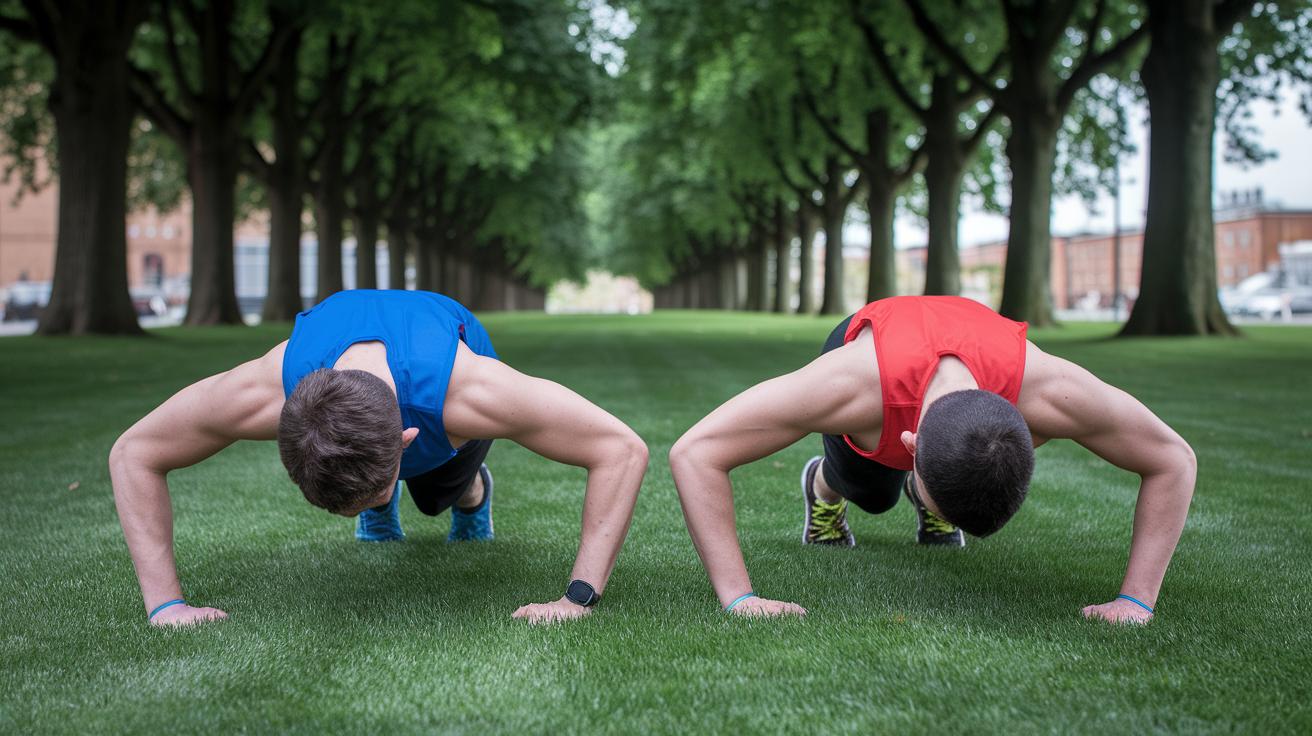
British Military Fitness is a tough bootcamp that offers a full-body workout for anyone looking to push their limits. Led by former military instructors in UK parks throughout the year, these outdoor sessions bring a taste of active duty training right to you. Each 60-minute session is non-stop, filled with exercises like push-ups, sit-ups, squats, burpees, and fast-paced running drills that burn around 600 calories per class, sharpening both your body and mind.
They use a simple bib-color system so you know where you stand. Beginners wear blue, while those ready for more challenge switch to red or green. This clear cue makes it easy to adjust the workout to your level and set a clear path for progress. And yes, the training is strict, you give it your all, with every drill executed with military precision and a commitment to no shortcuts.
For more ideas on military fitness routines, check out the extra resources available. British Military Fitness combines structured exercise circuits with real military know-how, making it a top choice for anyone determined to hit their peak performance. Every session boosts both your personal strength and team spirit, keeping you motivated and ready for the next mission.
Core British Armed Forces Fitness Regimen and Exercise Drills

British Military fitness workouts push you hard with a series of drills that keep your heart racing. Each session follows a strict order, much like a military training module, with almost no break between exercises to keep the pace high. It all starts with a dynamic warm-up, think of it as gearing up for a mission. For example, you might begin with arm swings and leg kicks to get your muscles fired up, just like soldiers preparing for patrol.
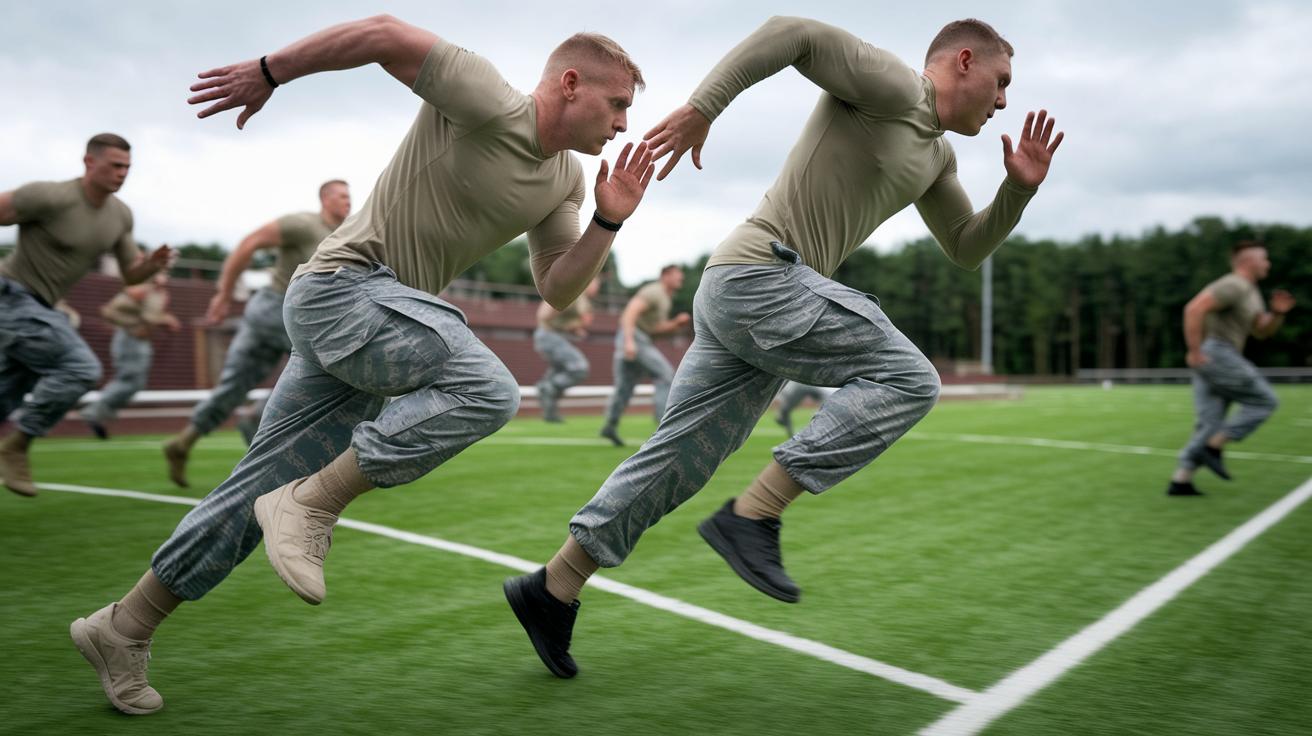
The drills mix bodyweight exercises with agility sessions. You’re doing push-ups and sit-ups in sets that challenge your endurance, doing lunges and squats as paired moves, and throwing in burpees as quick, timed bursts to keep you moving nonstop. Short sprints over 100 and 200 meters boost your speed and agility, while team leopard-crawling relays and partner resistance carries add a fun, competitive twist.
Each drill is designed to build strength, resilience, and stamina. With a mix that hits every muscle group, boredom isn’t an option. The key components include:
- Push-ups (max-rep intervals)
- Sit-ups (timed sets)
- Squats and lunges (bodyweight supersets)
- Burpees (interval sprints)
- 100-m and 200-m sprint drills
- Team leopard-crawling relays
- Partner resistance carries
- Dynamic warm-up and cool-down stretches
This workout demands focus and hard work, pushing you to give your best every time with almost no rest. It's like a real-life training drill that builds you up both physically and mentally.
Tactical Strength Training and Endurance Standards in British Military Fitness
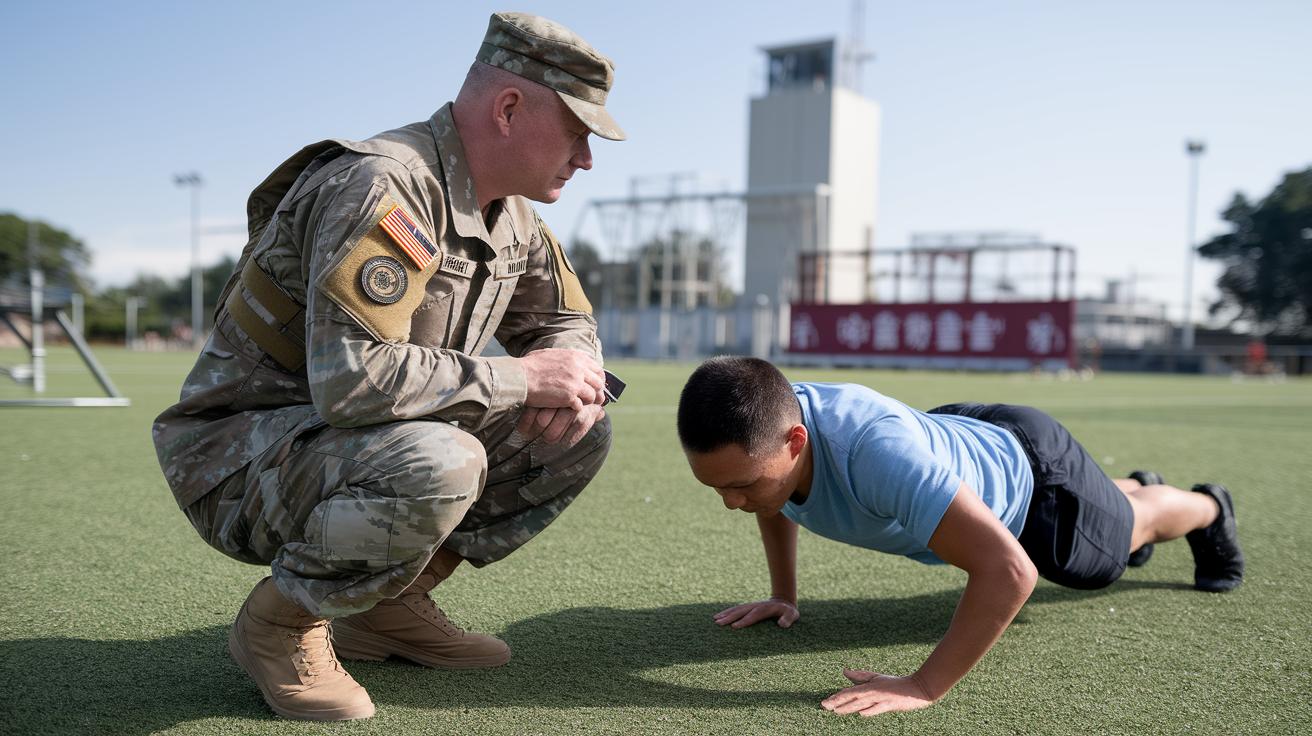
British military fitness sessions push you to build both strength and endurance. They use the Army's Personal Fitness Assessment (PFA) standards, which set clear goals for activities like a 2 km run, press-ups, sit-ups, and plank holds. Each drill is designed to make you work hard, and a typical session can burn between 400 and 800 calories.
Ex-military instructors run these workouts with a strict rule against shortcuts. They keep everyone moving together and make sure you stick to proper technique. When you're doing press-ups or holding a plank, you're not just burning calories or building muscle, you’re meeting the same tough standards that show you’re ready for duty.
These tests form the heart of the strength and endurance training plan. Every repetition and every run is checked against official benchmarks to help track your progress and keep you motivated. The table below breaks down how common exercises compare to the PFA standards:
| Exercise | British Army PFA Standard | Approx. Calorie Burn |
|---|---|---|
| 2 km run | Under 10 mins (varies by age/gender) | 250 |
| Press-ups | Minimum 42 in 2 mins | 100 |
| Sit-ups | Minimum 50 in 2 mins | 70 |
| Plank | 2 mins hold | 30 |
Hitting these targets builds the discipline and toughness essential for military strength training in the UK.
Nutrition, Recovery, and Injury Prevention in British Military Fitness
Good food is a soldier’s best buddy when it comes to managing weight and boosting overall fitness. The BMF tips suggest mixing up proteins, carbs, and fats (types of nutrients) to help muscles bounce back after hard sessions. Think lean chicken or fish for muscle repair and whole grains for the extra fuel needed during intense drills. And don’t forget to drink plenty of water before, during, and after your workout, like topping up an engine to keep everything running smoothly.
Recovery is just as important as training hard. Simple techniques like foam-rolling and dynamic stretching help reduce muscle soreness (DOMS) and lower the risk of injuries like shin splints and tendonitis. A quick warm-up with leg swings or arm circles gets your muscles ready for action. After a grueling session, foam-rolling works almost like a deep tissue massage to ease tight muscles and keep injuries at bay.
Staying on top of regular health assessments is another solid way to prevent injuries. Using something like the PAR-Q health screening (a quick health check) can pick up any hidden issues early. Plus, stress drills with focused breathing exercises help you relax and keep your sharp mind during high-pressure moments, just like a quick mental reset before a critical task.
Rest days are built into the plan too, giving your body a well-deserved break to rebuild and recover. These days help ensure that every workout comes with fresh strength and focus. All in all, combining smart nutrition, good recovery habits, and careful injury prevention creates a strong framework for lasting fitness and overall well-being.
Group Dynamics and Social Motivation in British Military Fitness Classes

In our British Military Fitness classes, group workouts bring everyone together like a well-coordinated squad. These sessions feel like a mission, complete with events such as leopard-crawl relays and team sprints that push each of us to our limits. One instructor explained it perfectly: "Think of a squad coming together to conquer a tough obstacle course, that’s exactly what our team sprints feel like."
Every month, we mix things up with social runs, pub meet-ups, and adventure outings. These events help newcomers shake off their nerves and jump right in. With our unique bib-color system, small groups are formed to support each other, blue, red, or green, with everyone sharing tips and celebrating progress together.
| Activity | Benefit |
|---|---|
| Group physical training sessions | Boost overall motivation |
| Service fitness classes | Create an inclusive atmosphere |
| Unit workout strategies | Enhance team unity |
| Combat fitness challenges | Forge strong bonds |
These group activities not only ramp up physical performance but also build the genuine camaraderie and support system that keeps us all firing on all cylinders.
Comparing British Military Fitness to Civilian Boot Camp and Gym Programs

British Military Fitness isn’t like the usual indoor circuit sessions where you get a break between each station. Instead, it pushes you through non-stop, intense workouts that leave little room for rest. Imagine a drill run that lasts the whole time, challenging you to keep your heart pumping high, much like what you experience on real duty.
Unlike regular HIIT routines that depend on quick bursts and quick rests, British Military Fitness focuses on teamwork and strict discipline led by ex-military instructors. Everyone in the group moves together, creating a strong sense of accountability. Think of it as a full-body drill that flows continuously, keeping you active and burning extra calories, rather than a series of separate exercises you might do at a normal gym.
This training style has been winning over folks for over 25 years in the US, with the UK following suit since around 2005-06. What started as a niche trend soon became a top fitness choice by 2009. Overall, training in this military style often burns more calories than your typical gym workout, giving servicemen and fitness enthusiasts a smarter way to stay in shape.
How to Adopt a British Military Fitness Routine for Civilians and Recruits
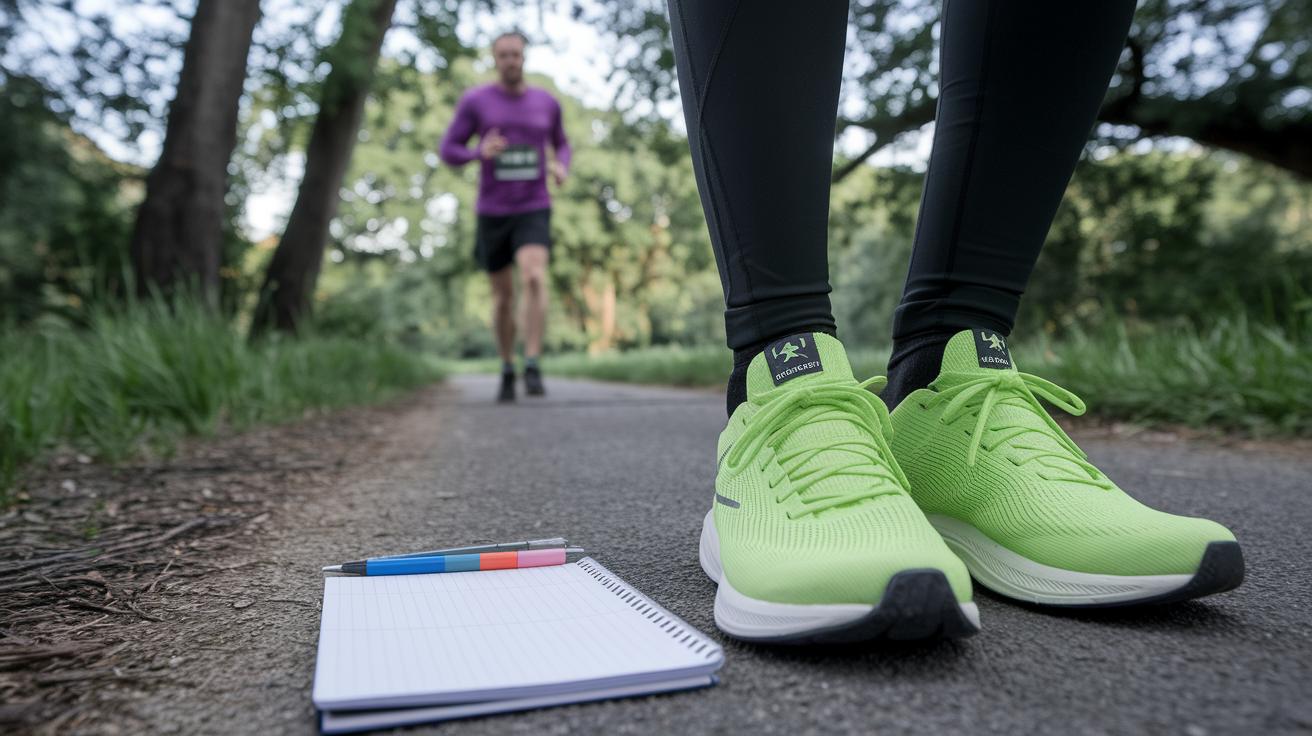
Start by doing a self-fitness test (like a self-PFA) to see where you stand. This quick check helps you set realistic goals. Then, scout out local park trails that feel like a training ground. Pick a route with hills or varied terrain to keep your workout interesting.
Plan for 2 to 4 workouts each week and stick to a regular time, either early morning or evening, to build a strong habit. If you work with a buddy, you might use a bib system to organize your drills. On your own, try tracking your progress in a notebook or with simple color codes that show how hard you pushed.
Once you’re comfortable with the routine, slowly ramp up your workouts. Try increasing your run by about 10% each week. At the same time, add a few more strength exercises. For example, if you start with 20 push-ups, aim for 25 next time to keep your body challenged.
Staying disciplined is key. Lock in set times for each session and keep a log of your progress. Make sure you include rest days so your body can recover. Think of each workout like a training drill: plan, execute, and then review how it went before moving on.
Essential Gear and Apparel for British Military Fitness Workouts
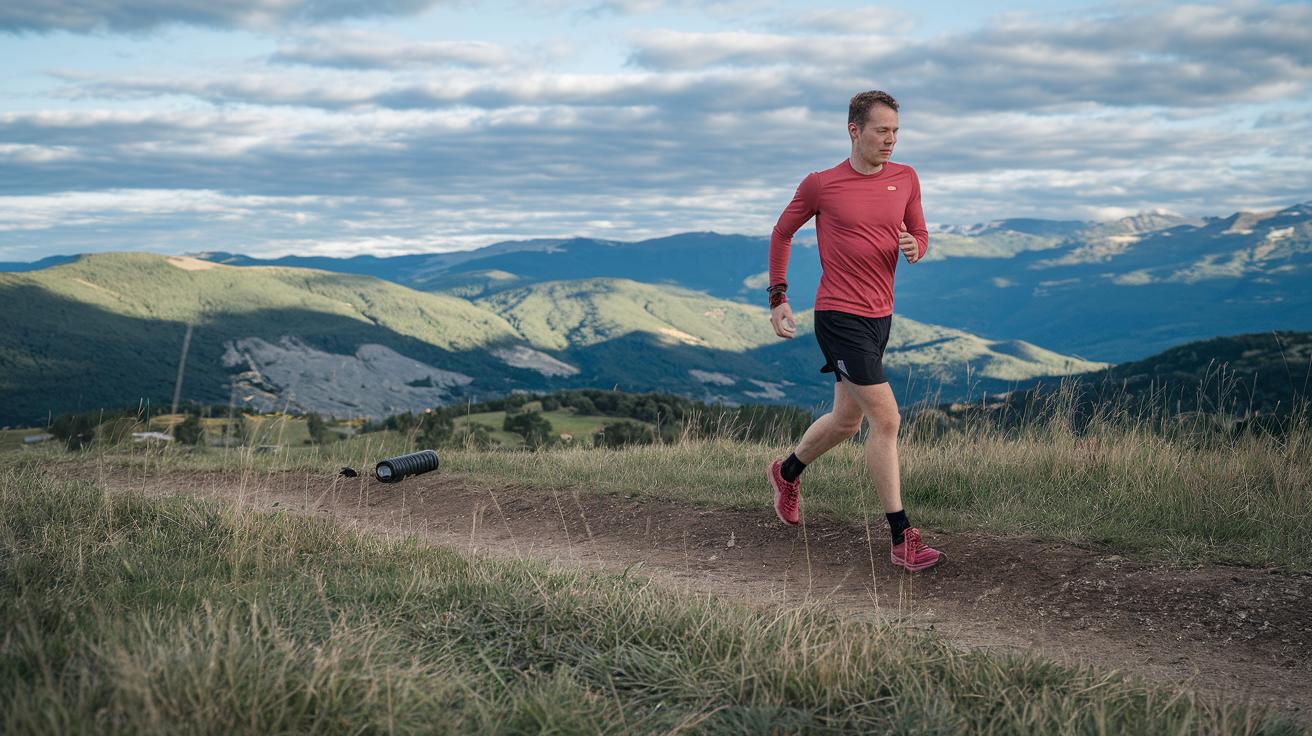
Your gear is the secret to a safe, effective workout without needless injuries. First up, grab a solid pair of trail-running shoes that grip well on uneven ground, imagine stepping out with reliable footing like in a tough field exercise.
Next, layer up with moisture-wicking fabrics that pull sweat away, keeping you dry even when the training heats up. And when cold weather hits, switch to a windproof jacket paired with a thermal base layer; it's like gearing up for any unpredictable mission.
For recovery and strength drills, don’t forget essentials like foam rollers, resistance bands, and agility ladders. These tools help you stretch and build muscle, much like running through a well-prepared training routine. Each piece of equipment is built tough, so every drill feels supported, just what you need to keep pushing forward.
Final Words
In the action, we covered how this bootcamp-style program structures rigorous drills, teamwork, and recovery protocols. The post highlighted step-by-step methods to adapt and succeed in personal training sessions that boost both endurance and strength.
We discussed gear cautions, nutrition tips, and the discipline behind group workouts. Your preparation for britsh military fitness reflects hard work, resilience, and a clear path to readiness. Keep pushing forward and trust your process.
FAQ
Q: What does British military fitness near me mean?
A: When you look for British military fitness near me, you’re searching for local training groups offering bootcamp-style workouts led by ex-military instructors, often held outdoors in community parks.
Q: What do British military fitness exercises and the BMF workout include?
A: British military fitness exercises include push-ups, sit-ups, burpees, lunges, and sprint drills. The BMF workout uses these drills in strict, no-shortcut sessions to build endurance and strength.
Q: What does the British military Fitness Test involve?
A: The British military Fitness Test involves a mix of cardiovascular runs, press-ups, and sit-ups, echoing the Physical Fitness Assessment standards for evaluating overall strength and endurance.
Q: What is a British Army fitness plan PDF?
A: A British Army fitness plan PDF provides structured workout schedules, clear exercise instructions, and progression guidelines that mirror the physical training standards used by the Army.
Q: What is outdoor military fitness?
A: Outdoor military fitness means performing bootcamp-style drills in open-air settings like parks. These workouts use natural terrain to simulate field conditions while promoting continuous movement.
Q: What is British Military Fitness at Heaton Park?
A: British Military Fitness at Heaton Park refers to specific outdoor sessions held at that location, where participants engage in intensive, community-based workouts in a sporty atmosphere.
Q: What is meant by BMF gym?
A: The term BMF gym often refers to facilities or sessions where British military fitness practices are adapted for gym environments, focusing on group workouts and endurance drills rather than heavy weight training.
Q: What does a 12-week Army training program involve?
A: A 12-week Army training program lays out a clear, progressive plan with military-style drills to build strength, stamina, and discipline, helping participants improve steadily over time.
Q: What happened to British military fitness?
A: Asking what happened to British military fitness usually means examining its evolution, from strict military protocols to more accessible, community-driven bootcamp sessions available today.
Q: Who owns British Military Fitness?
A: The ownership of British Military Fitness lies with the organization founded by ex-military instructors who continue to run disciplined outdoor bootcamp sessions, keeping true to military training traditions.
Q: Do the British Army train you physically?
A: Yes, the British Army trains you physically with structured routines, fitness tests, and drills designed to build strength and endurance, closely resembling the intense conditions of bootcamp workouts.