
Ever feel like your study routine isn’t quite cutting it when exam pressure is on? Modern military tests call for flexible, responsive ways to prep that adjust with you as you improve. With adaptive learning, live online sessions, and smart computer drills, every study minute counts more as you get better. In this read, we break down how these methods help you focus on what matters most. Get ready to change the way you prepare for tests and take your skills to the next level.
Personalized Adaptive Approaches for Military Test Preparation
Our adaptive learning system for military exam prep mixes live, online ASVAB sessions with smart, data-based study plans. These methods change the question difficulty as you improve, making sure you focus on your own strengths. You’ll get real-time progress updates and tailor-made feedback to guide every practice session.
Test prep today is all about computer-based practice tests that mimic real exam pacing, paired with smart scheduling to make your review sessions count. Online tutoring adjusts the lessons to match your needs and builds focused drill sets that hit the mark. This approach follows proven military test strategies and keeps you moving forward.
- Live online ASVAB sessions that tweak your study plan in real time
- Computer-based practice tests that reflect real exam timing
- Data-driven systems that adjust question difficulty based on your work
- Smart scheduling that optimizes when you study and review
- Digital dashboards that deliver steady, personalized feedback
By combining these adaptive strategies, you step into a learning environment that feels just like the real test. The mix of personal tutoring, performance tracking, and adaptive assessments creates a study routine that fits your strengths perfectly. This method targets weak spots while boosting your strong areas, helping both recruits and veterans confidently tackle modern military exams with strategies that grow alongside your progress.
Technology Tools for Adaptive Military Exam Preparation

Technology today makes studying feel a lot like a hands-on training session. Imagine a digital dashboard that shows your progress in real time, as clear as a neat briefing before a mission. Interactive video tutorials come with quizzes that adjust based on your answers, ensuring your study drills always match your current performance. And there’s simulation software that creates a timed test environment, giving you instant feedback, just like a quick debrief after a field exercise. Plus, precision analytics tools help you spot any areas where you might be falling behind, whether in reading, math, or other key skills (like AR, MK, WK, PC, or GS).
Below are some key tools that can help sharpen your exam prep:
| Feature | Description |
|---|---|
| Digital Dashboards | Display your progress section by section in real time |
| Interactive Tutorials | Offer quizzes that change with your responses |
| Simulation Software | Mimics a timed exam setting and provides immediate feedback |
| Analytics Tools | Pinpoint your weak spots to help focus your training |
These tools set your pace and guide your study drill, making exam preparation as straightforward and effective as a well-planned mission.
Crafting Personalized Study Schedules
When you're gearing up for military tests like the ASVAB, your study schedule is your mission plan. A good plan breaks tough topics into small, clear modules so that learning becomes more manageable. This structured approach helps you zero in on areas where you need the most practice using your test scores, whether it's sharpening your arithmetic skills or building a stronger vocabulary.
- Break study materials into clear modules (for example, MK, AR, WK) so you know exactly what to work on.
- Create a custom study calendar that fits your day-to-day routine and uses your test scores to set priorities.
- Use spaced repetition by scheduling regular review sessions to keep the key ideas fresh in your mind.
- Carve out time for intensive review sessions, almost like a bootcamp, to quickly cover tougher sections like PC and GS.
- Take timed practice tests that mirror the real exam to build comfort with the pace.
- Focus on drill sets that target high-error topics from your score reports to fix recurring mistakes.
Following these steps gives you a study plan that’s both solid and flexible enough to grow with you. Keeping a regular study calendar and testing your progress often ensures you stay on track. For more guidance on creating this structured preparation routine, check out the step by step military test preparation guide. This approach builds your confidence and hones in on exactly where you need improvement, setting you on the right path to success.
Revision Tactics and Simulation Exercises
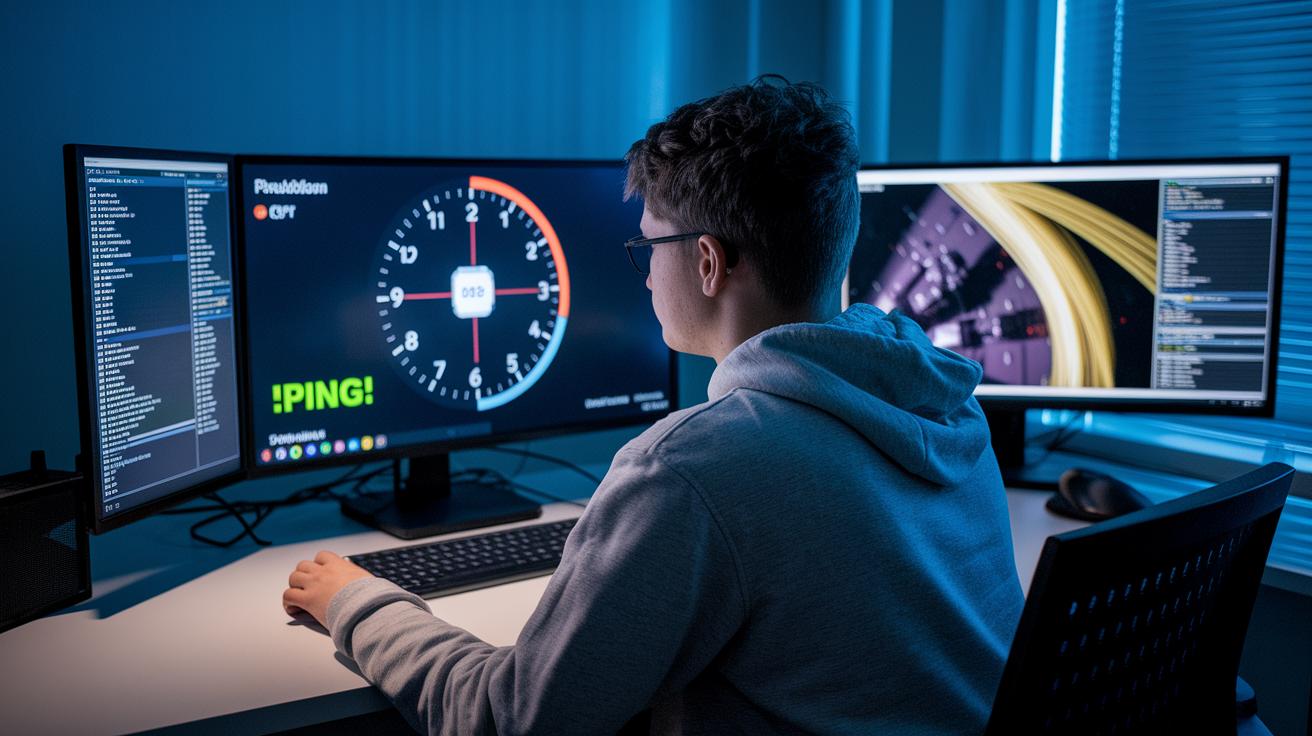
You already use spaced repetition and focused drill sets in your study routine. Now, adding simulation exercises gives you a new way to test your skill under real-life-style conditions. Imagine that sudden countdown alert, your timer drops unexpectedly, and you must act fast.
- Keep using spaced repetition to review important topics.
- Set up timed practice tests that feel just like the real deal.
- Run drills that target your trickiest areas.
- Mix in simulation software that throws in surprise time cues.
- Take part in readiness drills that build both endurance and speed.
When you combine these simulation details with your personalized study plan, you create a solid, unified approach. This isn’t just about repeating what you already know, it sharpens your mental agility when surprises come up. Picture a simulation that kicks off with an unexpected sound, pushing you to refocus and pick up the pace.
Continuous Feedback Mechanisms and Stress Management
Adaptive learning tools boost your skills by explaining each answer as soon as you respond. They help cut through confusion right away, which in turn calms your nerves before the exam even begins. Imagine checking your progress and feeling more in control with every correction, it really turns a mistake into a win.
Have you tried mixing in a few quick mindfulness breaks during your drills? Just a moment to focus on your breathing after a practice round can help slow things down and keep your focus sharp.
- Instant answer explanations to clear up mistakes quickly
- Timed practice drills that get you used to testing conditions
- Step-by-step performance markers on digital dashboards that build your confidence
- Short mindfulness breaks during exercises to ease stress
By pairing quick feedback with little relaxation moments, you build a balanced routine that keeps you cool, even when the pressure is on.
Final Words
In the action, the article detailed personalized approaches, highlighting adaptive study tools, digital progress tracking, structured study schedules, revision tactics with simulation exercises, and continuous feedback mechanisms. It showed how each element sharpens mental clarity, boosts readiness, and eases exam stress.
Keep pushing forward with adaptive learning strategies for military exam success and use these methods to build your confidence. Stay mission-ready with a focus on smart, personalized prep that drives lasting success on your tests.
FAQ
How do personalized adaptive approaches improve military test preparation?
Personalized adaptive approaches improve military test preparation by adjusting study plans based on your strengths and performance. They feature live online sessions, computer-adaptive tests, and data-driven feedback that keep your practice targeted and efficient.
What digital tools support technology-enhanced military exam preparation?
Technology-enhanced military exam preparation is supported by digital dashboards, interactive video tutorials, simulation software, and precision analytics that monitor progress, spot difficulties, and help you adjust your study focus in real time.
How can I craft a personalized study schedule for the ASVAB?
Crafting a personalized study schedule for the ASVAB means breaking topics into modules, using custom calendars, applying spaced repetition, and scheduling timed mock exams to reinforce your understanding and mirror actual exam conditions.
What revision tactics improve readiness for military tests?
Revision tactics improve military test readiness by using spaced repetition, conducting timed mock exams, practicing targeted drill sets, and engaging in simulation exercises. These methods help build familiarity with exam conditions and boost memory retention.
How do continuous feedback mechanisms ease exam anxiety and boost performance?
Continuous feedback mechanisms ease exam anxiety by offering immediate answer explanations, setting achievable performance targets, and providing realistic practice sessions. This approach builds confidence and quickly addresses any misunderstandings.