
Have you ever thought about whether our fitness tests really match the challenges of combat? Lately, new test updates have been stirring up conversation among our ranks.
These changes are designed to give everyone a fair shot, cut down on injuries, and boost our overall readiness for the mission ahead. Recent numbers even show that pass rates between men and women can be quite different, which tells us a fairer system might be needed.
In this briefing, we take a closer look at these smart updates and explore what they mean for every soldier. We even break down how these changes could affect your training and performance on the field.
Overview of Analysis of Recent Military Test Changes

The Army Combat Fitness Test was set up to check how strong, powerful, and agile you are by using six specific challenges. It did a fine job measuring those skills, but it missed a key point, flexibility, which is vital for avoiding injuries. Data from past tests showed that enlisted men passed between 83% and 92%, and male officers even did a bit better at 86% to 96%. In contrast, enlisted women passed only 41% to 52% of the time, and female officers ranged from 49% to 72%. RAND Corporation reviewed nearly one million test attempts over 18 months to get these insights.
Let’s break down the six main events in the test:
- 3 Repetition Maximum Deadlift (MDL) – checks lower body strength, grip, and core stability.
- Standing Power Throw (SPT) – measures explosive power.
- Hand-Release Push-Ups (HRP) – tests upper body and core endurance.
- Sprint-Drag-Carry (SDC) – evaluates overall strength, endurance, and agility.
- Plank (PLK) – gauges core endurance and balance.
- Two-Mile Run (2MR) – measures aerobic endurance (how well your heart and lungs work).
Seeing these different outcomes, especially the lower pass rates among female soldiers, made it clear that the test needed an update. Leaders decided we needed a system that better reflects combat readiness for everyone. That’s why they’re moving from the ACFT to a new Army Fitness Test (AFT) with a revised event structure and scoring system.
Comparing AFT to ACFT Event Changes

The Army Fitness Test was updated so it fits real combat moves and helps lower injury risks. Leaders saw that the Standing Power Throw didn’t really work on the field and could lead to injuries during training. Now, the test is streamlined to five core events that build key strengths, endurance, and body control. This new plan levels the playing field for all soldiers, so everyone has to meet the same standards. Think of it like tweaking your workout to match the real challenges you face, small changes that make a big difference.
| Event | ACFT Function | AFT Function |
|---|---|---|
| MDL | Checks lower-body strength, grip, and core stability. | Looks at the same strengths with extra focus on safety. |
| HRP | Tests upper body and core endurance. | Keeps its role in checking muscle endurance. |
| SDC | Measures overall strength, endurance, and agility. | Continues to test endurance and dynamic power. |
| PLK | Measures core endurance and balance. | Stays focused on building core stability. |
| 2MR | Tests aerobic endurance and stamina. | Checks cardiovascular fitness for long missions. |
| SPT (Removed) | Measured explosive power. | Was dropped because it didn’t help in the field and could cause injuries (Military Exam Format Changes Update). |
The scoring system got a refresh too. Now, the test uses a single, sex-neutral, age-normed scale. Every soldier must score at least 350 points with 60 points in each event. These updates set clear fitness standards for everyone so that every soldier is ready for the mission ahead.
Performance Metric Analysis and Gender Impact of Test Changes

Under the ACFT, you'll notice a big gap in pass rates between genders. Men, both enlisted and officers, did really well, scoring between 83% and 96%. In contrast, enlisted women only hit between 41% and 52%, while female officers scored from 49% to 72%. This difference makes us wonder if sheer strength is the only thing that shows a soldier’s readiness for combat. Experts believe that focusing too much on raw power might leave female soldiers at a disadvantage and doesn't show the full picture of what they can do in the field. A 2022 study in Military Medicine and a report from RAND both suggest adding other fitness areas, like endurance, agility, and flexibility (skills that help you move easily), to better measure a soldier's overall ability. They even say that setting job-specific standards that recognize gender differences could make evaluations fairer.
To make things more comprehensive, consider these changes:
- Include additional fitness areas such as endurance, agility, and flexibility so you get a full look at a soldier’s skills.
- Use gender-specific job standards that understand the different physical profiles and roles of each soldier.
- Check job tasks based on a common standard to ensure every soldier meets the core requirements, no matter their raw strength.
The changes to the new Army Fitness Test (AFT) show an effort to balance fairness with the needs of today’s combat situations. With the updated system, now using a single, sex-neutral, age-based standard that needs at least 350 points overall and 60 points on each event (check out the Military Test Scoring System Updates for more info), the idea is clear. This new approach is built to give a more real look at how soldiers will perform on the battlefield. It moves past just measuring strength, instead taking into account a wide range of physical skills. In this way, the test aims to prepare every soldier more equally for the real challenges they might face.
Implementation Timeline of Test Changes and Strategic Reform Initiatives

The Army Fitness Test is getting a fresh update, and it's being rolled out in clear, easy-to-follow phases. This update is all about modernizing how we check physical readiness and ensuring every soldier gets a fair evaluation. The plan is set out step-by-step to help us all know exactly what to expect. Here’s the timeline:
- Phase 1: Starting June 1, 2025, the new test becomes the official standard for everyone.
- Phase 2: From September to December 2025, combat soldiers who score between 300 and 349 points can choose to have a reclassification (a change in role) along with extra diagnostic tests and counseling.
- Phase 3: Beginning January 1, 2026, active combat soldiers who don't hit the 350-point mark will need to change classification.
- Phase 4: On June 1, 2026, these changes will also apply to the Reserve and National Guard, ensuring every branch is evaluated fairly.
Remember, if you’ve earned points on the ACFT, those scores still count for promotions until September 30, 2025. After that, the new AFT scores will start to impact promotional points and career moves. These updated scores are designed to be sex-neutral (the same for everyone) and age-normed, giving a better overall picture of each soldier's readiness for the field.
Forecasting Future Military Test Changes and Protocol Updates
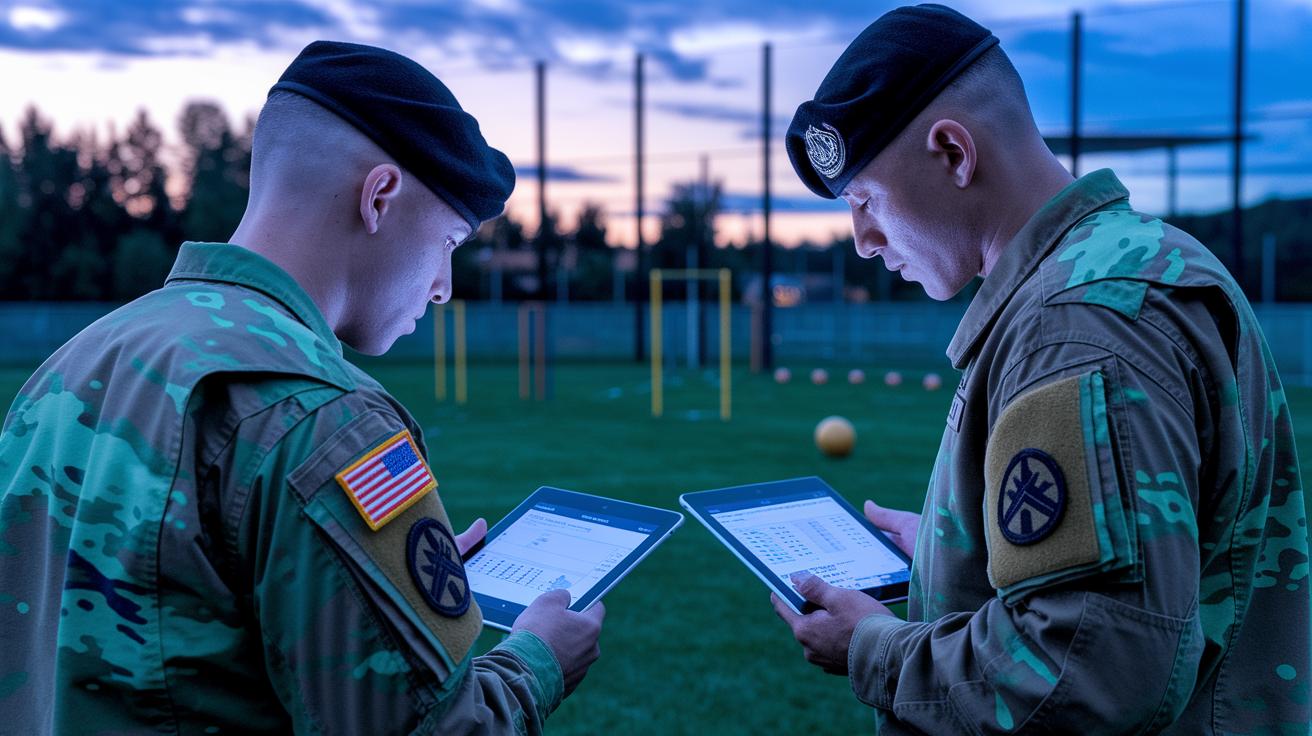
Army leaders plan to review our fitness standards every three to five years. They keep an eye on new data from the field and fresh research to guide these reviews. This timeline makes room to adjust our evaluation plans so they stay up-to-date with the latest training methods. They even use innovation tracking systems to capture lessons learned, ensuring our protocols are practical and ready for today’s challenges.
Looking forward, experts are considering adding more fitness tests. For example, they might add flexibility checks and tasks like shooting drills, obstacle courses, casualty evacuation, and ruck marching. These tasks show the complete picture of what soldiers need in combat. SiteWell Solutions, working under the SWIFT program (Contract #W912TF22C0001), is helping push forward projects in injury prevention and performance training. Their work is paving the way for broader updates across our military assessments.
Final Words
In the action, we reviewed the shifts in Army fitness tests, from the ACFT’s detailed structure and performance data to the streamlined AFT with its uniform scoring system. We looked at key changes, including the removal of the Standing Power Throw and important updates aimed at fairness and readiness, supported by recent military test changes analysis. These updates reflect real efforts to balance physical standards and gender considerations. The future looks promising as the military continues to adapt and refine its testing methods for success.
FAQ
Q: Why will Army’s new PT test change everything?
A: The Army’s new PT test changes everything by shifting to a more balanced approach that covers strength, endurance, and agility. This update aims to improve fairness and reduce injury risks on the field.
Q: Is the Air Force switching to a 2 mile run?
A: The idea of the Air Force switching to a 2-mile run is being discussed as part of a broader move toward consistent endurance standards. No firm decision has been announced by officials yet.
Q: What are the new changes to the ACFT?
A: The new changes to the ACFT involve removing the Standing Power Throw due to injury concerns and limited operational use. The focus now is on core events like the deadlift, push-ups, sprint-drag-carry, planks, and the two-mile run.
Q: Is the new Army Fitness test gender neutral?
A: The new Army Fitness test is gender neutral by using a single, age-normed scoring system for all soldiers. This approach aims to set uniform standards, making sure every service member is evaluated fairly.