
Ever wonder why some exam days feel smooth while others feel rushed? Picture having a clear plan that guides you step by step, from a final gear check to a smart travel plan. In our guide, we show you easy steps to boost your confidence and keep distractions away.
This isn’t just about showing up. It’s about setting the scene so you can do your best with a few simple, smart strategies. Stay with us as we go over the top tips for exam day, helping you stay focused and ready no matter what comes your way.
Military Exam Day Operational Readiness Checklist
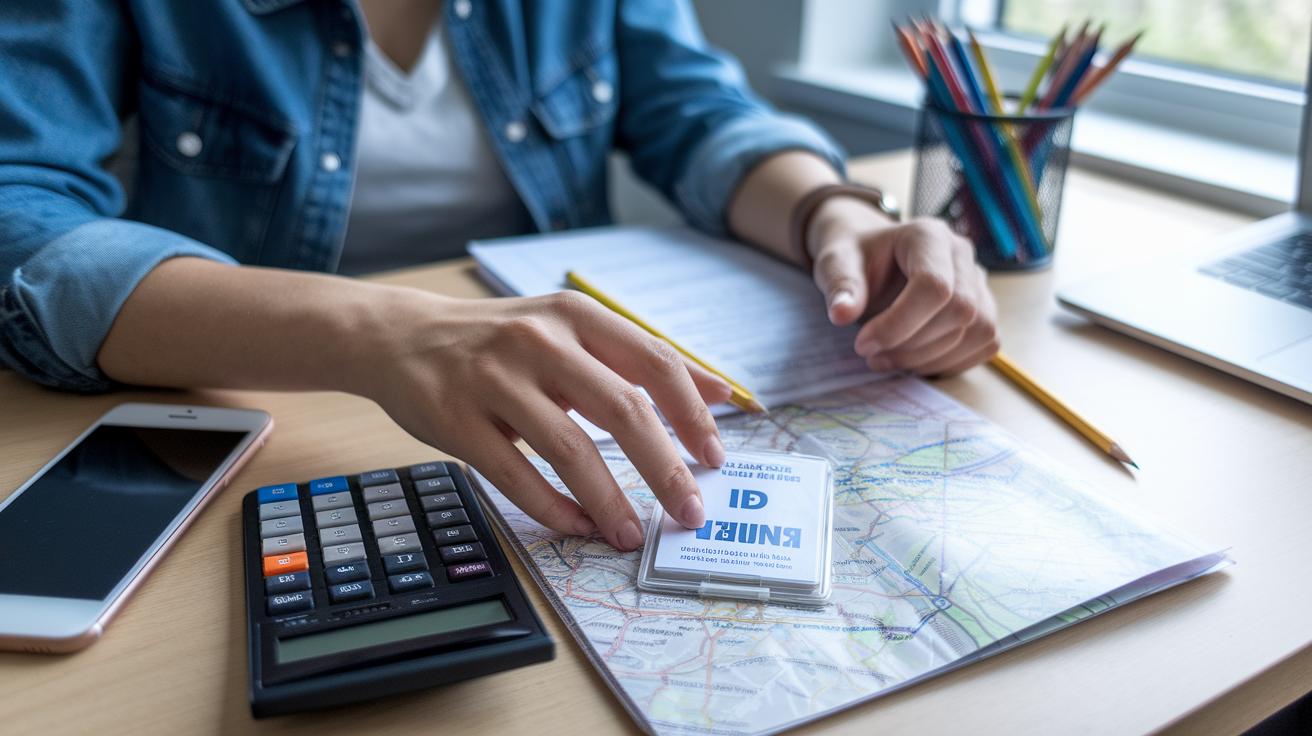
Start by rounding up all the important gear you'll need. Make sure you have your valid ID, pencils, a calculator, and any allowed digital tools ready to go. Also, double-check your exam registration details and test center location well ahead of time. For any registration steps, visit the military exam registration process (https://militaryaptitudetests.com?p=1811).
Before the exam, plan your travel with an extra 30-minute buffer. This little extra time is your safety net in case of delays, think of it as avoiding a last-minute scramble. Map out your route, keeping in mind traffic or public transportation schedules, so you're not rushed when you get there.
It also helps to know the layout of the test center. Familiarize yourself with the waiting area, restrooms, and exam halls to ease any pre-test jitters. If possible, stop by the center or check a map online to get a clear picture.
Your uniform and gear can set the tone for the day. Take a quick look to ensure you're following the official dress code and that everything is regulation. A simple check like this can prevent unexpected distractions once you're there.
Use this pre-exam checklist for a final review:
- Documentation check (ID and exam confirmation)
- Transit plan review (30-minute buffer)
- Location familiarization (layout and facilities)
- Uniform and gear inspection
Following this checklist helps you start the day calm and confident, setting you up for success on exam day.
Scheduling Tactics and Temporal Allocation for Exam Day Success

Imagine your exam day as a mission. Start by setting up a clear timeline covering your arrival, check-in, briefing, exam start, and your breaks. Think of it as a simple map that guides you from one step to the next, making sure you don’t lose any time. A countdown timer on your phone works like a trusty watch during drills.
Block off specific time slots for each exam part. For example, reserve a set period for answering questions and steal a quick 5-minute review session in between. Every minute matters. I like to think of that 5-minute review like a mini drill, short, sharp, and crucial.
Stick to your schedule and don't let procrastination get to you. A neat calendar keeps you moving steadily through the day. Mark your timeline clearly so you know exactly when to switch gears.
Here’s a quick checklist to remember:
- Schedule your arrival and check-in
- Mark time for the briefing and exam start
- Include short review periods to boost recall
With careful planning and steady time blocks, you'll create a good rhythm that helps you perform at your best while avoiding wasted time.
Cognitive Conditioning and Stress Alleviation on Exam Day

Kick off your mental prep with some deep breathing. Breathe in slowly, hold for a count of three, and then let go of the tension as you exhale, like you’re gearing up for a mission. Picture it like this: close your eyes and hear a calm, steady beat, almost like the sound of marching boots.
Before the exam starts, take a minute or two to quiet your mind. Sit down, relax, and imagine yourself answering each question with confidence, like you've run that drill a hundred times before. It’s a bit like mentally rehearsing your routine before heading out.
Try doing a few timed quizzes ahead of time. This will help you get used to the pace of the exam and lower your stress when it really counts. And when you need a quick break during the test, use a short breathing reset for one or two minutes to calm your racing heart and refocus your energy, kind of like pausing in a field drill to check your plan.
Also, keep those positive thoughts flowing. Visualize yourself tackling every question with clarity and precision, like executing a well-planned operation. Trust your training and your instincts.
- Breathe deeply before you start.
- Take a brief moment to clear your mind.
- Picture yourself succeeding with every answer.
During the exam, mix these relaxation techniques into your routine. They help keep you sharp and strong while easing anxiety, so you can stay on target and perform at your best, just like in a real mission.
Nutritional and Hydration Strategies with Sleep Regulation for Peak Alertness

Taking care of your body is a key part of being ready for exam day. Start with a solid breakfast about two hours before your test. Try having complex carbs like oatmeal or whole-grain toast with some protein such as eggs or lean meat. Think of it as fueling up before a big mission.
Keep your energy steady by avoiding sugary snacks and too much caffeine. They might give you quick bursts of energy but can leave you crashing later. Instead, sip on 8 to 12 ounces of water every couple of hours before your test. Drinking water regularly helps keep your mind clear, like recharging your battery.
Getting enough sleep is just as important. Aim for seven to eight hours of good rest by sticking to a regular bedtime routine. Try to cut down on screen time at least one hour before you go to sleep to let your body wind down naturally.
Planning your meals ahead of time makes everything smoother when exam day arrives. With steady nutrition and enough rest, you’re setting yourself up for a successful day.
Simulation Rehearsal and Interactive Examination Prep Techniques

When you're getting ready for a test, try practicing full-length, timed simulations that mimic ASVAB conditions (ASVAB is a test used by the military to evaluate your skills). Imagine yourself in a controlled setting, where every minute truly counts. Set a strict timer for each part, just like you would on the actual test day. It’s like preparing for a mission where every second matters.
Then, spend some time on interactive exam drills. This means you act as if you’re checking your answers right away, sort of like a quick review after each test block. For example, you might try answering 20 questions as fast as you can and then quickly go over any mistakes. This mini review helps improve your speed and accuracy, which are key during a real exam.
Keep a record of your practice results. Write down which areas gave you trouble and any delays you noticed while answering. Think of it like reviewing a battle report after a drill so you know where to improve. This way, you can focus on really understanding the ideas instead of just memorizing answers.
Finally, adjust your study approach based on your practice sessions. Each time, work a bit more on the sections that were challenging. This hands-on method of practice builds your skill and confidence, setting you up to handle any test situation with assurance.
For more advanced tips, check out targeted practice strategies for military cognitive evaluations (a test of how well you think) at the provided link.
Uniform Compliance and Field Protocols During Military Exam Administration

Before heading out, give your uniform and gear one quick once-over like you're prepping for a mission. Get your uniform or allowed gear ready the night before and check to be sure it meets all official standards. This simple step helps avoid any last-minute rush.
Make sure all your approved tools are in good working order. Take a moment to test your calculator by checking its battery, and verify that your watch and other devices are ready to go. This little check can save you from problems during the exam.
When you arrive at the test center, listen up to every instruction from the proctor. Their directions help keep things neat and orderly, so everything goes smoothly.
- Lay out your uniform the night before.
- Double-check that your uniform meets official standards.
- Test your calculator’s battery and check your other tools.
- Listen carefully to the proctor’s directions.
- Follow all test-center rules as outlined.
Following these steps helps keep your exam day running smoothly and prevents unnecessary delays.
After-Action Debrief and Feedback Incorporation for Future Exam Cycles

Right after you finish your exam, take a moment within 24 hours to review your answer log and any feedback you received. Think of this as your chance to see where things went off track, like gathering your team after a drill. Look over the questions that gave you trouble and write down what you could have done better.
Next, break your performance into smaller parts. For instance, you might note, "I had a hard time with the technical questions, so reviewing those in my next study session seems like a good plan." This honest review is your playbook for future improvement.
Set aside some time to go over your results in detail. Whether you do this on your own or with a mentor, use your notes to create a new study plan that zeroes in on your weak spots. You could also plan follow-up practice sessions that mimic the real exam environment. A quick chat with a counselor or mentor might even give you extra tips for boosting your performance.
- List your main challenges.
- Write down any feedback you received.
- Create a focused plan for each topic.
Final Words
In the action, we reviewed exam-day readiness steps like exam registration checks, time management drills, mental focus techniques, and uniform inspections. We covered planning transit details, employing simulation tactics, and following field protocols.
This guide brings together the best practices for military exam day, mixing practical tips with stress-alleviation methods. Ready yourself with these steps, and step into exam day with confidence and clarity.