
Have you ever wondered if starting a military career at 30 is too late or just the right move? More branches are now welcoming those with extra life experience, and that real-world know-how can give you a clear edge on the field. This article breaks down the benefits of joining later, including strong job security and reliable healthcare for you and your family. Real stories and simple tips show that your age can be an asset, making a later start a bold, rewarding decision.
Eligibility and Advantages of Joining the Military at 30
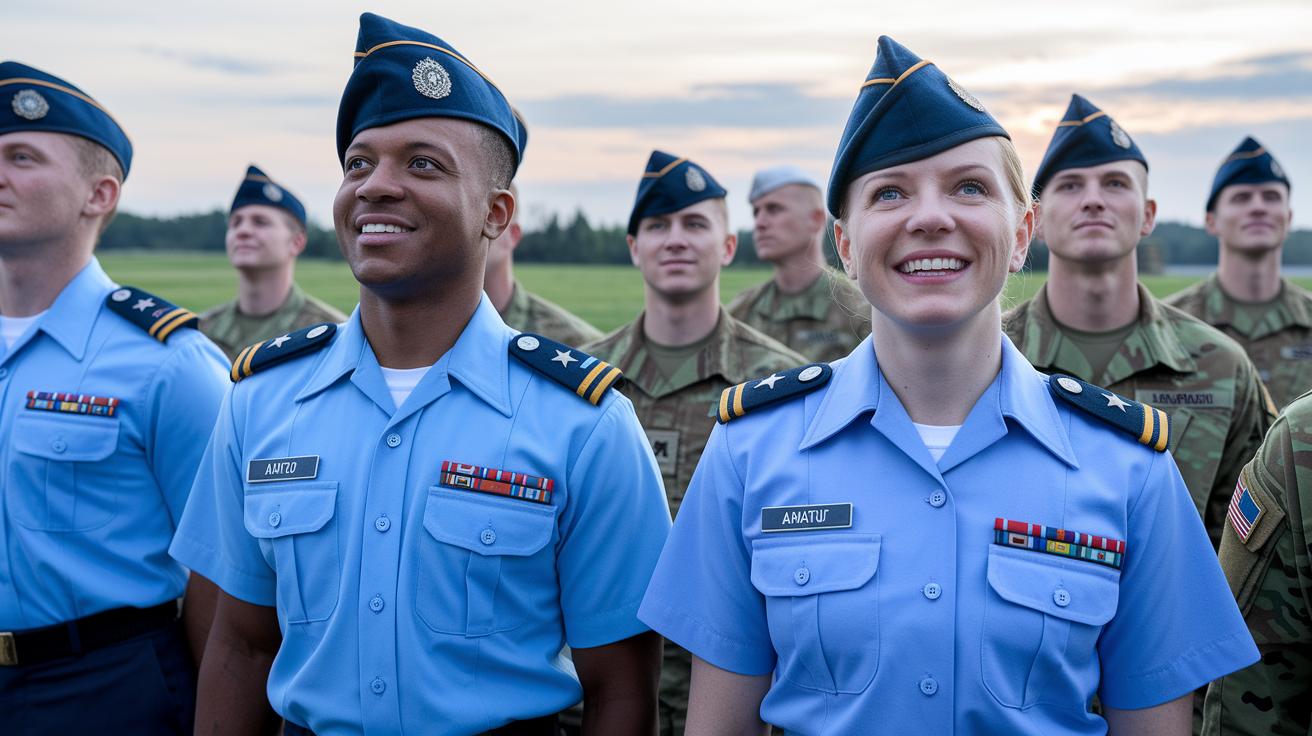
Looking to serve in the military at 30? Good news, age isn’t a roadblock anymore. Most branches welcome folks 30 and older. For instance, the Air Force raised its age limit nearly ten years back, so candidates in their late 30s and even beyond can step up. One airman first class joined security forces technical school in their late 30s, showing how life experience can be a real asset. And then there’s a soldier who came back into the service at 47 and plans to retire in their 60s. It just goes to show that starting later can lead to a rewarding career.
If you’re about 30 and thinking of joining, here’s what to expect. You need to meet fitness requirements, pass the medical check (a look at your health), and clear background checks. Sometimes, if past rules were tighter, you might even need an age waiver. And don’t worry if you don’t have a college degree, there are special review programs that help you prove your dedication with extra courses or tests.
There are plenty of advantages too. Later enlistees enjoy solid job security, good healthcare benefits for them and their families, and clear retirement paths. Imagine kicking off a new chapter with dependable benefits, like reliable medical coverage for your whole family while you serve your country. Joining at 30 can be a smart, bold move with clear eligibility criteria and strong benefits to back you up.
Physical and Educational Requirements for 30-Year-Old Enlistees

Many folks who join at 30 start getting ready about a year ahead. One recruit, even calling herself an "exercise hater," began a steady training routine early to meet the fitness tests. Starting early lets you build up strength and endurance bit by bit so you’re ready both mentally and physically when you step into basic training.
Education also plays a big role. Some who didn’t earn a college degree might take extra paths during training. Certain branches offer special prep programs or extra tests (think of these as additional drills) to help show what you can do. Meanwhile, if you have a college degree, you might get a head start on advanced training or cool career opportunities from the get-go.
The military values life experience, but being prepared physically and mentally is still essential. Whether you’re improving your fitness with routine work or handling extra academic challenges, treat your preparation like a mission plan. Step by step, you’ll be ready when your time comes.
Career Pathways and Advancement for the 30-Year-Old Military Recruit
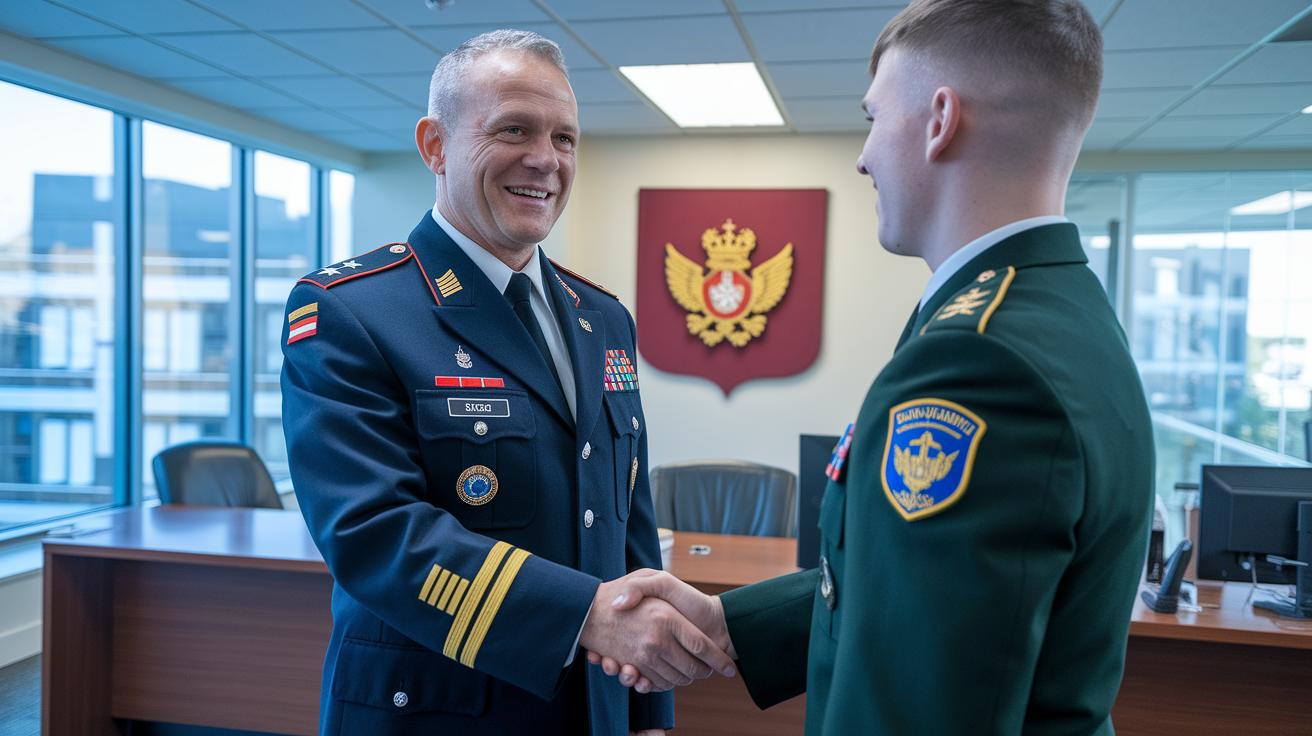
Starting a military career at 30 offers some unique advantages. Many branches have routes like officer candidate school and technical roles that build on the skills you’ve already worked hard to develop. They even have programs that recognize your civilian work experience, which can help move you up the ranks faster. One recruit mentioned, "It felt like my years in the private sector were finally valued in a place where leadership truly matters."
Older recruits often get a quicker start into leadership and staff roles. For example, if you have an advanced degree, you'll have access to extra training that prepares you for bigger responsibilities. Imagine being picked for a mentorship program where seasoned professionals guide you, turning your past experience into a stepping stone toward command.
A common pathway kicks off with basic training, followed by technical school, and then moves to officer candidate school if your skills line up with the role. Veterans of civilian life are encouraged to apply for programs that need both strategic thinking and hands-on expertise. These positions involve not just technical tasks but also leadership roles where you direct diverse teams. Military training is about more than physical readiness, it builds the mental toughness needed for tough decision-making.
Reentry programs bridge any gaps by giving credit for your past work. They offer refresher courses and mentoring sessions where experienced experts share practical advice. This support can really speed up your journey through the ranks. Many find that their civilian experience becomes a powerful asset, making them versatile and effective leaders.
In truth, by taking advantage of these career paths, a 30-year-old recruit can build a durable military career that honors past achievements while opening clear doors for future advancement.
Challenges, Support Systems, and Success Stories for Joining the Military at 30
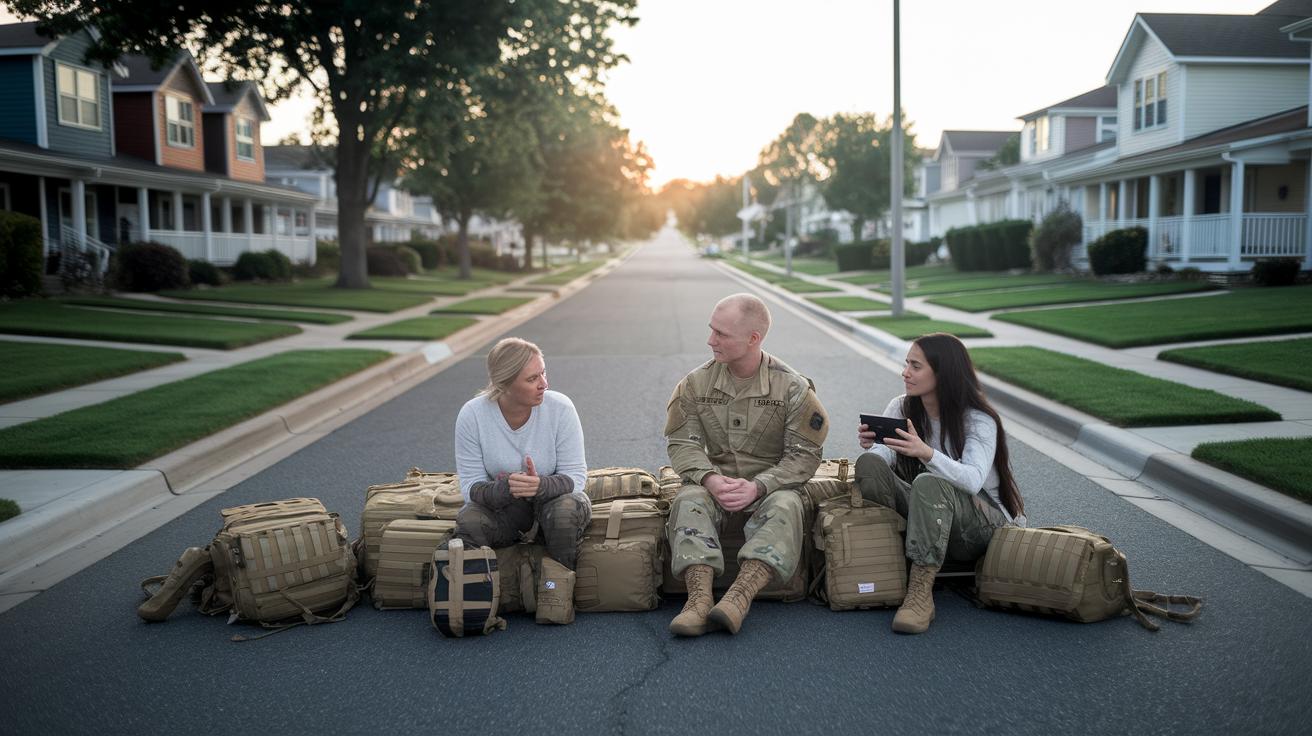
Joining the military at 30 can bring its own set of challenges. You might find yourself balancing family duties with the need to train hard for what lies ahead. Many service members have discovered that handling dependents while meeting enlistment demands takes careful planning. For example, one airman with kids ages 7 to 13 shared how military medical benefits and education programs helped his family adjust as he set out on his new career.
Getting physically ready is another major hurdle. One recruit, who once called himself an "exercise hater", started a year-long training routine before basic training, proving that preparation is possible with dedication. Fellow recruits, unit mentors, and informal groups offer helpful tips on building stamina and beating self-doubt. Their guidance, whether through structured training or daily encouragement, really makes a difference.
Family responsibilities add an extra layer of complexity. Many branches now offer roles that suit dual-military couples, such as base security positions with flexible hours. These jobs let partners support each other while still meeting their commitments. Plus, family support centers on bases provide useful resources, from childcare assistance to financial advice.
Success in these circumstances comes from a mix of personal determination and a strong support network. Unit mentors and peer-led training groups offer the structure and emotional backing you need to manage the unique challenges of joining the military midlife. They help bridge the generation gap, turning potential hurdles into stepping stones for a fulfilling military career.
Comparing Service Branch Options for 30-Year-Old Applicants
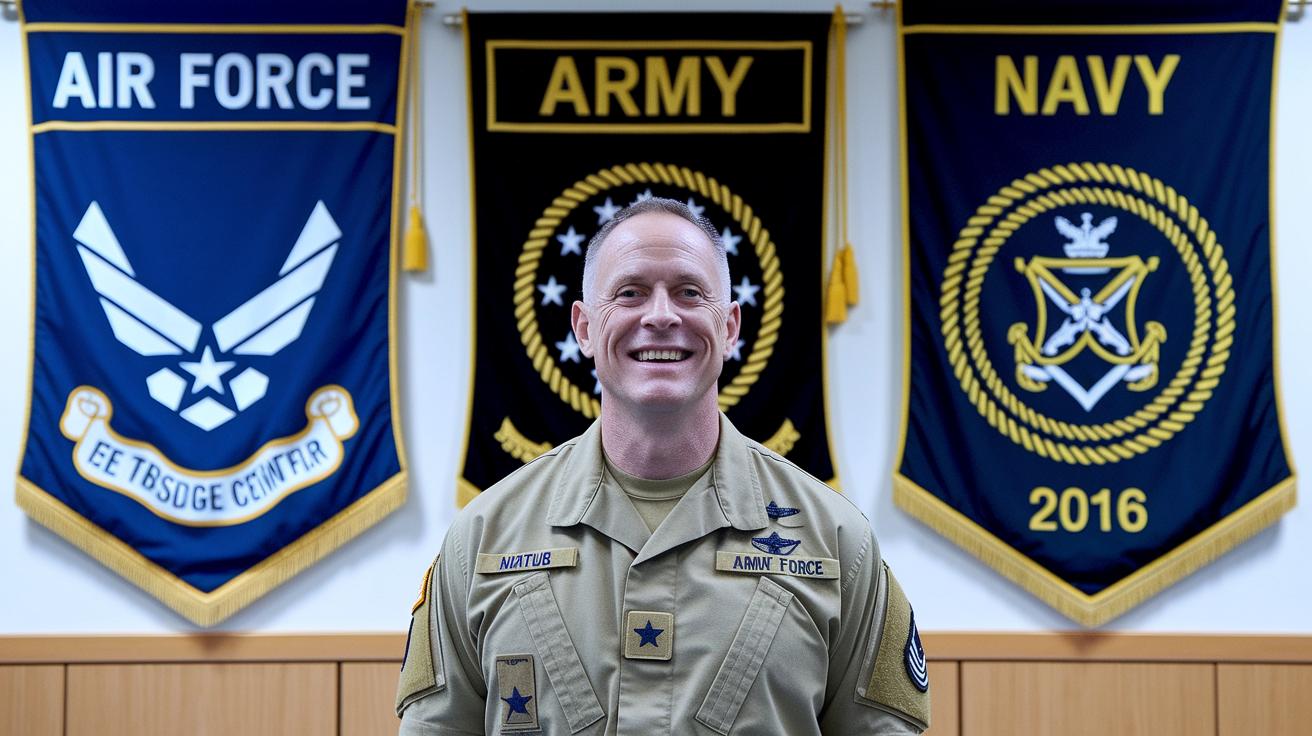
At 30, it really pays to check out your service branch options. The Air Force recently raised its age limit, so mature candidates like you can now join and take on technical roles. One airman said, "Joining later made all my past work feel relevant on the field." The Army usually sets its limit around 35, but if you show strong potential, you might get a waiver. This branch often values life experience, which can be a big plus for roles in administration or leadership.
The Navy, on the other hand, welcomes enlistees up to 39. Their training is a bit shorter, which could be a great fit if you’re looking to get into areas like logistics or specialized technical jobs sooner. Meanwhile, the Marine Corps typically caps entry at 28. However, if you bring critical skills to the table, there are occasional exceptions that could open the door for you.
| Branch | Max Entry Age | Training Duration | Recommended Roles for Age-30 Candidates |
|---|---|---|---|
| Air Force | Flexible | Approximately 8 weeks | Security forces, technical positions |
| Army | ~35 (with waivers) | About 10 weeks | Administrative, leadership roles |
| Navy | Up to 39 | 7-9 weeks | Logistics, specialized technical roles |
| Marine Corps | Usually capped at 28 (exceptions possible) | Approx. 12 weeks | Candidates with critical skills |
Taking all this into account, a 30-year-old applicant has plenty of pathways to consider. It all comes down to your goals and how ready you are for the training you choose.
Step-by-Step Guide to Enlisting at 30

Step 1: Contact a Recruiter
Get in touch with your local recruiter. Have a friendly chat about your goals and check if you meet the requirements. They'll go over your work history and set the stage for what comes next.
Step 2: Complete MEPS Evaluations
Next, head to your Military Entrance Processing Station (MEPS) for your medical and fitness tests (kind of like a practice drill). One recruit put it well, stepping into MEPS felt like stepping onto the training field, boosting his drive right from the start.
Step 3: Undergo Background Screening
Your records and past experiences are reviewed next. Make sure you have clear documentation of your work history and, if needed, any prior issues to speed things along.
Step 4: Apply for Necessary Age Waivers
If you’re over the typical age limit, put together and submit any required papers for an age waiver. Solid proof of your professional achievements can really help push your application forward.
Step 5: Finalize Ship-Date Scheduling
Once you’ve got these steps behind you, work with your recruiter to set your training ship date. This final step gets your enlistment on track.
Before you get started, take a good look at your paperwork, keep up with your training, and stay connected with your recruiter. Tackling each step carefully makes your journey into military life much smoother.
Final Words
In the action, we broke down the eligibility, fitness requirements, and career paths for service at 30. We reviewed essential steps, compared different branches, and highlighted available support systems for your enlistment.
When joining the military at 30, you'll gain clear, step-by-step directions that boost your readiness and confidence. The road ahead is bright, step forward knowing every part of the process has been carefully laid out for your success.
FAQ
What are the benefits of joining the military at 30?
The benefits of joining the military at 30 include career stability, solid retirement plans, and quality medical coverage. Your life experience may also boost promotion potential in leadership roles.
How does holding a college degree affect enlisting at 30?
Holding a college degree at 30 can lead to specialized technical roles and officer candidate school opportunities. Your credentials often help you qualify for accelerated advancement and unique training programs.
Is joining the military later in life, such as at 30, 31, or even 35, a viable option?
Joining the military later in life is feasible. Many branches accept mature candidates with available age waivers, and real-life examples show that with preparation, success isn’t limited to younger recruits.
Can someone join the military at 17?
Enlisting at 17 is possible with parental consent. A recruit must meet physical, academic, and maturity standards to ensure they are ready for the military lifestyle.
What is the infantry experience like for a mature recruit, such as someone joining at 30?
Joining the infantry at 30 presents unique challenges that can be met with early physical preparation and steadfast resolve. Many mature recruits overcome these hurdles and excel in their training.
Do enlistment bonuses, like a $10,000 bonus in the Army, apply to late enlistees?
Bonuses vary by branch and role. While some Army positions offer enlistment bonuses, amounts like $10,000 depend on current policies, specific job requirements, and timing.
Which branch is the easiest for a 30-year-old to join?
The easiest branch varies based on your background and fitness. The Navy and Air Force often provide flexible age policies, while the Army or Marines might have stricter guidelines or require additional waivers.