
Have you heard about the new physical exam standards? The Army spent a long time reviewing nearly one million attempts and now uses a fresh test. Service members from every branch face drills that check strength, endurance, and balance, skills that match what you need on real missions. Old events are out, and the focus is on practical, everyday actions you can picture yourself doing. These changes aim to keep our fitness tests fair and really on target with the skills required in the field.
Overview of the Latest Changes in Military Exam Physical Standards
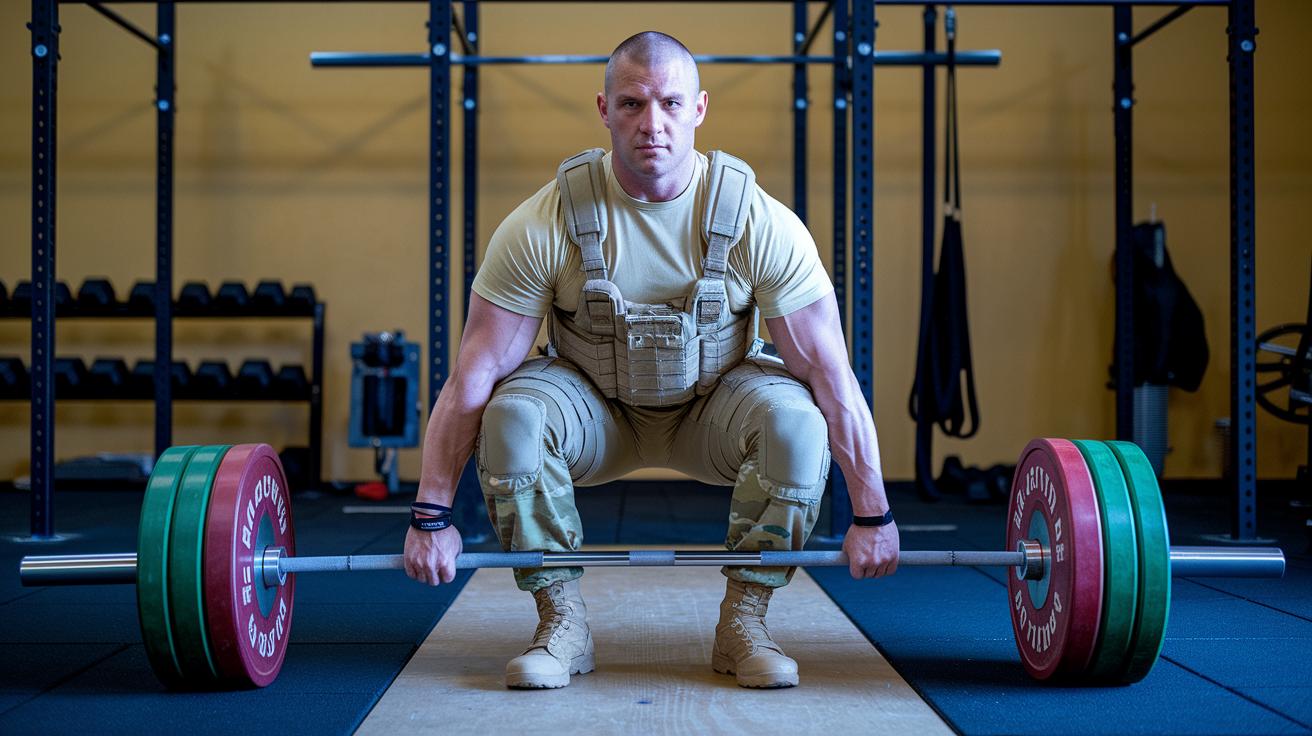
On June 1, 2025, the Army introduced a new Army Fitness Test, replacing the old Army Combat Fitness Test. This update came after an 18-month review that looked at almost one million test attempts. The goal was to match our fitness tests with today’s combat needs while keeping them fair. The new test is the same for everyone, it applies to Active Duty, Reserve, and National Guard members alike.
The new test drops events that caused concerns in the past, like the standing power throw, and focuses on five key areas. First, the 3 Repetition Maximum Deadlift builds lower-body strength, grip, and core stability. Next, Hand Release Push-Ups check your upper-body power and core endurance. Then comes the Sprint-Drag-Carry, which looks at overall strength and short-burst power. The Plank exercise now directly measures core endurance and balance. Finally, a Two-Mile Run tests the aerobic capacity needed for lasting endurance. Think of your training like a series of drills where each part helps sharpen a different aspect of your fitness, just like preparing for a tough mission.
These updates were part of 10 new directives announced on September 30, 2025, at Quantico, Virginia. The changes aim to ensure that our fitness assessments are both practical and accurate, so every service member can be ready for the demands of today’s operations. Detailed studies and performance reviews helped build a system that focuses on balanced, well-rounded physical fitness.
Breakdown of the Five Core Events in the New Army Fitness Test
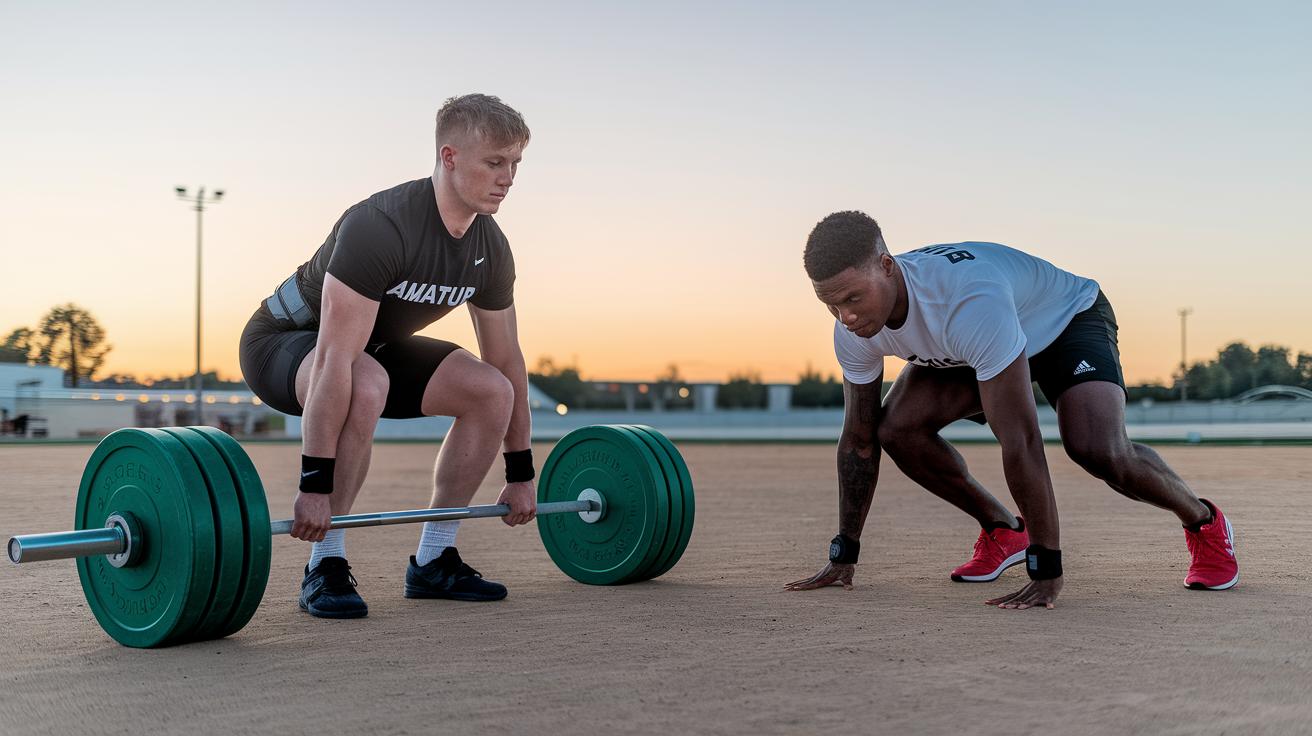
Candidates now face five events that check physical skills tied to real field work. These drills use everyday actions that feel like the tasks you'll need on the job.
-
3 Repetition Maximum Deadlift: This event tests your lower-body strength, grip, and core stability. Picture yourself swiftly lifting heavy gear, just like you would set up for a mission. For example, think "Lift strong loads as if you were loading equipment in a hurry."
-
Hand Release Push-Ups: Here, you'll show off your upper-body power and core endurance. It is similar to holding a strong position during long duties. Imagine doing push-ups with determined, controlled moves that mirror keeping your ground when it counts.
-
Sprint-Drag-Carry: This drill measures your explosive power and muscle endurance. It works like a rapid extraction drill where you sprint, drag, and then carry a weight. Picture a scenario where speed and strength come together to perform an urgent tactical move.
-
Plank: The plank builds your core endurance and balance. Think of it as holding steady while guarding an important post. You are asked to hold your position like a soldier on high alert, keeping calm and balanced.
-
Two-Mile Run: This run checks your aerobic capacity and stamina, much like a long, steady march. Imagine running with a consistent pace needed for extended patrols, where managing your energy is key.
Implementation Timeline for Updated Physical Assessment Protocols
We’re rolling out the new Army Fitness Test in four simple phases to help every soldier get used to the updated process. Phase 1 starts on June 1, 2025. Every soldier must take the AFT, and even though you'll now be doing the new test, your ACFT scores will still count for promotions until September 30, 2025. Think of it like switching from an old drill to a new routine without missing a beat.
Next, Phase 2 runs from September through December 2025. During this window, soldiers in combat roles who score between 300 and 349 can choose to reclassify if they want. It’s a chance for anyone on the edge to make the improvements needed without pressure.
Then, on January 1, 2026, Phase 3 kicks in. At this point, if you’re an Active Component soldier in a combat MOS and your score is under 350, reclassification becomes mandatory. This change pushes everyone to meet the new performance standards.
Lastly, Phase 4 starts on June 1, 2026, when these updated standards will also apply to Reserve and National Guard members.
| Phase | Date | Key Impact |
|---|---|---|
| Phase 1 | June 1, 2025 | All soldiers must take the AFT; ACFT scores count for promotions until Sept. 30, 2025 |
| Phase 2 | Sept – Dec 2025 | Optional reclassification for combat MOS scoring between 300–349 |
| Phase 3 | January 1, 2026 | Mandatory reclassification for Active Component combat MOS scoring under 350 |
| Phase 4 | June 1, 2026 | Updated standards extend to Reserve & National Guard members |
This step-by-step plan makes adapting to the revised physical assessment requirements clear and straightforward for everyone involved.
Contrasting the New Standards with the Army Combat Fitness Test
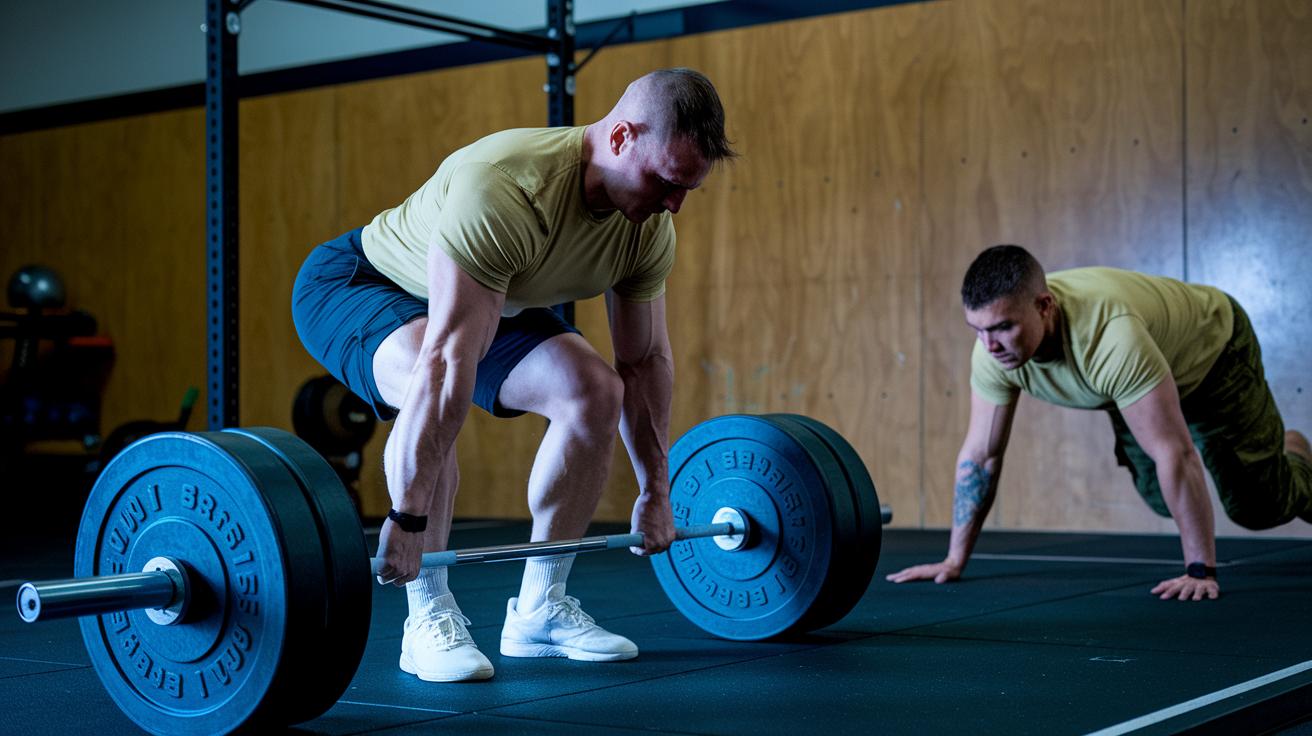
The old ACFT had six events, like the standing power throw and a leg tuck plus a plank, but now the new AFT has a simpler five-event setup. You start with the 3 Repetition Maximum Deadlift, then move on to Hand Release Push-Ups, Sprint-Drag-Carry, the Plank, and finish with a Two-Mile Run. Think of it like beginning with a heavy equipment lift during training and then moving steadily through each task.
-
The old ACFT used one set of scores for everyone. The new AFT, however, splits things into Combat and General scoring based on your Military Occupational Specialty (your specific job in the Army). It’s similar to having separate drill practices for infantry versus support units.
-
Previously, your ACFT scores only counted for promotions until September 30, 2025. Now, how you do on the AFT can boost your promotion points and even impact height and weight exceptions. This change makes your performance have a more immediate effect on your career.
This updated test is built to meet real-life demands with a practical, no-nonsense approach that gets you ready for modern combat scenarios.
Candidate Impact and Training Strategies under Revised Criteria
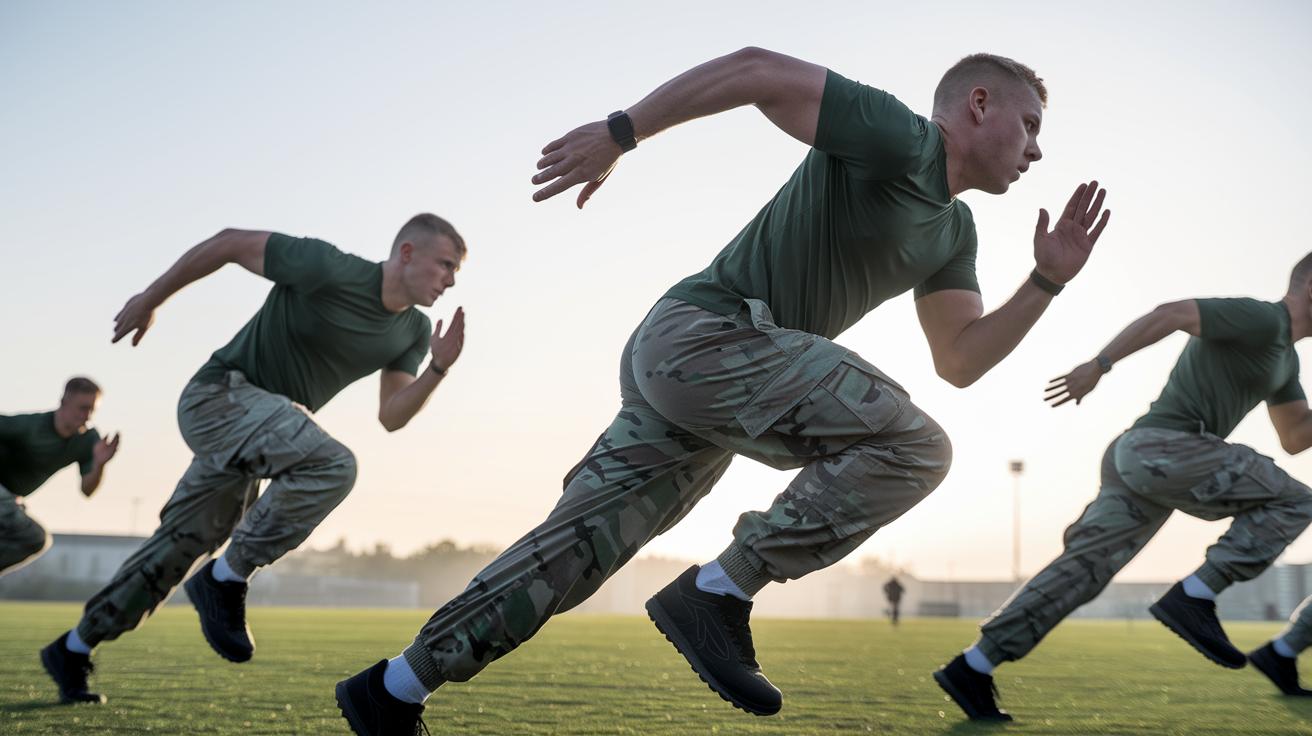
The new Army Fitness Test means you have to train in a balanced way that mixes different workouts. Under the Holistic Health and Fitness (H2F) plan, soldiers should aim for 150 to 300 minutes of aerobic activity each week. Think of running intervals like advancing on a mission, quick bursts of sprinting followed by recovery, similar to moving from one cover to the next.
Strength training is just as important. Practice hinge and squat drills to prepare for your 3 Repetition Maximum Deadlift. Mix in different push-up variations to build upper-body and core strength for Hand Release Push-Ups. Try sled or drag drills to boost anaerobic power, like gearing up for a Sprint-Drag-Carry event. Imagine hitting each drill with the focus of reaching an important checkpoint.
Core exercises like planks help improve your balance and endurance. Adding interval runs can boost your speed for the Two-Mile Run while keeping injuries at bay if you increase intensity gradually. These drills are meant to create a solid, practical base for today's combat tasks.
Adjust your routine with these tips. For more workout ideas, check out military fitness workouts you can do at home or look up the latest fitness test updates for detailed guidance.
Try fitting these key exercises into your plan:
- Hinge and squat drills with resistance bands.
- Quick-release push-up sets.
- High-intensity sled drags.
- Timed planks to steadily build core strength.
- Interval sessions that alternate sprints with a jog.
These routines build a flexible, practical foundation for better performance. Regular practice and tracking your progress are essential to success.
Common Questions about Latest Military Exam Physical Standards Changes

We've kept this part short on purpose. We already covered these details in the Implementation Timeline and the Contrasting the New Standards sections. So, there's no need to repeat the info here. If you're looking for the specifics, those sections have everything laid out clearly.
Final Words
In the action, we covered how the five core events and phased rollout shape the new Army Fitness Test. We detailed event differences from the old ACFT, explained training adjustments, and answered common questions.
These updates help candidates fine-tune both physical and cognitive readiness while altering promotion points and reclassification rules. All this supports a more balanced approach to fitness and performance, giving everyone a clear path to success under the latest changes in military exam physical standards.
FAQ
What are the latest changes in military exam physical standards for the Army?
The latest changes introduce the Army Fitness Test (AFT) to replace the ACFT. This update uses five core events and applies the same standards to all soldiers.
What are the new Army PT test standards and AFT updates?
The new Army PT test standards now use a five-event AFT, including a 3RM deadlift, hand-release push-ups, sprint-drag-carry, plank, and a two-mile run. These updates affect all soldiers’ evaluations.
How do Army physical fitness test standards vary by age?
Army fitness test standards by age adjust performance benchmarks so that older soldiers must meet age-appropriate scores, reflecting differences in physical ability while promoting balanced fitness.
What are the physical requirements for Army males and females?
The physical requirements for Army males and females are now uniform, meaning all soldiers face the same AFT tasks with consistent expectations, regardless of gender.
Are there changes to the Air Force PT test scoring chart?
Updated Air Force PT test scoring charts are managed separately, with changes reflecting their specific performance needs that stand apart from the Army’s revised fitness standards.