
Ever wondered if the MEPS exam really gives you a leg up or is simply just another box to check? At a military entrance processing station, you go through important tests and evaluations. This includes a full medical check, fitness tests, and a detailed look at your history, all to make sure you’re ready for service. Think of it like a pilot checking all the instruments before takeoff, making sure every part is set to go. In this post, we'll walk you through the MEPS process and show you how it smoothly sets you on your military journey.
How the Military Entrance Processing Station Evaluates Recruits

MEPS is a team effort where military and civilian experts work together to check your mind, body, and character. The day starts with a friendly briefing and a solid breakfast while you get ready for several detailed evaluations. It’s a lot like a pre-mission check-up – think about having a good meal before heading into an important operation.
The process kicks off with a complete medical exam. They measure your height and weight to make sure you fit your branch’s standards. Your vision is tested (you need to see 20/20 either naturally or with glasses) and your hearing is checked to catch any issues right away. You'll also have lab work done, which involves blood, urine, and drug tests. One recruit even mentioned, "I felt confident when my vision test proved my eyesight was spot-on, like knowing my gear was ready for action."
Once the medical part is done, you move on to a fitness evaluation. This involves balance tests, push-ups, and some flexibility drills to check your range of motion. You might take the CAT-ASVAB (a test of how well you think) either before or during this phase, which helps match you with the best military job. After that, you go through fingerprinting, a quick pre-enlistment interview, and then you sign your enlistment contract and take the Oath of Enlistment with a commissioned officer. Plus, with 65 facilities across the country offering free lodging and meals, MEPS makes sure every recruit is set for their service.
Eligibility Criteria and Required Documentation for MEPS Processing

If you’re planning to head to MEPS, there are a few important points to keep in mind. You need to be between 17 and 34 years old, have a high school diploma or GED, and show proof of your citizenship or legal residency. When you get there, you'll fill out a detailed medical history questionnaire. It’s really important to mention every past condition because missing something might slow down your process or even disqualify you. They might offer medical waivers for things like controlled asthma or corrected vision, but they review each case on its own, so be honest.
Before you go, double-check that you meet all the basic requirements and that you’ve gathered all your paperwork. The questionnaire is there to give the team a clear picture of your health and decide if you can serve without issues. Getting your documents in order now saves time and gets you closer to the mission.
| Required Document |
|---|
| Birth certificate |
| Social Security card |
| State-issued ID or driver’s license |
| Prior medical records or waiver paperwork |
| Proof of education (diploma or GED certificate) |
Make sure you bring all of these with you to keep the process quick and hassle-free, so you can stay focused on the mission ahead.
Medical and Physical Screening at the Military Entrance Processing Station

At MEPS, every exam gives recruiters a quick look at your readiness for service. It starts with a simple height and weight check that shows if your body meets the service standards. Then you get your vision and hearing tested, making sure you see clearly (naturally or with glasses) and hear well, a must for clear communication during operations.
Next up is lab work where they check your blood, urine, and run a drug test. These tests help spot any health issues that might hold you back from meeting the demands on the field. The physical fitness check follows, with push-ups, balance exercises, and flexibility drills to see if you have the strength and coordination needed on the job.
Female candidates receive extra care during their exams. They get a private room with a drape, a female attendant, and a pregnancy test if needed, ensuring the process remains respectful and safe.
For those in the Delayed Enlistment Program, the process is even quicker, only a brief height/weight check is repeated instead of the full exam. This keeps things efficient while still confirming you meet the service standards.
| Test Component | Purpose |
|---|---|
| Height/Weight | Checks body readiness and confirms eligibility |
| Vision Exam | Ensures clear sight for operational tasks |
| Hearing Test | Verifies auditory ability for communication |
| Blood/Urine Lab Work | Detects health issues and screens for substances |
| Fitness Exercises | Measures strength, balance, and agility |
| Pregnancy Test | Checks reproductive health for safe evaluation |
Passing these tests tells recruiters that you’re ready to handle the challenges of service. A clean lab result, for example, shows you’re set to face active duty with confidence.
Navigating the ASVAB and Career Selection at MEPS
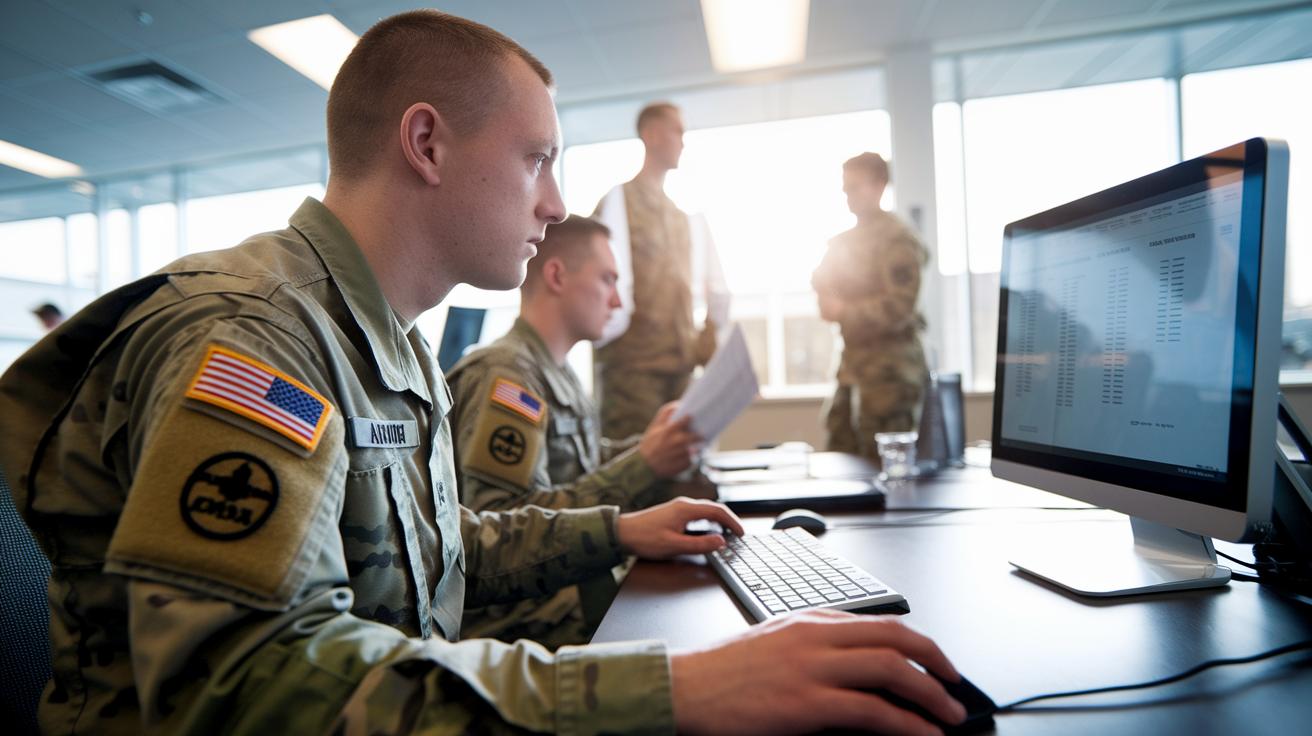
At MEPS, your test journey starts with the ASVAB if you haven't taken it before. This computer-adaptive exam adjusts the questions based on your answers and covers eight subjects like General Science and Arithmetic Reasoning (math challenges). One recruit said, "I was amazed by how every section gave me a clear idea of where I’d shine, like a sneak peek at my future role."
After you get your scores, a friendly counselor meets with you. They walk you through your results and point out which positions match your skills. During this one-on-one session, they explain things like service terms, possible bonuses, and contract details so you can feel sure about your decision.
If you need to brush up on your skills, an ASVAB study guide can be a real help. It offers simple tips to improve your math and reading comprehension and makes the test feel less daunting.
In the end, your counselor works with you to match your scores to a career path that suits your interests while meeting your branch's needs. With all the information clear, you're ready to pick the job that sets you on the path to a strong military start.
MEPS Locations, Scheduling, and On-Site Logistics

Picking the right MEPS location is important. With 65 stations across the country, you can choose one that fits your travel plans. When you show up, you’ll get free rides, shared rooms, and meals. Your recruiter arranges your appointment, and waiting times can be as short as the same day or extend up to two weeks. Before you head out, check travel routes, confirm facility hours, and review dress-code guidelines so you’re all set.
At the station, things are designed to run smoothly. The friendly staff will walk you through the check-in, screenings, and briefings step by step. Make sure you have all your required documents so you don’t face any hold-ups. A little planning and the support of your recruiter can really keep the stress away.
Here are some quick things to check:
- Confirm your travel arrangements
- Double-check your appointment time and facility hours
- Review any dress-code rules for a smooth process
Organize your paperwork ahead of time and focus on getting ready for your assessments. A well-planned arrival lays a strong foundation for your military journey.
Preparation Tips and Common Questions for MEPS Success

Getting ready for MEPS is like checking that your gear is in perfect order before a mission. Make sure you have all your important documents, pack your regulation uniforms that are both comfy and neat, and bring any up-to-date medical records. It also means setting aside time for fitness, kind of like running the drills that build your strength and endurance for what lies ahead. And don’t forget to chat with your doctor about your medical history so you know if any old injuries might need a waiver or extra care.
When you get to MEPS, a smooth process is key to moving forward with confidence. Answering common questions about disqualification risks, like issues with drug use or a BMI that doesn’t meet branch standards, can really ease your mind. Staying clear of these pitfalls starts with solid prep, both in body and mind, so you can focus on your service commitment without unexpected setbacks.
- Make sure all your important documents are organized before you head out.
- Practice MEPS-style fitness drills daily
- Talk with your doctor about any medical concerns or waiver needs.
- Check your branch’s rules for height, weight, and vision standards.
Taking these steps will get you ready and focused for MEPS, setting the stage for success in your future service.
Final Words
In the action, this article broke down each step at the military entrance processing station. We covered everything from medical and physical evaluations to detailed document reviews and career selection.
The guide is a friendly, easy-to-follow tool to help you step up your preparation game. Keep focused, get your documents in order, and train with purpose, you’re set for success.
FAQ
Military Entrance processing station near me
The military entrance processing station near you refers to your closest evaluation center where recruits complete medical, physical, and aptitude tests. Check with your recruiter for exact location details and scheduling.
MEPS physical disqualifications
The MEPS physical disqualifications refer to health issues that may prevent enlistment. Conditions like poor vision, high blood pressure, or undisclosed illnesses can be grounds for disqualification, prompting further discussion with your recruiter.
Military Entrance Processing Station Navy
The MEPS process for Navy candidates includes a series of exams such as medical, physical, and aptitude tests, which help decide the best fit for job roles in the Navy while meeting its specific service requirements.
Military Entrance Processing Station jobs
The term MEPS jobs can include positions for both military and civilian staff working at the processing station. These roles involve coordinating tests and assisting recruits through the enlistment process with professionalism.
MEPS Marines
The MEPS process for Marine candidates mirrors that of other branches but includes specific assessments to meet Marine Corps standards. It offers a comprehensive review of physical fitness, medical status, and aptitude for service.
Military Entrance Processing Station Air Force / MEPS Air Force
The MEPS process for Air Force recruits features a full evaluation including medical, physical, and aptitude tests. These results help guide job placement and ensure candidates are ready for the challenges of Air Force service.
Military entrance processing station San Diego
The MEPS facility in San Diego is one of the national locations where complete enlistment evaluations are conducted. It provides medical, physical, and aptitude testing, along with free lodging and meals during the process.
What is a military entrance processing station?
A military entrance processing station is where recruits go through medical, physical, and aptitude tests to determine their eligibility for service. It is the first step before joining any military branch.
What exactly happens at MEPS? / What happens at MEPS Day 1?
What happens at MEPS is a full day of evaluations starting with a briefing and breakfast, followed by medical exams, fitness tests, an aptitude survey, fingerprinting, and finally a pre-enlistment interview leading up to the oath.
What to not wear to MEPS?
What not to wear to MEPS includes overly casual clothing or items that disrupt the evaluation process. It’s best to select neat, regulation-compliant attire to keep the process smooth and professional.