
Have you ever felt that military exams are more like high-stakes missions than simple tests? Picture your study sessions as mission planning, where every drill sharpens your skills and builds your confidence.
I’ve been in those shoes, and I know a solid plan makes all the difference. Start by setting a clear schedule, think of it as your orders for the day. Then, practice with a timer, just like running a drill under pressure. Your readiness will grow with each session.
When exam day comes, you’ll feel as prepared as if you've been on the front lines. Trust in your training, and step in knowing you’ve prepared like a true pro.
Essential Military Exam Preparation Tips for Peak Performance

When you get ready for an exam, think of it like planning a mission. A clear, disciplined schedule is your battle plan. It tells you what to focus on each day, helping you stay sharp and build confidence while keeping distractions away.
Here are some ways to set up your plan:
- Plan every study session with clear goals, deadlines, and breaks, just like organizing a strategic mission.
- Stick to your schedule. Don’t let procrastination get in the way; keep pushing ahead day by day.
- Learn the exam’s layout, including its sections and question styles (this helps you know what to expect).
- Run through practice exams and timed quizzes to build endurance and confidence under pressure.
- Start with the basics to create a strong foundation before moving on to tougher topics.
When you combine these tactics, your study plan turns into easy, step-by-step drills. Each focused session sharpens your test-taking skills while boosting your readiness.
This steady routine gets you prepared for exam day. With a clear plan in place, you can walk into the room confident and ready to succeed.
Structured Study Scheduling and Time Management for Military Exam Success

Set up study sessions that have a clear goal using digital scheduling tools. Try using interval apps that break your time into small, focused blocks with built-in breaks. For example, spend 25 minutes working on math fundamentals with a digital timer, then take a 5-minute break to clear your head, like a quick drill followed by a recovery period. You can also use online calendars or task apps to plan your studies each day with specific targets and adjust as you improve.
Keep track of your progress with smart digital tools that show you how far you’ve come. Use a simple spreadsheet or mobile app to mark key milestones and set reminders for practice drills. Record your scores after every practice test, and let a custom dashboard offer visual updates on your improvement. This approach lets you see your growth and tweak your study plan without redoing old strategies.
Military Exam Practice Simulations and ASVAB Preparation Insights

Practice tests are key to getting ready on exam day. When you complete a full test, it feels just like the real exam, helping you manage your time like a well-planned drill. It’s a lot like running through a mission to get used to the pressure and quick pace. You can use online tools and sample questions to check how you're doing and see where you might need extra work. These practice drills boost your problem-solving skills and help you understand different kinds of exam questions, including the nine parts on the ASVAB (a test that measures your skills in various areas). And since there’s no penalty for guessing, answer every question to build speed and confidence.
ASVAB Score Requirements
| Branch | Minimum ASVAB Score |
|---|---|
| Army | 31 |
| Marine Corps | 32 |
| Air Force | 36 |
With these score points, you can set clear goals for your study plan. Knowing what each branch requires lets you focus on the right areas during your practice. Every practice test shows where you stand and helps you adjust your study approach for success.
Military Exam Preparation Tips for Stress Management and Mental Endurance

When it comes to exam prep, using your mind to calm your nerves really helps. Try adding deep breathing and meditation breaks to your study routine (check out this link on managing test anxiety during military exams for extra tips). Picture yourself moving steadily through every part of the test. These techniques can steady your nerves, sharpen your focus, and stop stress from piling up, just like a solid drill before a mission. Even a short mindfulness session can give your brain a quick reset, so you're ready to tackle each challenge with a clear head.
Having a good support system is just as important. Team up with a few reliable peers to share stress-relief tips and keep each other on track. If anxiety starts to get the better of you, don't hesitate to reach out to counselors, mentors, or academic support services. And remember, taking care of your body is key too. Make sure you eat well, drink plenty of water, sleep enough, and stay active. Together, these steps build a strong foundation that keeps your mind resilient, helping you perform at your best when it counts.
Military Exam Preparation Tips: Collaborative Learning and Study Groups

Set up study groups where everyone takes a turn leading discussions. This way, every team member can get involved and share their ideas. Use easy tools like shared documents or online whiteboards to work through tricky topics together. It’s a practical approach that builds teamwork and sparks creative ways to tackle hard subjects.
Mix in a bit of mentorship with digital tools to keep feedback flowing. Invite a teacher or a seasoned peer now and then for Q&A sessions, you know, to get quick tips and boost your study strategy. Plus, extend your sessions beyond face-to-face meetings by using online platforms or mobile apps. These digital options let you review your notes, swap ideas, and stay connected, even when you can’t meet in person. This blend of organized leadership and modern feedback keeps you on target and accountable during your exam prep.
Integrating Physical Fitness into Military Exam Preparation Tips
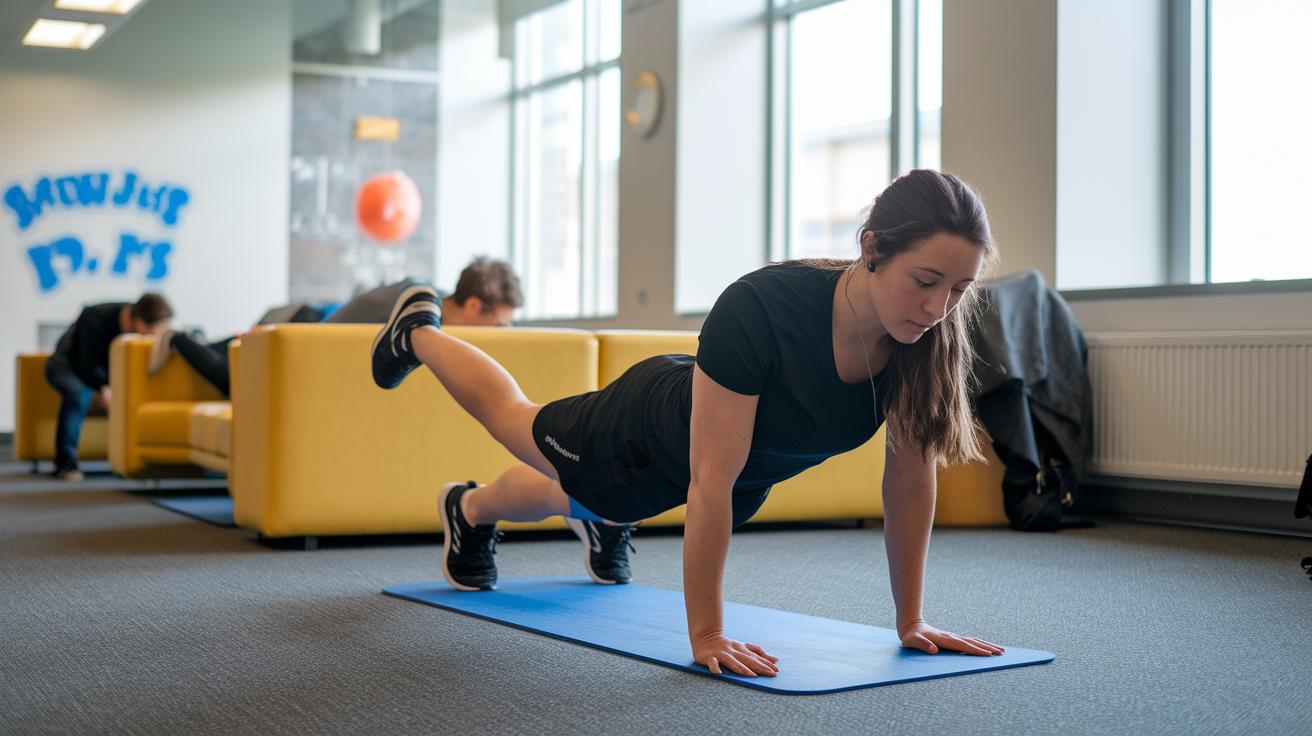
Staying fit boosts your mental toughness and keeps you alert, which is vital for exam prep. It hones your focus and eases stress both before and during study sessions.
Try adding quick calisthenics or a brisk walk between study blocks. Think of it like a mini drill that clears your head and refuels your energy. You could even set aside specific times for simple stress-relief moves, like stretching or mobility exercises, to ease the mental load after intense reviews.
Mix these breaks with solid sleep habits and balanced meals, since a well-rested and nourished brain lasts longer. Every fitness break is key to building discipline and resilience for exam challenges. Balancing study and physical activity not only sharpens your alertness but also keeps both your body and mind ready for exam day.
Military Exam Preparation Tips: Post-Exam Debrief and Continuous Improvement

After every practice test or real exam, take a moment to review how you did. Think of it like a quick debrief with a buddy: write down the mistakes you made and the topics that gave you trouble. For instance, if a timed math drill tripped you up on algebra, note that so you can tighten up those skills next time.
Once you see where you’re lagging, switch up your study routine. Update your plan with fresh goals and a new timeline. Try using self-assessment quizzes to see your progress, and don’t hesitate to ask a peer or get a targeted tutorial for those tricky areas. Regular check-ins like these will help you see what’s working and what still needs attention, building your analytical skills and keeping you ready for the next challenge.
Military Exam Preparation Tips: Exam Day Readiness and Materials Checklist

Make sure you know your test date, time, and location well ahead of time, and check if there are any last-minute changes. Gather your gear, bring a valid ID, a pack of #2 pencils, an approved calculator, and scratch paper. Think of it like a pre-mission check where every detail matters.
Plan on arriving early so you can find a quiet spot to clear your head before the test. When you sit down, read through all the instructions carefully before you start. Don’t cram at the last minute; keep a calm and steady mindset, just like a well-practiced drill.
Final Words
In the action, we reviewed a strong study strategy that combines disciplined schedules, regular practice tests, stress management, group collaboration, and fitness routines. We highlighted how post-exam debriefs and a detailed readiness checklist keep you focused and continuously improving. Each step builds confidence and readiness, ensuring you face the exam with a calm mindset. Keep these military exam preparation tips in mind as you train, and trust that every bit of preparation brings you closer to success.
FAQ
What is the ASVAB test?
The ASVAB test is a military exam that measures aptitude in various subjects and determines qualification levels for different branches and roles.
How do ASVAB practice tests and PDFs help in preparation?
ASVAB practice tests and downloadable PDFs simulate real exam conditions, boosting your confidence, sharpening time management, and familiarizing you with the exam’s question formats.
How do I study for the ASVAB, including Air Force requirements?
Studying for the ASVAB, including Air Force specifics, means setting up a routine covering key subjects, understanding the exam format, and using focused resources to reach required score levels.
Can you pass the ASVAB without studying?
Passing the ASVAB without studying is unlikely because solid preparation builds the subject knowledge and test-taking skills needed to meet the required benchmarks for military entry.
What does the ASVAB mean for high school students?
For high school students, the ASVAB serves as a tool to explore military options, assess academic strengths, and gain insights into career paths that suit their abilities and interests.
Is a score of 70 on the ASVAB considered bad?
A score of 70 on the ASVAB is generally strong since it often exceeds the minimum required scores and shows you have a solid grasp of several key academic areas.
What about a score of 27, and how rare is a 99 on the ASVAB?
A score of 27 indicates limited performance that might restrict choices, while a score of 99 is extremely rare and demonstrates a high level of aptitude likely opening advanced opportunities.