
Have you ever wondered if the old scoring system was really fair? The new military exam scoring system gives you a clear picture of your real skills. It's like checking your gear before heading out on a mission, it makes sure everything is in top shape.
This update swaps out old methods for digital precision (using modern tools to measure things accurately). In other words, your score now truly reflects your ability. No matter which branch you're working towards, your performance is measured in a fair and open way.
These improvements create a level playing field that shows your genuine strengths. Next, we'll dive into how this update makes every score more honest and balanced.
Key Highlights of the Updated Military Exam Scoring System
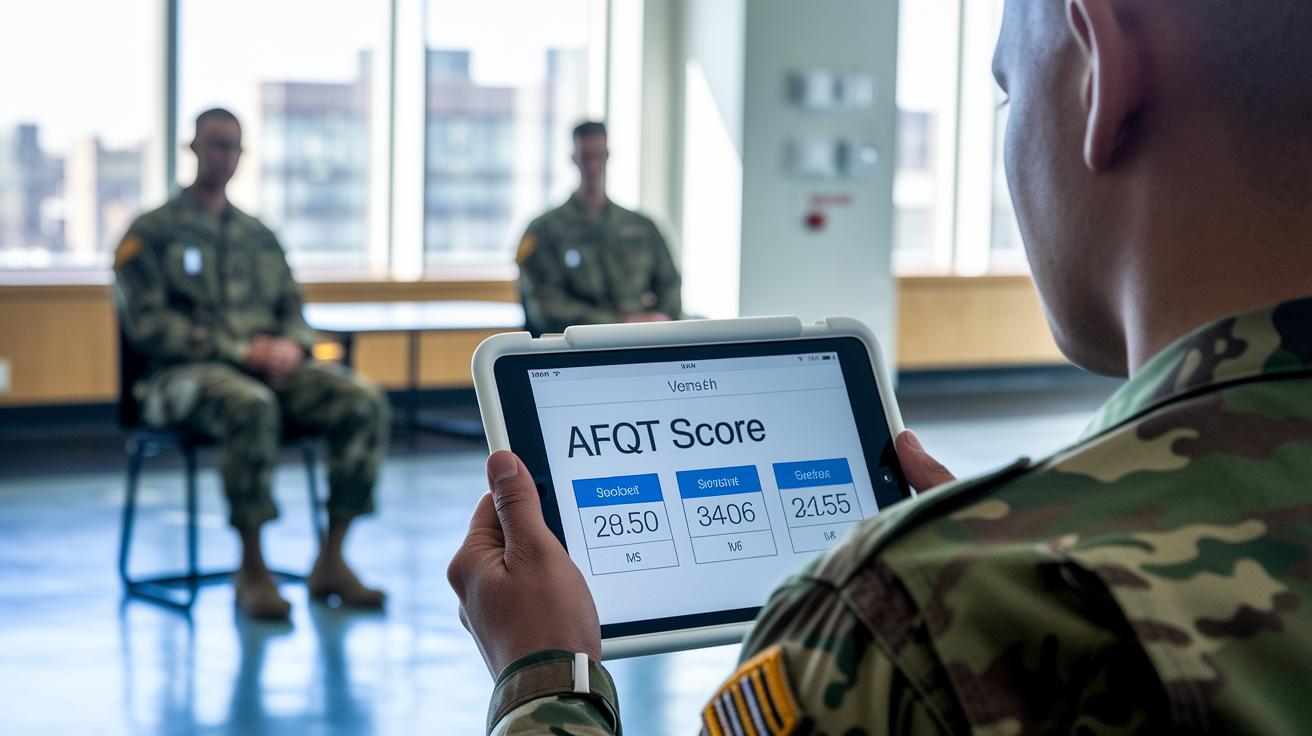
The scoring system for the ASVAB (a multiple-choice test ranked from 1 to 99) has been updated. Now, if you want to join the Army, you still need a minimum AFQT score of 31, but the way scores are calculated has been improved. Think of it like adjusting your map before a mission, the scores are clearer and better reflect real performance.
The new update uses a digital platform that sets the same testing standards for all military branches. This means your score now shows your true skills more accurately. It’s like getting the most honest feedback during boot camp, making sure everyone gets a fair shot.
- Recalibration of the AFQT percentile reference group
- New weightings for ASVAB subtest scores
- A fresh digital evaluation platform
- Public rules for how scores are calculated
- Consistent evaluation standards for all services
Overall, these changes bring better fairness and clarity to military testing. By streamlining the digital evaluation process and sharing the scoring methods openly, the process now truly reflects each candidate’s potential.
Detailed Breakdown of ASVAB and AFQT Scoring Changes

The new way of checking ASVAB scores makes it much easier to see what a candidate is really good at. It looks at four parts, Arithmetic Reasoning, Mathematics Knowledge, Paragraph Comprehension, and Word Knowledge, and turns those into a percentage based on data from 1997. With these updates, they refreshed the benchmark numbers and adjusted how each section counts, so the scores now give a truer picture of a candidate’s ability for different military jobs.
AFQT Percentile Recalibration
Now, the AFQT percentile is set using current data from a new group of test-takers. This change means each section is weighted to reflect today’s needs. For example, if modern roles need sharper problem-solving, Arithmetic Reasoning might count a bit more. This new setup helps make sure every score is a fair look at a candidate’s skills, based on today’s standards.
Expanded Army Line Score Categories
ASVAB scores now play a key role in ten Army categories that decide if you’re a good fit for certain military jobs. Each category is built by combining scores from different sections. For instance, good marks in Mathematics Knowledge and Word Knowledge can help open doors to jobs that need both tech skills and communication. The updated weightings in these categories mirror what modern Army roles require, giving a balanced view of a candidate’s overall strengths.
Revised CAT vs P&P ASVAB Formats: Time Limits and Question Counts

Let's break down the two ASVAB tests. With the computerized adaptive test, or CAT-ASVAB, the system adjusts your questions as you go. That means each time you answer, the computer picks a new challenge, and each section comes with its own time limit, so you really need to watch the clock. The paper version, though, sticks to a fixed set of questions, giving you a steady pace and a clear idea of what to expect.
Both formats come with their own timing and question counts that match their testing style. The CAT version tailors time to fit an ever-changing set of questions, while the paper-and-pencil test uses set time slots across all sections. If you do better with surprises or with predictable tests, knowing these differences can really help you prepare. Next, take a look at the table below for a quick look at the details:
| Section | CAT-ASVAB Q/Time | P&P-ASVAB Q/Time |
|---|---|---|
| Mathematics Knowledge | 15 Q in 31 min | 25 Q in 24 min |
| Arithmetic Reasoning | 15 Q in 55 min | 30 Q in 36 min |
| Paragraph Comprehension | 10 Q in 27 min | 15 Q in 13 min |
| Word Knowledge | 15 Q in 9 min | 35 Q in 11 min |
Updated Army Line Score Methodology and MOS Eligibility

We've updated how your ASVAB test results turn into 10 score lines that help decide your future role in the Army. These lines include Clerical (CL), Combat (CO), Electronics (EL), Field Artillery (FA), General Maintenance (GM), General Technical (GT), Mechanical Maintenance (MM), Operators & Food (OF), Surveillance & Communications (SC), and Skilled Technical (ST). The new system changes the weight of each section, like Mathematics Knowledge and Word Knowledge, to match today’s job skills while still keeping the basic entry requirements. Imagine it like tuning a fine instrument, small shifts in technical parts can change your reading and the role you qualify for.
Think about a candidate who used to qualify for a general maintenance role thanks to solid math and technical scores. Under the old system, an average technical score was enough. But now, with more focus on technical skills, someone like that might see their Mechanical Maintenance (MM) score rise. That boost could move them into a role that now requires stronger technical know-how.
Enhancements to Scoring Algorithm for Fairness and Transparency

The new scoring engine has been built to keep military testing fair for everyone. It uses clear, objective measurements for every ASVAB subtest, kind of like sitting through a simple debrief where every step is explained. Each candidate is evaluated against the same set of standards, much like the routine checks during a field drill.
Behind the scenes, automated curve adjustments and reliability checks work non-stop to fine-tune the score calibration. Imagine it as a training drill where every move is measured and adjusted right then and there, ensuring that every answer you give is matched with the correct score.
Plus, there’s now an easy-to-follow audit trail that lets you see exactly how your score was put together. This open report works like an after-action review, showing all the details so you can track any changes and understand every decision made, just like reviewing a field report after a mission.
Implementation Timeline and Examiner Certification Updates

In early 2025, a DoD memo kicked off a six-month trial at select testing centers. This trial is like a practice drill, giving examiners a chance to try out the new scoring methods and digital platform in real-world settings while fine-tuning their operations.
The updated training modules now walk examiners through the new scoring techniques and digital platform. These hands-on sessions are as clear and direct as a quick debrief before a mission, helping proctors get up to speed with the new certification steps. Full rollout across all branches is planned for January 2026 so that every testing center and examiner meets the new standards.
Regular checks will make sure every center follows the updated protocols and certification rules. This ongoing review helps keep everyone on target and ready for the changes ahead.
Official Resources and Internal Guidance Links for the Updated Scoring System

If you're getting ready to adapt to the new scoring system, the official Department of Defense documents have got you covered. These papers clearly explain the recent changes, much like a friendly briefing before a mission.
There's an internal memo that breaks down the new scoring tweaks. It covers updates like the new algorithm adjustments, tailored score requirements for the Army, Air Force, Marine Corps, and Navy, and fresh exam guidelines. Think of it as a roadmap that helps you navigate the updated test process.
They also go over changes in how tests are run, digital evaluation rules, and new ways of calculating the AFQT (Armed Forces Qualification Test) score. Plus, you'll find all the info you need on new compliance rules, updated timelines, and certification changes for examiners.
On top of that, you'll see detailed training guides, policy FAQs, and technical specs that offer a step-by-step look at the reforms. By reviewing these resources, you'll have a clear picture of everything you need to know for accurate test preparation.
Key resource types include:
- Training guides
- Policy FAQs
- Technical specifications
Final Words
In the action, this article covered changes in AFQT recalibration, digital test formats, updated Army line scores, and examiner training. We broke down key shifts in scoring tools and clear reporting methods.
These updates boost fairness and clarity, building a strong base for physical and cognitive readiness. The military exam scoring system update gives candidates fresh insight into modern testing standards, setting the stage for success. Keep moving ahead with clear goals and confidence.
FAQ
What does the AFT score chart show?
The AFT score chart shows how performance is measured, detailing passing scores and performance thresholds in the Army fitness test.
How is the AFT Army scoring determined?
The AFT Army scoring is based on a clear point system that measures performance across various events to decide test eligibility.
What’s new with the AFT score chart for 2025?
The new AFT score chart for 2025 features updated scoring benchmarks and recalibrated standards to better match current performance expectations.
How is the Army Fitness Test scoring structured?
The Army Fitness Test scoring is structured with specific point allocations for endurance, strength, and agility, which are combined to produce an overall performance score.
Is the ACFT changing in 2025?
The ACFT is changing in 2025 by introducing revised evaluation metrics and a new methodology, modernizing how fitness is measured.
What is the AFT standard score for 2025?
The AFT standard score for 2025 is set to reflect updated performance benchmarks and a new threshold for passing, offering a fresh perspective on candidate fitness.
Is the Army PT test changing again?
The Army PT test is undergoing updates with revisions in scoring methods and event standards to align better with modern training practices.
What is the new score for the AFT?
The new score for the AFT introduces a recalibrated benchmark designed to evaluate physical performance more accurately under current standards.