
Ever felt your stomach flip before a military physical exam? It can feel just like stepping onto a tough obstacle course, where every drill, whether it's push-ups, sit-ups, or a timed run, challenges your strength and endurance (how long you can keep going).
Each part of the exam is a chance to show what you're made of and build your confidence. In this guide, we're breaking things down into clear steps and simple training tips that get right to the point.
Think of it like gearing up for a big mission. With a solid plan and steady practice, you'll be ready to turn your hard work into a true win.
Essential Steps for Effective Military Physical Exam Preparation
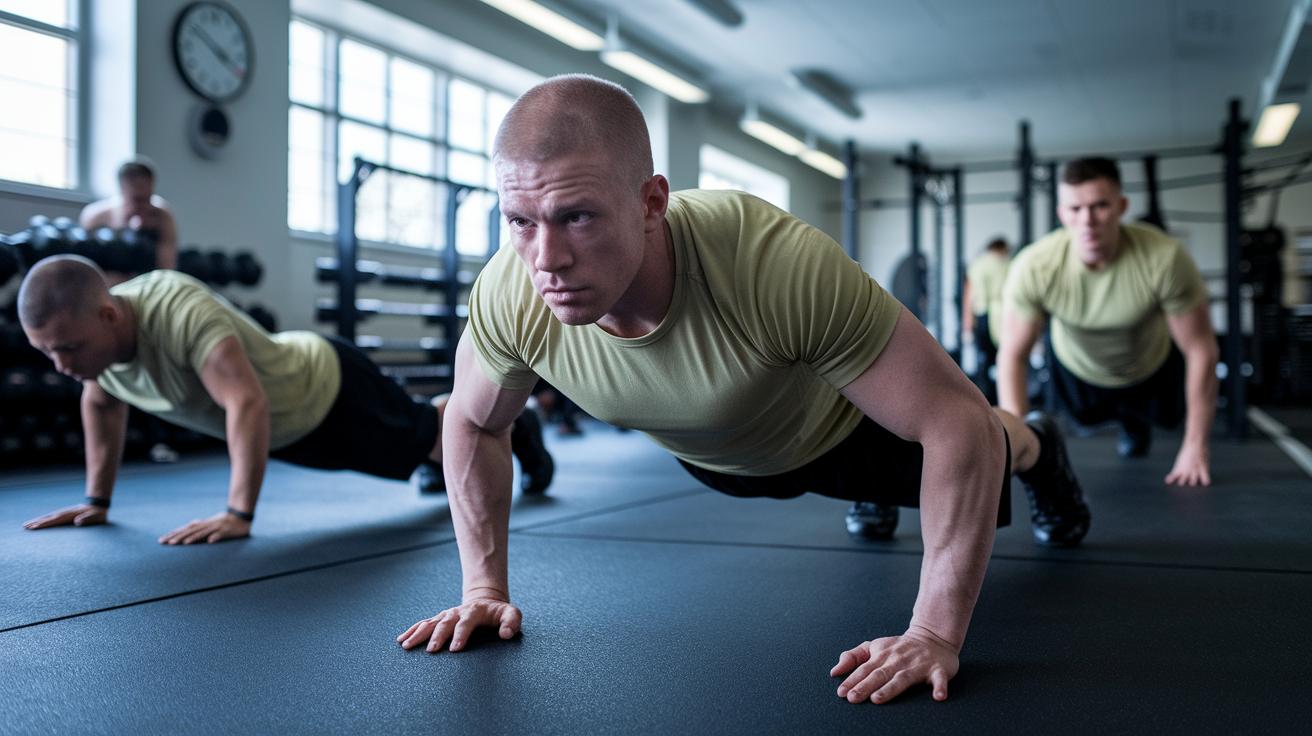
If you're getting ready for your military physical exam, you'll face a range of drills that test different parts of your body. Think of it as a well-rounded check of your strength and stamina. You'll be doing things like push-ups, sit-ups or crunches, pull-ups or chin-ups, and a timed run that could last anywhere between 1.5 to 3 miles. There might also be shuttle runs, swimming tests (using either a combat swimmer stroke or freestyle), obstacle courses, and even ruck marches with extra weight. Plus, you'll get tested with weight-training moves like the bench press, deadlift, and squat, along with body measurements such as height, weight, and body fat percentage. Picture it like a uniform inspection: every move counts.
- Push-ups: Focus on keeping good form while building your endurance.
- Sit-ups/Crunches: Make sure your upper back lifts off the floor correctly.
- Pull-ups/Chin-ups: Work on boosting your upper-body muscle.
- Timed Runs: Cover a distance of 1.5 to 3 miles at a steady pace.
- Shuttle Runs: Check your speed and agility.
- Swimming Tests: Use either the combat swimmer stroke or freestyle.
- Obstacle Courses & Ruck Marches: Challenge your overall fitness and load-bearing stamina.
- Weight-Training: Include bench press, deadlift, and squat to show off your strength.
- Body-Composition: Get your height, weight, and body fat measurements checked.
Remember, the exact requirements can vary based on which branch you're aiming for and the role you're interested in. Adjust your training plan as needed to hit those exact standards. Happy training, and keep pushing forward!
Building a Pre-Assessment Workout Regimen for Military Physical Exam Preparation

Think about your training plan like a friendly mission briefing. You divide your workouts into small, manageable stages that build on one another. Over a six-week period, your routine slowly boosts your cardiovascular endurance (your heart’s strength), muscle power, and exam-readiness while helping you avoid fatigue.
In Weeks 1–2, focus on getting your heart in the game. Run some steady miles, hop on a bike for long rides, or hit the treadmill to lay down a solid aerobic base.
Then, in Weeks 3–4, add strength exercises to your routine. Increase your push-ups and sit-ups and throw in deadlift movements to build overall muscle strength. Think of it like upgrading your gear before the big day.
Finally, in Weeks 5–6, switch to workouts that mirror what you'll face during the exam. Run timed distances, complete circuit-style sessions, and simulate exam conditions to feel more prepared when it counts.
As you move through these phases, mix in some variety with programs like the Best Soldier Workout Routines. Try a weekly self-test to track improvements and spot areas where you need adjustments, maybe your form needs tightening or your endurance needs boosting. Training with a partner can add that little bit of friendly competition, keeping you motivated and ensuring you stay on track through every drill.
Nutritional Planning and Recovery for Military Physical Exam Preparation

Eating well is half the mission. At each meal, aim for a mix of 40% carbs (sugary fuels for energy), 30% protein (the building blocks for your muscles), and 30% fats (which help your body function properly). Carbs boost your energy for training, protein helps fix up tired muscles, and fats keep your body running smoothly during those challenging drills.
Make sure you drink about 3 to 4 liters of water a day. Staying hydrated helps control your body temperature and keeps your joints working smoothly. Around workout time, you can add a bit of electrolytes (minerals lost when you sweat) to help replace key nutrients and keep you at top form.
Getting enough sleep is as important as your workouts. Try to get 7 to 9 hours of sleep at night so your muscles can repair properly and you reduce the risk of injury. Even on days off, stick to your balanced meals to give your body the recovery time it needs.
Some supplements, like a multivitamin or whey protein, can give you an extra boost. They help keep your energy levels steady and support muscle recovery. Every meal, every drink of water, and every night’s sleep all add up, making sure you’re ready and resilient for the physical exam.
Screening Procedures and Documentation in Military Physical Exam Preparation
Before exam day, it’s smart to get your health records in order. Start by gathering your medical papers and any previous exam reports. Check that your tetanus, MMR, and flu shots are up-to-date. Also, make sure you have your latest eye exam, dental clearance records, and basic blood work results. With everything ready, you'll feel calm and confident when you head into your exam.
Here’s what to do:
- Verify your tetanus, MMR, and flu shots are current.
- Review your recent eye and dental exam records.
- Organize your ID and all past health records.
- Schedule any needed preventive visits, like an eye or dental check-up.
Doing these steps means you won't be caught off guard by missing documents. Get into the routine of checking your vaccine dates and updating your paperwork well ahead of time. This careful prep cuts down last-minute stress and lets you focus on your physical training without any paperwork worries. Every bit of preparation, from your immunization records to your planned check-ups, shows you're ready to take on the challenges ahead.
Mental Toughness and Exam Day Readiness for Military Physical Exam Preparation

Start with simple stress relievers. Try box breathing (deep, even breaths) or diaphragmatic breathing (breathe deep into your belly) to clear your head. These methods can ease your nerves and boost your confidence. Picture yourself nailing each drill with determination. And if you need even more calm, try progressive muscle relaxation, slowly let go of tension in each muscle group.
Next, jot down a checklist for exam day. Include your ID, water, snacks, and workout gear. This handy list makes sure you have everything to keep you focused.
Before you get started, do a light warm-up to get your blood pumping, then cool down afterward to avoid feeling stiff. In the couple of days leading up to your test, make sure you get plenty of sleep, eat healthy meals, and drink enough water.
- Practice your breathing drills
- Visualize your best performance
- Keep a checklist of exam essentials
- Warm up lightly and cool down after your drills
Small actions like these build mental strength and help you move through each task with confidence, making those last-minute jitters a thing of the past.
Branch-Specific Fitness Standards in Military Physical Exam Preparation
Every branch of the military has its own physical standards to check your strength, endurance, and overall readiness. Knowing these targets can boost your confidence and help you design the right training plan. Each test is like a guide for what you'll need to do during service entry.
Here's a quick run-through:
- Army ACFT: You’ll complete six events. You'll lift a heavy weight a few times to build strength, throw a weight to test explosive power, do hand-release push-ups to build upper-body endurance, run a series of sprints and drags to check your agility, perform a leg tuck to measure core strength, and finish with a 2-mile run to gauge stamina.
- Navy PRT: This test includes a two-minute push-up challenge, maintaining a plank for core strength, and a 1.5-mile run. Plus, they check your height/weight and body-fat percentages twice a year to monitor overall fitness.
- Marine IST: You'll need to do at least three pull-ups (or push-ups) for upper-body power, perform 2-minute crunches to challenge your core, and finish a 3-mile run within a set time frame.
- Air Force PFT: Here you focus on a 1.5-mile run, as many push-ups as you can, and as many sit-ups as possible during both the initial and yearly tests. They also offer other aerobic options if you prefer.
- Coast Guard PFT: Expect standard push-ups, sit-ups, and a 1.5-mile run. Rescue swimmers have an extra challenge: a timed 12-minute swim.
If you keep these benchmarks in mind while planning your training, you'll be better prepared for health evaluations and entrance exams. Regular check-ins on your progress against these standards can really help when it's time to step up to the challenge.
Final Words
In the action, this article broke down key strategies for tackling a military physical exam. It covered workouts, nutrition, recovery, documentation, and stress management to help you stay sharp in every step. It also compared different service standards to make sure you know exactly what each branch expects. Remember, steady progress in military physical exam preparation builds strength and confidence for the challenges ahead. Every step you take moves you closer to the mission. Keep focused and positive, you’ve got this.
FAQ
Frequently Asked Questions
Q: What do military physical requirements for females and males entail?
A: Military requirements for both females and males include completing exercises like push-ups, sit-ups, timed runs, and body-composition tests. These benchmarks vary by branch and role to confirm overall fitness for duty.
Q: What are the Army physical fitness test standards and age-specific benchmarks?
A: Army standards typically involve timed runs, push-ups, and sit-ups. Age and gender influence specific counts and times, meaning the benchmarks adjust with different service member demographics.
Q: What do military physical test requirements include?
A: Military physical test requirements cover various exercises such as strength drills, endurance routines, and agility tasks like timed runs or ruck marches. Requirements differ across services to match job demands.
Q: Is there a military physical training exercises PDF available?
A: A PDF can provide guidelines on military training exercises, sample workouts, and test simulation routines. It serves as a useful resource for planning a focused and structured training regimen.
Q: What are the key steps on how to prepare for a military physical test?
A: Preparing involves a mix of cardiovascular work, strength training, test-simulation drills, proper nutrition, and sufficient rest. Following a structured schedule helps build confidence and improve performance.
Q: What should you avoid doing before a PT test?
A: You should avoid overexerting yourself, skipping a proper warm-up, and consuming heavy meals or excessive caffeine. Such actions can hinder peak performance and increase injury risk.
Q: How many pushups are needed to pass the military test?
A: The required number of push-ups depends on your service branch, age, and gender, with each branch setting its own minimum standards. Check current guidelines for precise targets.
Q: What may disqualify you from the MEPS physical exam?
A: Disqualifiers may include medical issues such as poor vision, dental problems, uncontrolled chronic conditions, or failure to meet specific physical fitness criteria set during the exam.