
Are these new military recruitment exam changes catching you by surprise? The military is speeding things up with a faster digital testing process. Starting in early 2024, the Army and Navy will have lower score requirements. And guess what? They might also introduce a trial calculator similar to what you see on the SAT (a test that uses a calculator). This shows that the military is keeping up with today’s fast-paced world by making things simpler and more modern. In this post, we’ll walk you through what these changes mean and help you get ready for what’s coming next.
Overview of Military Recruitment Exam Updates and Trends

Recent shifts in military recruitment exams have really changed the game. Early in 2024, the Army and Navy lowered their minimum ASVAB (Armed Services Vocational Aptitude Battery, a test that shows your skills) scores. This step was taken to deal with shortfalls in recruitment. With COVID-19 reducing in-person events, digital exam delivery has taken over, making the process quicker and easier to adjust for candidates.
The latest trends show a mix of successes and challenges. The Marine Corps and Space Force have met their recruitment targets, but the Army and Navy are still working to catch up. Plus, there’s a plan to test out a SAT-style calculator for the ASVAB in 2025. This move is part of a wider push to modernize the exam and keep the talent pipeline strong for future challenges.
- Early 2024 saw the Army and Navy dropping their minimum ASVAB score requirements.
- A pilot for SAT-style calculator use during the ASVAB is set for 2025.
- The Marine Corps and Space Force have hit their recruitment goals, while the Army and Navy face ongoing shortfalls.
- COVID-19 helped speed up the shift from in-person recruiting to digital exam methods.
As you prepare for these changes, it’s a good idea to adjust your study strategies. Embrace the digital format, get comfortable with new tools, and keep pushing forward, you’ve got this!
Examination Format Revisions in Military Recruitment Exams

Recent updates have changed the way you take the ASVAB. Since mid-2023, the exam has moved online and adapts to your answers as you go. This means you get your scores much quicker and the whole process feels more modern.
They’re also trying out ways to cut back on paper tests by using remote proctoring. This digital shift is designed to ease the testing experience. And starting in January 2025, a pilot program will let you use a SAT-style calculator for the arithmetic section. It’s all part of making the testing process smoother while keeping high standards.
| Format Change | Description | Effective Date |
|---|---|---|
| Computer-Based Adaptive Testing | The exam now adjusts to your answers on digital platforms, speeding up score results. | Mid-2023 |
| Digital Score Reporting | Scores are delivered online quickly to keep you informed. | Mid-2023 |
| Reduced Paper-and-Pencil Tests | Remote proctoring pilots are cutting down on traditional paper tests. | Q4 2024 |
| SAT-Style Calculator Pilot | This pilot allows use of a calculator during arithmetic parts of the exam. | Jan 2025 |
These changes are moving us toward a more digital and efficient testing system that keeps pace with modern needs without sacrificing quality.
Eligibility and Selection Benchmark Updates for Military Recruitment Exams
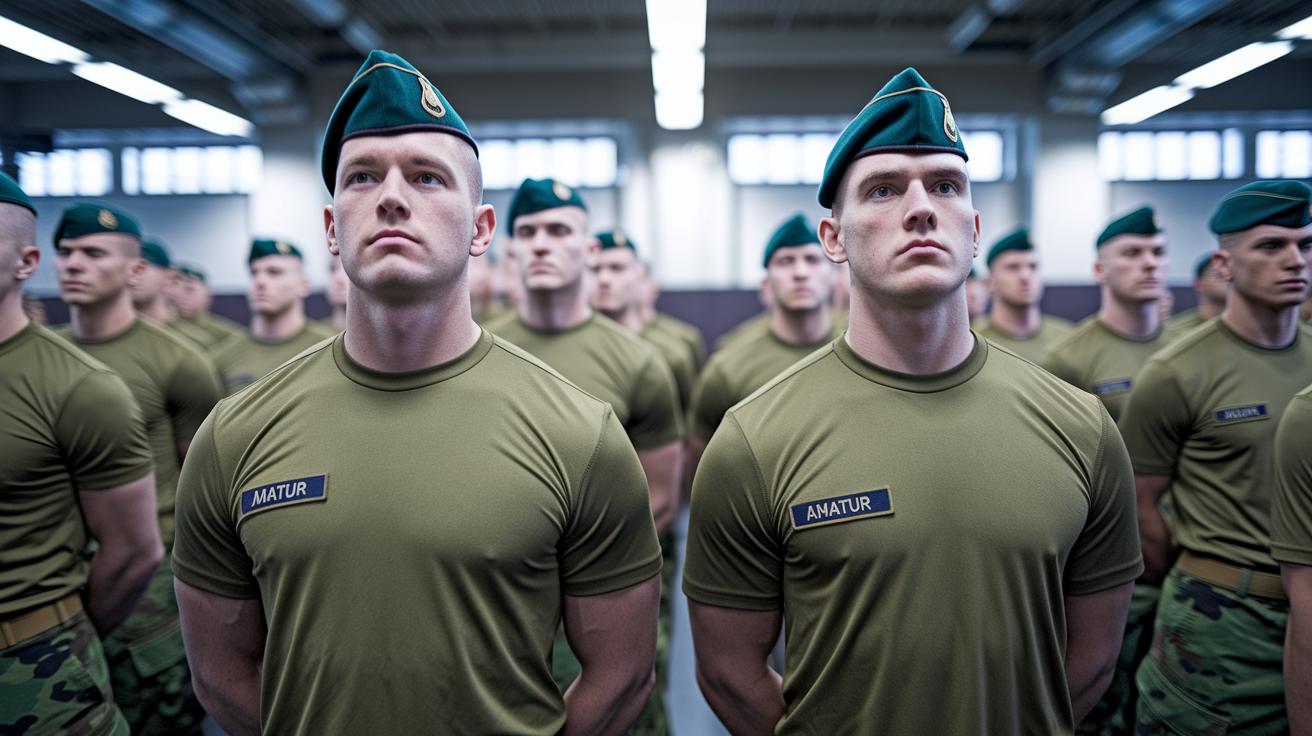
Good news, folks. The latest updates now open the door for more recruits by raising the age limit so that candidates over 21 can step up to the challenge. A RAND report from March 16, 2022 explained that this change is all about tapping into the skills and fresh perspectives that more mature candidates bring to the team. Plus, there’s a new twist: the Future Soldier Preparatory Course now offers special training for those who were just on the edge of making the cut. Some recruits who once barely made the cut are now receiving targeted guidance to reach required fitness levels.
That’s not all. The background-check process has been streamlined too. Security clearances and background checks now take about 3 weeks less on average, based on FY 2023 feedback. This quicker turnaround means motivated applicants can move through the recruitment chain faster and start serving sooner. Imagine an eager recruit no longer stuck in a long wait, ready to get on board and contribute right away.
military recruitment exam update and trends shine
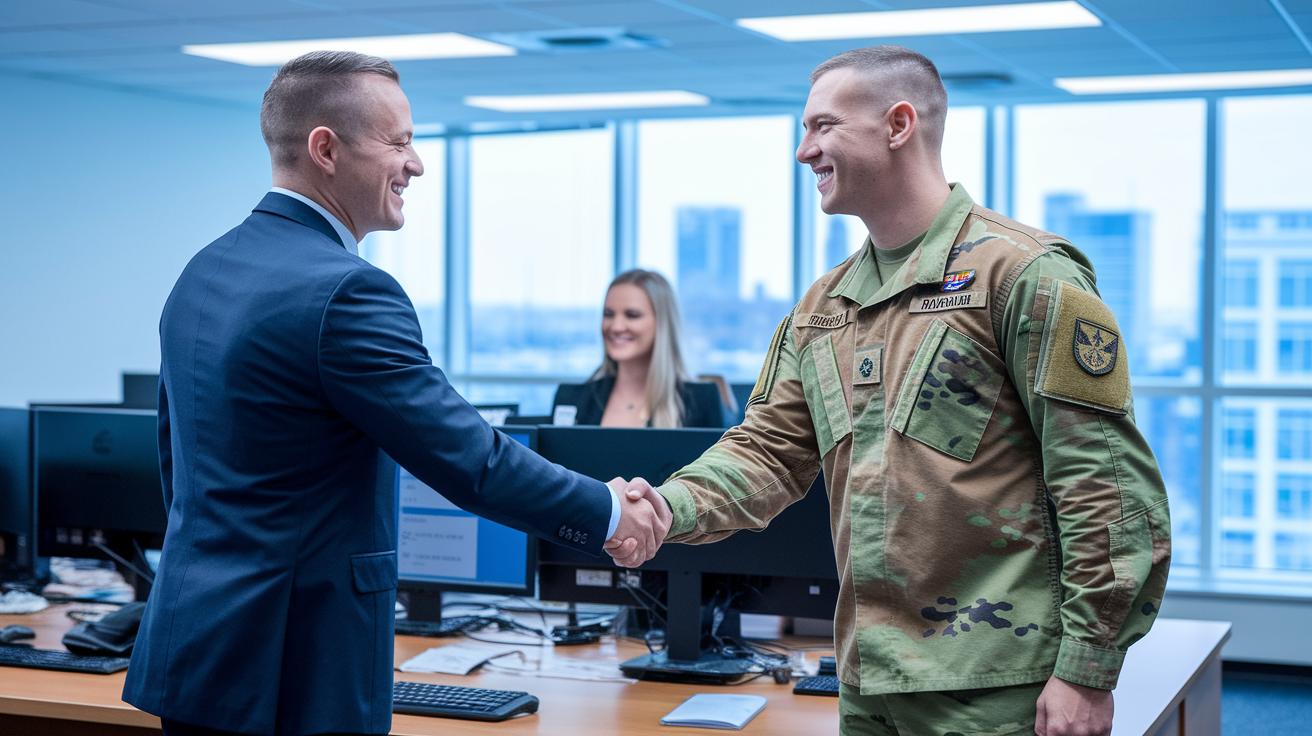
The government kicked off a new recruitment strategy in January 2025. They want to bring together both civilian and military talent for a smoother hiring process. In one meeting, officials even said it was like synchronizing a well-oiled machine, where every part worked together to speed up candidate processing.
The Air Force is also stepping up its game. They’ve started using tech-based screening to sort through candidates faster, as mentioned by Air Force Times in February 2024. This update makes it easier for qualified folks to show what they can do under modern test conditions. Their data-driven method has cut down evaluation times noticeably.
Contractor partnerships are getting stronger too. Navy Times reported in October 2023 that prep programs led by contractors now bring in up to 750 qualified prospects every month. These changes not only back branch-specific reforms but also add valuable insights to help candidates get ready for the challenge.
Digital and Innovative Preparation Trends for Military Recruitment Exams

Candidates are now using a mix of old-school study habits and new digital tools that make preparing easier and more engaging. In 2024, about 45% of exam takers turned to mobile apps and digital flashcards. After COVID-19, many training centers began offering a blend of classroom lessons and online tutoring. In fact, the Future Soldier Preparatory Course now uses AI tools (smart programs that adjust to your learning needs) to create personalized study plans.
Mobile Prep Apps offer interactive tools on your smartphone, letting you simulate exam conditions and practice anytime.
Digital Flashcards provide easy access to key terms and topics, so you can review on your schedule.
Virtual Tutoring pairs online lessons with in-person sessions to build skill and confidence.
AI-Driven Study Modules, part of the Future Soldier Preparatory Course, use adaptive learning (a system that adjusts to your strengths and weaknesses) to focus your efforts.
These smart study methods are changing the way candidates prepare. With plenty of online and mixed options, it’s easier than ever to hone your skills, adapt to new testing formats, and walk into your exam with confidence.
Statistical Trends and Forecasts in Military Recruitment Exams

Recent DoD reports show some shifts in recruitment numbers that can affect how you prepare for exams. The data tells us that Army enlistments dropped by 5% in FY 2022, while the Marine Corps and Space Force not only met but slightly surpassed their goals, hitting 102% in 2023. Meanwhile, both the Army and Navy are expected to fall short by 8% in FY 2023 and FY 2024. Plus, COVID-19 cut down in-person exam sittings by 20% during 2020-21.
Here’s a quick snapshot:
| Key Statistic | Outcome |
|---|---|
| Army Enlistments FY 2022 | -5% |
| Marine Corps & Space Force in 2023 | 102% of goal |
| Army & Navy FY 2023 & FY 2024 | -8% forecasted |
| In-Person Exam Sittings (2020-21) | -20% due to COVID-19 |
Think of these figures like a commander’s review after a mission, each number helps you figure out where to zero in on your exam prep. Notice, for example, the 5% drop in enlistments? That might mean a shift in focus on certain exam topics. Adjust your study plans based on these trends so you are ready when it counts.
Stay flexible and let these trends guide your strategy, just as you'd adjust tactics when new intel comes in on the field.
Final Words
In the action, we explored recent changes impacting military tests. We covered exam format revisions, eligibility updates, policy reforms, and innovative study methods. We also reviewed key data points to guide candidates. Each update helps sharpen strategies for better performance. Stay informed on military recruitment exam update and trends and get ready with hands-on tips for a stronger approach. Keep focused and positive; your determination makes all the difference.
FAQ
What do military recruitment numbers for 2025 represent and how are they tracked?
Military recruitment numbers for 2025 represent projected enlistment figures measured monthly and yearly, often shown in graphs. They highlight trends and policy impacts on recruiting efforts across different military branches.
Are military recruitment efforts showing a shortage or struggle in 2025, and does this indicate the Army is desperate for recruits?
Military recruitment challenges in 2025 suggest some branches, especially the Army and Navy, are facing difficulties meeting enlistment targets, reflecting recent policy and exam adjustments that affect candidate flow.
Has military enlistment increased since Trump was elected?
Military enlistment trends since Trump’s election show mixed results. Changes vary by branch and are influenced more by updated testing formats and recruitment policies than direct political leadership.
Why are military recruitment numbers up?
Military recruitment numbers are up because of updated exam requirements, modern digital recruiting methods, and revised qualification benchmarks. These changes effectively widen the pool of eligible candidates.
Why is Gen Z not joining the military?
Gen Z is not joining as much due to evolving personal values, alternative career opportunities, and perceptions of strict fitness and eligibility standards, prompting recruiters to adjust outreach strategies.
What are the top three trends in the US Army?
The top trends in the US Army include modern exam formats with digital testing, adjusted eligibility requirements like lower ASVAB scores, and the adoption of innovative recruitment strategies using advanced technology.