
Have you ever wondered how these new test scoring changes affect our military? The system now uses a smart computer tool that adjusts questions based on your performance, kind of like a drill that gets tougher as you get better.
This approach makes scoring fairer and changes who can qualify for service. The new method is shaking up how we evaluate recruits and setting fresh standards for readiness. Stick with us as we break down what these changes mean for measuring military potential.
Overview of Military Test Scoring System Updates and Impacts
The military has made some big changes to test scoring. These updates now help decide who is eligible for service and show how ready a recruit really is. The new CAT-ASVAB test adjusts its questions on the fly based on your answers. Before computers took over, every recruit got the same set of questions. Now, each question shifts to match your skill level, so the test fits your abilities much better.
The AFQT score comes from four parts of the ASVAB: Mathematics Knowledge, Arithmetic Reasoning, Paragraph Comprehension, and Word Knowledge. It’s now shown as a percentile from 1 to 99. In plain terms, if you score 77, you did as well as 77% of a reference group of 18- to 23-year-olds from 1997. It’s a simple way to see where you stack up.
Switching from the old paper-and-pencil test to the computerized CAT-ASVAB brought noticeable differences. For instance, the Math Knowledge section now offers 15 questions in 31 minutes, while the paper test had 25 in just 24 minutes. The Arithmetic Reasoning part gives you 15 questions to solve in 55 minutes compared to 30 in 36 minutes on paper. Similarly, the Paragraph Comprehension section now has 10 questions over 27 minutes instead of 15 in 13 minutes, and the Word Knowledge part comes with 15 questions in 9 minutes, down from 35 in 11 minutes. For more details, check out the military exam format changes update.
These new details not only fine-tune score accuracy but also change the minimum AFQT score needed for different branches like the Army, Navy, Air Force, and Marine Corps. This means that each branch now sets its own bar for enlistment, directly affecting recruitment decisions and overall combat readiness.
Evolution of Scoring Algorithms in Military Test Updates
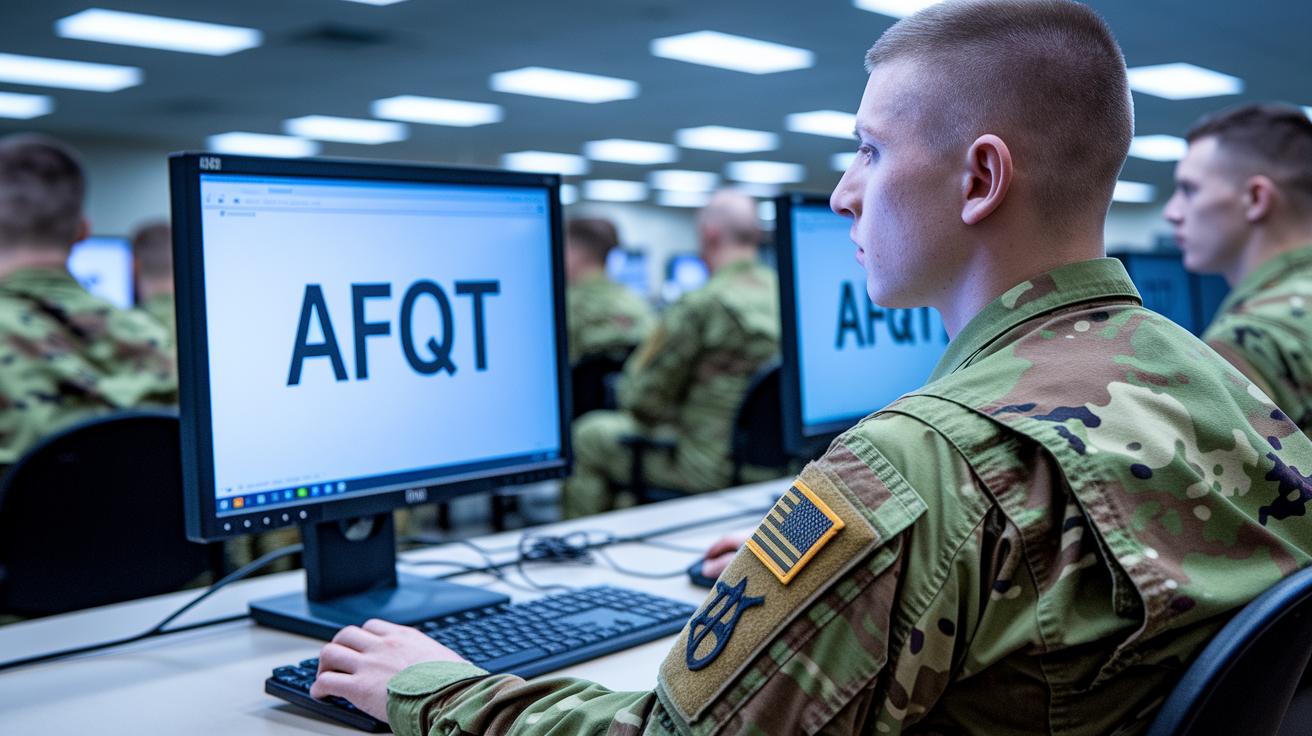
Today’s military tests rely on computerized scoring that adapts as you perform. It's similar to a training drill that gets tougher the more you improve. When you answer a question correctly, the next one might push you a bit harder, think of it like moving from basic drills to advanced moves. This system uses an item-response algorithm (basically a method where your answers decide the next question's difficulty) to give a clear picture of your real ability.
The test also measures your score using AFQT percentiles compared to a group of 18- to 23-year-olds from 1997. In simple terms, your results are matched against a steady benchmark, much like comparing your drill performance to a set standard over time.
Implementation of Digital Evaluation Systems in Military Test Scoring
The military is moving forward with computer-based tests that run best on browsers with JavaScript turned on. This change has modernized how tests are given. Now, recruits can log into secure websites to register, pick test dates, and check their score reports, all as easily as reading your email.
Online prep for the CAT-ASVAB now comes with a full range of digital tools. You’ll find practice tests, step-by-step video guides, and study materials all in one spot. Sometimes, you might even work through a simulation that feels a lot like the real test day. It’s like a practice drill that helps build your confidence before you sit for the actual exam.
Switching to digital scoring has made our evaluations clearer and faster. The updated web system not only sends out test dates and scores quickly but also keeps you informed about your progress. In short, these digital systems are a big leap forward in keeping military aptitude testing efficient and open.
Revised Test Scoring Criteria in Military Assessments

The revised scoring now gives more weight to each section instead of just remixing question counts and time limits. All the familiar details for Mathematics Knowledge, Arithmetic Reasoning, Paragraph Comprehension, and Word Knowledge are still there, but now each part plays a balanced role in your overall score.
By pairing fewer questions with extra time in key areas, the changes put a spotlight on careful reasoning. This way, every section better shows your true ability. For instance, think of it like planning a mission: quality and smart decisions matter more than speed. I remember before one drill, I made sure to check every detail to give us an edge.
Impact of Military Test Scoring System Updates on Enlistment
The new test scoring updates now let recruits see their strengths and weaknesses right away. With these changes, candidates quickly learn what they do well and where they need more work to meet the specific standards of their branch. It’s a clear plan that helps guide training so there are no surprises on enlistment day.
Each military branch now uses its own minimum AFQT score to decide who can serve. For example, the Army needs a score of 31, the Navy requires 35, the Air Force asks for 36, and the Marines set the bar at 32. These set numbers give both recruits and recruiters a clear target, kind of like having a step-by-step mission plan.
Now, candidates can see how they stack up against these scoring marks. This makes it easier to zero in on areas that need extra review or practice, much like fine-tuning your skills during a training drill. For more details on these new requirements, take a look at the latest military entrance exam updates.
| Branch | Minimum AFQT Score |
|---|---|
| Army | 31 |
| Navy | 35 |
| Air Force | 36 |
| Marines | 32 |
This update really makes a difference in how we check military readiness, ensuring every recruit is ready to meet their branch’s standards from day one.
Comparing New Military Test Scoring to Previous Systems

We have moved these details into two focused sections: "Overview of Military Test Scoring System Updates and Impacts" and "Evolution of Scoring Algorithms." This change helps you quickly spot the updates and understand how the scoring has evolved. We hope this fresh layout makes everything clear and easy to follow, just like a good briefing before a mission.
Final Words
In the action, we reviewed how updated military assessments now use adaptive testing techniques to fine-tune each candidate’s performance. We broke down shifts from paper tests to digital scoring tools and explained revamped time allocations and question counts.
These improvements help reflect true potential and readiness for a military career. Plus, the detailed look at revised metrics and adaptability makes understanding military test scoring system updates easier. Keep moving forward with confidence and strong note of progress.
FAQ
What are the PT tests changing in 2025?
The PT tests changing in 2025 bring updated event durations and scoring benchmarks that better capture physical readiness using modern training methods and clearer standards.
What is the new Army test score?
The new Army test score now uses a minimum AFQT score of 31, providing a clearer measure of readiness for enlistment and ensuring candidates meet updated performance criteria.
What are the new AFT scoring standards?
The new AFT scoring standards involve revised question counts and time limits to sharpen the focus on reasoning and quick decision-making, leading to a more accurate skill assessment.
What is the new ACFT standard 2025?
The new ACFT standard 2025 introduces changes in event requirements and performance metrics to emphasize functional strength and endurance, aligning better with modern combat readiness needs.