
Ever wonder if your test strategies could be better? Leaders know that every step matters, much like planning a smooth mission. Data shows that missing key steps can lead to unexpected mistakes.
In this post, we'll break down simple planning methods that keep teams on track. Real-life examples and a clear review prove that sticking to a tested plan is the secret to being ready when it counts.
How Military Organizations Test Strategic Planning Techniques
Military groups rely on a planned method that comes from the Joint Doctrine of Deliberate Strategic Planning. This approach values careful analysis, critical thinking (a process of careful evaluation), and the ability to adjust when real situations change. It helps leaders get a clear picture of the battlefield, paving the way for tests that match their mission goals. Think of it like drawing up a detailed mission plan where every step counts.
A clear framework guides the way operations are evaluated. Planners go through repeated checks and feedback loops to make sure every decision holds up. They do this by:
- Doing a careful review of the mission.
- Running practice scenarios.
- Collecting performance data.
- Adjusting plans with fresh input.
For more ideas on military test strategies, see effective military test strategies.
This steady approach lets military leaders practice and fine-tune their strategies even under tough conditions. By mixing in careful evaluations and smart decision-making, this method cuts down on mistakes and keeps every plan aligned with mission goals. In short, testing and checking these plans helps keep teams ready and effective.
Structured Testing Frameworks in Military Strategic Planning

The Joint Operational Planning Process (JOPP) walks military leaders through clear, step-by-step phases, from starting with mission analysis to finishing with plan refinement. Think of it like going through your gear checklist before a mission; each step builds on the last to ensure nothing is missed.
The School of Advanced Military Studies and the Wargaming Institute play a huge role in putting these plans to the test. They offer hands-on training and realistic scenario sessions that help improve contingency planning (a method for managing unexpected changes). These exercises let our teams practice handling real-time changes in a safe, controlled setting, much like rehearsing for a big operation.
Doctrinal reviews are at the core of these testing cycles. After running through practice scenarios, experts gather to review what worked and update the plan based on lessons learned. This ongoing feedback loop makes sure that every plan stays solid, ready to handle different situations and unexpected twists on the field.
military test strategic planning techniques drive success
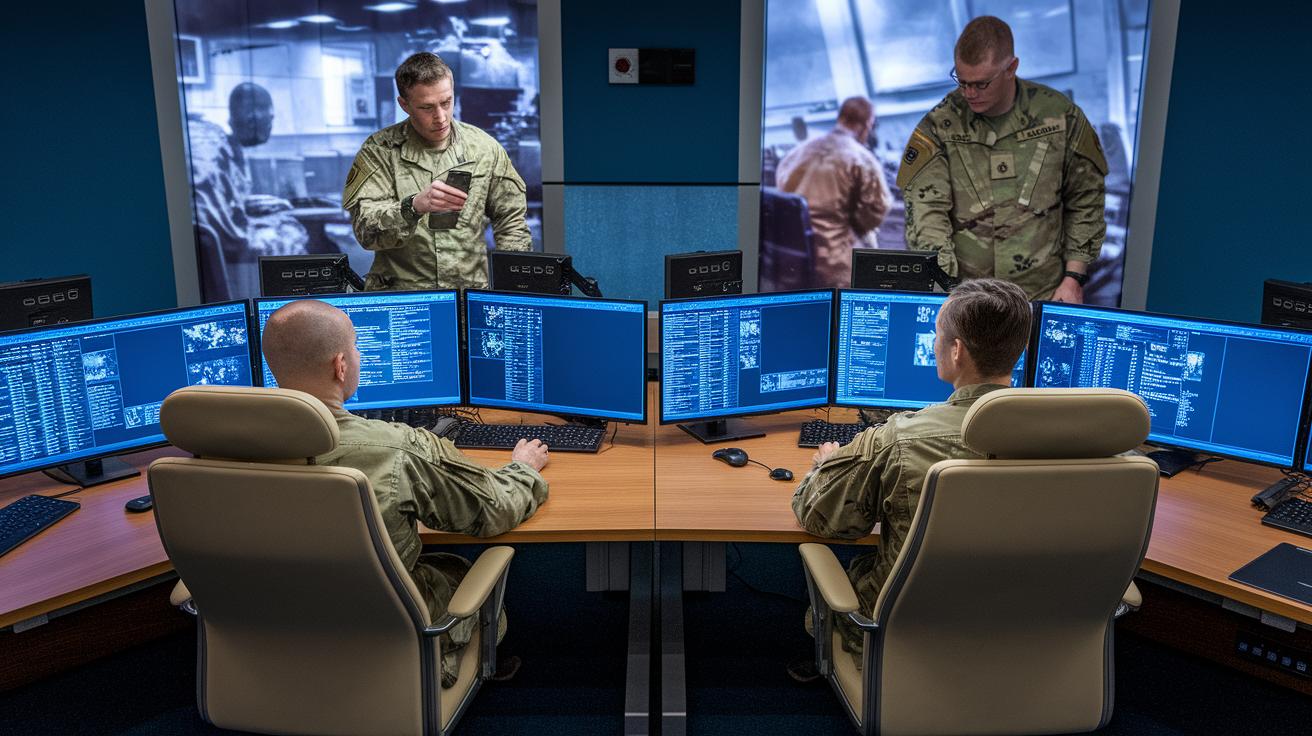
Simulation tools form the first line of testing for strategic plans. They create realistic environments where different operations and crisis scenarios come to life in a controlled space. These tools mimic the pressure of decision-making, kind of like a rehearsal for an important mission, allowing teams to test their plans, spot weak points, and get ready for the real thing.
Wargames
Large-scale wargames put forces into action on land, in the air, and on water. These drills feel like a full-scale exercise where every move counts and quick, coordinated decisions are key. It’s a practical test that shows how well a team works together under pressure.
Computer Simulation
Computer-based simulations use smart software to build moving, changing battle environments. They account for things like shifting weather, enemy strategies, and tricky terrain. Think of it as a digital map that updates in real time, giving you clear data to adjust your tactics.
Tabletop Exercises
Tabletop exercises take a simpler approach, where leaders sit down with a map and talk through their plans. This method is all about discussion and quick problem-solving, letting teams spot issues without having to run a full live drill.
Each method comes with its own perks and limits. Wargames offer a rich, real-world feel but need a lot of resources. Computer simulations give accurate, data-driven insights, though they might miss the human touch. Tabletop exercises are quick and efficient but don’t offer the intensity of full-scale practice. Together, these approaches help build strong and flexible strategies that can handle many challenges.
Evaluation Metrics and Risk Management in Strategic Tests

Military evaluators keep track of team performance using key performance indicators (KPIs, which are simple, measurable numbers) throughout every exercise. They watch progress in real time, pointing out where changes might help. Regular reviews help catch any hidden issues and cut down on surprises, so everyone knows that the strategy works well in both practice and simulated drills.
Risk management is all about seeing how plans hold up under stress. It puts the plan to the test by comparing its numbers against set targets during drills. With regular check-ups, teams can spot and reduce any unexpected problems that might pop up during critical missions. Next, have a look at the table for examples of the most common metrics we use:
| Metric | Purpose | Data Source |
|---|---|---|
| Accuracy | Measures how precise the plan is | Drill data |
| Response Time | Checks how fast decisions are made | Operation logs |
| Resource Allocation | Sees how well supplies are used | Inventory reports |
| Plan Adaptability | Tests flexibility under stress | After-action reviews |
Case Studies of Military Strategic Planning Tests
Real-world examples of testing our strategies show us how military plans are made and proven. In these studies, you see step-by-step reviews after action and performance checks that feel as real as a drill. These case studies act like a clear guide, showing how to set simple goals, test them in simulated settings, and then tweak the plan using feedback from actual practice.
Dr. Brooke Mitchell’s work in scenario planning is a prime example of using realistic conditions to build strong strategies. Her study, Scenario Planning for the Twenty-first-Century Military Strategist, explains how to create lifelike scenarios and measure the results with down-to-earth methods. One part of her research even uses simulated stress tests where controlled conditions reveal both the plan's strong points and areas needing improvement, giving us practical hints for the future.
Lieutenant Colonel Francis Park’s tests in Iraq and Afghanistan also underline the value of careful planning at the joint task force level. His after-action reviews capture real lessons from the field, highlighting key performance markers and showing how well teams stay ready under pressure. These cases remind us that detailed, step-by-step testing helps teams adjust quickly, boosting both tactical skills and overall mission preparedness.
Comparing Military and Civilian Strategic Planning Tests
When you compare the two, civilian planning often lacks the strong structure you see in military tests. Commercial methods usually miss the intense, war-game style drills and the clear, step-by-step run-throughs the military relies on. In many businesses, planning feels fragmented with little teamwork and fewer chances to try out ideas under pressure.
Civilian setups might skip regular reviews after an event (that is, checking what went right or wrong) and delay feedback. This slow cycle can make it harder to decide quickly and might leave plans untested for real-world challenges.
On the other hand, military methods focus on clear communication and smooth, cross-team cooperation. Their rehearsal drills are built for quick fixes and detailed after-action checks. This repeated process helps them fine-tune plans continuously.
Many of these military tactics, like open reviews and fast feedback loops, can actually serve as useful steps for businesses looking to make their own planning more solid and reliable.
Advanced Tools and Innovations in Strategic Plan Testing
New algorithm models are changing how we plan tests by quickly coming up with different paths for our strategies. They work a lot like a real mission drill, where you run through different scenarios and pick the best one. This smart tech helps cut down on the time it takes to make decisions and gives us fresh ideas to fine-tune our operations.
AI-powered simulation methods take these tests to the next level by mixing in live data. It’s like being on a training run that adjusts on the spot when new information comes in. Plus, digital tools now let teams from different locations join in real time. Everyone gets to see live updates, so each move is well-informed and coordinated.
Looking ahead, we can expect even tighter and more flexible simulation setups. As our tactical tools get better, these innovations will sharpen our planning and boost our ability to react quickly. This means our decision-making stays strong and reliable, setting a solid course for future success.
Final Words
In the action of our discussion, we explored how military organizations test and refine strategic plans. We looked at deliberate planning frameworks, simulation drills, and risk management metrics that drive thoughtful decision-making. Each point built on clear steps, from simulation tests to real-world case studies.
These insights show that solid military test strategic planning techniques boost confidence and readiness. Keep this approach in mind as you build your own plan for success in every mission ahead.