
Ever wonder if you really know all about the newest military test updates? Getting clear, solid info is key when you're planning your next move in your military career.
In this brief, we lay out the straight facts on who can join, test scheduling, and the rules for retakes. We explain changes like the new computer-adaptive test format (that means the test adjusts to your answers) and updated waiting times between retakes so you won’t be caught off guard.
We break things down simply because every service member, recruit, and veteran deserves to be well-informed and prepared for the challenges ahead.
Comprehensive Military Test Update FAQs Overview

The FAQs give you clear answers about who can join, how to schedule your test dates, what guidelines to follow, and how policy changes might affect you. They also break down important points like retest rules, step-by-step procedures, and the differences between computer-based and paper tests. Every update is here to help service members, recruits, and veterans know exactly what’s needed to succeed.
Recent changes mean the retest policy and the computer-adaptive test format have been updated. For example, the ASVAB now requires you to wait one month after your first test and your first retest, and then six months before any further retakes. You can get more details about these changes by checking the latest military test update listings from 2023.
This article is organized so you can quickly jump to the info you need. You'll find clear sections on retest procedures, comparisons of test formats, and eligibility requirements. Whether you're looking for an overall guideline or detailed instructions, everything you need is all in one spot.
Eligibility Criteria Updated in Military Test FAQs

The AFQT score is based on four parts of the ASVAB: arithmetic reasoning, word knowledge, paragraph comprehension, and mathematics knowledge. These parts create a combined score that tells you how you did compared to a 1997 group of young adults aged 18 to 23. For example, if you score in the 70th percentile, it means you performed as well as or better than 70 out of 100 people in that group. This score gives you a clear picture of your overall ability, which is key to figuring out if you qualify for different military roles.
Each branch, Army, Air Force, Marine Corps, and Navy, sets its own minimum score requirements for the AFQT and its specific parts. Some branches may require higher scores in areas important for technical tasks or clear communication. So, if a branch focuses on technical work, they might want higher math scores, while another branch might prioritize strong verbal skills. Doing well in both areas not only meets the basic requirements but also opens up more career options.
AFQT scores are shown as percentiles, which let you see how you compare with others in the reference group. This means that even a small change in your score can shift your percentile ranking. And as standards change with new updates, it’s important to keep current on eligibility rules because they can impact your military career opportunities.
Scheduling and Registration Updates in Military Test FAQs
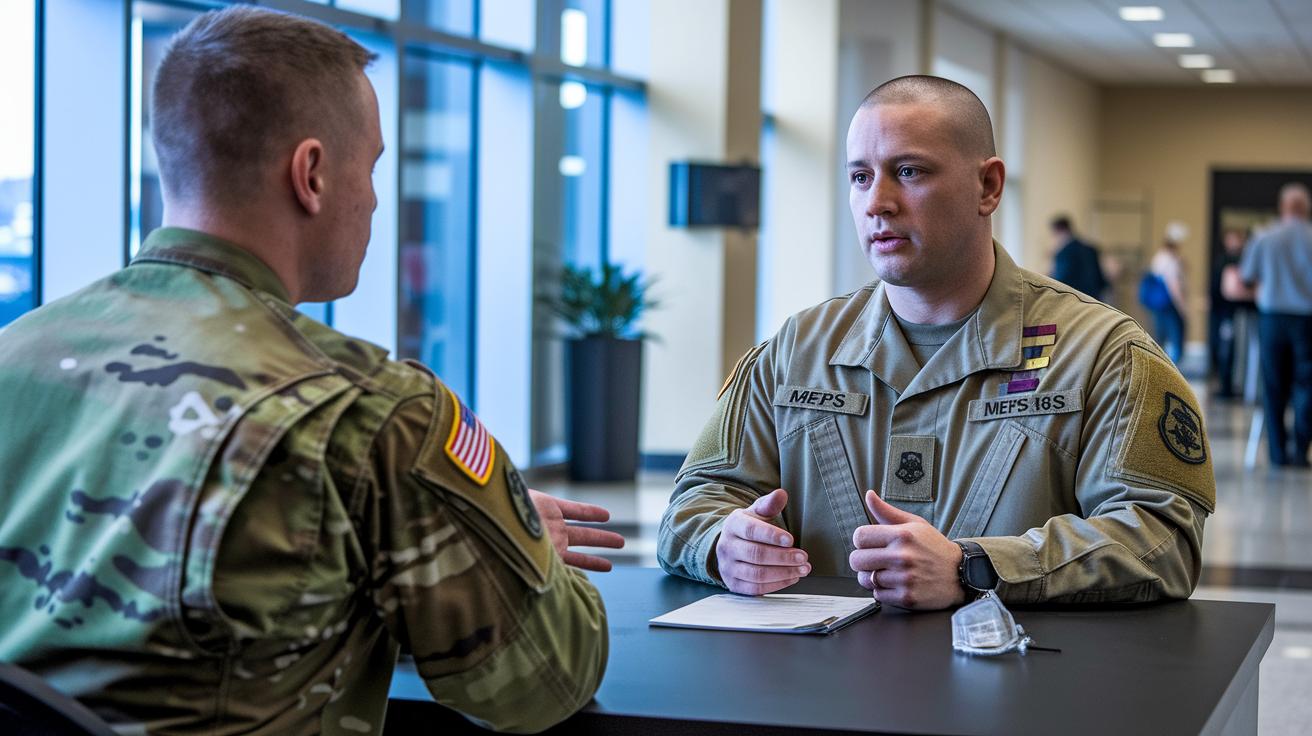
Your first step is to chat with your recruiter. They’ll help you arrange your appointment at MEPS (Military Entrance Processing Station) or point you to nearby test centers like those for the Coast Guard or National Guard. Think of it like getting in formation with your drill sergeant; everything needs to be lined up and ready.
The CAT-ASVAB lets you book your test online right away with new slots opening every day. This makes registering fast and easy so you can jump straight into the test. On the other hand, the paper-and-pencil version only shows its dates once a month. It’s a bit like choosing between a quick field exercise and a planned training drill, you need to plan your moves ahead of time.
If you have to change or cancel your test, stick to the set deadlines. When you check in, bring proper ID and your enlistment contract to prove who you are, just like during roll call when every detail is double-checked. Keeping these tips in mind will help you stay on track for a successful test.
Retest Procedures Updated in Military Test FAQs

If you need to retake the ASVAB, you must wait between each attempt. After your first try, you have to wait one month before you can schedule a retest. Then, if you take the test again and it isn’t what you hoped for, wait one more month before trying once more. After that, any further retakes require a six-month break.
Sometimes, special circumstances like health issues or scheduling problems might allow an exception. For instance, if you had a flare-up that stopped you from setting a test date, your recruiter can help you work through the waiver process.
Here’s a quick summary:
| Test Attempt | Wait Time |
|---|---|
| After initial test | 1 month |
| After first retest | 1 additional month |
| Subsequent retests | 6 months |
Format Changes and CAT-ASVAB FAQ Updates

The CAT-ASVAB and paper-and-pencil tests now have clear differences in how many questions you get and the time allowed for each part. For a full look at these changes, check out the military exam format changes update (https://militaryaptitudetests.com?p=355). These tweaks are meant to help you better plan your study approach, so you know what to expect on test day.
| Section | CAT-ASVAB (Ques/Time) | P&P-ASVAB (Ques/Time) |
|---|---|---|
| Mathematics Knowledge | 15 Ques / 31 min | 25 Ques / 24 min |
| Arithmetic Reasoning | 15 Ques / 39 min | 30 Ques / 36 min |
| Paragraph Comprehension | 10 Ques / 27 min | 15 Ques / 13 min |
| Word Knowledge | 15 Ques / 9 min | 35 Ques / 11 min |
Because of these differences, you might need to change your test plan a bit. The CAT version adjusts the difficulty based on your answers, so getting practice under similar conditions can really boost your confidence. Meanwhile, the paper test often gives you more questions in a shorter time, challenging you in a different way. Think of it like preparing for a drill, you need to know exactly what you’re facing and adjust your plan accordingly. Try practicing with tests and study guides that mimic these conditions so you can keep your timing sharp and be ready when it counts.
Scoring Policy Clarifications in Military Test FAQs

The AFQT score is shown as a percentile ranging from 1 to 99 and is based on a reference group of 18- to 23-year-olds from 1997. This method now includes adjustments that bring old score standards in line with today’s testing conditions. For instance, a score of 70 a decade ago might be closer to 68 now, which could change an applicant’s eligibility for certain roles.
Norm updates in the scoring tables have introduced small changes that affect each branch differently. Even a one- or two-point shift might mean the difference between meeting the requirement or not, especially in branches like the Air Force or Army. Imagine a Navy candidate whose score drops by 2 points and now nearly misses the cutoff for a specialized job.
Preparation Resources in Military Test Update FAQs

Military test prep just got easier. You have free study tools and support guides that boost confidence while sharpening your skills. They cover everything from practice questions to video lessons and study plans led by experts to help you succeed on test day.
- Official DoD ASVAB study guide
- Online CAT-ASVAB practice tests
- Branch-specific prep course modules
- Key-topic video tutorials (math, verbal)
- Recruiter-provided materials and scheduling help
- GI Bill/VA benefit guides for test prep reimbursement
These tools give you step-by-step drills that feel like real test situations. For example, the online practice tests let you experience the computer-adaptive setup (where the test adjusts question difficulty based on your answers). Branch-specific modules break topics into small, clear chunks, kind of like reviewing your routine before a field exercise. The official guide spells out all the tested material, and video tutorials allow you to learn by seeing and hearing the info, so you choose the style that fits you best.
With these resources, you can plan your study time wisely, get support from recruiters, and even use available benefits to cover prep costs.
Final Words
In the action, this article broke down everything from eligibility criteria and scheduling to retest rules and scoring adjustments. It walked through updates on test formats and pointed you toward helpful study resources. Each section clarifies common inquiries, offering clear military test update FAQs for your exam readiness. The detailed breakdown makes it easy to track changes and stay current with test guidelines. Keep a steady focus on your mission, and let these insights boost both your preparedness and confidence. Stay ready, stay positive!
FAQ
What are the Army Fitness Test regulations, standards, and scoring?
The Army Fitness Test regulations, standards, and scoring outline required exercises, age-based benchmarks, and point systems that measure physical readiness for soldiers.
How many questions are on the ASVAB test and what are the test requirements?
The ASVAB test includes multiple subtests with specific question numbers varying by section. Test requirements also cover age limits, proper documentation, and branch-specific score minimums.
How long is the ASVAB score valid for Army enlistment?
The ASVAB score is typically valid for two years, meaning your results can be used for enlistment and job qualification within this period.
How rare is a 99 on the ASVAB and what do various scores indicate?
A 99 on the ASVAB is very rare, showing near-perfect performance. A score like 72 demonstrates strong skills, while a 21 suggests you may need additional preparation.
What is considered the hardest military test to pass?
The hardest military test to pass varies by branch, with some specialized evaluations known for their strict physical and mental demands.